
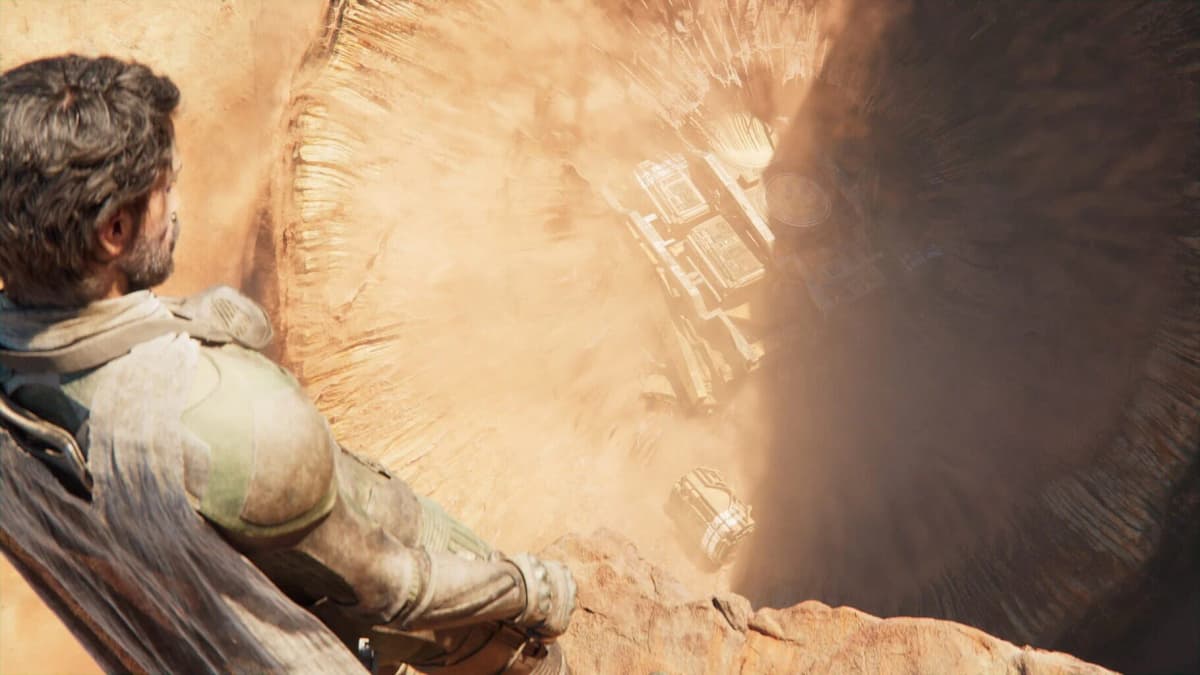
After Dune’s Triumph, Funcom Cuts Its Team—Can It Last?
Game intel
Dune: Awakening
Dune: Awakening is an Open World Survival RPG where you can fully immerse yourself in the epic world of Dune. Alone or with friends, explore a vast open world…
Layoffs After a Win – Why This Caught My Attention
Funcom’s announcement of layoffs immediately following Dune: Awakening’s strong launch feels like a case study in modern live-service pitfalls. The developer says it’s “restructuring” to pivot from the high-intensity launch phase into steady marathon-style operations, while also gearing up for PS5 and Xbox Series releases in 2025. In plain terms, the team that shipped the game won’t be the team sustaining it day-to-day. This pattern—big pre-launch push, leaner live-ops crew, then a gamble that content cadence can keep players engaged—has become unnervingly familiar in today’s industry setting.
- 190,000 concurrent PC players at launch, now down to ~20,000 daily.
- Exact layoff numbers remain undisclosed, fueling fears of slowed updates.
- Focus shifts to meaningful live-service drops and next-year console ports.
- Player retention will hinge on meatier features, not just cosmetic touches.
Breaking Down the Announcement
Dune: Awakening rocketed out of the gate with around 190K concurrent players on Steam—100K of them via priority access—and has since stabilized around 20K daily. That kind of drop is typical for any online survival release, but it sets the stage for a critical question: can Funcom’s slimmer post-launch crew sustain a release cadence that keeps players exploring Arrakis rather than wandering off to greener sands?
Funcom’s official line is that this leaner structure will channel resources into high-impact content drops, system overhauls, and smooth sailing toward the console launch. Yet the lack of transparency on headcount reductions raises red flags. Fewer QA staff can translate into slower bug fixes. A reduced design team may struggle to carve out fresh biomes, rework faction reputation, or introduce the kind of traversal upgrades that revitalize a survival sandbox.
Compare this to Conan Exiles, Funcom’s previous open-world hit, which thrived on robust mod support and a patient, passionate community. Dune: Awakening launched without full modding tools—an omission PC players have loudly flagged. Funcom has been commendably transparent about reimbursements for lost items and early server hiccups, but consistency in patch velocity and feature depth will prove the real test of this restructuring strategy.
Why This Matters Now
Live-service games live or die by their content pipelines. Restructuring to trim overhead only pays off if it accelerates the delivery of quality content. But cut too aggressively, and you risk creating update deserts—periods where there’s nothing new to experience, and players drift away. Funcom insists it’s doubling down on new gameplay systems, seasonal events, and console parity, but the six- to nine-month stretch before PS5/Xbox versions arrive is when Dune: Awakening will need a steady drip of compelling reasons to log back in.
Console ports introduce their own workload. Controller-first UI design, cross-play and cross-progression implementation, plus performance tuning for both Series X and S, are non-trivial tasks. If console players arrive to find missing features or broken cross-play, momentum splinters. However, a smooth, parity-driven PC-to-console transition could rejuvenate the community with thousands of fresh players joining established clans—if Funcom can pull it off without splintering servers or fragmenting the meta.
Community Reaction and Streamer Spotlight
On Reddit and Discord, veteran survival-MMO fans have voiced concern over this move. Many cite fear that Funcom could become another studio that ships a big update, then stretches thin, relegating the game to a cycle of small bug-fix patches and seasonal cosmetics. Popular streamers who championed early Arrakis gameplay noted that they’ve already seen viewer drop-off during weeks when only minor balance tweaks landed.
Conversely, a handful of influencers praised Funcom’s transparency—particularly around reimbursing lost vehicles and items. They highlight that open communication fosters trust, even if updates aren’t rolling out as quickly as hoped. The sentiment seems to be: if Funcom can keep the community looped in on “why” a feature is delayed and “when” it’s coming, players may grant more runway for the slimmer live-ops team to deliver on its promises.
FinalBoss // Gear
Level up your setup
01Top-rated gaming headsetson Amazon→02High-refresh gaming monitorson Amazon→03Gaming chairson Amazon→04Discounted game keyson Kinguin→Affiliate links · As an Amazon Associate, FinalBoss earns from qualifying purchases.

Funcom’s Live-Service Track Record
Looking back at Conan Exiles, Funcom enjoyed a multi-year live cycle fueled by mod support on PC and regular free DLC. The studio backed that title with major updates every quarter for two years, adding new building pieces, creatures, and endgame bosses. That cadence became the gold standard for a live MMO-savvy audience.
By contrast, Dune: Awakening’s early roadmap promised a free Chapter 2 update and the paid Lost Harvest DLC. While chapter releases can deliver new story beats and map expansions, the community rightly expects more: fresh mechanics that alter core loops, new enemy archetypes that demand distinct strategies, and significant quality-of-life improvements. If layoffs shrink the art or engineering teams, some of these ambitions could slip.
Roadmap Reality: Substance Over Slog
From a gameplay design standpoint, a robust survival MMO update isn’t a handful of cosmetics or a repeatable fetch quest. It’s new biomes with distinct resources and threats, rebalanced economies that force players to adapt trade routes or crafting priorities, and endgame goals that go beyond “grind this one boss for a chance at a slightly better weapon.” Real live-service stamina comes from surprises—like a sudden desert storm that changes visibility and combat, or a dynamically shifting spice economy tied to player actions.
Modders filled that role for Conan Exiles, creating everything from new races to automated build tools. With Arrakis’ IP restrictions hampering user mods, Funcom needs blockbuster official drops. We need Chapter 2 to introduce a playable city hub or faction stronghold, not just a few quest lines. Lost Harvest should feel like an expansion—new desert region, mutated fauna that challenge even veteran scavengers, and faction wars that visibly reshape territory on the map.
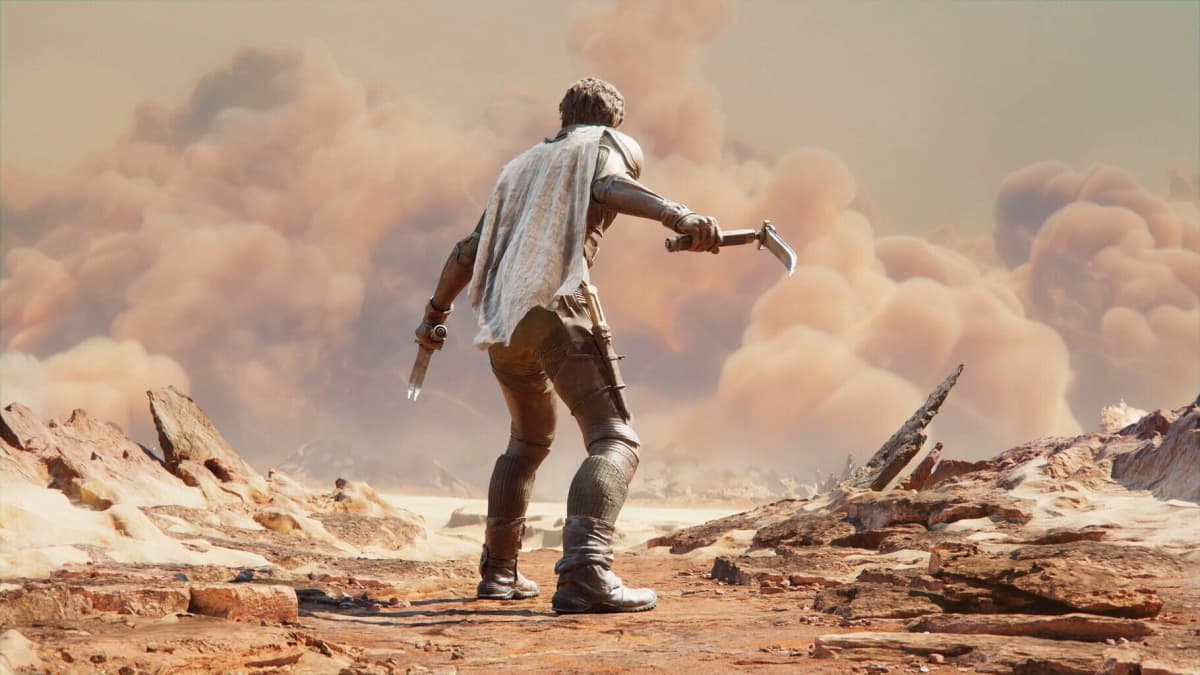
The Gamer’s Checklist: What to Watch
- Update Cadence: Are we getting quarterly major updates that change gameplay loops, or merely bi-monthly hotfixes and skins?
- Systems Upgrades: UI/UX polish, clan management tools, diversified base defenses, and fresh late-game objectives beyond incremental stats.
- Console Launch Quality: True cross-play and cross-progression, native controller support, and optimized performance on Series S as well as Series X and PS5.
- Communication Transparency: Detailed patch notes, honest dev diaries on scope changes, and clear timelines for delayed features.
- Economy Fairness: Cosmetic monetization okay—pay-to-win or pay-for-convenience are red flags for any survival MMO.
My Read on Funcom’s Move
On one hand, reducing headcount after the launch peak is a pragmatic step to contain costs. Live-ops teams don’t need as many hands on deck as the full production push. On the other, layoffs right after peak engagement ratchet up the urgency on the upcoming roadmap—leaving the community to wonder if “focus” is a euphemism for “fewer people.”
If Chapter 2 delivers genuinely new world zones and the Lost Harvest expansion redefines late-game content—offering high-stakes faction warfare and dynamic events—Dune: Awakening can thrive even without mod support. But if the next few months serve up little more than new skins and stale grind loops, concurrent counts will drift downward until the console ports arrive. By then, recapturing lapsed players becomes an uphill marketing battle.
TL;DR
Funcom’s post-launch layoffs for Dune: Awakening signal a shift from launch sprint to lean live-service operations ahead of 2025 console ports. This isn’t unheard of—but it puts pressure on update quality and cadence. If meaningful Chapter 2 systems and a meaty Lost Harvest DLC hit on schedule, and the console launch lands with true parity and cross-play, Arrakis can remain as bustling as ever. If not, the desert will go quiet fast.