
Microsoft just admitted the obvious: the last Game Pass price hike went too far. Cutting Game Pass Ultimate from $29.99 to $22.99 a month is a real reduction, and PC Game Pass dropping from $16.49 to $13.99 helps too. But this is not Xbox suddenly turning generous. It is a trade. Players get a cheaper subscription back, and Microsoft gets to redraw the line around the single day-one franchise that was always going to be too expensive to leave inside the buffet forever.
That is the part worth paying attention to. Forza Horizon 6 and Fable are still positioned as day-one Game Pass games. Future Call of Duty releases are not. Instead, new CoD entries will arrive later, during the following holiday season. In plain English: Xbox is preserving the part of the Game Pass pitch that sells consoles, controllers, and ecosystem loyalty, while carving out the annual mega-seller that can still move full-price copies on its own.
Table of Contents (7)
Key takeaways
- Game Pass Ultimate dropping from $29.99 to $22.99 is meaningful, but it mostly walks back a steep increase from six months ago rather than creating some new golden age of value.
- PC Game Pass also gets cheaper, which suggests Microsoft wants to keep the subscription funnel healthy across platforms, not just soothe console backlash.
- Day-one access is no longer a simple promise. Xbox first-party style launches like Forza Horizon 6 and Fable remain in, but Call of Duty is being treated as an exception with delayed arrival.
- The uncomfortable truth is that Game Pass is maturing into a more selective value proposition, not an endlessly expanding one.
This is a rollback, not a revolution
The headline number looks dramatic because it is. A 23% cut on Ultimate takes the monthly fee down by seven dollars immediately. Over a year, that is an $84 savings compared with the $29.99 price. That is enough money to get people talking about Xbox “listening” again, and to be fair, price relief is price relief.
But let’s not pretend this came out of nowhere. Six months ago, Microsoft pushed Ultimate up by 50% from the old $19.99 baseline to $29.99. That kind of jump was always going to test how much goodwill Game Pass had left. Subscription businesses love to discover where the pain threshold is; consumers love reminding them when they guessed wrong. This feels less like a strategic gift and more like a correction after finding out that thirty dollars a month for “Netflix for games” starts sounding a lot less magical when everyone is already juggling streaming bills, battle passes, and sixty-to-eighty-dollar game launches.
If I were in the room with Xbox PR, the question would be simple: how much of this decision came from lower-than-expected retention after the increase? Because that is the number that matters. Companies rarely volunteer that kind of detail, but pricing reversals usually have a body buried somewhere in the subscriber data.

Call of Duty was never going to stay in the day-one buffet forever
The bigger move here is not the lower subscription price. It is the Call of Duty exception. Future CoD releases will skip day-one availability on Game Pass Ultimate and PC Game Pass, then land during the following holiday season, which most reports frame as roughly a year later. Existing entries already on the service are a separate issue. The important shift is forward-looking: Xbox is redefining which games are powerful enough to live outside the standard day-one promise.
And honestly, this was predictable. Call of Duty is not just another first-party game. It is one of the few annual releases that can still sell at premium price, across massive volume, with a built-in live-service tail and microtransaction machine attached. Putting that into Game Pass on launch day may be great for perception, but it also risks training millions of players to stop buying a product that has historically printed money.
So Microsoft appears to have chosen the compromise route. Keep the “best value in gaming” talking point alive for most first-party output, especially the games that need momentum and player acquisition. Then quarantine the franchise that can still command a full-price launch all by itself. From a business perspective, it makes complete sense. From a consumer messaging perspective, it is messier, because “day one on Game Pass” used to mean something cleaner than “day one, except when the spreadsheet says absolutely not.”
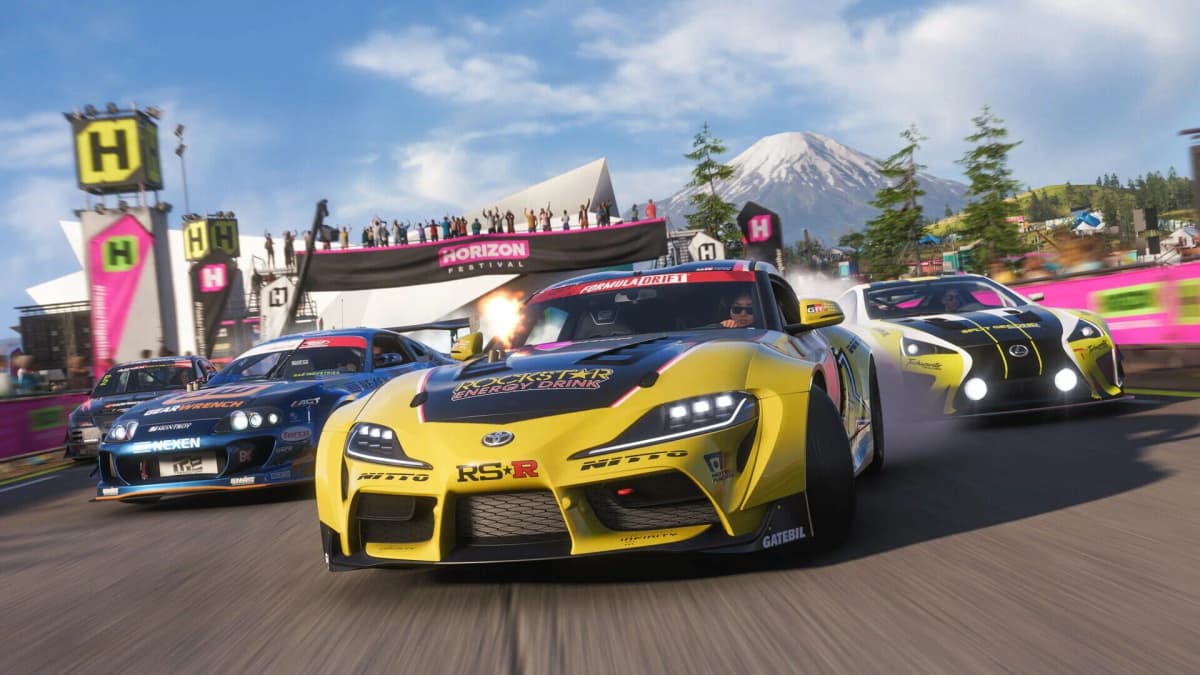
This is also why Forza Horizon 6 matters in this conversation even beyond being a huge Xbox release. Keeping Forza Horizon 6 and Fable in the day-one bucket tells you what Xbox still wants Game Pass to do: make the ecosystem feel indispensable for flagship exclusives, especially the ones that shape the brand but do not carry Call of Duty’s annualized retail gravity.
What Xbox is really selling now is a tiered idea of value
The old fantasy around Game Pass was simple: pay the fee, get the big stuff as it hits, and stop worrying about individual purchase decisions. Reality was always going to be more complicated as budgets ballooned and consolidation dragged more major franchises under one roof. What Microsoft is signaling now is a more selective version of that future.
Some games will still be there day one because they benefit from reach, word of mouth, and a large instant player base. Racing games like Forza Horizon 6 fit that logic beautifully. RPGs like Fable do too, assuming Xbox wants a big launch footprint and social velocity more than boxed sales. But the biggest annual blockbuster in Activision’s portfolio is now being handled like premium inventory. That means Game Pass is starting to look less like a universal access pass and more like a curated membership with notable exceptions.
That distinction matters because consumer trust in subscription services depends on clarity. Sony’s PlayStation Plus has never really pretended that all first-party games are day-one givens. Microsoft spent years doing the opposite. Once exceptions start piling up, the sales pitch gets fuzzier. Not dead. Not even weak, necessarily. Just fuzzier. And fuzzy value propositions are how subscription models gradually lose the evangelists who built them.
The good news for Xbox is that this particular exception is one many players will understand, even if they do not love it. An $84 yearly savings on Ultimate versus the previous price lands suspiciously close to the cost of buying one new premium game outright. That is not an accident. Microsoft seems to be saying: here is your cheaper subscription back, and if Call of Duty is the one title you absolutely must have at launch, you can buy that separately without feeling like the subscription itself became a rip-off.
The real risk is precedent, not this year’s savings
The immediate economics are easy enough to defend. The longer-term precedent is where things get interesting. Once Xbox has established that certain tentpole games can sit outside the day-one promise, the obvious next question is how many more franchises eventually qualify. Today it is Call of Duty. Tomorrow, is it the next Blizzard giant? A future Elder Scrolls? Something else with enough standalone pricing power?
That does not mean a slippery slope is guaranteed. It does mean players should stop treating “day one” as a sacred constant and start treating it as a policy choice that can change title by title. Microsoft has now shown it is willing to protect Game Pass growth with lower pricing while protecting certain software revenues by narrowing access. That is a more flexible strategy. It is also a less romantic one.
What to watch next
- Watch how Xbox markets Forza Horizon 6 and Fable from here. If “day one with Game Pass” gets louder in those campaigns, that is Microsoft trying to reassure subscribers that the core promise still exists.
- Watch for any language around “select titles” or “certain franchises” in future Game Pass announcements. That phrasing would confirm Call of Duty is not necessarily a one-off carve-out.
- Watch holiday sales performance for the next Call of Duty release. If full-price sell-through stays strong without day-one Game Pass, Microsoft will have little reason to reverse course.
- Watch subscriber sentiment after a few billing cycles, not day-one reaction. Price cuts create instant goodwill; retention data tells you whether trust was actually restored.
TL;DR
Game Pass Ultimate is cheaper again at $22.99, and PC Game Pass is also coming down, but Microsoft did not make that move for free. Future Call of Duty games are no longer launching into the service on day one, even while Forza Horizon 6 and Fable still do. The story is not that Xbox suddenly became generous; it is that Game Pass now has clearer limits, and Call of Duty is the first major proof.
FinalBoss // Gear
Level up your setup
01Best-selling Xbox Series X|S gameson Amazon→02Xbox controllerson Amazon→03Top-rated gaming headsetson Amazon→04Discounted game keyson Kinguin→Affiliate links · As an Amazon Associate, FinalBoss earns from qualifying purchases.
Want to Level Up Your Gaming?
Get access to exclusive strategies, hidden tips, and pro-level insights that we don't share publicly.
Ultimate Editor's Pick Strategy Guide + Weekly Pro Tips