

Gamer Stop Simulator Wants You Running a Game Store — Here’s What Looks Real and What Doesn’t
Game intel
Gamer Stop Simulator
Gamer Stop Simulator is a simulation game where you manage a video game store. Buy games and consoles from customers, repair broken devices, test games, and ad…
Why This Caught My Eye
I’ve played more “odd job” sims than I care to admit, from pumping gas to rebuilding PCs, so a first-person game about running a retro-tinged game shop was always going to ping my radar. Gamer Stop Simulator promises that tactile fantasy: haggling over a stack of scratched PS2 discs, testing a yellowed SNES on a CRT in the corner, and slowly turning a dingy storefront into local legend. That’s a compelling pitch-if the systems back it up.
Key Takeaways
- Steam-only for now, aiming for late 2025, with a free prologue you can try today.
- First-person shopkeeping plus repair/testing mechanics is the differentiator.
- Dynamic economy and negotiation could sing-or feel like a grind if too shallow.
- No console plans yet; PC focus includes Windows, macOS, and Linux support listed.
Breaking Down the Announcement
Red Axe Games is positioning Gamer Stop Simulator as a PC-exclusive (via Steam) retail management sim with a late 2025 launch window. A free prologue is already live, which is a smart move-these sims live or die by their loops, and a hands-on slice lets players judge the rhythm before committing. The listing calls out Windows, macOS, and Linux support and makes no mention of consoles. In other words, don’t expect a couch-friendly port anytime soon.
The core loop hits a few beats familiar to fans of Gas Station Simulator or Internet Cafe Simulator: buy items in rough condition, fix them up, and resell for profit, while gradually expanding and customizing your space. The twist here is the subject matter. Dealing in used consoles, testing questionable cartridges, and curating a display case of rare finds taps into the collector fantasy a lot of us already live on weekends.
The Real Story Behind the Features
The feature that matters most is the repair and testing layer. PC Building Simulator worked because it turned fiddly tasks into satisfying, tactile routines. If Gamer Stop nails the feel of opening a controller, swapping sticks, blowing dust out of a Dreamcast, and then booting up Crazy Taxi to confirm the fix, it’ll stand apart from the sea of spreadsheet shop sims. If repairs are just “click tool, wait bar,” the novelty won’t last.
Negotiation and a “dynamic economy” are the other big swings. I’ve seen plenty of games promise fluctuating markets that boil down to weekly price buffs. What I want to see here is item provenance and condition meaningfully affecting haggling—boxed versus loose, regional variants, rarity, and even authenticity checks. Imagine spotting a repro cart or a console with a failing optical drive during inspection. That’s where this theme can shine.
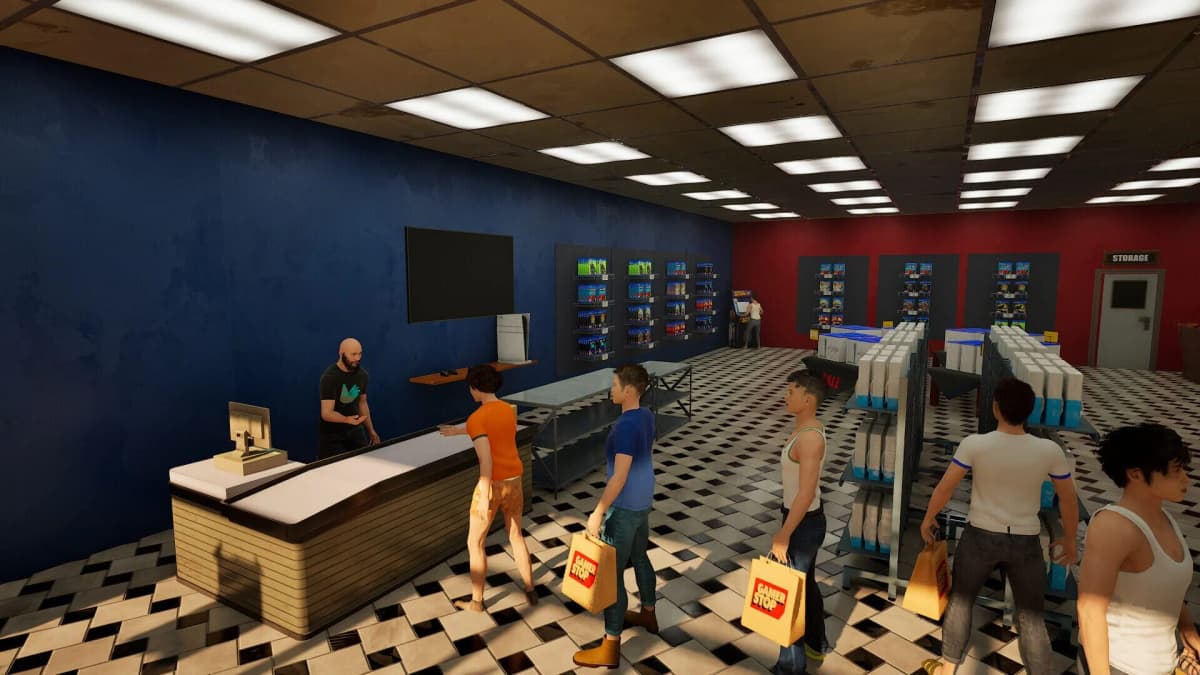
The first-person perspective is the right call. Top-down shop sims often feel abstract; being able to physically rearrange shelves, wire up demo kiosks, and watch foot traffic respond to your layout scratches the same itch that made House Flipper click. But first-person also exposes weak AI. If customers loop like mannequins or repeat the same barks every 30 seconds, immersion shatters fast.
Industry Context: Shop Sims Are Having a Moment
We’re in a renaissance of mundane-yet-cozy sims, and they sell on authenticity. Gas Station Simulator nailed the dreary hustle; PC Building Simulator taught people to repaste CPUs. Gamer Stop’s niche is gaming culture itself, with a wink at a certain American retailer baked into the name. That clever framing isn’t enough on its own; players expect systems with teeth. There are already adjacent titles about pawn shops, arcades, and general stores. This one needs its repair bench and appraisal flow to be more than window dressing.
The dev’s choice to launch a prologue suggests confidence and a desire for feedback, which is good. The early interest looks modest—no shock for a niche sim—but a small, vocal community can absolutely shape a better 1.0 if the team engages and iterates.
Want to Level Up Your Gaming?
Get access to exclusive strategies, hidden tips, and pro-level insights that we don't share publicly.
Ultimate Gaming Strategy Guide + Weekly Pro Tips
What Gamers Need to Know Before Wishlisting
- Loop depth: Watch previews and impressions for how granular repairs get. Swapping parts and diagnosing faults beats progress bars every time.
- Economy integrity: If you can flip the same two items for infinite profit, the shop fantasy collapses. Look for scarcity, condition, and seasonal demand to matter.
- Customer variety: Different buyer types—collectors, parents, bargain hunters—should pressure your pricing and stock strategy.
- Progression pacing: Expansion should be rewarding without turning into a grind fest. Balanced costs and meaningful upgrades are key.
- Performance and controls: First-person sims can be janky. Smooth interaction, sensible UI, and strong tooltips make or break the experience.
There’s also the elephant in the room: the cheeky naming. It’s funny, it’s effective, and it sets a specific expectation—snappy trade-ins, hard negotiations, and that bittersweet trade of nostalgia for store credit. The game should lean into that identity without becoming a parody. Respect the culture it’s riffing on.
Looking Ahead
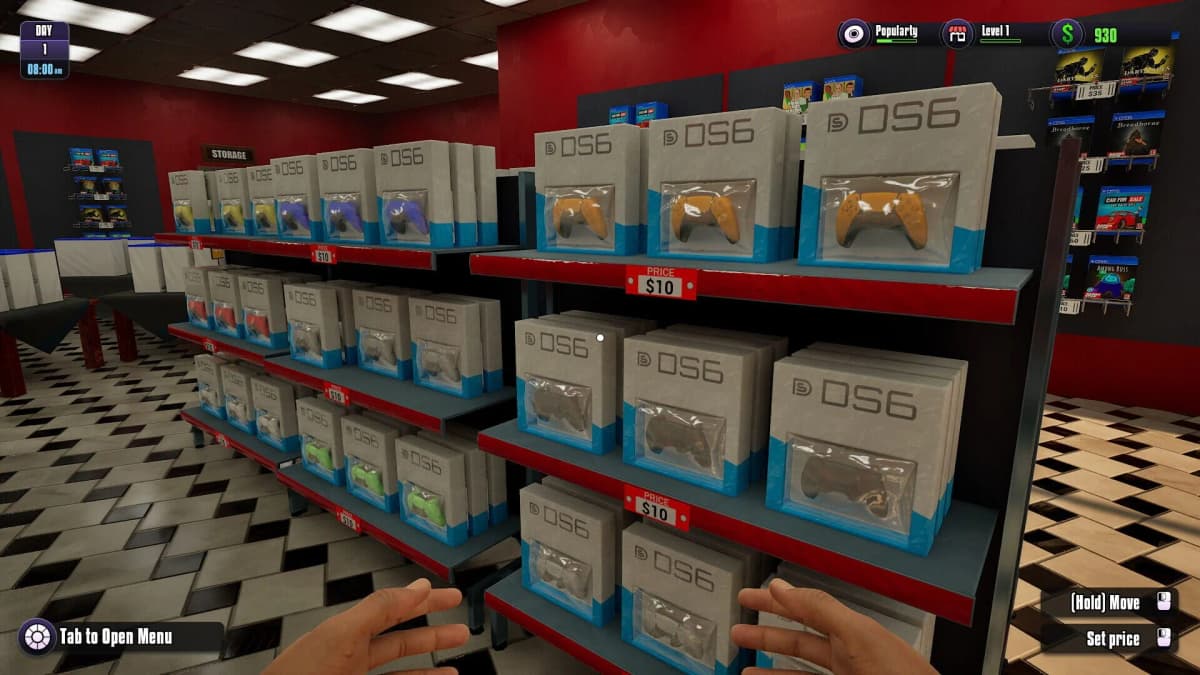
The roadmap hints at deeper customization, more customer archetypes, and additional tools. If Red Axe ties those to systems that reward knowledge—recognizing rare variants, spotting counterfeit accessories, optimizing shelf space for foot traffic—Gamer Stop Simulator could become the cozy-grind sim I sink into for weeks. If not, it’ll be a fun weekend novelty. Either way, the prologue makes this an easy try-before-you-commit situation.
TL;DR
Gamer Stop Simulator has the right fantasy and a promising repair/testing angle. The prologue is worth a spin, but the full game will live or die by how deep its economy, negotiations, and hands-on fixes really go. Curious? Wishlist it, play the slice, and see if the loop hooks you.