

I’ve walked those endless Koelnmesse halls enough times to know when the hype feels earned. This year, Gamescom 2025 is bragging about 357,000 on-site visitors from 128 countries and a frankly wild 630+ million digital “views” – double last year. That caught my attention, not just because it’s big, but because it says something about where the center of gravity in gaming has shifted. With E3 gone, Cologne isn’t just a big show; it’s the show.
Let’s start with the facts. Organizers say Gamescom 2025 brought together 1,568 exhibitors across 233,000 gross square meters, with 70% of them coming from outside Germany. More than 34,000 trade visitors showed up, with noticeable growth from the U.S., China, Canada, and Japan. Thailand stepped in as official partner country, and regions like Dubai and Kyrgyzstan joined the floor for the first time. That’s not just bigger; it’s broader – and that matters.
Now the digital chest-thumping: 630+ million “views,” up 105% year-on-year. Cool headline, but let’s be honest — views get counted differently on every platform. A three-second TikTok autoplay and a co-streamed Twitch watch-along both inflate the total. It doesn’t mean 630 million people tuned in, but it does show that Gamescom has become a global content engine, not just a physical show. That reach helps indies find audiences and gives AA projects a spotlight they can’t buy elsewhere.
Felix Falk, head of Germany’s games industry association, called 2025 “bigger, more diverse, and more international than ever,” saying the festival shows the “positive force” of games, the industry, and the global community. Translation: the event isn’t just surviving — it’s thriving while the business goes through layoffs and consolidation. That contrast is real, and you could feel it on the floor: excitement fueled by sheer scale, tempered by caution about what ships in 2025-2026.
Since E3’s collapse, publishers have been triangulating between Summer Game Fest, The Game Awards, and Gamescom. Cologne wins on critical mass. It’s a playable show — you can get hands-on with actual builds instead of watching sizzle reels behind velvet ropes. That’s the core value for players: touch the game, feel the latency, see if the combat snaps or the traversal stutters. If a demo is smoke and mirrors, the line at the booth tells the truth fast.
Opening Night Live pulled 72 million views this year, which sounds like a Super Bowl number until you remember how platform counting works. I like ONL for the temperature check, but it’s rarely where the megaton reveals land. The real wins happen in the booths, the behind-closed-doors sessions, and the scrappy indie aisles where devs pitch you the soul of their game in two minutes flat. That lived energy is why Gamescom keeps growing.
Here’s the player reality: the queues are long, the halls are a cardio dungeon, and the best moments are the unexpected ones. You stumble on a mid-budget ARPG with crunchy hits, or an experimental sim that steals your brain for 20 minutes. The 70% international exhibitor stat matters because it means more weird, wonderful regional projects get face time with global players, press, and distributors. That’s good for the health of the medium, not just the hype cycle.
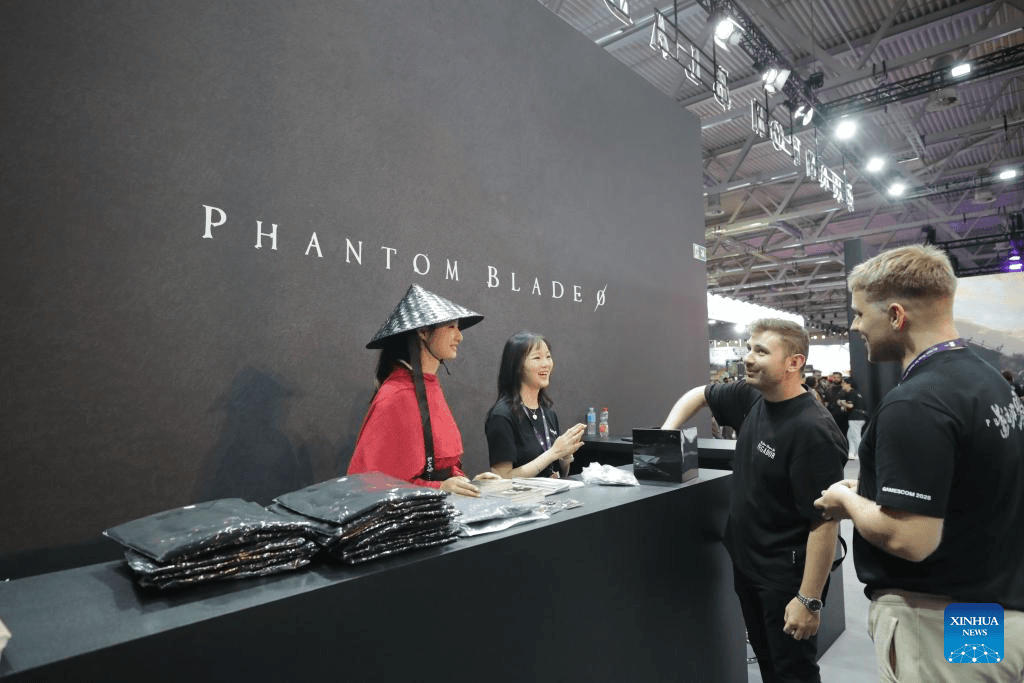
For devs and pros, devcom grew 6% to 5,400 participants — small in the grand picture, but meaningful. It’s where deals get sketched on napkins and where toolmakers translate buzzwords into production plans. That ecosystem makes the consumer show better a year later. The city-wide energy helps too: the Gamescom City Festival drew about 80,000 people into Cologne’s center, turning the show into a cultural moment rather than a convention center echo chamber.
The congress track leaned into “Wellbeing and Games,” “Next-Level Immersion,” and “Responsibility and Games,” with speakers like Celia Hodent and David Helgason pushing thoughtful conversations about UX, ethics, and tech’s societal role. That’s great — gaming needs these rooms. The show also touted “gamescom cares” and “gamescom goes green.” I’m glad the initiatives exist, but let’s measure impact honestly: 357,000 people flying and training into Cologne is a carbon-heavy party. If organizers can make vendor logistics greener, cut waste, and nudge booth designs toward reusables, that’s meaningful progress. Until then, it’s a start, not a victory lap.
Gerald Böse, Koelnmesse’s CEO, says Gamescom “combines business and entertainment like no other event in the world.” He’s not wrong, but the balance matters. If ONL becomes a wall of CG trailers with 2027 dates, the floor has to deliver honest, playable slices right now. The good news: this year’s international spread suggests a healthier mix — fewer copycat service games, more variety in genre and scope. That’s where real momentum starts.

We’ll be sharing hands-on impressions from the show floor and Find Your Next Game (FYNG) shortly. The goal is simple: cut through the trailers and tell you what actually felt good to play.
Gamescom 2025 is bigger, louder, and more global — a true anchor for gaming in a post-E3 world. Don’t get hypnotized by the “630 million views” headline; judge the show by playable demos and developer momentum. If Cologne keeps the focus on hands-on games and meaningful industry conversations, these record numbers will matter for players, not just press releases.
Get access to exclusive strategies, hidden tips, and pro-level insights that we don't share publicly.
Ultimate Gaming Strategy Guide + Weekly Pro Tips