
GDC 2026: platform politics, a planet‑sized tentpole, and a hardware pinch
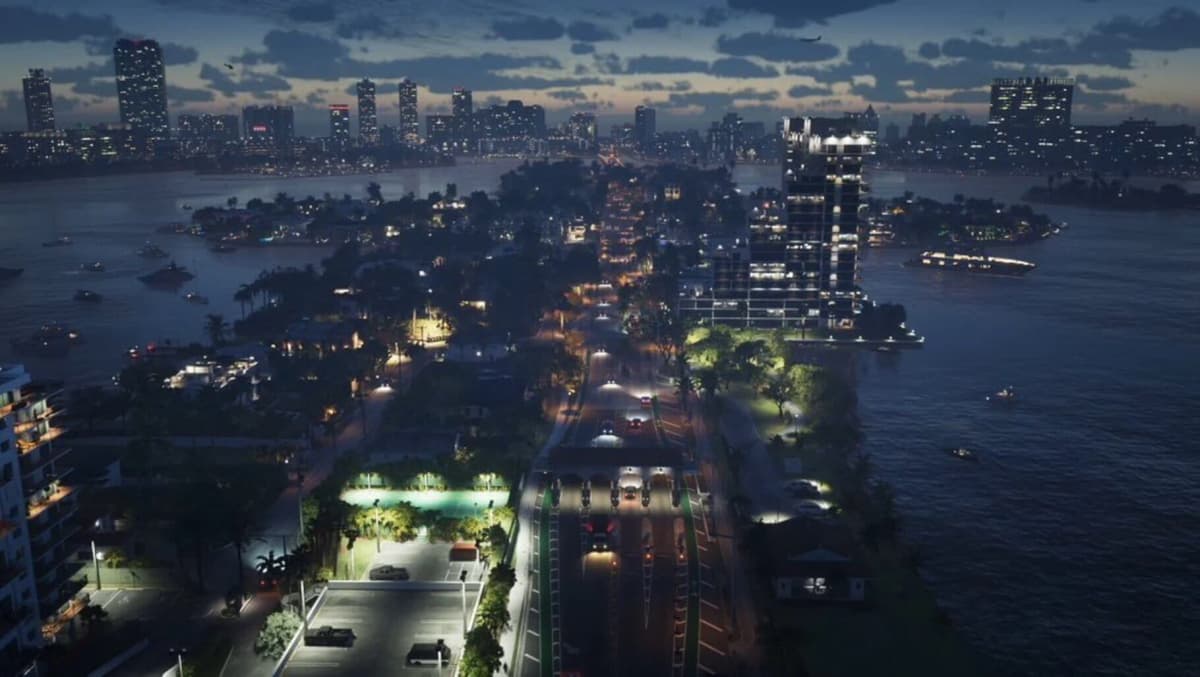
GDC 2026 won’t feel like a typical conference week. With Steam Next Fest ending days before panels begin and Grand Theft Auto 6 fixed to a Nov. 19, 2026 launch window, the showfloor conversations are already tidal – not trickles. Expect talks to orbit three real pressures shaping development now: platform momentum (Switch 2 and PC), the gravitational pull of GTA 6, and supply‑side limits – namely RAM and HDD shortages – that are forcing studios to make technical and design tradeoffs they hoped they’d never need.
Table of Contents (8)
Key takeaways
- GTA 6 isn’t just a release date; it’s a planning event. PS Store identifiers and platform glitches suggest preorder activity and testing are ramping up. (Vandal, GamePro)
- Rockstar is reportedly planting fake leaks to catch leakers — a sign of how paranoid studios are about information control ahead of a megalaunch. (JeuxVideo)
- Generative AI will be hotly debated at GDC — widely used, widely mistrusted, and already changing toolchains. (Steam News)
- RAM and HDD shortages are an operational headache: expect optimization panels and frank vendor conversations, not just tech chest‑puffing. (GamesRadar+/Steam News)
GTA 6 is already reshaping calendars — and panic rooms
Rockstar’s Nov. 19, 2026 window turned “sometime next year” into a fixed point organisers and publishers can plan around. That’s crucial: analysts predict blockbuster revenue measured in billions in year one, and everyone wants to avoid launching opposite that magnitude of attention. But the game’s influence goes deeper than scheduling.
Insider signals are multiplying. PlayStation’s backend reportedly now includes two internal title IDs for GTA 6 — an oddity noted by PlayStation Game Size and reported by Vandal — which often precedes store listings and preorders. Meanwhile, a PlayStation/Xbox glitch is already letting players fake “Recently Played” entries for GTA 6, a cheeky symptom of the backend activity bubbling under the surface (GamePro).
Then there’s the secrecy escalation. Reports say Rockstar has been seeding deliberate false information to identify internal leakers — a so‑called canary trap (JeuxVideo). That’s dramatic, and it signals two things: the studio expects more attempts at information theft, and it’s willing to weaponize trust to stop them. If true, it’s the kind of internal tension that bleeds into QA, PR cadence, and even publisher relationships.

Hardware shortages are turning optimization from option to mandate
RAM prices and HDD availability aren’t abstract market stories anymore; they’re design constraints. Multiple outlets have highlighted that shortages pushed studios like Larian to prioritize optimization, and even Valve has delayed hardware launches because of component scarcity (GamesRadar+/Steam News). That changes how games are built: higher memory budgets get trimmed, texture and streaming pipelines get rethought, and sometimes features are cut to keep minimum spec accessible.
This is important because it reframes “technical debt.” Optimization is no longer a post‑release polishing act for many teams — it’s a launch requirement. At GDC expect panels about aggressive streaming, memory budget techniques, and cross‑platform compromises that were previously academic but are now business critical.

AI: tool, threat, or moral quagmire?
Generative AI is here, but it hasn’t become tidy. Steam News and other previews suggest GDC discussions will split between pragmatic case studies and ethical backlashes. One in three professionals admit using generative AI, yet a majority worry about its net effect on the industry. Expect heated, technical sessions on where AI saves time (procedural dialogue, asset iteration) and where it offloads ethical responsibility (copyright, labor displacement, carbon cost).
Platform pressure: Switch 2 and the PC ecosystem
Nintendo’s Switch 2 is less a rumor and more a test lab for performance tradeoffs. Some AAA ports landed well; others struggled. Developers will use GDC to argue whether investing in a Switch 2 build is worthwhile or a drain on resources, especially while RAM/HDD inflation bites. On PC, Steam Next Fest’s timing guarantees a carryover of discoverability chat — Valve’s handhelds and the Steam Machine push remain an active part of platform strategy conversations.
The question I’d ask Rockstar (and the room will too)
If you’re planting fake leaks, what’s your threshold for collateral harm — and how do you protect employees and contractors from false suspicion? That’s the uncomfortable bit PR won’t want to discuss, but it matters: mistrust inside a studio is as damaging as external leaks.
What to watch during and after GDC
- March 9-13, 2026: GDC panels on AI ethics, optimization pipelines, and cross‑platform performance — attendance and tone will show whether the industry leans into or resists AI tooling.
- Days before GDC: Steam Next Fest wrap — note which indie hits get amplified into GDC conversations about discoverability on PC.
- Immediate: PS Store title IDs and any Rockstar store pages — a formal preorder or trailer drop will confirm a marketing ramp. (Vandal)
- Watch component price indexes and Valve hardware statements for concrete evidence that shortages are abating or worsening.
TL;DR
GDC 2026 will be less about new hardware reveals and more about managing pressures: a tentpole the size of GTA 6, a messy AI adoption curve, and real supply constraints forcing optimization. If you care how the next few years of games will be built, listen to the optimization and platform talks — they’ll tell you more about what’s shipping than any glossy trailer.
FinalBoss // Gear
Level up your setup
01Top-rated gaming headsetson Amazon→02High-refresh gaming monitorson Amazon→03Gaming chairson Amazon→04Discounted game keyson Kinguin→Affiliate links · As an Amazon Associate, FinalBoss earns from qualifying purchases.
Want to Level Up Your Gaming?
Get access to exclusive strategies, hidden tips, and pro-level insights that we don't share publicly.
Ultimate Gaming Strategy Guide + Weekly Pro Tips