
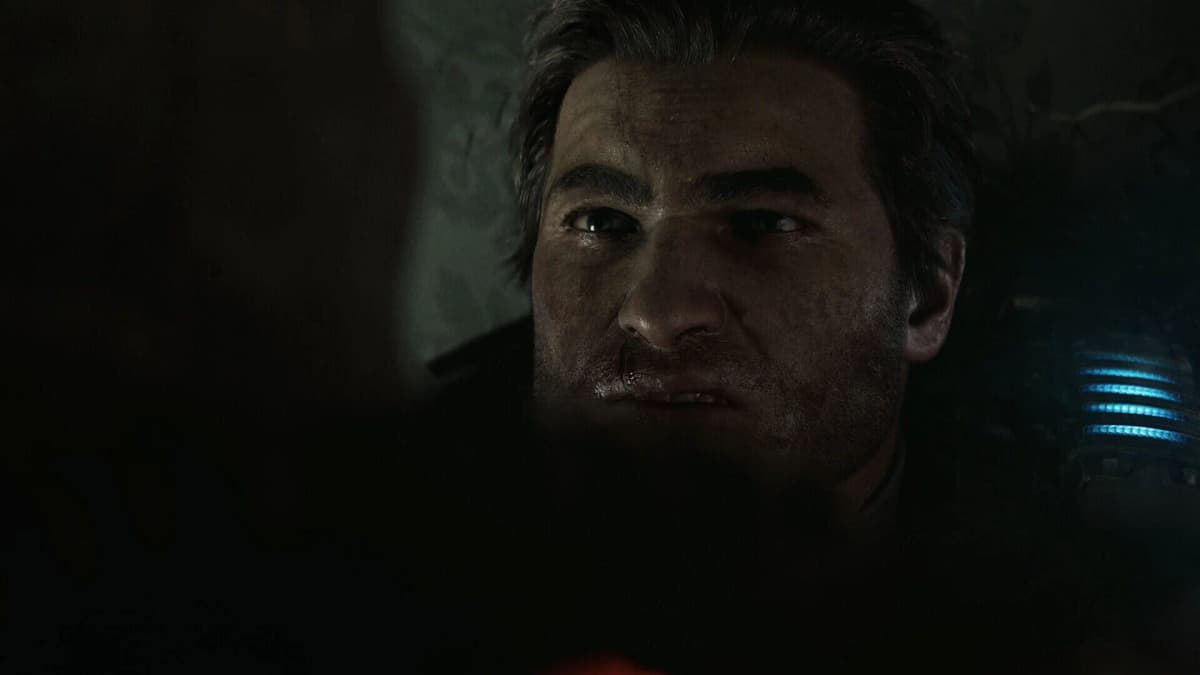
The Coalition has given me two sharply different reactions to Gears of War: E-Day‘s progression pitch. “No battle pass” is the right call, full stop. A weekly cap on match-earned Coins is the detail that stops me from celebrating too early.
The studio says nearly every customization item can be earned through play, using challenges, achievements, the Classic Medal System, and Coins earned from matches and leveling. It has also ruled out pay-to-win and Tour of Duty-style progression. That is a far better starting point than asking people to buy a premium track, then treating their free time like a deadline they have failed to meet.
But “nearly every” carries a lot of weight. So does “weekly cap.” Those are the two phrases that will determine whether E-Day brings back the satisfying old Gears rhythm of playing matches and earning cool stuff, or whether it quietly turns every reward into a waiting game with a shop sitting beside it.
Table of Contents (6)
No battle pass is a real win, and players should say so
I am exhausted by battle passes turning multiplayer games into part-time jobs. The worst versions do not reward enthusiasm; they punish players for having a week where life gets busy. You buy access to a reward track, watch a timer tick down, and suddenly playing for fun feels irresponsible because you have “progress” to finish.
E-Day is promising something much healthier on paper. Play matches. Complete medals. Finish challenges. Earn customization. Build up a collection because you played the game, rather than because you bought a season ticket and arranged your evenings around an expiration date.
That pitch fits Gears particularly well. Versus is built around hard-edged 4v4 fights where every player begins with the same equipment. The meaningful advantage comes from grabbing power weapons placed around the map, controlling sightlines, moving with your team, and knowing when to push. That structure gives “no pay-to-win” real substance. If a player wins because they controlled the map better, that is Gears. If they win because they bought a better loadout, the whole competitive foundation collapses.
The Coalition deserves credit for keeping that line clean. It is refusing the most poisonous version of modern multiplayer commerce: selling power while pretending the game remains fair. Cosmetic spending and competitive integrity can coexist. The trouble starts when cosmetics are technically earnable but practically kept behind a slow, artificial drip feed.
The weekly Coin cap is the part that deserves scrutiny
A cap on match-earned Coins changes the meaning of “earn through play.” Without a cap, a player who has a free weekend can put in extra matches and make visible progress toward a reward they want. With a cap, the studio decides when that player has earned enough for the week, regardless of whether they are still enjoying the game and willing to keep playing.
That can be reasonable. A weekly limit does not automatically make an economy predatory. If a regular player can earn enough Coins in a sensible amount of time to buy meaningful customization, the cap may simply keep rewards paced across a season. The problem is that E-Day has not yet given players the numbers that matter: Coins per hour, the weekly maximum, and premium-shop prices.
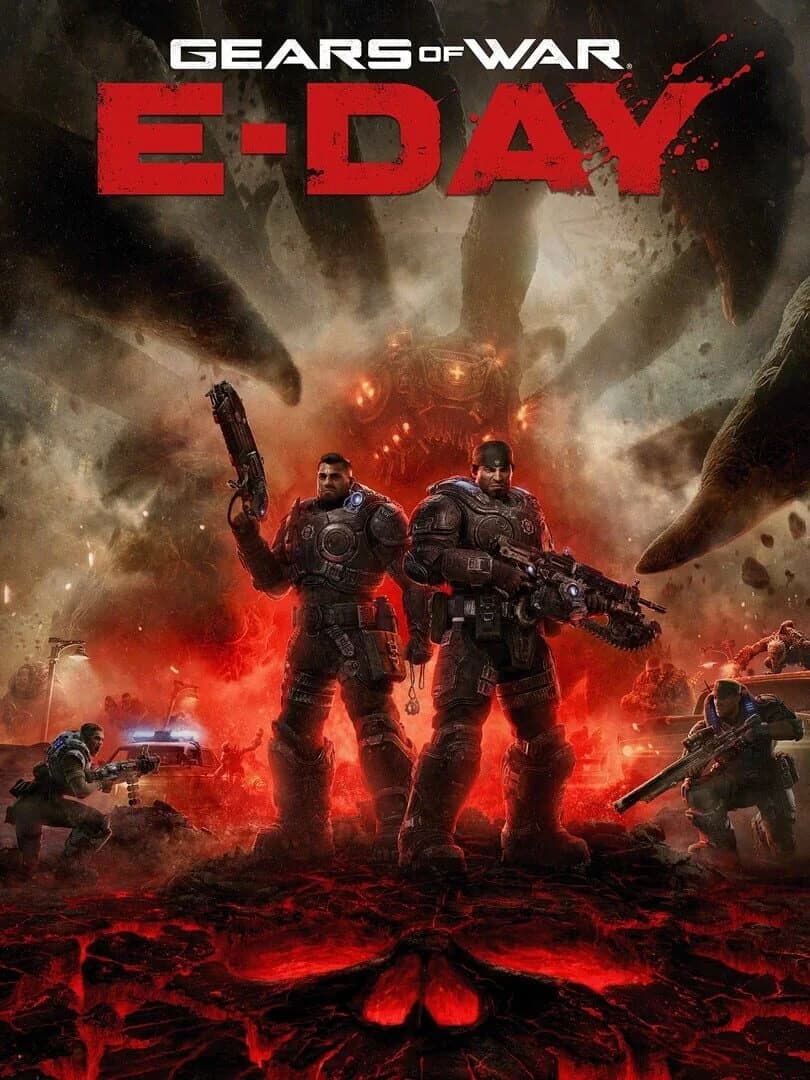
Until those numbers are visible, “almost everything is earnable” remains a promise with an asterisk. One top-tier skin priced at several weeks of capped earnings would make the whole system feel stingy. A desirable item priced around a normal week of active play would feel far more honest. The difference is not academic. It is the difference between a reward loop and a frustration loop designed to make the purchase button look efficient.
That is the uncomfortable heart of pay-to-speed. The game does not sell power, so it gets to claim the moral high ground. Instead, it sells relief from waiting, repetitive challenges, rotating shop windows, or a Coin ceiling that refuses to move no matter how much time a player has available. Fair matches are essential, but fairness alone does not make a progression economy generous.
Horde Siege makes the time question impossible to ignore
E-Day’s new Horde Siege format makes this more complicated because it sounds built for long sessions. Three squads of four fight simultaneously on the same map, bringing the total to 12 players. During a mission, teams collect Energy and spend it at supply caches on equipment and upgrades such as perks and turrets. That Energy is an in-match resource, separate from the Coins used for broader customization, and players should keep those two economies separate when judging the game.
Horde Siege also comes in three distinct commitment levels. That is great for finding a session that fits a night of play. It also means the Coin economy needs to respect wildly different time investments rather than rewarding only the longest possible grind.
| Horde Siege mission type | Expected duration | What it means for progression |
|---|---|---|
| Blitz | 15-20 minutes | A short-session option that should still feel worthwhile. |
| Siege | 20-40 minutes | The likely baseline for a typical co-op session. |
| Horde | Up to 10 waves, around 1 hour | A major time commitment that cannot feel economically empty. |
If a one-hour Horde run produces barely more meaningful progress than a handful of short matches, players will notice. If challenges force people out of the mode they genuinely want to play, they will notice that too. Gears works when it respects the immediate pleasure of a good fight, a desperate revive, a clutch power-weapon grab, or a squad barely surviving a wave. Progression should reinforce that feeling, not turn every mode into a checklist delivery system.
“Nearly every item” leaves room for the expensive stuff
The premium shop is where E-Day’s friendly language will meet reality. I do not object to a cosmetic store existing in a game that is also funding ongoing multiplayer support. I object when the store gets the exciting designs, the recognizable looks, the best animations, or the most socially visible items while the earnable catalogue becomes a warehouse of leftovers.
The phrase “nearly every single item” suggests there will be exceptions, and exceptions are rarely random. The likely pressure points are premium cosmetic tiers, limited bundles, and any future licensed content. Those are the items players tend to want immediately because they are distinctive, scarce, or designed to stand out in a lobby. If those rewards can only be bought, then E-Day may still have honest play-based progression while reserving its cultural center for people willing to spend extra.
That is why I refuse to treat “cosmetics only” as a conversation-ending defense. Cosmetics are how players express taste, allegiance, humor, status, and history in a multiplayer game. They do not decide who wins a round, but they absolutely affect whether someone feels included in the collection chase the game is built around.
Seasonal challenges can recreate battle-pass pressure
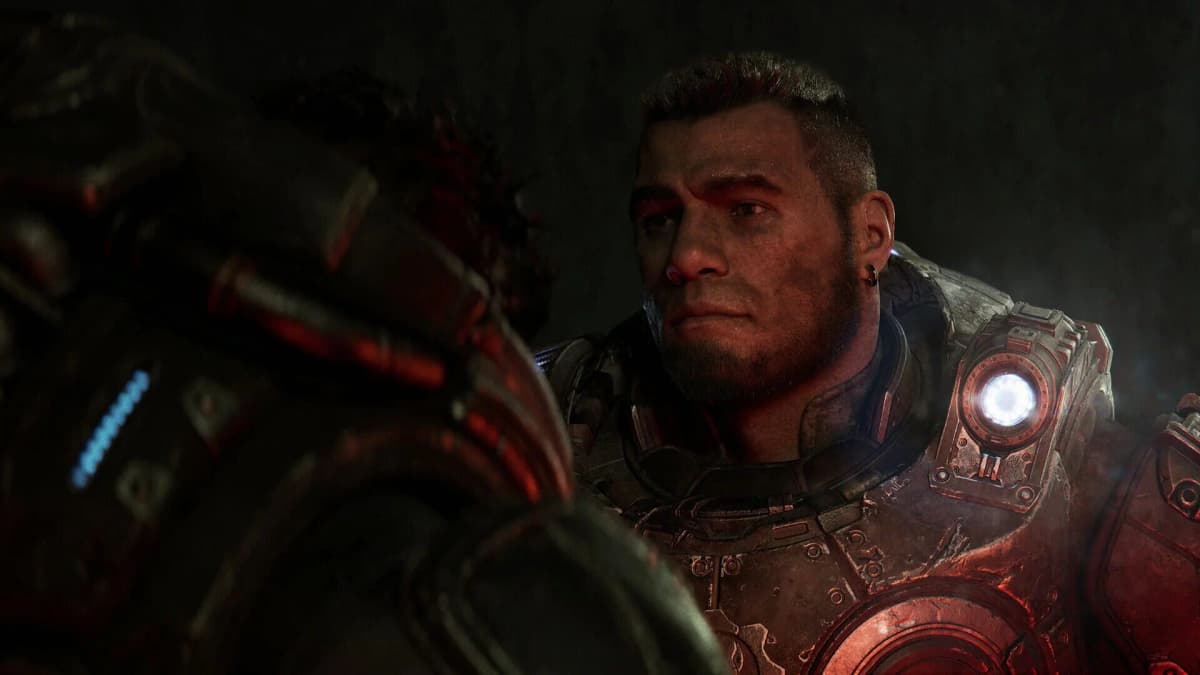
The Coalition has said customization can come from seasonal and event challenges. That can be excellent. Proper events give a multiplayer game texture, reasons to return, and goals beyond the same nightly playlist. The catch is obvious: events become battle passes in disguise when the windows are too narrow and the rewards disappear for months.
A player should be able to miss an event without feeling like their collection now has a permanent hole in it. Challenges should stack naturally across normal play instead of demanding specific modes, weapons, or behaviors that sabotage a team’s chances. A challenge that rewards ordinary Gears play is a bonus. A challenge that forces someone to abandon their squad’s needs for a personal objective is design that confuses activity with engagement.
This is where the battle-pass victory can become strangely hollow. E-Day may remove the formal pass, then recreate the same pressure through rotating rewards, narrow event windows, weekly caps, and premium cosmetics that arrive before a player has saved enough Coins. The calendar still controls the player; it merely does so without calling itself a battle pass.
The August beta needs to reveal the economy, not only the gunplay
The August 6-10 early-access beta, available through pre-order or Game Pass Ultimate and PC Game Pass, and the worldwide open beta running August 13–17 will give players their first serious chance to examine how this philosophy feels in practice. The shooting, map control, Horde Siege teamwork, and Versus pacing matter enormously. So does the reward screen that appears after the match ends.
These are the details that will separate a player-first progression model from a carefully worded storefront model:
- Coin pace: Regular matches need to provide a visible, understandable path toward worthwhile customization.
- Cap-to-price ratio: The weekly Coin ceiling means little by itself; its value depends entirely on what a premium cosmetic costs.
- Challenge stacking: Multiple goals should progress in the same session without forcing players to hop modes or play against their team’s interests.
- Event accessibility: Limited-time rewards need reasonable completion windows and a clear path for players who cannot be online every week.
- Shop quality: Earnable rewards must feel desirable beside paid items, rather than existing as consolation prizes for people who refuse to spend.
I want E-Day to succeed at this because the basic proposition is refreshing. A Gears multiplayer game where Versus remains mechanically fair, Horde Siege supports 12-player chaos, and customization comes primarily from actually playing sounds like a correction this genre desperately needs. The Coalition is saying the right things with unusual force.
Still, the weekly Coin cap sits there like a warning light. It could be a harmless limit inside a genuinely generous system. It could also be the invisible clock that replaces the battle pass: a slower, quieter form of pressure that tells players when they are allowed to make progress. Whether E-Day has truly escaped battle-pass design, or merely relocated its timer into the currency economy, is the tension that will define its multiplayer long after the launch excitement fades.
FinalBoss // Gear
Level up your setup
01Best-selling Xbox Series X|S gameson Amazon→02Xbox controllerson Amazon→03Top-rated gaming headsetson Amazon→04Discounted game keyson Kinguin→
Affiliate links · As an Amazon Associate, FinalBoss earns from qualifying purchases.
Want to Level Up Your Gaming?
Get access to exclusive strategies, hidden tips, and pro-level insights that we don't share publicly.
Ultimate Gaming Strategy Guide + Weekly Pro Tips