
The prequel is the weakest part of this prequel. Marcus Fenix and Dom Santiago supply the emotional anchor, but the story around them struggles to justify the journey backward. Combat gives me a much stronger reason to care.
Table of Contents (4)
Better movement makes the shooting matter more
E-Day’s strongest work happens between cover positions: heavy shooting, close-range pressure and movement that gives you more ways to attack or escape. The appeal is the tension between protecting yourself and finding an opening. That’s the part of this game I would buy it for.
Running is mapped to L3, climbing has a dedicated button, and jumping and sliding expand the movement toolkit. Those changes make traversal more flexible without sacrificing the importance of positioning. Cover remains useful; committing to one position for too long becomes the problem.
Hardcore punishes staying behind the same cover, so repositioning becomes essential. Choose that difficulty if you want the movement changes to become a tactical obligation. Use climbing and jumping to keep changing your approach rather than treating the first defensible position as your destination.
The Lancer’s chainsaw attachment remains part of the arsenal, while weapons such as the Incinerator add variety. Weapon and armor mod slots give you another way to tune combat. Yellow hard cases hidden in the world contain weapon mods, and optional secondary objectives in Colona also award them.
Available upgrades include reduced recoil, improved scopes and faster chainsaw revving. I like upgrades that address an identifiable weapon behavior. If recoil is spoiling your aim, seek out the hard cases and secondary objectives rather than overlooking the mod system.
The campaign needs a sharper reason to go backward
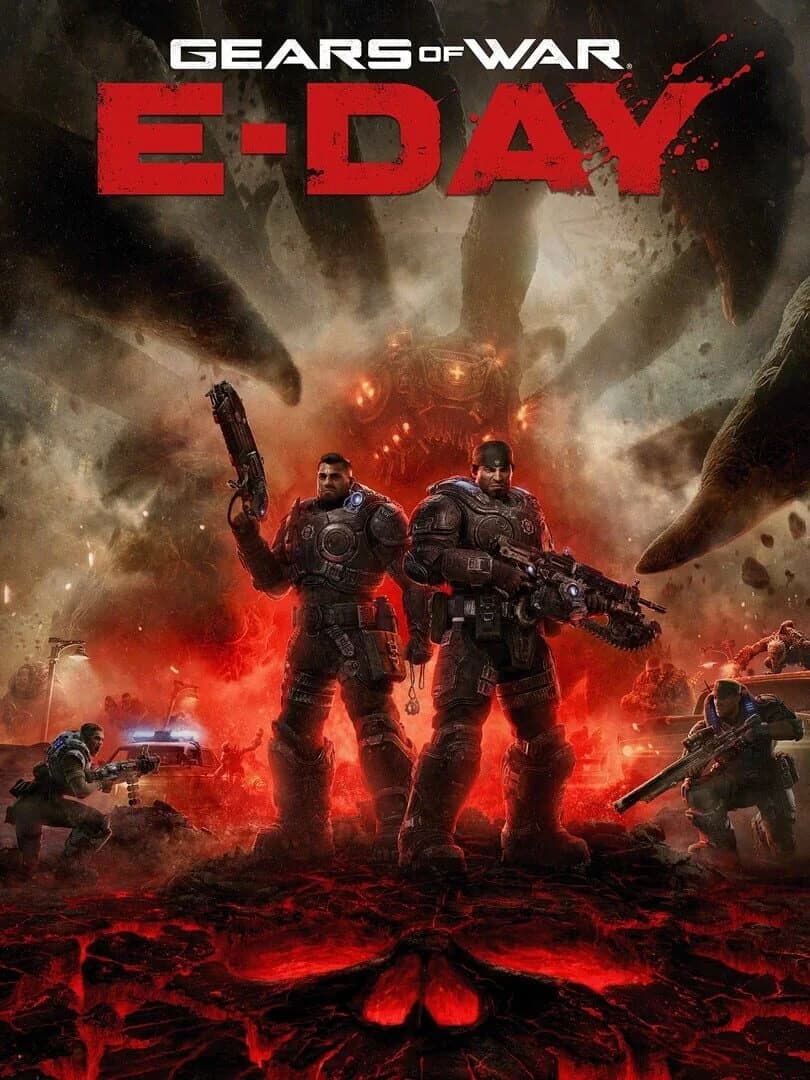
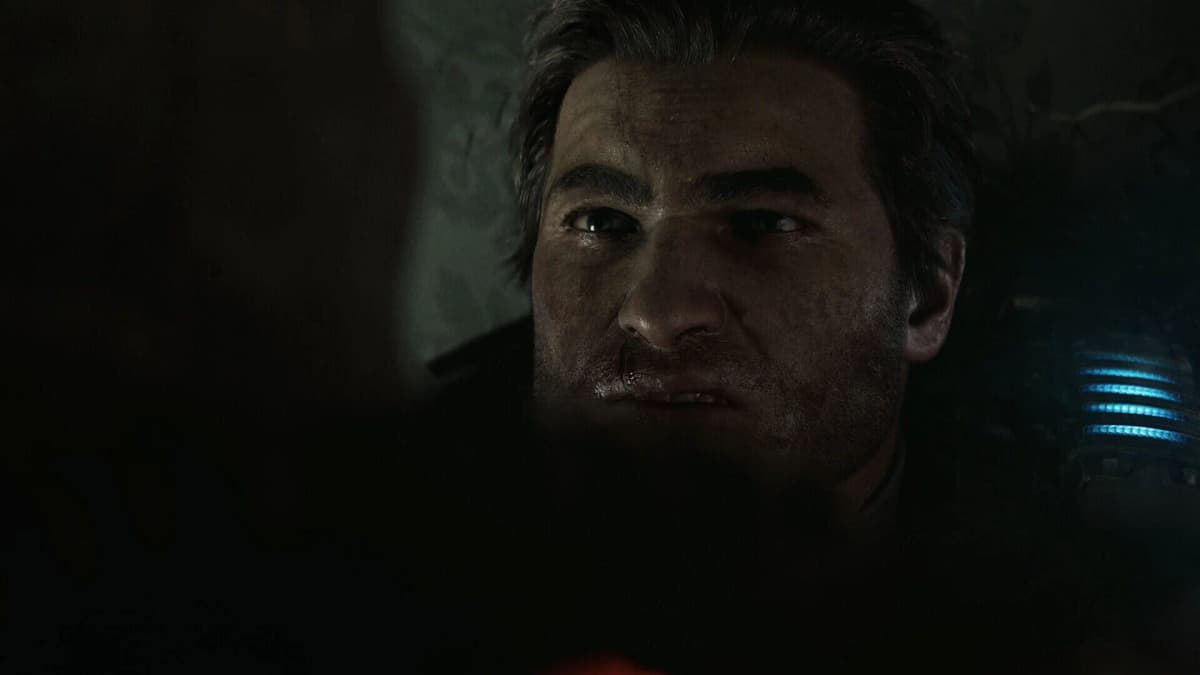
E-Day takes place 14 years before the original Gears of War, in Colona on the planet Sera. Emergence Day marks the Locust Horde’s attack on human forces, with Marcus and Dom at the center of the story. That setup deserves urgency, and their relationship gives it a human foundation.
The campaign combines linear structure with more open mission areas. I welcome the room that gives exploration and optional objectives, but the story doesn’t sustain the same interest as the combat. Sluggish stretches and repeated combat beats make the campaign feel longer than its dramatic material warrants.
Bad checkpoint placement can force you to replay sections after failure. That is especially irritating in a campaign already vulnerable to repetition: a demanding fight should make another attempt appealing, rather than make the restart feel like wasted progress.
My recommendation for campaign-only players is qualified. Enjoying the weapons and movement is enough to make the journey worthwhile. Buying primarily for an essential new chapter in Marcus and Dom’s history is a harder proposition.
Horde Siege earns the enthusiasm; Versus demands caution
Horde Siege supports up to 12 players, divided into three squads of four, with each squad choosing its own difficulty. That is the most persuasive expansion of E-Day’s combat. Smaller squad responsibilities give the larger battlefield a structure beyond simply adding more bodies.
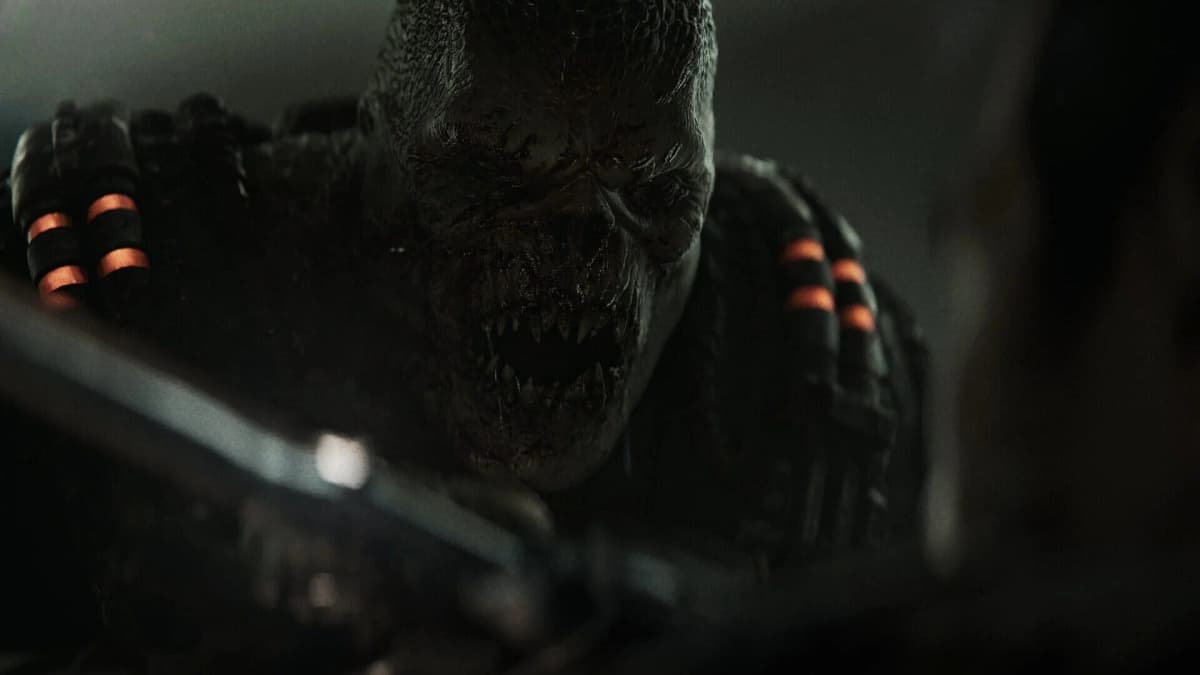
Players choose a class before deployment, then spend energy drops on weapons, ammunition, defensive installations and squad upgrades. Its maps come from the campaign’s open areas, with optional objectives and Locust surges that can include Corpser and Brumak. I prefer this use of the larger spaces: cooperative defense gives their scale a clearer purpose.
The confusing UI and convoluted onboarding make that larger structure harder to understand than it should be. A mode built around squads, classes, objectives and spending needs clear explanations. Horde Siege makes players work too hard to reach the part that deserves their attention.
Horde Siege changes the familiar four-player survival structure substantially. If Classic Horde is your main reason to buy, judge this new format on its actual squad-and-objective design. Familiar branding alone isn’t a good reason to expect the same experience.
Versus has strong underlying mechanics, but advanced wall-bouncing preserves a steep advantage for experienced players. Balance problems add another obstacle for casual competitors. Extra movement options do little to soften that gap when the opposition knows how to exploit them.
Dedicated competitive Gears players have a reason to engage with that depth. For someone seeking approachable, occasional PvP, I would skip E-Day as a Versus-first purchase. Horde Siege makes the stronger multiplayer buying argument.
Strong presentation, with technical friction
The Coalition’s game is available on PC and Xbox Series X|S. PC visuals are a major strength, giving the combat an impressive presentation. The visual appeal reinforces the quality of the fighting, even when the campaign’s momentum falters.
Xbox Series X has performance hitches. Occasional revive and AI problems also interrupt the action. These belong alongside the checkpoint and interface complaints: E-Day has excellent foundations, but too many interruptions around them.
FinalBoss // Gear
Level up your setup
01Best-selling Xbox Series X|S gameson Amazon→02Xbox controllerson Amazon→03Top-rated gaming headsetson Amazon→04Discounted game keyson Kinguin→Affiliate links · As an Amazon Associate, FinalBoss earns from qualifying purchases.
Want to Level Up Your Gaming?
Get access to exclusive strategies, hidden tips, and pro-level insights that we don't share publicly.
Ultimate Reviews Strategy Guide + Weekly Pro Tips