
This caught my attention because George R.R. Martin isn’t just the Game of Thrones guy-he’s also the lore architect who helped FromSoftware set the mythic tone of Elden Ring. Now he’s aggressively challenging how AI models are trained, and a federal judge has allowed his lawsuit against Microsoft and OpenAI to move forward. If that sounds like a publishing story, it’s bigger. The outcome could shape how studios, modders, and even players are allowed to use AI across games for years.
The short version: a federal judge has allowed Martin and a group of authors to pursue claims against Microsoft and OpenAI over alleged unauthorized training on their books. As part of their argument, Martin’s team reportedly asked ChatGPT to draft a detailed sequel outline that diverged from A Storm of Swords. The model responded with an original outline—titled “A Dance with Shadows”—complete with new Targaryen intrigue. The authors say that’s proof the model was trained on his work without permission. The judge indicated that a “reasonable jury” could find this violates copyright protections. Translation: discovery and a real fight are on the table.
This isn’t an isolated flare-up. Other creators like Michael Chabon, Ta-Nehisi Coates, Jia Tolentino, and Sarah Silverman are in the mix, and the publishing industry is slowly aligning behind the idea that training on entire catalogs isn’t “fair inspiration”—it’s unlicensed use. If a court agrees, the AI playbook many tech companies rely on will need a rewrite.
AI isn’t theoretical in games anymore. Ubisoft has experimented with tools to draft NPC banter. Nvidia keeps demoing LLM-powered NPCs. Engine makers are weaving AI-assisted code and asset tools into the pipeline. Even platform holders have flirted with built-in copilots and content filters. If the legal system decides training requires permission—or paid licenses—those tools don’t just get pricier. They may need to be rebuilt with clean data, audited datasets, or heavy opt-in restrictions. That means delays, budgets, and a lot of lawyers in the room where writers and quest designers used to be.
There’s also the voice acting angle. Unions have been fighting to keep synthetic voices from replacing performers without consent or compensation. If Martin’s case sets a precedent that unlicensed training is off-limits, expect that logic to bolster protections for voice libraries, motion-capture data, and performance scans. As someone who watched Elden Ring’s world come alive through voice and writing nuance, I’m all for tech helping devs—but not at the cost of gutting the people who make these worlds feel human.

Fans have always written fiction, drawn fan art, and modded worlds—often celebrated by devs. The difference here is scale and substitution. An LLM that can churn out Martin-flavored chapters or questlines at industrial speed isn’t just “inspired by” a style; it risks becoming a market replacement for the writer whose work trained it. That’s the crux. If the court says training on protected works without consent is fine, get ready for an avalanche of derivative content inside and around games. If the court says it isn’t, we move toward licensing frameworks—think music sampling, but for text, art, and performance.
Either outcome reshapes pipelines. A fair-use win accelerates AI adoption in studios and mod tools. A licensing mandate slows things down but professionalizes them: vetted datasets, credits, and checks that keep creators in the loop. Personally, I’d take slower tools with real consent over a flood of soulless content.
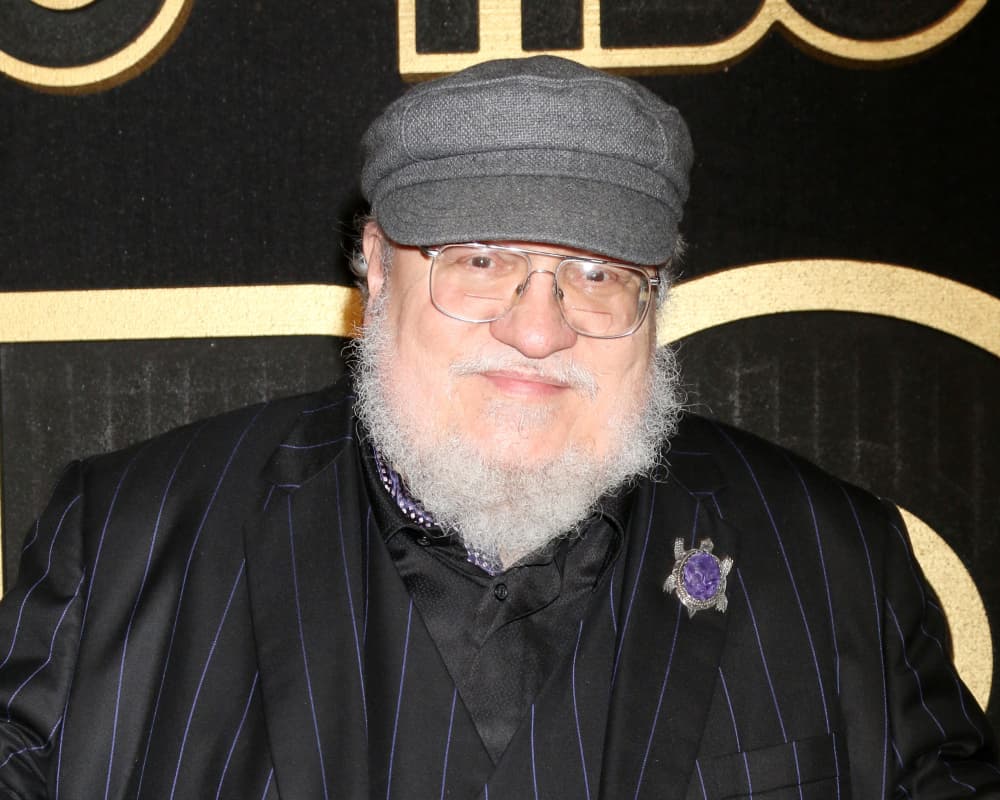
I’m not anti-AI. I’m anti-shortcut that treats the people who built our favorite worlds as free fuel. Martin entering the ring isn’t just a celebrity tantrum; it’s a line in the sand. And given Microsoft’s deep roots in gaming, the fallout from this case won’t stop at publishing. It’ll ripple through the tools we use to make and play games.
George R.R. Martin’s lawsuit against Microsoft and OpenAI just cleared a key hurdle, and the evidence—a ChatGPT-generated “sequel” outline—puts training data in the crosshairs. However it ends, the ruling could reshape AI use in game writing, NPCs, voice work, and mod tools. Gamers should care, because this is where the future of our worlds gets negotiated.
Get access to exclusive strategies, hidden tips, and pro-level insights that we don't share publicly.
Ultimate Gaming Strategy Guide + Weekly Pro Tips