
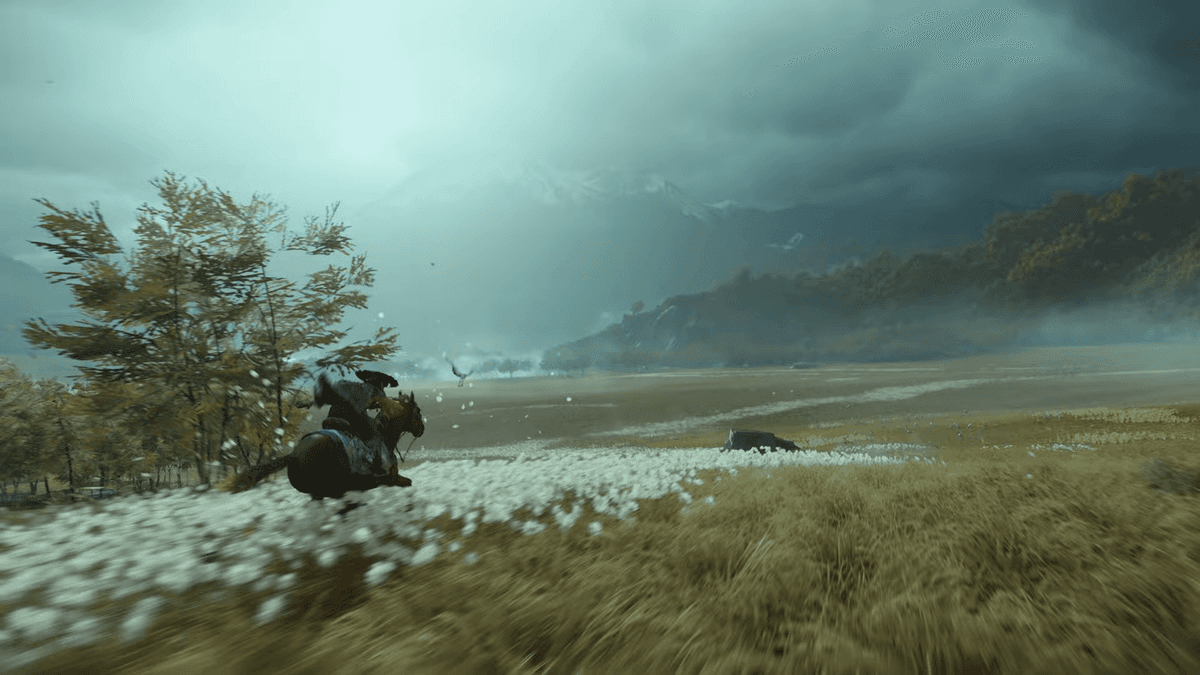
Ghost of Yōtei: Can Sucker Punch Rekindle Tsushima’s Magic?
Ghost of Yōtei follows the colossal footsteps of Ghost of Tsushima, landing on PS5 October 2, 2025 (pre-orders live now). As a fan who poured over 120 hours into mastering every parry, perfecting every photo-mode shot, and chasing every hidden record, I’m cautiously optimistic. Too many sequels chase spectacle and forget soul. Here’s what Sucker Punch must nail to win me—and other devoted players—over for hundreds more hours.
Setting the Stage
Ghost of Tsushima redefined open-world combat and immersion on PS4. I earned that platinum trophy, hoarded every katana and armor set, and stalked enemies until my heart pounded with each stealth kill. Now Ghost of Yōtei plunges us into haunted Ezo—modern Hokkaido—where vengeful warrior Atsu hunts the notorious Yōtei Six. A darker drama unfolds among snow-draped cedar forests and volcanic slopes. High expectations can crush a sequel as surely as any boss might.
Tsushima’s sweeping vistas and razor-tight parries delivered rushes of adrenaline every time I pressed the trigger. In Yōtei, I expect dynamic camera pans across ghostly mountains while each blade clash vibrates through DualSense triggers. If Sucker Punch captures that tension—with story threads weaving in local Ainu legends—this could be more than a mere visual upgrade; it might feel like a brand-new world.
A Fan’s High Bar
My love for samurai stealth traces back to Kurosawa films and classic ninja adventures, where a single misstep meant death. In Tsushima, I learned to time parry windows within a quarter-second, turning every enemy encounter into a chess match. If Yōtei retains that living-on-a-knife-edge intensity, I’ll pre-order on day one—no questions asked. But if it veers toward button-mash spectacle, the magic vanishes.
I’ve logged well over 120 hours in Tsushima’s world. From scaling Windmill Hill in the rain to chasing the perfect shinkiro at sunset, I’ve felt every snowflake in my DualSense grip. That kind of embodied play is a rare thing—and I want it again. Sucker Punch can’t afford to misstep; their legacy depends on honoring that sweat-and-steel tradition.
Moral Weight and Genuine Choices
Vengeance for its own sake can feel hollow. In Yōtei, true emotional payoff must come from choices that echo throughout the world—shifting alliances, unexpected betrayals, and irreversible outcomes. A mission that lets you spare a bandit leader might rally a small Ainu clan, unlocking a hidden shrine puzzle. Or it might cost you trust when you need it most. No checkbox “mercy” option—instead, real moral costs woven into storytelling.
Imagine negotiating a prisoner exchange with the Yōtei Six’s lieutenant, only to discover the woman you spared sold out her brother to settle a debt. Those dilemmas—where mercy and pragmatism clash—could elevate Yōtei above Tsushima’s more linear revenge plot. If each decision carves a unique path, we’ll feel accountable for every fallen comrade and every broken promise.
Breathing Life into Ezo
Ezo’s snow-blanketed forests and icy mountain passes deserve more than routine fetch missions. Picture wolf packs that hunt you by scent in a sudden blizzard, forcing you to change tack mid-approach. Or Ainu shrines that double as puzzle chambers—shaping ancient runes with environmental clues, where solving a labyrinth seals a spirit’s blessing into your blade. That’s the frontier immersion I crave.
Seasonal weather should impact not just visibility but also gameplay. A whiteout could bar a narrow pass, rerouting you through abandoned fishing villages haunted by Yōtei Six cultists. Discovering a hidden hot spring might restore stamina and deliver whispered clues about secret relics. Give me a world that fights back—and I’ll never treat Ezo like just another map to clear.
Next-Gen Tech: Depth Over Gimmicks
The DualSense controller’s adaptive triggers and haptic feedback can transform your bow’s tension and the crunch of frost underfoot. In Tsushima, a gentle rumble hinted at approaching enemies. In Yōtei, I want the trigger resistance to grow as I draw a bowstring, then snap back sharply upon release. Let each katana sheathe slide send a soft thrum, reinforcing that ritual moment before battle.
Paired with 3D audio, footsteps should echo through cedar groves and cavernous hot springs, alerting you to foes sneaking behind ice-carved pillars. But these innovations must serve the story and world-building, not pad a feature list. Sucker Punch must weave tech into every beat—turning simple sword clashes into visceral, unforgettable moments that echo long after the credits roll.
Want to Level Up Your Gaming?
Get access to exclusive strategies, hidden tips, and pro-level insights that we don't share publicly.
Ultimate Gaming Strategy Guide + Weekly Pro Tips
Combat That Honors Skill
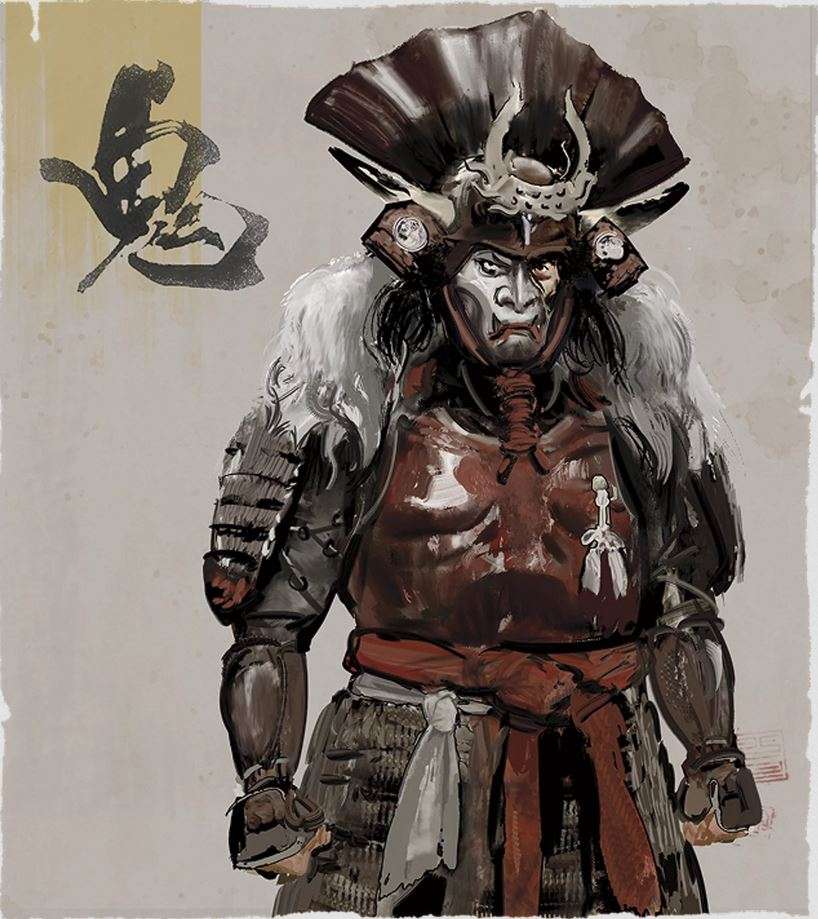
As a fighting-game veteran, I demand more than flurry-friendly “ghost mode” finishers. Each of the feared Yōtei Six bosses should offer unique fighting styles, adaptive AI, and strategic depth. Envision one member wielding a chained kusarigama with unpredictable arcs, forcing you to master distance and timing. Another might summon ice wraiths in phase two, turning frost into lethal projectiles you must deflect with a well-timed parry.
Pattern recognition must meet split-second reactions. Parry windows of around 0.25 seconds, precise dodge rolls with just 0.15-second invincibility frames, and staggered choke points that reward environment kills—these mechanics made Tsushima’s duels sing. Amplify them in Yōtei, wind in your fur cloak, and every victory will feel earned, every defeat a lesson in humility.
World-Building Through Side Quests
Side quests should read like short stories with characters you’ll miss after they end. In Tsushima, I still remember Norio’s fishing lament and Yuna’s haunting ballads. In Yōtei, trust Sucker Punch to craft Ainu-centric tales—like recovering a stolen drum that calms forest spirits or guiding a lonely exiled hunter back to her clan in exchange for crafting upgrades.
Rewards must reinforce narrative, not just grant XP and loot. Earning an elder’s trust might unlock a rare hot-spring ability that temporarily boosts your parry timing. Rescuing villagers from a Yōtei Six ambush could bolster local defenses, making future raids more manageable. When world-building and gameplay intertwine, every quest becomes a thread in the larger tapestry.
The Weight of Your Blade
Upgrading weapons and armor shouldn’t be a rote scavenger hunt. Let me forge a blade imbued with star-metal found only in volcanic craters, its adaptive triggers tightening as heated steam vents through the hilt. Or craft a frost-shatter katana that glimmers bluish when it cleaves ice armor. These details—microscopic cracks in the steel, seasonal oils you smear into an arrow—ground the epic in tangible craft.
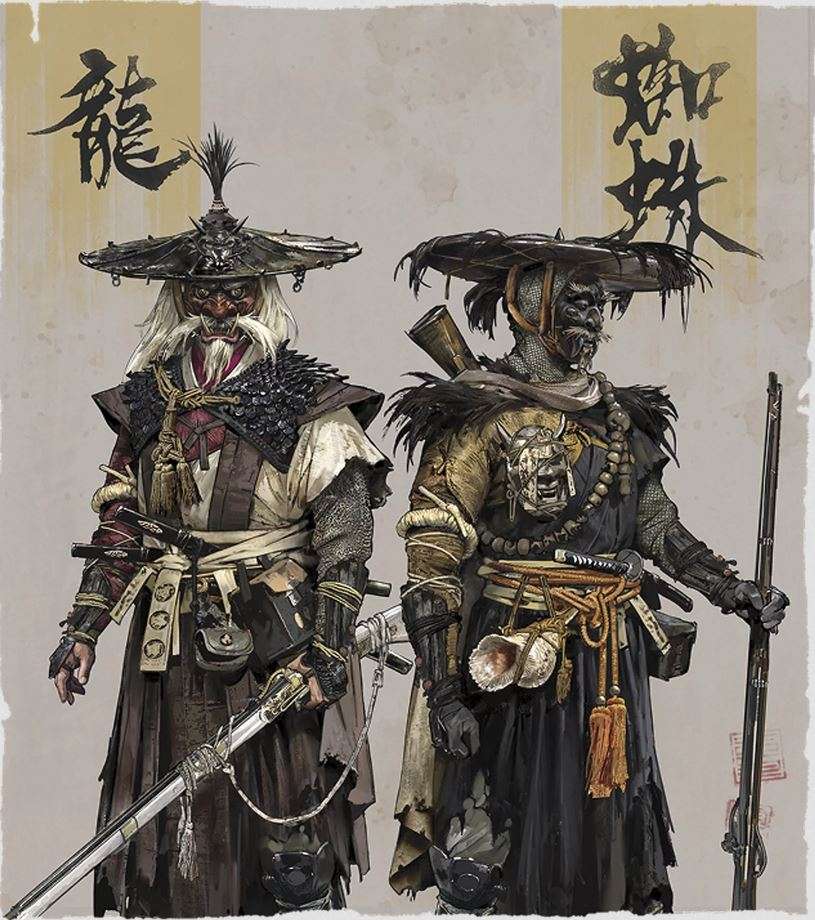
And moral choices should impact gear. Spare a merchant tied to the Yōtei Six, and she rewards you with black-market smithing recipes. Execute him, and the same blueprints vanish forever, burned in retribution. Those risks make each upgrade path a moral journey, ensuring your blade’s weight is as heavy emotionally as it is physically.
Why This Matters
Sequels often chase bigger: more spectacle, grander set pieces, overblown effects. But soul lives in subtle tension—when your heart pounds as you lock eyes with a single cultist in waist-deep snow. When a hidden shrine’s puzzle cracks open, revealing a sliver of forgotten legend. When adaptive triggers sing betrayal through a half-drawn bow.
If Yōtei leans on flash over substance, I’ll walk away. Our passion demands respect. But if Sucker Punch delivers a living, breathing Ezo—haunting moral choices, weather that shifts strategy, combat that honors true skill—I’ll gladly invest hundreds more hours. I’m ready to pre-order the moment I see the world earn its scars.
Conclusion: My Pre-Order Hangs in the Balance
After logging 120+ hours mastering every Tsushima challenge, I know when a world captures my soul. Ghost of Yōtei checks many boxes on paper: PS5 exclusive, October 2, 2025 release, adaptive triggers, 3D audio, and a darker setting steeped in Ainu lore. But paper fades—what matters is lived experience. If Sucker Punch weaves every feature into genuine immersion, my pre-order finger will click without hesitation. Until then, I wait for Yōtei to show it respects our hunger for meaning as much as our thirst for spectacle.