
Table of Contents (9)
Ghost of Yōtei made me rethink how open-worlds should guide you
I walked into Ghost of Yōtei with that “I know this dance” attitude. I adored Ghost of Tsushima, platinumed it twice, and kept a save perched at the start of New Game+ just to slice a straw dummy when life got heavy. But I also felt done with the formula. Another region, another stoic warrior, another map dotted with icons like sesame seeds on a bun. So I went into Yōtei skeptical, fully prepared to bounce if it felt like reheated leftovers. Seventy-two hours later, I’m staring at a pouch full of painted quest cards, a map stitched with my own notes, and a legend meter that turned a rumor into a chill along Ezo’s wind-bitten roads. And yeah, I’m also cursing one collectible I can’t find because the UI refuses to tattle. This game made me want to get lost again—and occasionally made me wish for a breadcrumb or two.
For context: I played on a standard PS5 in Performance mode at Medium difficulty. I split time across two patches (12 hours on 1.003.000, then 60 hours on 1.004.000). I kept the Japanese audio with English subs, motion blur off, film grain low, and the HUD pared back. I finished the main story, crossed off five of the Six of Yōtei before the finale rails you toward the big showdown, and mopped up every questline and point of interest I could sniff out—except one, which still haunts me like Atsu haunts Ezo’s backroads.
First breath: a cold open, a colder vow
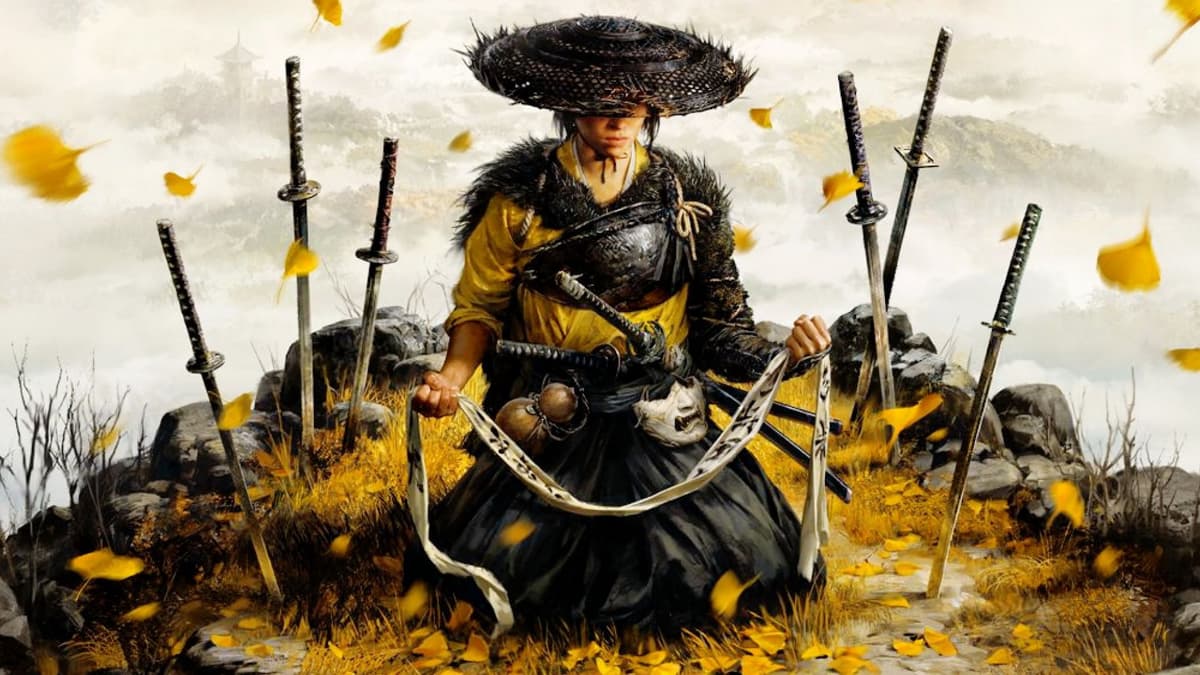
Ghost of Yōtei swaps samurai nobility for something meaner: Atsu, a survivor so consumed by vengeance she might as well be a ghost. The game frames her like an onryō from folklore—people don’t agree whether she’s hope or a curse. The night her family dies under a burning ginkgo is ugly, almost quiet about it, and her promise is literal: names inked along her belt, to be crossed out in blood. It’s melodrama that the game earns because the world believes it, and because Yōtei’s tone keeps you in that slow, brittle winter mood. The mountain sits on the horizon like an audience that never blinks.
What struck me immediately was how Sucker Punch pushes you off the paved road without tripping you. After a short, sharp tutorial across Yōtei’s prairies, the story splits. You aren’t staring at a blinking “Go Here, Finish Act 1” arrow. You get two main lanes to pursue in any order, and while they eventually funnel into a third for the finale, the way you learn about the Six of Yōtei—the Serpent, the Oni, the Kitsune, the Dragon, the Spider, and Lord Saito—depends on how you move. I went Kitsune first, then Serpent, because a rumor at an inn made me curious, and the enemies started muttering about my “fox tricks” before I’d ever met the Oni. It sounds minor, but having NPC chatter reflect the breadcrumb trail I picked up changed how the world felt under my boots.
The card system: tossing the quest log into the snow
The biggest shake-up is the quest card system. There’s no dusty journal tab listing Main/Side in neat rows. Instead, you collect illustrated, color-coded cards for everything from mainline beats (gold) to bounties, myths, and odd jobs. Cards trickle in from people you talk to, clues you overhear, travelers you rescue, even a last breath from a cornered bandit if you threaten and spare him. It feels… tactile. I’d pull up my pouch and fan the cards with the touchpad swipe, filter by type, and choose what story I wanted to live next. It’s not just a UI change; it nudges your brain away from “checklist” and toward “what catches my eye.”
I tried to break it by hoarding. After about 10 hours, I had a stack big enough to wallpaper a teahouse. The game resisted turning into a chore list. I’d meet a fisherman who’d heard the Dragon’s riders passed near the drift-ice coast, so I’d pocket a card with a smudged coastline and a note. Two hours later, after picking off a bounty in the cedar forest (that bounty system is the most “roleplay as a hunter” this series has felt), I stumbled across a traveling storyteller named Ugetsu, who spun a myth about a river that freezes mid-flow. That fed me another card—a challenge dungeon built around lanterns, patience, and a boss that punished greed. The cards pushed me along currents rather than guardrails.
There’s a real trade-off, though. The system is clean and vibesy but loses a chunk of readability. The game tracks your overall completion in a single sub-menu, not per region with neat checkboxes, and it won’t tell you which specific village still hides the one collectible you’re missing. I respect the discipline. Immersion wins. But as a completionist with bad habits, I spent an afternoon circling the same ridge near a torii gate squinting through the spyglass, convinced I’d missed a shrine tucked into an overhang. When I finally found the actual thing I’d missed—an “express” side quest that triggers only if you pass a particular bluff at dusk—the relief came with the quiet thought, “Maybe a tiny toggle for regional breakdowns wouldn’t kill the vibe.”
Exploration rewards your eyes, not your compass
You don’t get the wind-as-GPS from Tsushima. Instead, Ezo trains you to notice smoke threads, prayer ribbons, and the geometry of the land. You have a spyglass from the jump, and using it becomes second nature. Spot a line of torii carving up a hillside? That’s a shrine. A lonely plume of smoke on the tundra? Camp or inn. Scan with the glass and the map marks it. The other half is delightful: you buy or earn fragments of maps—literal torn pieces—that you overlay on your world map to triangulate a location. It’s a cute little puzzle every time. The game will give it up if you stare too long, but most of the time I felt clever without feeling tested.
The best sessions I had were pure drift. One day-night cycle, I left a warm inn with tips about a Spider outpost. I never reached it that night. I hit a roadside ambush, chased a wounded bandit to a lookout, scoped a flickering light across a ravine, found a hidden memorial where Atsu’s memory stabbed through the quiet, and ended up tracking hoof prints under a frosty moon to a bounty’s last campsite. That tangent chain gave me three cards, a new dye pattern for my cloak, and a detail about the Serpent’s shipments that paid off two days later when I burned their stores and heard soldiers mutter about “the ghost igniting the ginkgo’s gold again.” Those are the little cause-and-effect echoes that keep an open world from feeling like a wide supermarket aisle.
Split paths, real variety in regions, and the invisible hand
The story structure’s freedom isn’t a blank check. It’s two main paths that ultimately meet and then a finale corridor. But the variability within that space matters. Each region in Ezo tilts the rules slightly. The coastal stretch with drift ice reduces visibility for everyone; stealth becomes king while combat spacing goes weird because sound carries differently. The larch forests feed you resin you’ll need for specific gear upgrades but starve you of iron for a while, subtly forcing you to pick your fights. The volcanic foothills give you quick traversal lines but punish long standoffs because patrols join in faster. This wasn’t the “same loop, different wallpaper” feeling I feared. It made my Atsu feel like she adapted to her hunt rather than repeated it.
And the way enemies react to your legend—how your earlier choices color guard chatter and bounty hunter behavior—made the loop feel personal. After I dismantled the Kitsune’s tricks ahead of schedule, I started hearing fake rumors planted by their followers, luring me to empty camps. Petty, smart, and a nudge to stay skeptical. When I hit the Serpent second, I noticed fewer poison traps than a friend who tackled him first; she swore they booby-trapped every other chest for her. That kind of subtle shuffle is catnip for the “compare notes with friends” crowd.
Combat: harder edges, colder steel
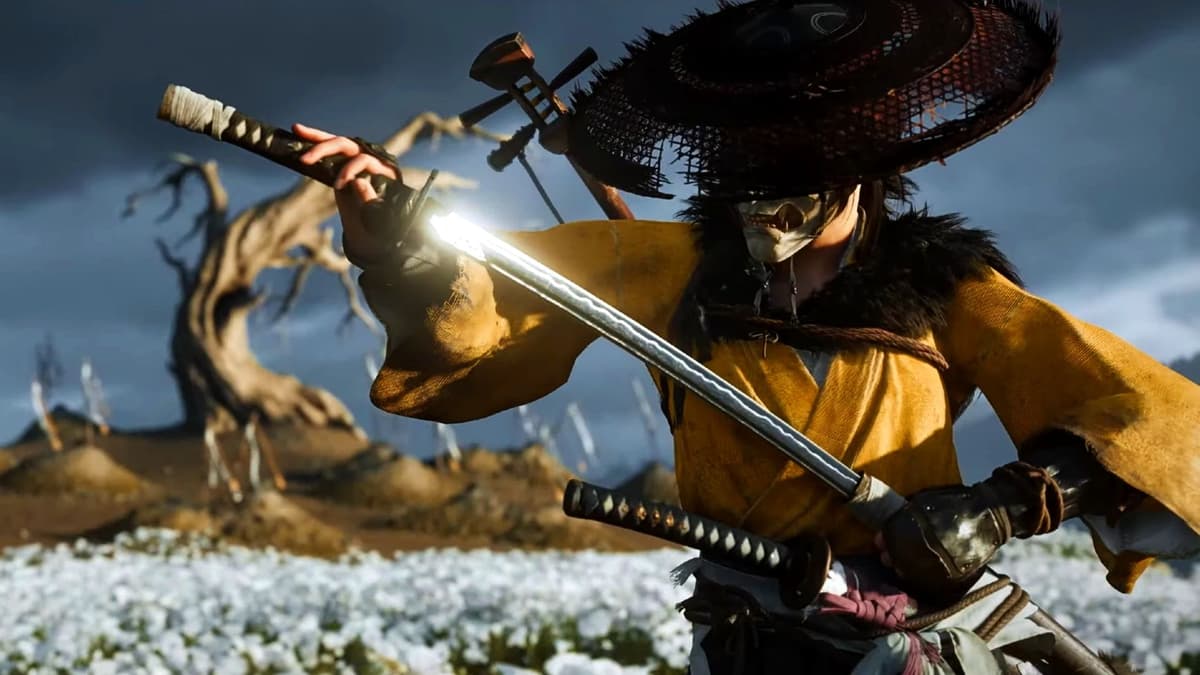
If you lived for Tsushima’s rhythms—the clash-then-calm cadence, the stances like little languages—Yōtei lands familiar but sharper. The parry window on Medium feels tighter, and it wants you to actually read tells rather than mash the timing. Dodges are more honest: mistime them and you’ll eat a full combo. The combat camera keeps a lower angle, which weirdly made everything feel more intimate and uglier in the best way. Atsu isn’t a knight; she’s a blade with a pulse. Her toolkit leans into stealth and opportunism—chain takedowns are snappier, and distractions play off the environment more (think wind chimes at doors, brittle ice you can crack to lure patrols). I had several fights where I kicked an enemy through a shutter, slid under the frame, and cut a second guard before the first finished screaming. It’s meaner, and it suits her.
The bosses among the Six are less “puzzle boss” and more “pressure cooker.” I went after the Kitsune first, and the encounter played like a dance in a shadow maze—nothing supernatural, but plenty of misdirection. The Serpent’s showdown punished overconfidence; I burned through two healing gourds figuring out how to break his pattern without opening myself to flanks. Bounties, meanwhile, act like mini-boss vignettes. One in the cedar forest had me weave through traps at dusk while a sniper hunted me; another was essentially hide-and-seek across rooftops with a time limit imposed by morning watch rotations. These fight setups don’t reinvent the wheel, but they don’t sleepwalk either.
On the “myth and legend” side, Ugetsu’s tales set up the hardest content I found. There’s a full-on dungeon that feels like a morale test—no map, dull light, and enemies that hit like trucks if you rush. I failed it three times from sheer impatience, which is very on brand for me. The reward was worth it, not just in gear but in how the story hums in the background afterward. Yōtei keeps the samurai movie heart of Tsushima, but it isn’t doing cosplay; it feels like its own folktale with cold breath.
Cards good, tracking bad: living with the trade-offs
After about 20 hours, I had my first real “I miss the boring old log” moment. I wanted to knock out all the “aid the villagers” tasks in a specific valley before going north. The card pouch is great for choosing a vibe but not great for surgical strikes. There’s no per-region activity checker, just a global pie chart buried in a submenu. The game wants you to look around, ask at inns, rescue travelers, and let the world gossip you in the right direction. Most of the time, this works, and when it does, it’s magic. But when you’re stuck, it feels like the game is smirking while you pace in circles.
On the flip side, I loved how cards appear and vanish with the world’s logic. If you skip a bounty too long, a hunter might beat you to it; you’ll find the body and a note instead, with a smaller reward and a little sting of regret. Some “express” quests only exist at certain times or weather conditions. I tripped a beautiful little mission by lingering on a cliff at dusk, where a man quietly asked me to carry a lantern to a shrine before the light died. If you’re allergic to missable content, this will stress you out. If you like stories that feel ephemeral, it’s candy.
PS5 specifics: performance, haptics, and snow in your ears
Performance mode stayed near a steady 60fps for most of my playthrough, dipping only in the thickest blizzard storms and during a handful of large-scale raids where I set half the map ablaze. Patch 1.004.000 ironed out the stutter I saw on 1.003.000 in open prairies and resolved a bug where a bounty clue chain wouldn’t spawn until I fast-traveled twice. The DualSense brings the cold to life: you feel the snap of icy wind against your sleeves, the low rumble when your boots crunch through fresh snow, and the satisfying click of bow tension in your fingertips. 3D audio sells every crackle of fire, distant howl of wolves, and the soft hiss of your breath in the frost. It’s all just right—no tech showboating, just seamless immersion.
Key Takeaways
- Quest cards replace checklist logs, driving organic exploration.
- Dynamic regions force adaptation, not repetition.
- Combat is sharper, stealth tools more inventive.
- Tracking trade-offs sharpen immersion but frustrate completionists.
- PS5 performance is solid, DualSense haptics and 3D audio excel.
FinalBoss // Gear
Level up your setup
01Top-rated gaming headsetson Amazon→02High-refresh gaming monitorson Amazon→03Gaming chairson Amazon→04Discounted game keyson Kinguin→Affiliate links · As an Amazon Associate, FinalBoss earns from qualifying purchases.
Want to Level Up Your Gaming?
Get access to exclusive strategies, hidden tips, and pro-level insights that we don't share publicly.
Ultimate Reviews Strategy Guide + Weekly Pro Tips