
This one got my attention because it’s rare for a direct sequel to outpace a beloved original so quickly – and Sony tied the numbers directly to its quarterly results. Ghost of Yotei hitting 3.3 million units in the first 32 days isn’t just a bragging point; it tells us how sequels, platform timing and next-gen tech still move the needle for console players.
Table of Contents (8)
Ghost of Yotei vs. Ghost of Tsushima: Why Yotei Outperformed the Original at Launch
- Key takeaway 1: Yotei’s 3.3M first-month sales (Sony-confirmed) translated into measurable uplift in Sony’s latest quarter – a launch-velocity win tied to PS5 momentum.
- Key takeaway 2: Modernized combat, earlier traversal tools and PS5 Pro tech make Yotei feel more immediately rewarding for 2025 players.
- Key takeaway 3: Pricing rose to $70, but tighter tech hooks and post-launch support kept conversion high – Tsushima remains a strong value buy on sale.
- Key takeaway 4: Sony’s comments around PS5 supply and a PS6 timeline beyond 2028 frame this as a late-gen, high-return title rather than a platform transition signal.
{{INFO_TABLE_START}}
Publisher|Sony (Sucker Punch Studios developer)
Release Date|October 2, 2025
Category|Action-adventure / Open-world
Platform|PS5 exclusive
{{INFO_TABLE_END}}
Sales and the business angle
Sony’s CFO confirmed Yotei sold roughly 3.3 million copies in its first 32 days, explicitly saying it “exceeded the sales of the previous title in the same period” and that the release materially helped quarterly results. That matters: this isn’t anecdotal hype — it’s a top-line contributor. The game launched at $70 (vs. Tsushima’s $60 launch), and while budget figures are similar to the earlier title, higher per-unit revenue plus faster sell-through gave Yotei a better near-term ROI for Sony.
Why Yotei feels more modern — combat, traversal and tech
Where Tsushima rewarded stance mastery and deliberate pacing, Yotei accelerates player power curves: weapon-swap systems, kusarigama reach, early-access grappling tools and hybrid ranged options give players more mechanical freedom from hour one. That modern immediacy resonates with current players who expect fast gratification from next-gen hardware.
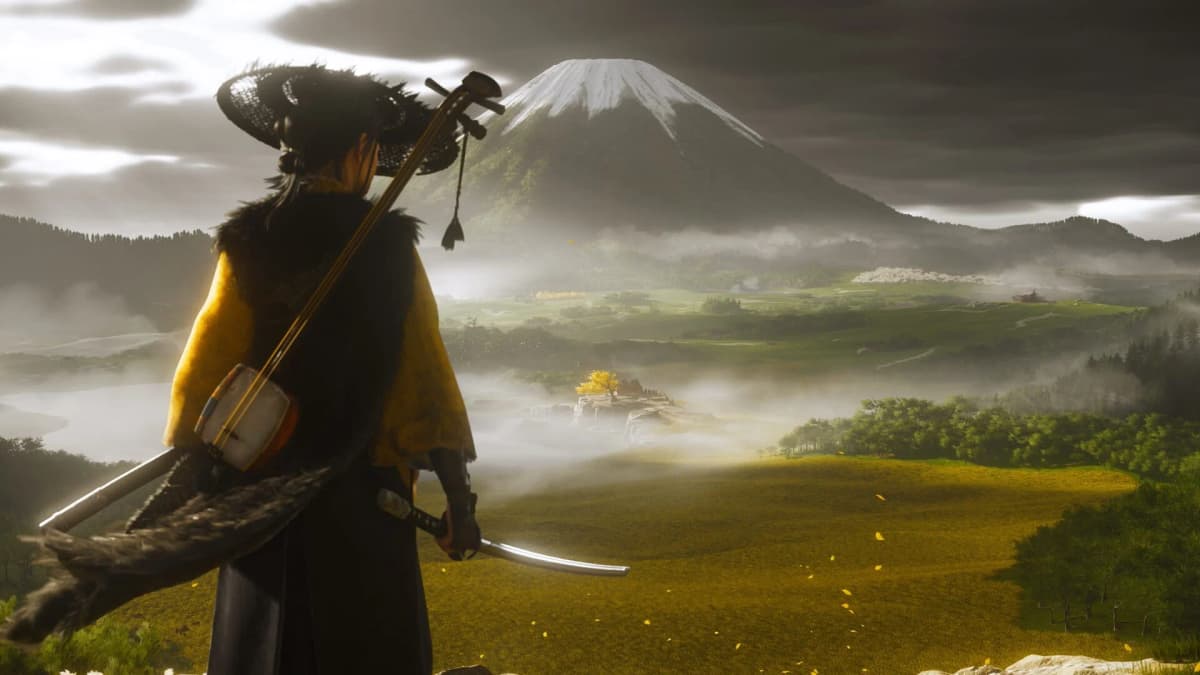
Technically, Yotei leverages PS5 Pro features — clearer ray-traced lighting, higher stable framerates and faster texture streaming — which sharpen first impressions. For reviewers and streamers, that polish matters; for buyers, it reduces friction and increases the likelihood of purchase at full price.
Exploration, stealth and narrative — tradeoffs and wins
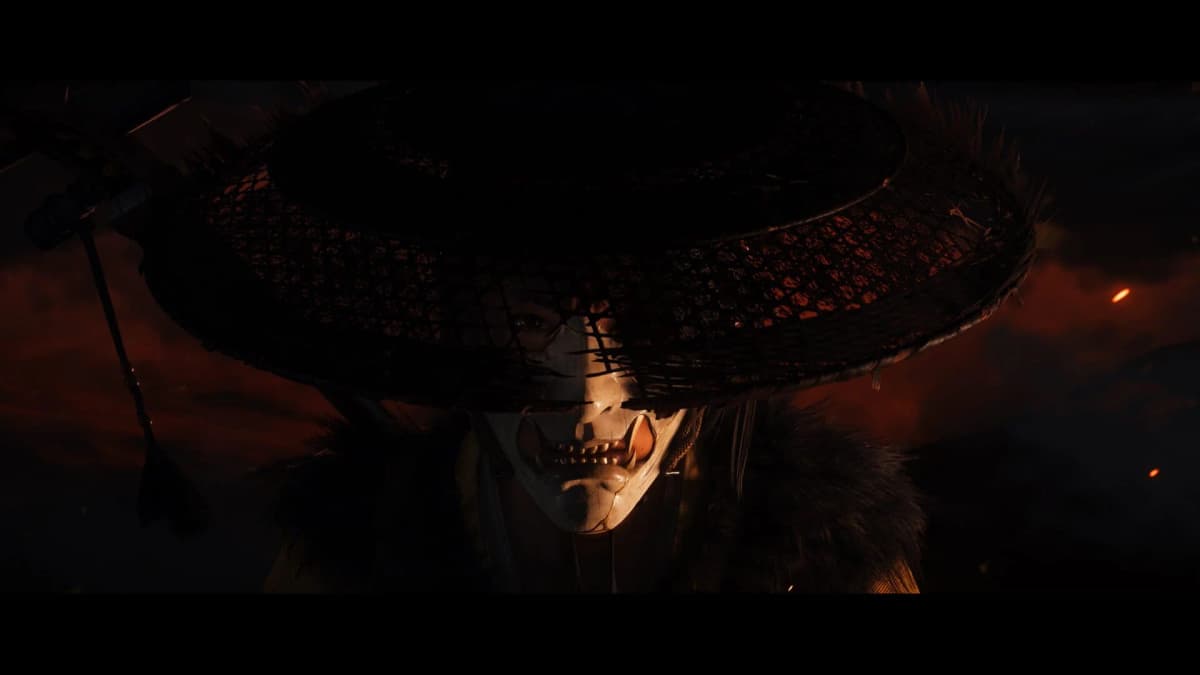
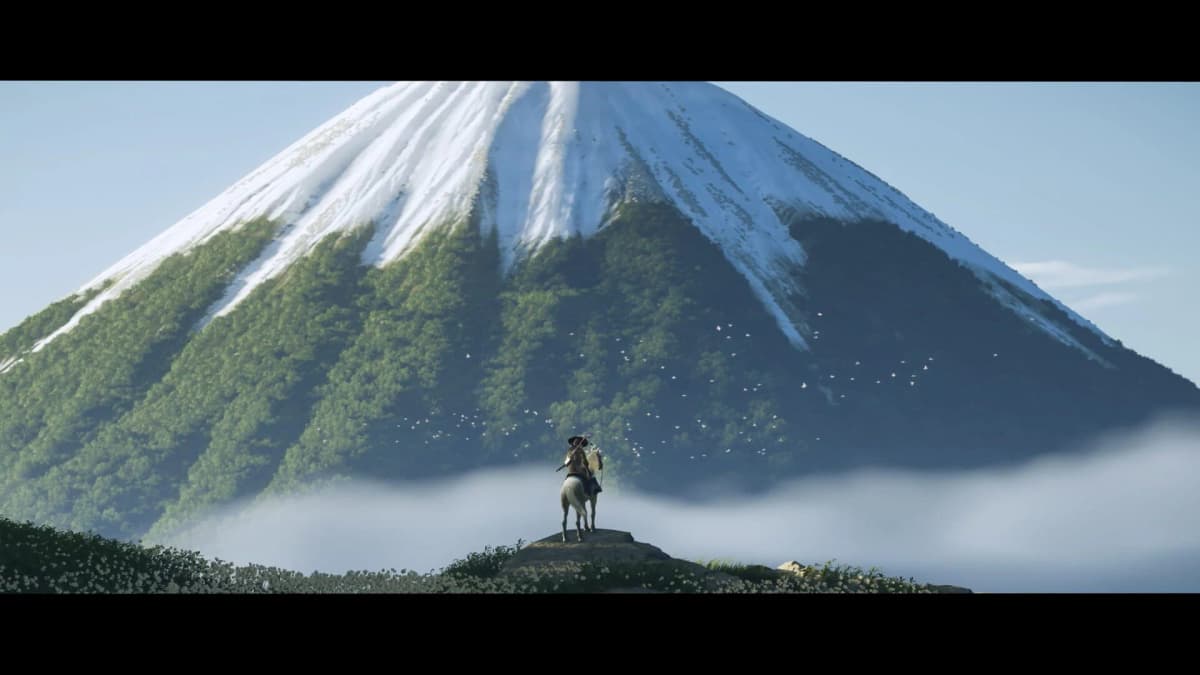
Yotei’s Ezo setting trades Tsushima’s island-forced structure for denser, vertical biomes (snow, volcanic terrain) and dynamic weather that meaningfully affects stealth. Stealth and combat systems are deeper in different directions: Yotei favors tool-driven multi-kills and tactical variety, whereas Tsushima remains more cinematic and cohesive narratively. Which is “better” depends on your priorities — immediate combat toys and replayable encounters (Yotei) vs. singular narrative peaks (Tsushima).
Context: platform timing, pricing and Sony’s strategy
Two commercial factors helped Yotei: 1) alignment with fresh PS5 hardware cycles (PS5 Pro visibility) and 2) a late-gen audience still buying full-price premium titles. Sony publicly noted PS5 supply constraints remain a factor, but the company also signaled PlayStation 6 is likely beyond 2028 — meaning premium PS5 titles will remain strategically important for several years. That combination encouraged both heavy marketing and aggressive production values for Yotei.
What this means for players
If you own a PS5 (especially PS5 Pro) and want the newest mechanical toys, Yotei is the practical pick now — it pushes immediate gameplay variety and shows why some sequels win on experience density. If you care primarily about a tight, emotionally unified story, Tsushima is still an outstanding value, particularly on sale or PC.
Final take and a modest skepticism
Yotei’s launch success is real and meaningful: the 3.3M figure is Sony-confirmed and tied to financial impact. But outselling an earlier title in its first month isn’t the same as lifetime cultural dominance — Tsushima still has a larger installed base over time. My takeaway as a long-time follower: Yotei is the clearer example of how sequels can capitalize on platform timing, tech upgrades and design tweaks to convert at launch. Long-term staying power will come down to post-launch support, community modes and whether Sucker Punch can sustain the momentum beyond early sales spikes.
TL;DR
Sony-confirmed: Ghost of Yotei sold ~3.3M copies in its first 32 days and outpaced Ghost of Tsushima’s comparable launch window. Yotei wins on immediate combat variety, traversal and PS5 Pro tech, which justified a $70 price and drove strong early revenue — but Tsushima remains a top-tier narrative experience and a great purchase on sale. The bigger story: strong late-gen titles still matter for Sony while PS5 supply tightness and a PS6 timeline beyond 2028 keep this generation commercially relevant.
FinalBoss // Gear
Level up your setup
01Best-selling PS5 gameson Amazon→02DualSense controllerson Amazon→03PS5 SSD upgrades (M.2 NVMe)on Amazon→04Discounted game keyson Kinguin→Affiliate links · As an Amazon Associate, FinalBoss earns from qualifying purchases.