

Ghost of Yōtei’s Blood-Soaked Trailer Is All Flash—But Is There Real Steel Underneath?
Game intel
Ghost of Yōtei
The game takes place 300 years after Ghost of Tsushima. Set in the lands surrounding Mount Yōtei, a towering peak in the heart of Ezo, an area of Japan known a…
Why This Trailer Actually Caught My Eye
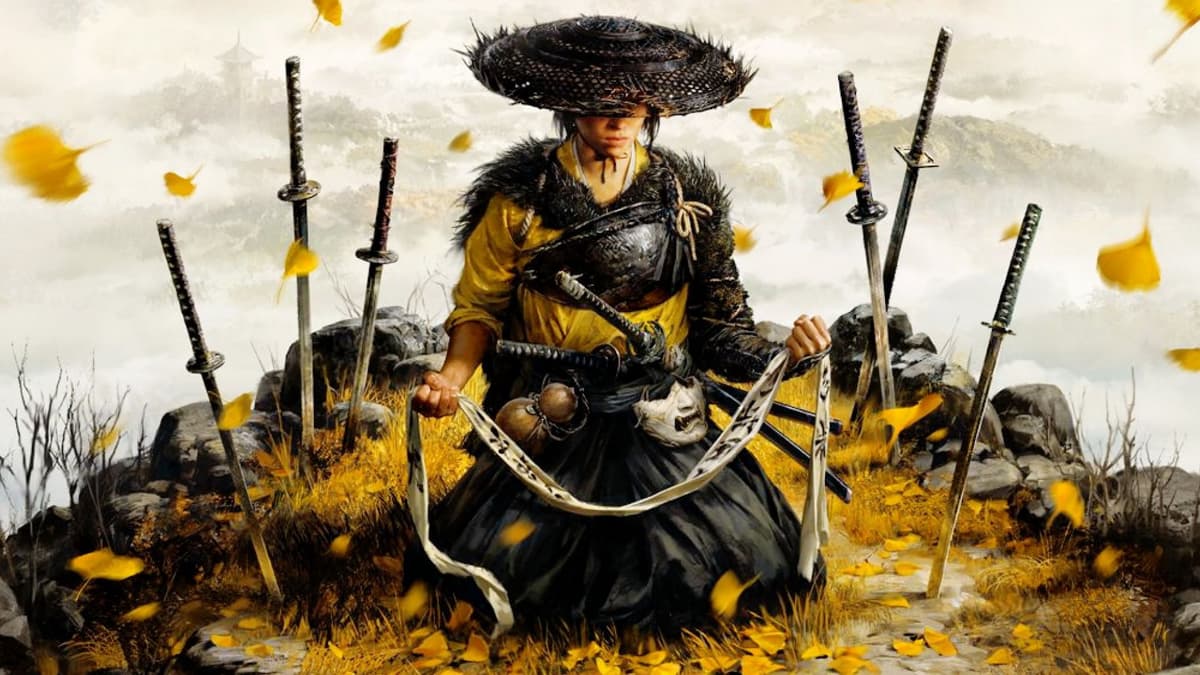
We’re two weeks out from Ghost of Yōtei’s October 2 PS5 launch, and Sucker Punch just dropped another trailer, this time centered on Atsu-a vengeance-driven lead carving through foes with enough arterial spray to repaint a shrine. It’s stylish, brutal, and very “remember Ghost of Tsushima?” in the best sense. But this isn’t 2020; cinematic swordplay isn’t novel anymore. What matters is whether Yōtei’s combat and open-world design move the needle-or if this is just a flashier encore.
Key Takeaways
- Combat looks faster and nastier, with disarms and five weapon types hinting at deeper builds.
- It’s PS5-only, so expect DualSense haptics and 3D audio to carry a lot of the immersion load.
- Kurosawa mode and lo-fi exploration audio are style points-cool, but not game-changers.
- Open-world density vs. meaningful discovery remains the big question after Tsushima.
- Co-op Legends is slated for 2026, so launch is a single-player play—manage expectations.
Breaking Down the Announcement
The latest video puts Atsu front and center, and the move set is telling. Parries snap hard, counters explode into limb-threatening finishers, and there’s a clear emphasis on disarming and weapon control. Sucker Punch is talking up five primary weapon types with their own skill trees; that’s a departure from Tsushima’s stance-centric approach and could nudge players into defined builds rather than one-size-fits-all sword supremacy.
What I’m watching for: animation priority and input buffering. Tsushima walked a tightrope between crisp response and cinematic flow; Yōtei’s blood-slick cinematics will fall apart if the game steals inputs during flashy kills or locks you into overlong finishers. The trailer shows quick recoveries after executions, which is encouraging. If Sucker Punch nailed frame-consistent parries (think closer to Sekiro than Tsushima), those duels could be electric instead of mashy.
On the presentation side, Kurosawa mode returns, and it still rocks for dramatic boss duels. Real talk though: most of us will play in color at 60 fps if that performance mode exists—and it should, given this is PS5-only. The studio has also teased more tactile feedback: heavier strikes should shove through the DualSense triggers, with raindrops and wind cues pushing directional awareness via 3D audio. If implemented well, that’s the sort of immersion PS5 exclusivity should buy.
There’s also a lo-fi music option while exploring. It’s a vibe, but I hope it’s additive rather than invasive. Tsushima’s best moments leaned on natural soundscapes, wind guidance, and restrained strings. Let the lo-fi sit in the menus for chill crafting, not drown out fox shrines and bamboo groves.
Context: Sucker Punch’s Sword Is Sharp, But Open Worlds Cut Both Ways
Ghost of Tsushima’s combat aged well because it respected timing and commitment—stances changed the puzzle, but your sword stayed honest. The weak point was the usual open-world fatigue: question marks, foxes, hot springs, repeat. Yōtei’s setting—Ezo/Hokkaidō in 1603—gives Sucker Punch a fresh canvas, and the studio claims deeper cultural consultation (including Ainu inspirations) and diegetic mapping with Atsu sketching POIs by hand. That’s promising, but the yardstick is simple: fewer filler detours, more bespoke side stories with teeth.
No PC version at launch tracks with Sony’s current playbook: PS5 first, PC later if it hits. The upside is focus—features like instant flashbacks to Atsu’s past, or denser enemy groups on screen, can be tuned around one box. The downside is obvious if you’re dual-ecosystem: you’re waiting, and likely avoiding spoilers.
Legends co-op sliding into 2026 is interesting. I sunk a ridiculous number of hours into Tsushima’s Legends because it transformed the swordplay into a smart class-based horde/raid experience. Pushing it post-launch suggests Sucker Punch is all-in on single-player polish for October. I’d rather that than a half-baked multiplayer at release, but it does mean the day-one package lives or dies on story pacing and encounter variety.
What Gamers Need to Know Before Preloading
• Enemy variety will make or break the midgame. If every fight ends with the same jugular geyser, the spectacle dulls fast. Show me shield captains that demand one weapon type, fast duelists that punish greedy parries, and onmyōji-style casters that force ranged options.
• Stealth needs purpose. Tsushima’s stealth was fine, not great; forced duels were the highlight. If Yōtei embraces infiltration with meaningful tool upgrades—smoke variants, rope darts, silent disarms—then swapping between ghosting and face-offs will feel intentional, not checkboxy.
• Systems depth beats surface gore. Five weapon trees sound great, but are we unlocking new play patterns or just +10% bleed chance? The trailer suggests unique counters and stance-like postures per weapon; hold Sucker Punch to that.
• Accessibility and difficulty toggles matter for a precision fighter. Give us adjustable parry windows, camera options for lock-on, gore toggles for streaming, and a photo mode that starts fast. Tsushima nailed photo tools; don’t regress.
Looking Ahead
If Sony slots a State of Play right before launch, expect a final “story plus launch features” trailer. I’m hoping for concrete details: performance modes, save transfer (if any), and a clean breakdown of the five weapon paths. Our review will stress-test the combat engine—animation cancel windows, hitbox honesty, boss cadence, and whether the camera behaves in tight interiors—because that’s where samurai fantasies either sing or stumble.
TL;DR
Ghost of Yōtei’s new trailer sells a bloodier, faster blade dance on PS5—and it looks legit. The real test is depth: enemy variety, meaningful weapon builds, and an open world that respects your time. If Sucker Punch delivers on those, October 2 could be a day-one download.