
Ghost of Yōtei’s Traveler Maps: Immersive Idea or Busywork Hell?
Game intel
Ghost of Yōtei
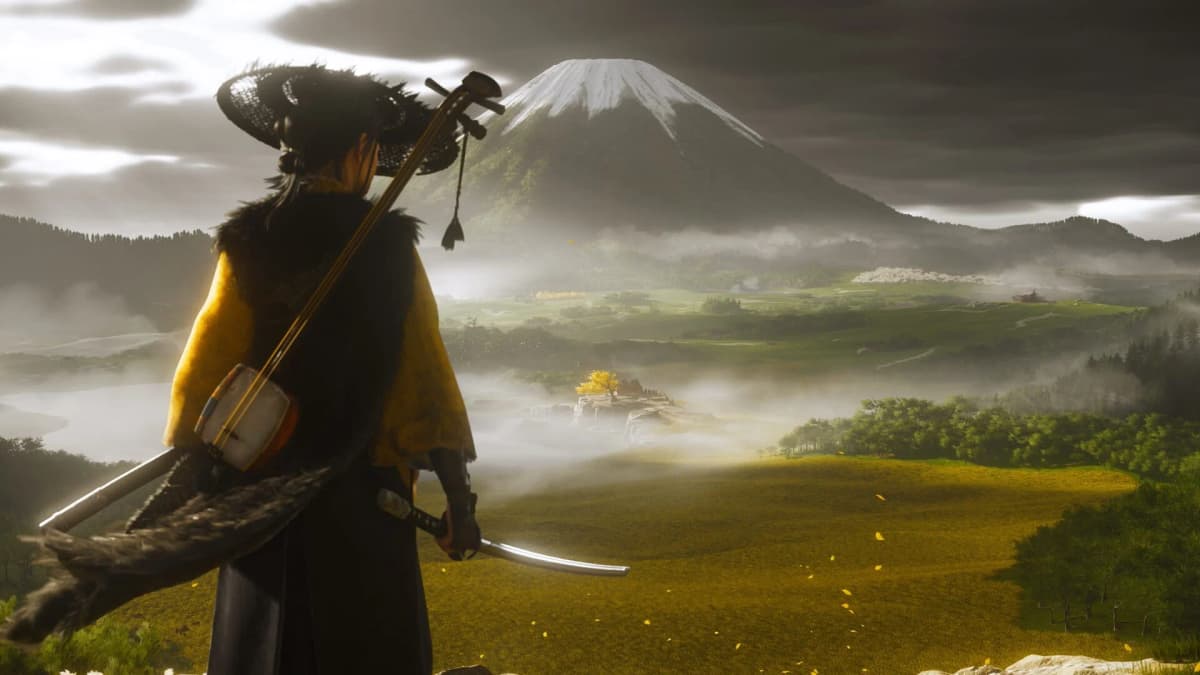
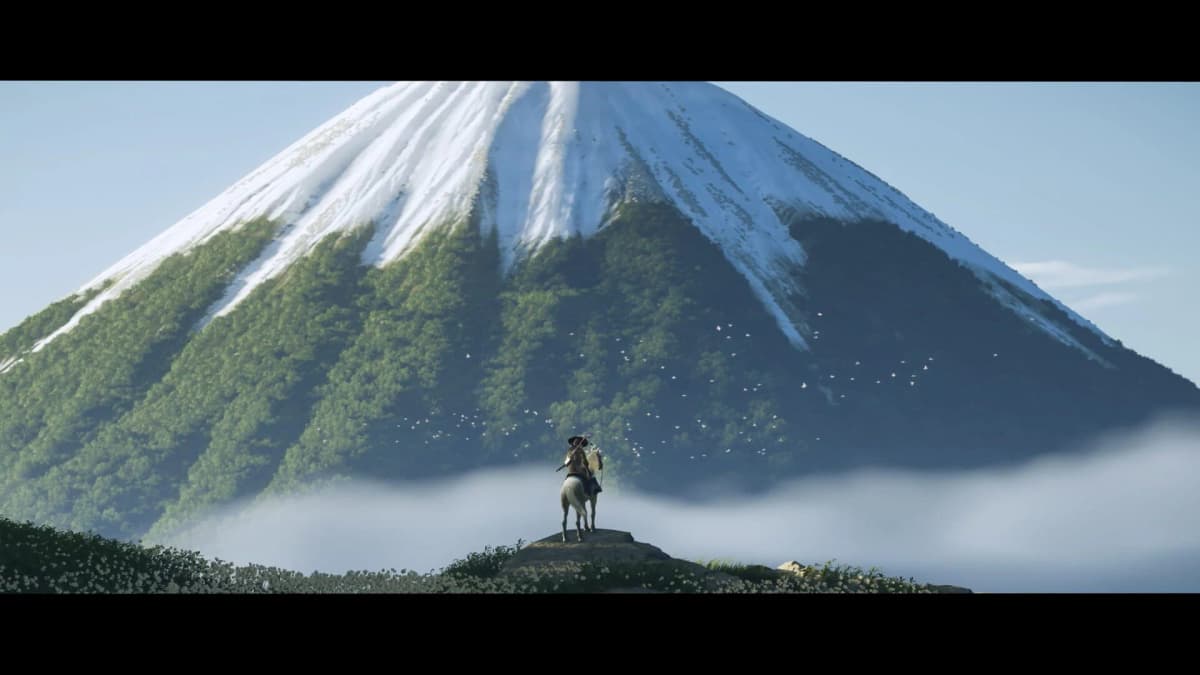
The game takes place 300 years after Ghost of Tsushima. Set in the lands surrounding Mount Yōtei, a towering peak in the heart of Ezo, an area of Japan known a…
Why This Caught My Attention
Ghost of Tsushima nailed “exploration without clutter” with the Guiding Wind, so when Sucker Punch dropped Ghost of Yōtei on October 2, 2025, set 329 years later around Mount Yōtei in Ezo (modern Hokkaido), I was primed to see how they’d push that philosophy. We’re playing as Atsu, a rōnin driven by revenge, and the studio clearly still hates noisy HUDs and checklist maps. Cue the new Traveler Maps-fragments you acquire from vendors and NPCs that, once placed on your world map, reveal useful points of interest like skill unlocks. The catch? You place those fragments manually. And that’s where the internet lit up.
- Traveler Maps must be manually positioned on the world map to reveal locations-no instant unlocks.
- Clips show players “spamming X” until the piece snaps into place, sparking mockery and frustration.
- It’s a bold, diegetic alternative to waypoint spam, but the friction overshoots for a lot of players.
- A few smart tweaks could turn this from busywork into a satisfying micro-puzzle.
Breaking Down the Traveler Map Drama
Here’s how it works: you get a fragment, open your map, and line up the fragment with the topography and landmarks. Nail it, and a clutch location appears-new skills, helpful systems, the good stuff. Miss it, and you… keep nudging the piece around. The idea feels inspired by Sucker Punch’s love of diegetic navigation. But some players aren’t exactly soaking in the vibes. One widely shared complaint summed it up bluntly: “This map stuff in Ghost of Yōtei is so bad I just spam X across the entire map until it auto locks.” Another translated reaction making the rounds: “Ghost of Yōtei’s Traveler Maps are s**t—I spam the whole map with X until they auto-lock.”
From what I’ve seen, the game does provide a snap or assist if you’re close enough, but the lead-up feels like a chore if you’re not into pattern matching. The core risk here is obvious: what should feel like a short, tactile “aha!” becomes “map tetris” every time you want to unlock something cool.
Why Sucker Punch Probably Did This
Ghost of Tsushima’s greatest trick was letting you navigate with the wind, birds, and smoke without drowning in icons. Traveler Maps seem like a spiritual sequel to that philosophy—a small brain-teaser instead of a flashing waypoint. It’s in the same conversation as Elden Ring’s minimal guidance and how Tears of the Kingdom turns directions into playful deduction. On paper, I’m into it. I like the intent: reward attention, not checklist grinding.
The problem isn’t the concept; it’s the tuning. There’s a thin line between “thoughtful” and “fiddly,” and right now too many players are tripping over it. If the fastest path is to brute-force the snap, the system is working against its own fantasy.
The Gamer Perspective: Immersion vs. Friction
When I’m in a flow state—cutting down bandits, following the wind, letting the world breathe—the last thing I want is a finicky minigame to unlock a skill node. If you love puzzle-y navigation, you’ll probably vibe with matching coastlines and rivers to the fragment’s silhouette. If you don’t, it reads as busywork layered on top of the real fun: exploring Ezo and mastering combat.
There are also accessibility angles here. Requiring visual matching and fine cursor control on a big map can be rough if you’re playing on a couch TV or have vision or motor considerations. Good systems let players choose how much friction they want—Tsushima did this beautifully with difficulty and combat options over time.
Want to Level Up Your Gaming?
Get access to exclusive strategies, hidden tips, and pro-level insights that we don't share publicly.
Ultimate Gaming Strategy Guide + Weekly Pro Tips
What Needs Fixing (Without Killing the Idea)
- Add a toggle to auto-apply fragments once purchased, or let players exchange fragments for a gold-cost unlock—immersion or convenience, your call.
- Strengthen the hinting: more obvious visual cues on the main map, clearer snapping radius, or a gradual highlight as you near the correct zone.
- Make high-value fragments the “puzzle” ones and let routine unlocks apply instantly, preserving the satisfying moments without constant friction.
- Accessibility options: larger contrast outlines on the fragment, adjustable snap sensitivity, and a hold-to-snap assist that doesn’t require pixel hunting.
Sucker Punch historically supports its games post-launch—Ghost of Tsushima got the Legends mode, Director’s Cut quality-of-life updates, and more robust options over time. I’d bet on iteration here. Keep the ethos, sand down the rough edges.
Should This Stop You From Playing?
No. The controversy is loud because it touches something core to how we explore open worlds. But it’s not game-breaking; it’s a system that needs tuning. If you’re a completionist who hates anything that slows down your marker-chasing, you’ll feel it more. If you liked Tsushima’s slower, more deliberate exploration, give the fragments a fair shot—line them up by coastline curves and mountain silhouettes instead of spamming. It lands better when you treat it as a two-second pattern check, not a precision exercise.
Ghost of Yōtei is trying to earn your attention rather than your tolerance. That’s the right north star. Now Sucker Punch just needs to adjust the compass so it points there without sending players into map spam purgatory.
TL;DR
Traveler Maps are a smart, on-brand idea for a studio that hates icon vomit. Right now they’re tuned too fussy, pushing some players to brute-force the snap. A couple of accessibility and convenience toggles would flip the narrative from “this is trash” to “this is clever.” I’m optimistic Sucker Punch will get there.