

Glassbreakers 1.0 Targets Holiday 2025 — VR PvP With Moss DNA And Real Questions To Answer
Game intel
Glassbreakers: Champions of Moss
Lead your squad of Champions into an immersive arena in this exciting game of tactics, magic, and power! This 1v1 real-time battler puts you face to face with…
Glassbreakers’ 1.0 Push Caught My Eye For One Big Reason
Polyarc earned my trust with Moss and Book II-some of the most tactile, lovingly animated VR adventures around. So seeing the studio double down on Glassbreakers, its real-time 1v1 strategy spin-off, and lock in a premium 1.0 launch for Holiday 2025 on Meta Quest and Steam, made me perk up. A VR PvP game that’s tight, readable, and built around short, decisive matches is exactly what the multiplayer side of VR needs. But it also raises the usual red flags: population, progression, and whether the “premium” label really means no grindy nonsense.
Key Takeaways
- 1.0 lands Holiday 2025 on Quest and PC VR, with 12 playable champions, octagonal arenas, and multiple modes.
- It’s 1v1, three-champion squads-fast, 5-10 minute matches that lean on tactical swaps and timing.
- Polyarc is talking fair ranked play and active community engagement post-launch.
- Open questions: how progression works without pay-to-win, the scope of any solo content, and cross-platform player pools.
Breaking Down the Announcement
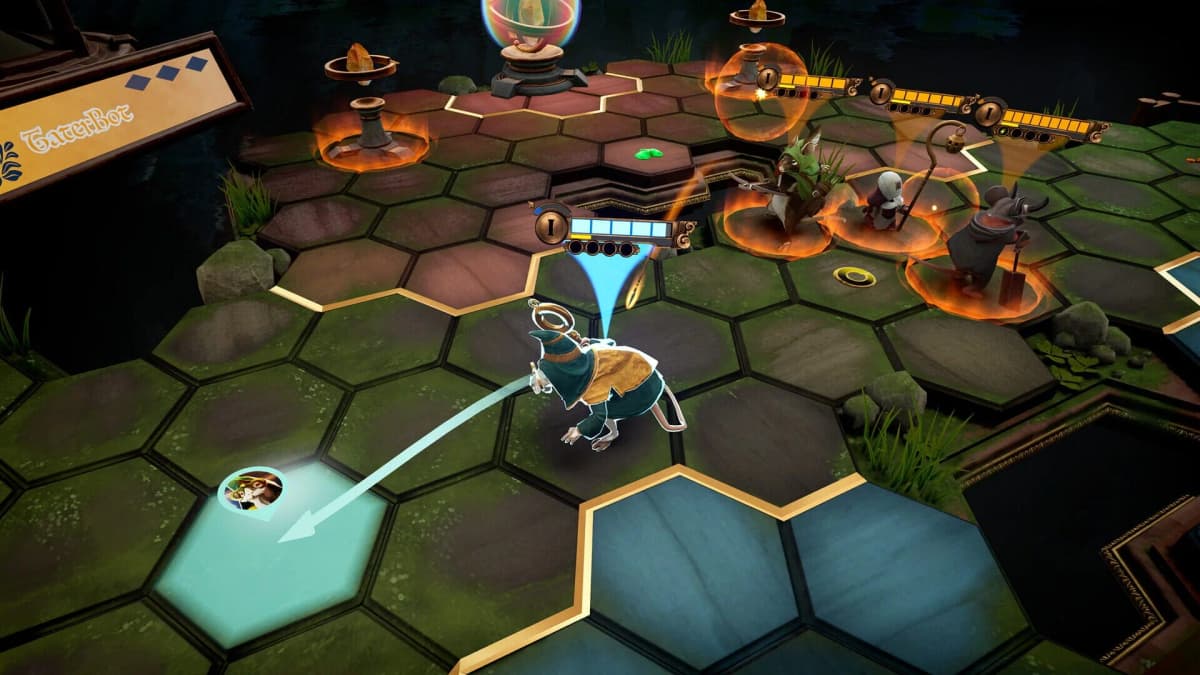
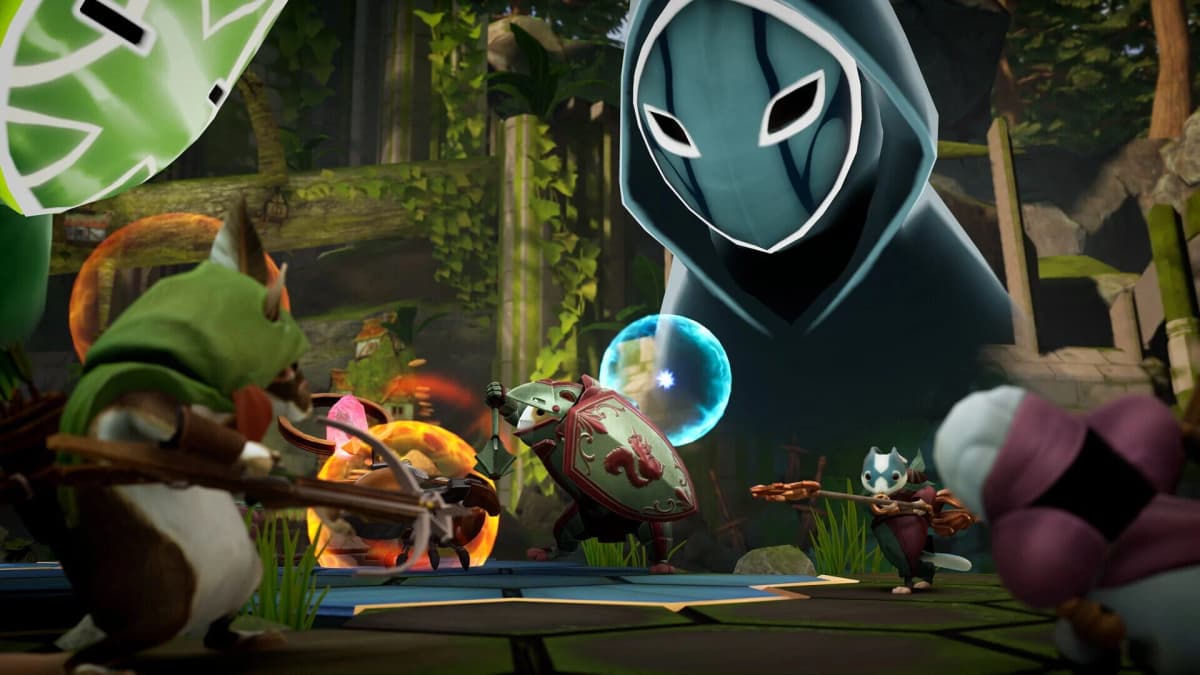
Glassbreakers: Champions of Moss is a real-time, VR-forward strategy battler set in the Moss universe. You draft a trio from a roster of 12 champions and face off in compact octagonal arenas, trying to punch through the opponent’s glass while protecting your own. Think tabletop skirmish board energy, but with the immediacy of reaching in, issuing moves, and reacting at eye level. That tactile diorama feeling is Polyarc’s calling card, and it translates surprisingly well to competitive play.
The 1v1 focus matters. VR multiplayer populations are fickle; building for quick queues and short matches is smarter than chasing 4v4 or 5v5 dreams that die in the matchmaking screen. The studio says to expect multiple maps and modes layered onto that core loop. If those modes are variants (draft, sudden death, objective twists) rather than siloed playlists, that’s a win-fragmented queues can kill VR PvP faster than any balance patch.
From earlier tests and footage, champions have clear silhouettes and distinct roles—bruisers, peelers, and backline harassers—with abilities you’ll need to time around enemy cooldowns. The octagonal board suggests clean pathing and flanking lanes that are easy to parse in VR. The pitch is “easy to pick up, tricky to master,” and for once it looks aligned with the format: three units is just enough to juggle under a headset without needing an APM surgeon’s brain.
Why This Move Makes Sense In 2025
VR multiplayer has been a graveyard for ambitious team sizes and live-service bloat. Echo VR vanished. Many shooters ebb and flow around big updates. The games that stick are readable, sessionable, and don’t demand a premade squad every night. Demeo Battles proved turn-based PvP can find a niche; Breachers showed tight, repeatable rounds work in VR. Glassbreakers threads a similar needle—compact rounds, head-to-head, with the Moss charm covering the “why should I care?” question.
The premium angle is also smart. Free-to-play in VR often means tiny wallets chasing whales; a one-time purchase sets expectations for a complete box, then steady content drops. But premium also puts pressure on launch depth: 12 champions sounds healthy, yet variety lives or dies on sidegrades and counterplay, not raw count. If each champion brings a unique tactical curve (mobility trades, shield baits, positional denial), the meta can breathe without devolving into mirror matches.
Want to Level Up Your Gaming?
Get access to exclusive strategies, hidden tips, and pro-level insights that we don't share publicly.
Ultimate Gaming Strategy Guide + Weekly Pro Tips
The Gamer’s Perspective: Hype vs. Headaches
Monetization clarity is priority one. Polyarc is calling this a premium release with “no pay-to-win,” which is the right headline. At the same time, the studio talks about unlocks and “gameplay-affecting upgrades.” That’s a contradiction waiting to happen unless upgrades are strictly sidegrades or in-match choices everyone has access to each round. Spell it out: what’s cosmetic only, what’s earned, and how does a fresh buyer on day one compete with someone 50 hours in?
Population risk is the elephant in the room. Ranked ladders and leaderboards are great, but only if there’s cross-platform play between Quest and PC VR at minimum. A 1v1 game lowers the bar for matchmaking, yet splitting queues by platform, region, or mode can still starve the ladder. Hard requirement for 1.0: crossplay, solid MMR, fast rematch flow, and bots that don’t feel like victory laps when someone disconnects.
There’s also talk of solo content. If that’s a full campaign, amazing—Moss fans will show up for story. But don’t ship a glorified tutorial and call it a campaign. A legit PvE ladder with smart AI and scenario challenges would both honor the Moss DNA and onboard competitive players without hurling them straight into ranked. Show, don’t tease.
On the VR side, give us comfort and parity: seated and standing play, controller-first controls that feel snappy, optional hand tracking that doesn’t disadvantage you, and crystal-clear readability on Quest 2 and up. Polyarc’s animation and feedback are usually top tier—use that to telegraph abilities and cooldowns so fights are decided by timing, not UI squinting.
What 1.0 Needs To Nail
- Launch Day Cleanliness: Stable netcode, minimal desyncs, and instant rematch queues. VR players bounce fast after two bad lobbies.
- Mode Discipline: Keep the core queue unified; offer variants as modifiers, not separate playlists.
- Teaching The Meta: Strong tutorials, spectate and replay tools, and in-client tips that surface counters without forcing YouTube homework.
- Community Hooks: Custom lobbies, weekly challenges that don’t feel like chores, and dev-run events. If Polyarc really plans active engagement, show up with calendars and patch cadence.
The Upside If It Clicks
If Glassbreakers blends Polyarc’s tactile craft with a clean, competitive loop, it could become VR’s go-to “one more match” game—the kind you boot for 10 minutes and end up playing for an hour. The Moss universe adds charm and personality to a genre that often leans sterile. Keep the meta thoughtful, the queues speedy, and the monetization honest, and this has legs.
TL;DR
Glassbreakers’ 1v1, three-champ format is the right shape for VR PvP, and Polyarc has the chops to make it sing. The premium 1.0 promises are encouraging, but progression clarity and crossplay are non-negotiable. Deliver those, plus real onboarding and steady updates, and this could be VR’s next sticky competitive habit.