
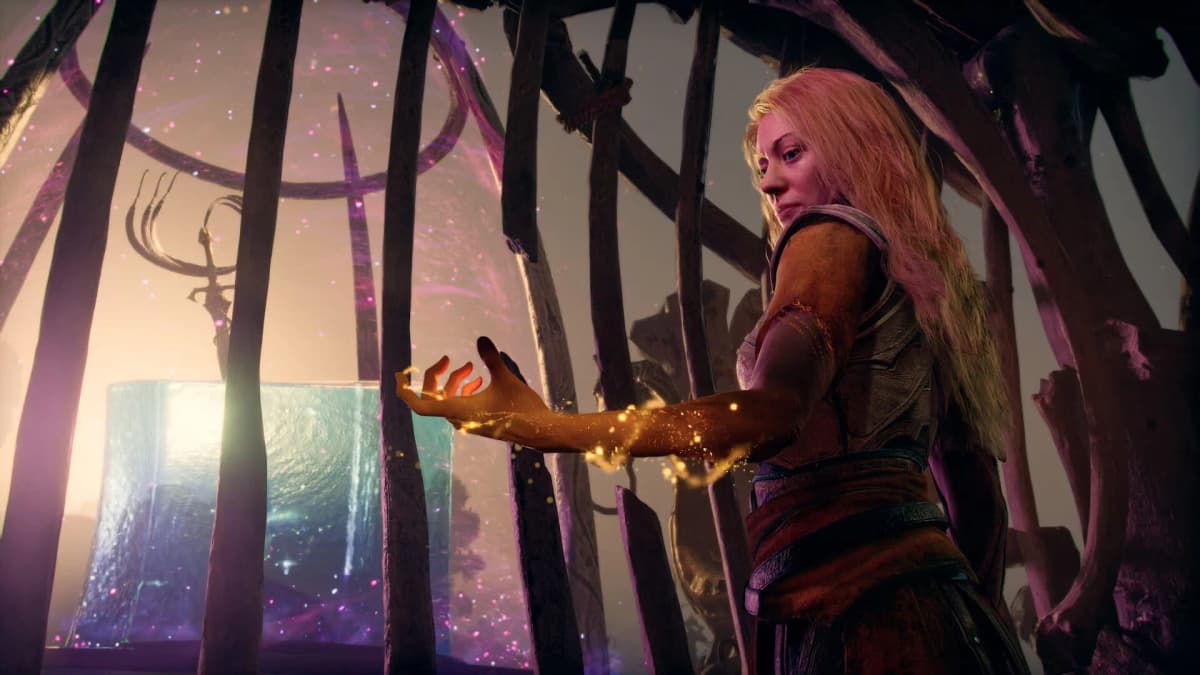
Santa Monica Studio’s God of War: Laufey reveal doesn’t just change protagonists. It changes the entire gravitational center of the franchise. After two games that rebuilt the series around Kratos’s guilt and restraint, the studio is handing the controller to Faye-Loki’s mother, Kratos’s wife, and a character who spent the last two entries as a voiceless corpse-and dropping her into Everywhen, a cross-mythology afterlife where dead gods from every pantheon wait for whatever comes next. If that sounds like a lot to ask of a character who had maybe twenty minutes of meaningful screen time, it is. That’s exactly why this is either the freshest thing Sony has done in years, or the most expensive miscalculation in recent memory.
The State of Play demo made one thing immediate: this is not Kratos’s combat system with a new model swapped in. Faye fights faster, emphasizing mobility and a soul-driven magic system that looks closer to spectral choreography than the axe-and-shield weight we have been trained to expect. Santa Monica is clearly trying to earn the perspective shift mechanically, not just narratively. The question is whether twenty minutes of flashy gameplay can disguise the fact that we do not actually know who Faye is when she is not defined by the men around her.
Table of Contents (5)
Faye Was a Plot Device. Now She Has to Carry the Whole Thing.
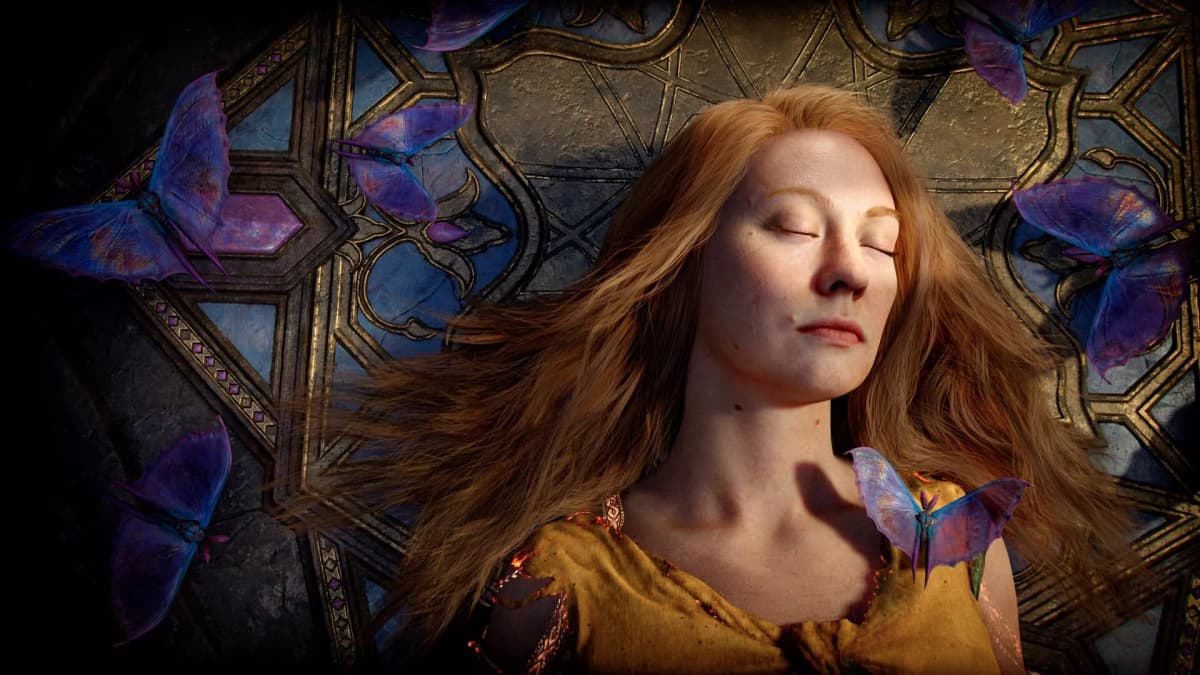
In God of War 2018 and Ragnarök, Faye’s role was structural. She was the absence that motivated every choice Kratos and Atreus made. She was memory, mystery, and maternal echo. She never had to crack a joke, lose her temper, or make a mistake in real time. Laufey throws her into Everywhen-a realm that redefines what happens to gods after death—and asks her to be interesting for thirty hours while fighting new enemies and recruiting companions we have never met. That is a brutal narrative lift.
The writing team, with Cory Barlog still steering and Ariel Lawrence contributing to the narrative architecture, seems aware of this. Deborah Ann Woll’s performance in the demo suggests a Faye with sharper edges than the mournful statue we imagined. But a voice performance in a controlled trailer is not character development. Santa Monica has to build an arc for someone who previously functioned as backstory, and they have to do it in a setting that is literally disconnected from the living world. If Everywhen becomes an excuse to avoid real emotional stakes—because everyone there is already dead—this will feel like a very expensive side story.
Everywhen Is a License to Get Weird That Could Easily Backfire
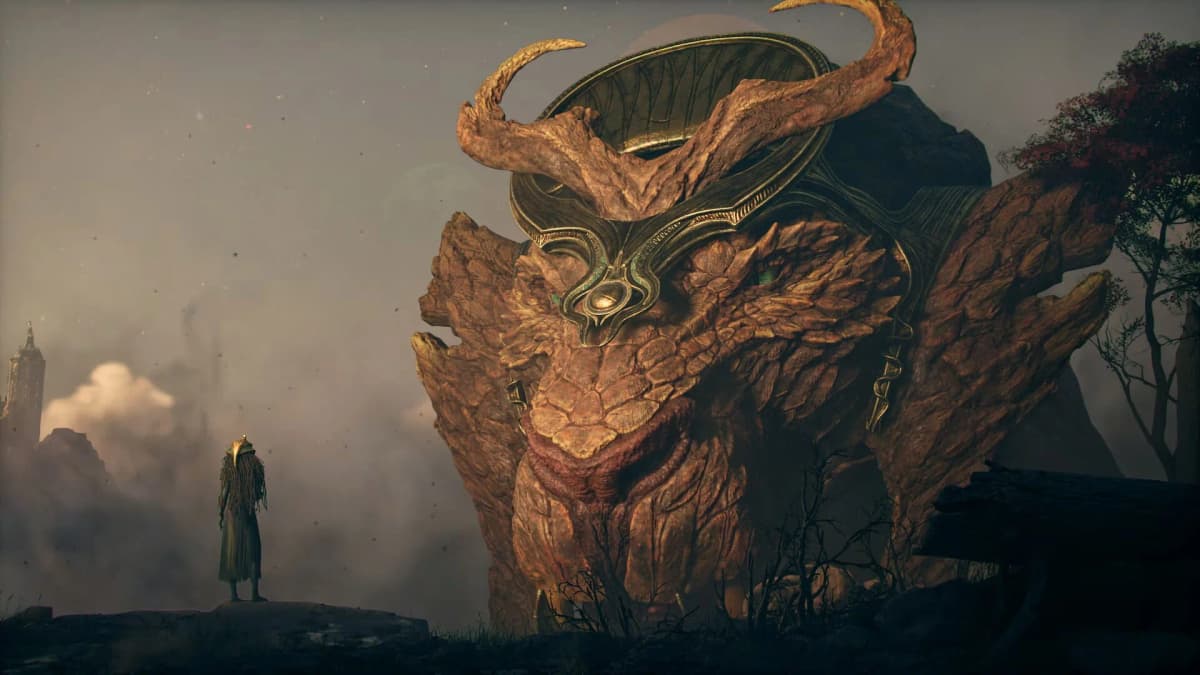
The cross-mythology afterlife concept is the kind of narrative hinge that either liberates a franchise or shatters its internal logic. Everywhen gives Santa Monica permission to pull gods and monsters from pantheons the series has never touched, pairing Faye with companions who do not belong to Norse canon and pitting her against enemies that have no reason to follow the rules established across the last two games. That freedom is exciting. It is also dangerous.
God of War 2018 succeeded because it narrowed the scope. It traded the epic sprawl of Greek Olympus for the intimate, grounded cruelty of Midgard. Laufey is widening the lens again, but this time the justification is metaphysical rather than geographical. If the game uses Everywhen as a sandbox to cherry-pick cool designs from mythologies without tying them to Faye’s personal journey, it risks becoming the kind of shapeless crossover event that the 2018 reboot explicitly ran from. The demo showed roughly twenty minutes of gameplay. It looked gorgeous. It also looked like a lot of floating platforms and spectral arenas that could belong to any action RPG with a magic system.
The Combat Deserves Credit for Being Different
Where the narrative gamble is obvious, the mechanical pivot is genuinely bold. Faye’s combat is faster and more vertical than Kratos’s ever was, relying on soul magic and mobility rather than the deliberate heft of the Leviathan Axe. The State of Play footage showed a protagonist who dashes, phases, and manipulates magical energy in ways that would look ridiculous in Kratos’s hands. That is the right call. If you are going to lose the old protagonist, you cannot keep his animations.
But faster does not automatically mean deeper. The demo emphasized spectacle—big spells, aerial combos, flashy finishes—which is exactly what you show when you want to impress in twenty minutes. What it did not answer is how this system evolves over a full campaign. Kratos’s toolkit grew across 2018 and Ragnarök in ways that mirrored his emotional thaw. Faye’s soul-magic needs a similar metaphorical backbone, or it will devolve into button-mashing that happens to look ethereal. Santa Monica has earned the benefit of the doubt on melee combat design, but this is the furthest they have strayed from their own established language.
2027 Is Aggressive for a Pivot This Big
Laufey is targeting the first half of 2027 exclusively for PlayStation 5. That window rules out the distant future of 2028 or 2029, which suggests either remarkable confidence or a production schedule that has been running parallel to Ragnarök longer than we realized. Given that this is a new protagonist, a new mechanical identity, and a new metaphysical setting, that timeline feels tight. Not impossible—Santa Monica is one of the most technically proficient studios Sony owns—but tight.
The lack of an official release date means that “first half of 2027” could still slip, and the history of PlayStation exclusives suggests we should not etch anything in stone until the box art is printed. Still, the implication is clear: Sony wants this in players’ hands before the PS5 generation ages out. That pressure matters. A rushed pivot is worse than a delayed one, and if Laufey ships before its story systems have been pressure-tested, the franchise will not get a second chance at a first impression with Faye.
What to Watch
The next gameplay showing needs to prove that Faye has an inner life beyond vengeance and prophecy. I want to see her fail, doubt, or joke—anything that proves she is a protagonist and not a walking twist waiting to be revealed. I am also watching whether Everywhen maintains its own rules or collapses into generic afterlife tourism. And if Santa Monica commits to that first-half 2027 window without announcing a firm date by early next year, treat the timeline as theoretical.
Most importantly, watch how Sony markets this. If the next trailer leans on Kratos’s legacy—flashbacks, voiceovers, a surprise spectral appearance—then Santa Monica already knows the gamble is bigger than they are admitting. If they leave the old man out entirely, they are truly ready to answer the one question that actually matters: is God of War a universe, or is it just Kratos? Because if it is just Kratos, then Laufey is not the next chapter. It is the beginning of the end.
FinalBoss // Gear
Level up your setup
01Best-selling PS5 gameson Amazon→02DualSense controllerson Amazon→03PS5 SSD upgrades (M.2 NVMe)on Amazon→04Discounted game keyson Kinguin→Affiliate links · As an Amazon Associate, FinalBoss earns from qualifying purchases.
Want to Level Up Your Gaming?
Get access to exclusive strategies, hidden tips, and pro-level insights that we don't share publicly.
Ultimate Gaming Strategy Guide + Weekly Pro Tips