
Table of Contents (9)
Why $20 for God of War Ragnarok suddenly matters more than the sale itself
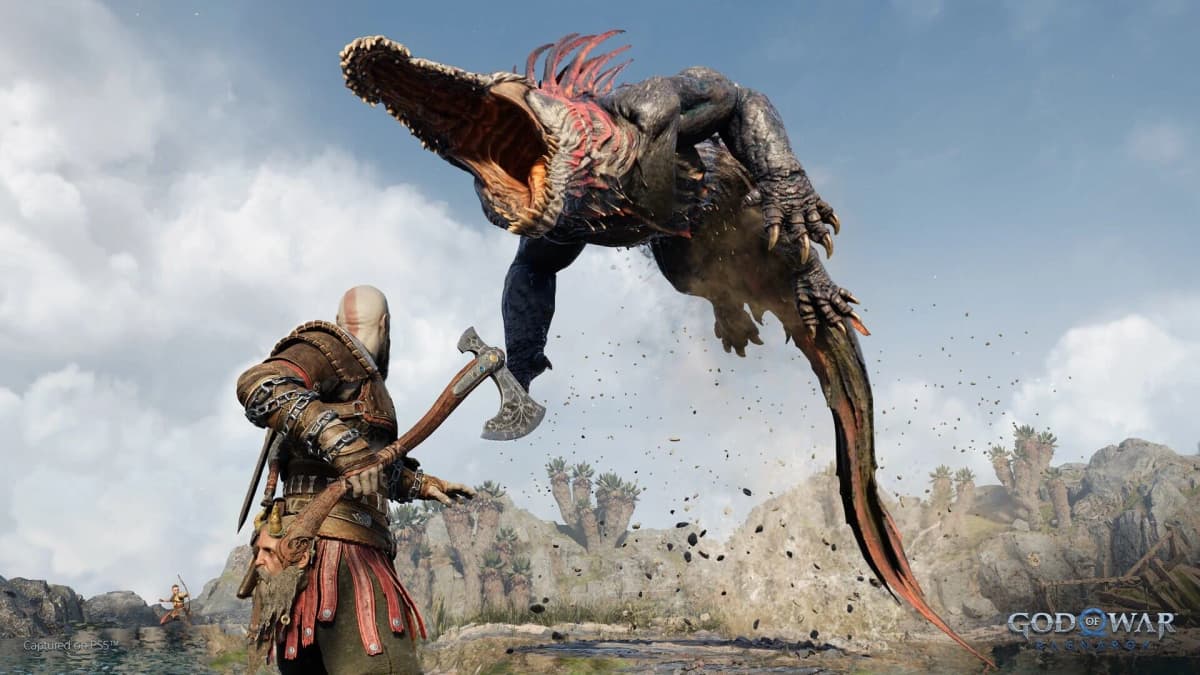
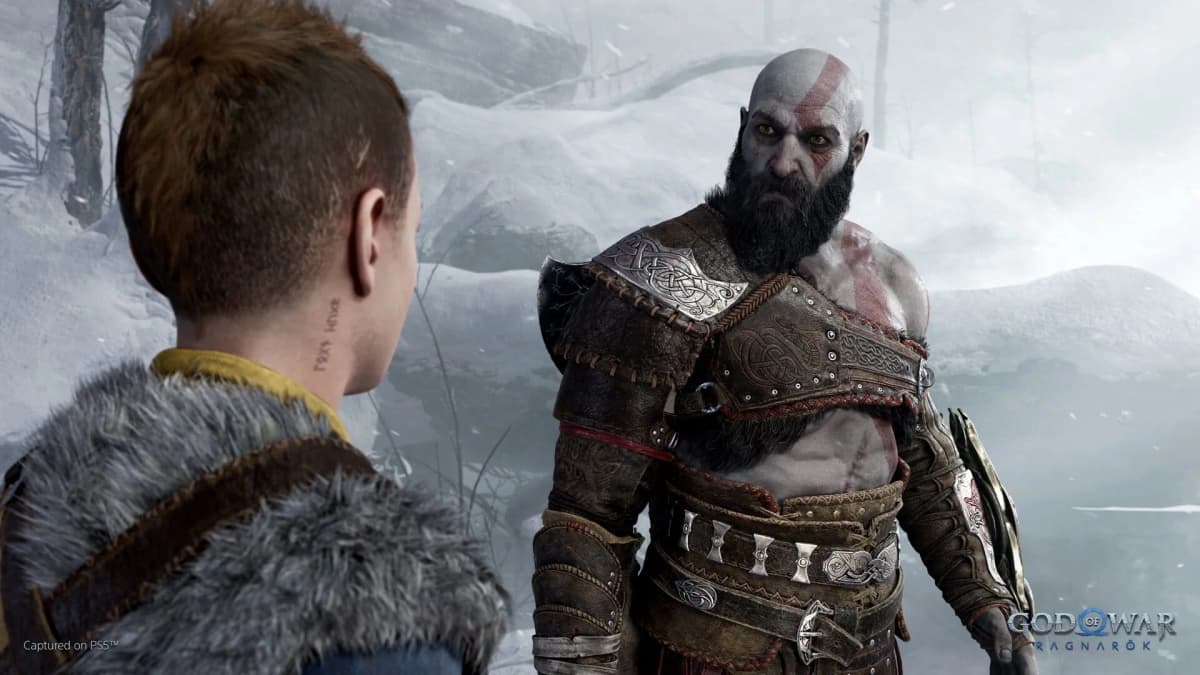
This isn’t just a discount. Dropping God of War Ragnarok to $19.99-$20 in PlayStation’s current PS5 sale turns a game that critics (IGN awarded it a 10/10) and players agree is a generational highlight into a near-impulse purchase. That $50 haircut removes the biggest barrier to entry for anyone who still hasn’t played Kratos and Atreus’ latest chapter – and it tells you something about how Sony is squeezing value out of its back catalog while the franchise gets a second life across TV and remakes.
Key takeaways
- God of War Ragnarok is widely available for about $20 – PlayStation Direct discounts and retailer price-matches (Best Buy, Amazon, Target) have matched that low.
- The sale runs across first-party PS5 titles – Spider-Man 2, Stellar Blade and even a limited Death Stranding 2 controller are part of the push.
- Timing lines up with rising franchise momentum: a Prime Video God of War series (casting news has been rolling out) and confirmation of a Ghost of Sparta remake.
- This is a smart short-term play for Sony to boost engagement — but it also raises the question of how often first-party premium titles will see steep cuts going forward.
Why $20 changes the math
At full price, God of War Ragnarok was a luxury purchase for anyone not already invested in the brand. At $20, it’s a table-stakes entry: 30-40 hours of story, world-class performances and combat that still stands up. IGN’s 10/10 praise — for its writing, performances and action — isn’t rendered meaningless by a sale; it becomes an irresistible value proposition. You’re no longer weighing “is it worth $70?” but “why wouldn’t I play this?”
What PlayStation is actually doing
Call it inventory management, audience farming or plain marketing — Sony is monetizing what it’s built. The PlayStation Direct sale (reported to run through March 9) bundles deep cuts on marquee PS5 exclusives with accessory deals. Retailers are matching those prices, which amplifies the effect. For a platform holder that historically guarded first-party pricing, the frequency and depth of these discounts suggests a shift: use big sales to convert late adopters, seed multiplayer or franchise awareness, and create cheap upsell opportunities for DLC, future releases or hardware.
The wider God of War ecosystem is heating up
This sale didn’t land in a vacuum. Prime Video’s adaptation is moving forward — recent casting choices (Ed Skrein as Baldur, Ryan Hurst as Kratos among others) make it clear the show will lean on Ragnarok’s story beats — and Sony has confirmed a Ghost of Sparta remake is in development. Discounting Ragnarok now looks less like clearance and more like synchronized marketing: give as many people as possible a cheap way to experience the game before new media and remakes drive another spike of interest.
The uncomfortable observation
Here’s what the PR copy won’t tell you: heavy discounts on premium first-party titles erode the “full-price prestige” that used to be part of owning a PlayStation exclusive. If $70 blockbusters routinely hit sub-$30 within a few years — or sooner — consumers learn to wait. That changes developer economics. Sony gains short-term revenue and engagement, but it also increases the pressure on future launch windows to be bundled with services, seasons, or subscriptions to guarantee profitability.
The question I would ask PlayStation
Is this sale a tactical, time-limited push tied to the TV series and remake announcements, or the start of a longer-term pricing strategy for first-party catalog? If it’s tactical, great — but if it’s the new normal, developers deserve to know the plan for long-term returns on big-budget games.
What to watch next (actionable)
- March 9 — PlayStation Direct sale reportedly runs through this date; watch if Ragnarok stays at $20 or creeps back up before then.
- Retail price matches — Best Buy, Amazon and Target have been echoing the discount; check physical stock if you prefer discs (Steam News noted Best Buy physical copies at $19.99).
- Ghost of Sparta remake updates — any gameplay or release window announcement will shift how valuable owning Ragnarok feels right now.
- Prime Video marketing — official premiere window or trailer drops will likely coincide with new bundles, deluxe editions or another round of discounts.
TL;DR
God of War Ragnarok is down to roughly $20 in PlayStation’s current sale and at several retailers — a must-own at that price given its critical pedigree. The cut is strategic: it primes a wider audience ahead of a TV adaptation and a Ghost of Sparta remake, while exposing a broader trend of deeper, faster discounts on premium first-party games. Watch whether this is a one-off marketing push or the start of a new pricing reality for PlayStation exclusives.
FinalBoss // Gear
Level up your setup
01Best-selling PS5 gameson Amazon→02DualSense controllerson Amazon→03PS5 SSD upgrades (M.2 NVMe)on Amazon→04Discounted game keyson Kinguin→Affiliate links · As an Amazon Associate, FinalBoss earns from qualifying purchases.
Want to Level Up Your Gaming?
Get access to exclusive strategies, hidden tips, and pro-level insights that we don't share publicly.
Ultimate Gaming Strategy Guide + Weekly Pro Tips