
Godforge’s Alpha Ends With Big Numbers—But Can Fateless Turn Hype into a 2026 Hit?
Game intel
Godforge
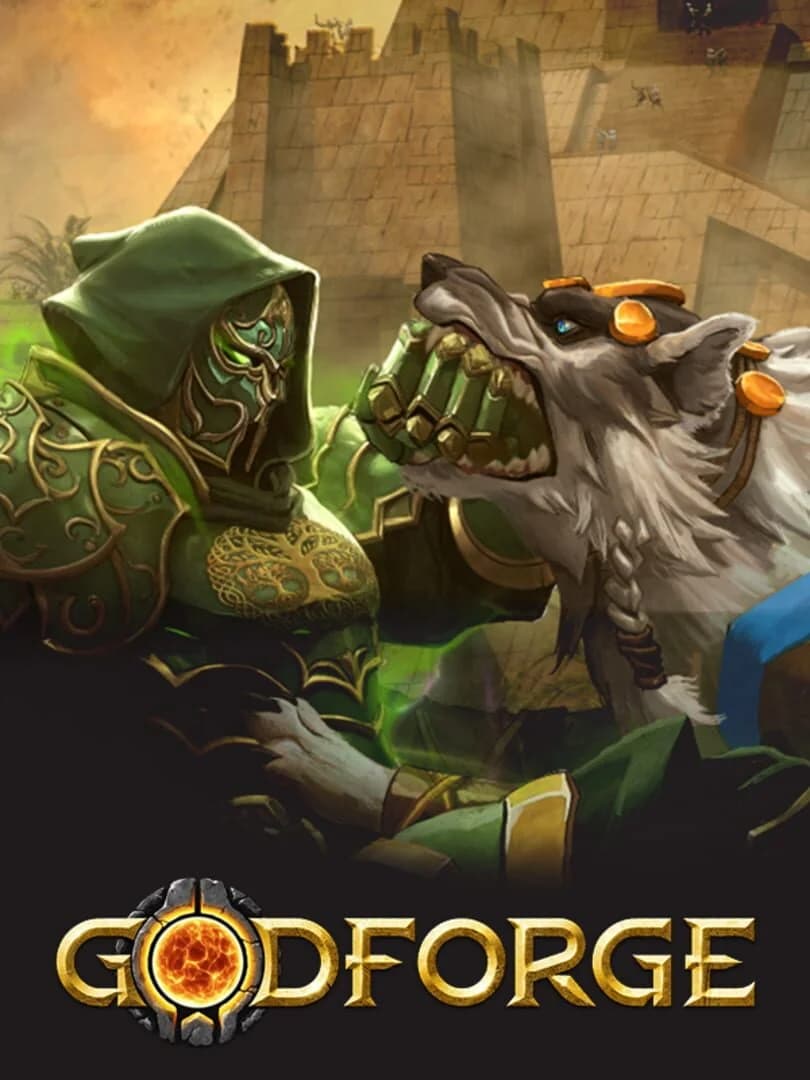
Godforge is a cinematic hero collector RPG where myths and legends clash in a battle for divine power. Collect over 250 legendary heroes inspired by gods, warr…
Why This Caught My Eye
Godforge just wrapped its “Alpha Wave” cycle, and the headline stat-36,000 players logging 355,000+ hours-sounds solid. But what actually made me pay attention is who’s behind it. Fateless is led by Simon “HellHades” Lockerby, a name anyone who’s sunk time into roster-driven RPGs will recognize. This is a team spun up by creators who know how these games are played at a high level. That doesn’t guarantee a great RPG, but it does raise expectations that the balance, endgame loops, and quality-of-life won’t be an afterthought.
- Alpha drew 36k players and 12.5 million recorded victories-serious engagement for an early build.
- Community rewards went big, including a Golden Medal expansion and a Vegas trip tied to top scores.
- Cross-platform ambition is promising, but the real test is parity, cross-progression, and input feel.
- Q1 2026 launch leaves a long runway—great for polish, risky for momentum.
Breaking Down the Announcement
Fateless says the Alpha Wave culminated with players toppling an endgame boss named Fafnir over 213,000 times and clearing the “top floor of the Caverns” challenge in enough numbers that the team expanded a cap on its Golden Medal reward from 1,000 to over 1,100. That’s a small detail, but it’s telling: when a studio is willing to flex its reward thresholds to acknowledge player achievement, it signals they’re actually watching how people play rather than robotically sticking to a marketing cap.
The splashiest celebration? Seven standout players are getting flown to Las Vegas next year for the unveiling of a full-scale diorama built by Squidmar, the Warhammer and miniature painting heavyweight. It’s a cool crossover—tabletop hobby meets digital RPG—but it’s also clearly a visibility play. I’m not mad at it; it shows Fateless knows how to speak to the broader fantasy fandom, not just the mobile/PC crowd.
On the numbers: 355k hours across 36k players averages roughly 10 hours per player. For an alpha of a roster-driven RPG, that’s respectable. The 12.5 million victories and a quarter-million boss kills suggest a loop built for repeatable farming. If you’ve played games like Raid, Summoners War, or SW: Galaxy of Heroes, you know the drill—team comp tuning, resource farming, and a steady climb toward endgame challenges. What matters is how fresh those loops feel and whether there’s strategic friction beyond auto-battle treadmill runs.
Why This Matters Now
Godforge is pitching itself as a cross-platform RPG set in a grimdark mythology mash-up—think pantheons and legends colliding across factions. That gives the art team and designers plenty of room for standout kits and faction synergies. The cross-platform bit is where my ears perk up: too many “cross-platform” games treat one platform as primary and the others as afterthoughts. If Fateless wants Godforge to land, it needs real parity—account sync, controller-first support on PC/console, touch-first polish on mobile, and UI that adapts rather than shrinks.
The founders’ background is the differentiator. HellHades and company cut their teeth as community leaders and high-level theorycrafters. That should translate into smarter cadence on balance patches and meta shifts. The flip side: when designers come from the top 1% of play, the early meta can skew sweaty. That Golden Medal expansion was a nice nod to the grinders; now I want to see systems that respect mid-core players too, with clear ramps into late-game content without turning everything into an endless spreadsheet.
The Real Questions for Players
- Platforms and parity: Which platforms at launch, and will cross-progression be seamless from day one?
- Combat identity: Is the depth coming from smart kit design and synergy puzzles, or mostly from stat checks?
- Endgame diversity: Beyond Caverns and Fafnir, what other anchors exist—raids, faction wars, rotating challenge dungeons, or roguelite towers?
- Pace of updates: With launch set for Q1 2026, will there be a beta or soft launch cadence to keep the community engaged and provide real iteration time?
- Quality-of-life: Loadout presets, team recommendation tools, combat logs, reliable AI targeting—basics that separate time-wasters from games that respect players.
- Accessibility: Clear onboarding, readable UI on small screens, colorblind options, and difficulty modes that don’t wall off cool content.
Reading Between the Lines
Fateless quotes CEO Simon “HellHades” Lockerby saying the Alpha reception was “incredible,” with community feedback shaping the game. The studio also flagged it will use performance metrics and community stories to refine balance and content. That’s exactly what you want to hear post-alpha, but the proof is in the patch notes. If the next public build shows meaningful changes to drop friction points—smarter pacing, clearer progression landmarks, less UI sludge—I’ll believe. If the next update feels like a content dump without systemic polish, the shine will wear off fast.
The $14M raise earlier this year buys time to iterate, and the Q1 2026 target suggests Fateless isn’t rushing. That’s good for quality, but it’s also a long stretch to maintain excitement. Regular dev diaries, mechanical deep dives (show me how faction auras and ultimate timings actually interplay), and limited-time test windows would go a long way toward keeping the early adopters onboard.
Looking Ahead to 2026
Godforge has the bones of a contender: a versatile mythological theme, a team that understands the genre, and early engagement that’s more than just a vanity metric. The Vegas diorama is fun icing, but the cake is still the feel of building teams, solving fights, and chasing mastery across modes. If Fateless lands true cross-platform support, varied endgame loops, and transparent iteration based on player feedback, Godforge could be the next sticky roster RPG we lose weeks to.
Until then, treat the Alpha Wave victory lap as exactly that—a lap, not the finish line. The next reveal needs to answer the practical questions players live with every day, not just celebrate the highs of the hardcore few.
TL;DR
Godforge’s alpha numbers are encouraging, and Fateless’ creator-led pedigree gives it a real shot. But 2026 is a ways off. Cross-platform parity, thoughtful endgame variety, and visible iteration will decide whether this is a genre standout or just another farm-fest.