
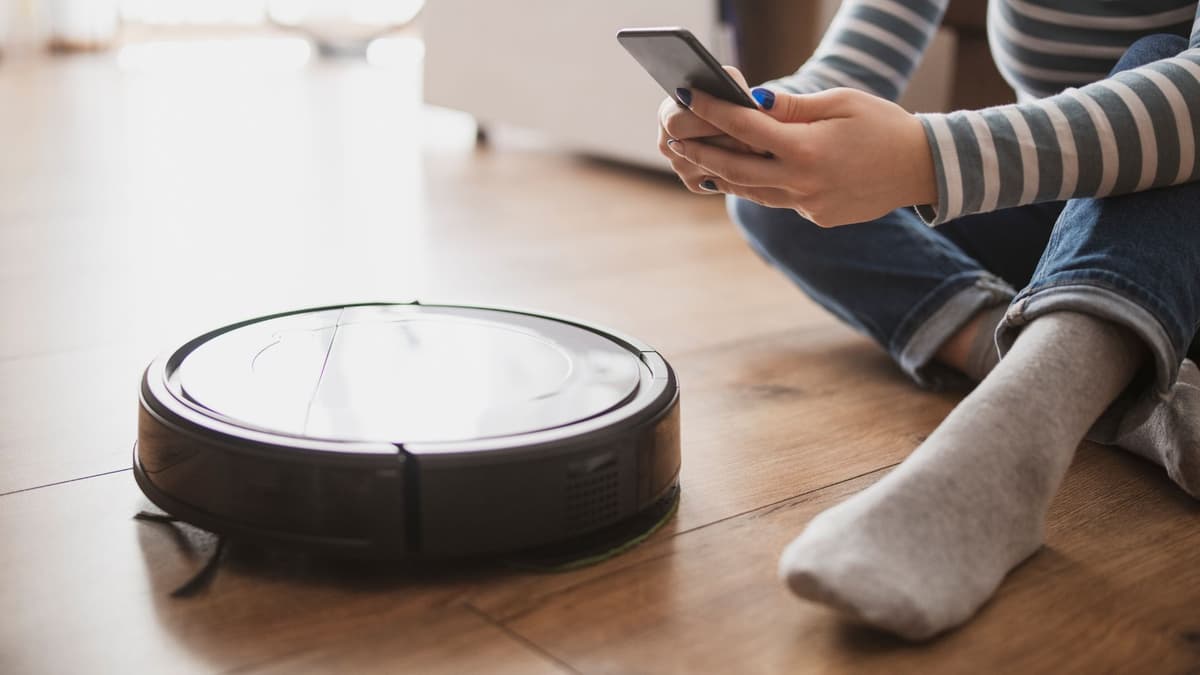
This caught my attention because it’s the same theme playing out in two very different arenas: who’s really in control. On one side, Godzilla Minus One shows what focused craft can do with a fraction of a Marvel budget. On the other, a technical deep-dive reveals certain robot vacuums can remotely receive a “kill switch” if you block their data calls. For gamers, both stories land close to home: we crave art unshackled by bloat, and we’re tired of hardware and software we paid for being remotely neutered.
Toho’s Godzilla Minus One didn’t swagger in with a nine-figure marketing budget. It just showed up and hit like a freight train. Director Takashi Yamazaki-also a VFX specialist-stretched every yen by pairing digital effects with grounded lighting, physical texture, and, crucially, human-scale stakes. It’s the antithesis of the “more explosions equals more movie” formula. One line from coverage summed it up: “It’s a film where Godzilla embodies the force of nature.” That’s not just spectacle; that’s point-of-view.
The reported $15M price tag—roughly thirty times less than a typical Marvel tentpole—invites loaded comparisons. Godzilla vs. Kong cost north of $150M and gave us volume; Minus One gives us pressure and consequence. That choice matters. And yes, there’s a harder conversation under the hood: lower Japanese production wages and punishing schedules are real issues. Celebrating craft shouldn’t mean excusing exploitation. The hope is that Minus One’s success nudges studios toward smarter budgets and better conditions, not just “do more with less labor.”
On the sequel front, the first tease for Godzilla Minus Zero points to a darker, larger-scale follow-up, reportedly blending CGI, miniatures, and suitmation, with location shoots in New Zealand and Norway and a global release target in late 2026. That sounds awesome—and risky. Bigger scale is tempting, but part of Minus One’s power was restraint. If Zero keeps the emotional spine and that tactile look, I’m in. If it chases loudness for its own sake, it’s just back on the blockbuster treadmill.
We’ve seen the same pattern in games. Players reward intent and craft over sheer spend—think how a focused vision like Baldur’s Gate 3 or Lies of P cut through while bloated live-service bets keep faceplanting. The lesson is consistent: “Betting colossal sums isn’t always the best way to make a hit.” Deliver meaning, not just more content.
Now the horror story. Software engineer Harishankar Narayanan dug into his iLife A11 robot vacuum after noticing constant, unsolicited network chatter. He blocked its outbound connection at the firewall—and days later, the vacuum “died.” Service said it worked fine with them, but back home, behind the firewall, it bricked again. Rinse, repeat, warranty denied.
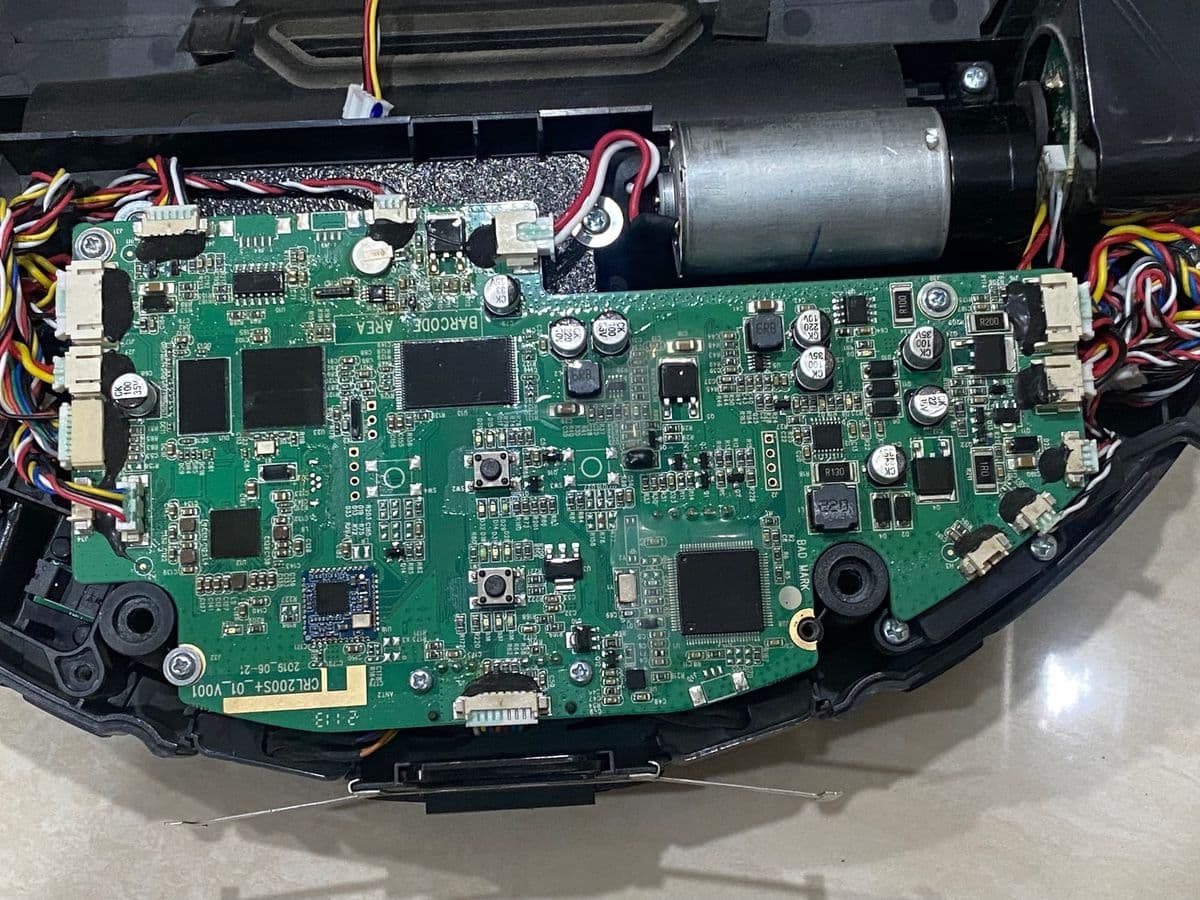
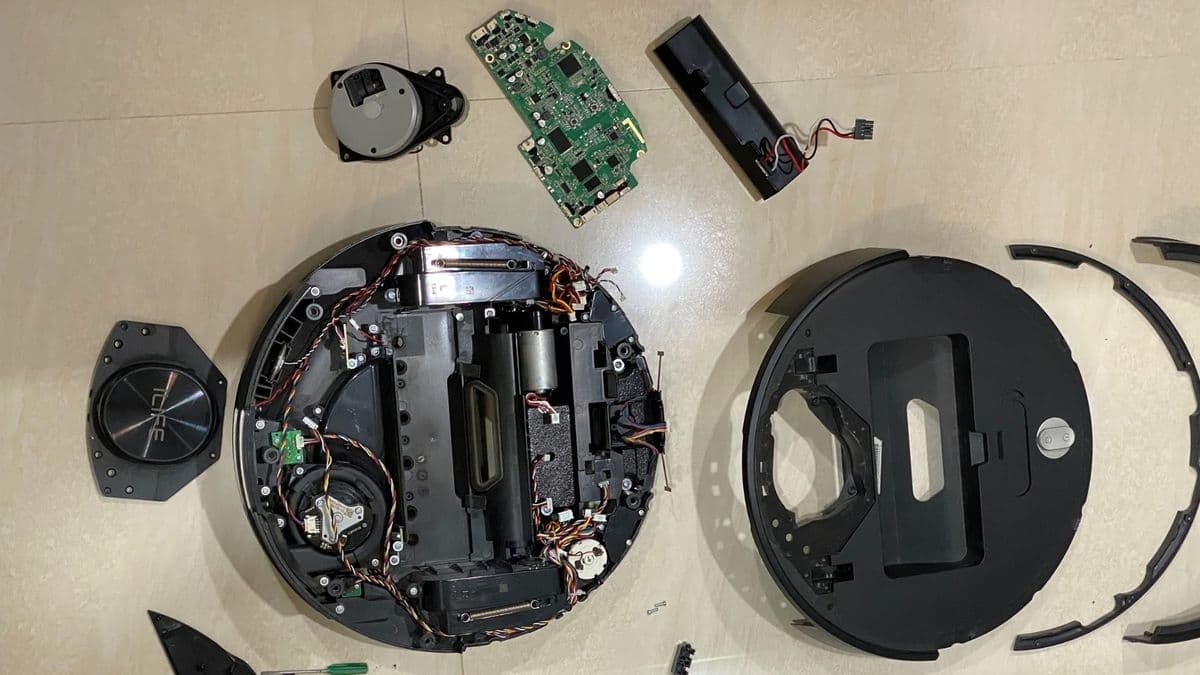
With the warranty toast, he popped it open. Under the hood: a Linux-based stack (TinaLinux), Android Debug Bridge wide open with no auth, and root access in seconds. Logs contained WiFi credentials in plain text. The device used Google Cartographer (SLAM) to generate detailed 3D maps of his home, and those maps were being shipped off to servers in China. Then he found the smoking gun: a log entry—cmd_id 501 RS_CTRL_REMOTE_EVENT—matching the exact moment it stopped working. The vacuum also ran “rtty,” a remote backdoor utility, giving the vendor root-level command access. In short: when he blocked telemetry, someone could push a remote change that prevented the main app from launching. His summary is chilling: “I discovered it was never truly mine.”
Worse, his model is an ODM platform from 3irobotix (CRL-200S), reportedly rebranded by multiple companies, including big names like Xiaomi, Wyze, Viomi, and Proscenic. That implies millions of devices with Lidar (and sometimes cameras and mics) mapping homes and potentially subject to remote disablement. This isn’t just a privacy leak; it’s control, and it can turn your paid hardware into a brick by policy or whim.
This is the same energy as always-online DRM, remote library shutdowns, and account-linking fiascos. If your vacuum can be hard-stopped for blocking data, what about your headset? Your router? Your handheld? For many of us, these IoT devices share the same network as our consoles, PCs, and NAS—prime targets if something goes sideways. Also, SLAM-generated 3D maps aren’t just “room outlines.” They’re tactical data about your layout and routines.
Godzilla Minus Zero has a real shot to prove that scaling up doesn’t have to mean losing soul—just don’t trade tension for noise. And the vacuum story should be a turning point: regulators need to treat remote kill switches and unauthorized data exfiltration as unacceptable, full stop. As players and consumers, we should reward the folks who respect our time, our data, and our ownership. Everything else is just explosions and bricks.
Godzilla Minus One shows vision beats budget—and its sequel, Minus Zero, needs to protect that DNA even as it scales. Meanwhile, a robot vacuum with a backdoor and remote “kill switch” is a stark reminder that if a device needs your data to function, you might not truly own it. Keep your smart stuff off your gaming network and demand better.
Get access to exclusive strategies, hidden tips, and pro-level insights that we don't share publicly.
Ultimate Gaming Strategy Guide + Weekly Pro Tips