
This caught my attention because GOG has long been the trustworthy alternative in PC gaming-no DRM, obsessive preservation, and a community-first vibe. Seeing signs that the store may be using AI-generated promo art feels like a cultural mismatch and worth unpacking.
Table of Contents (7)
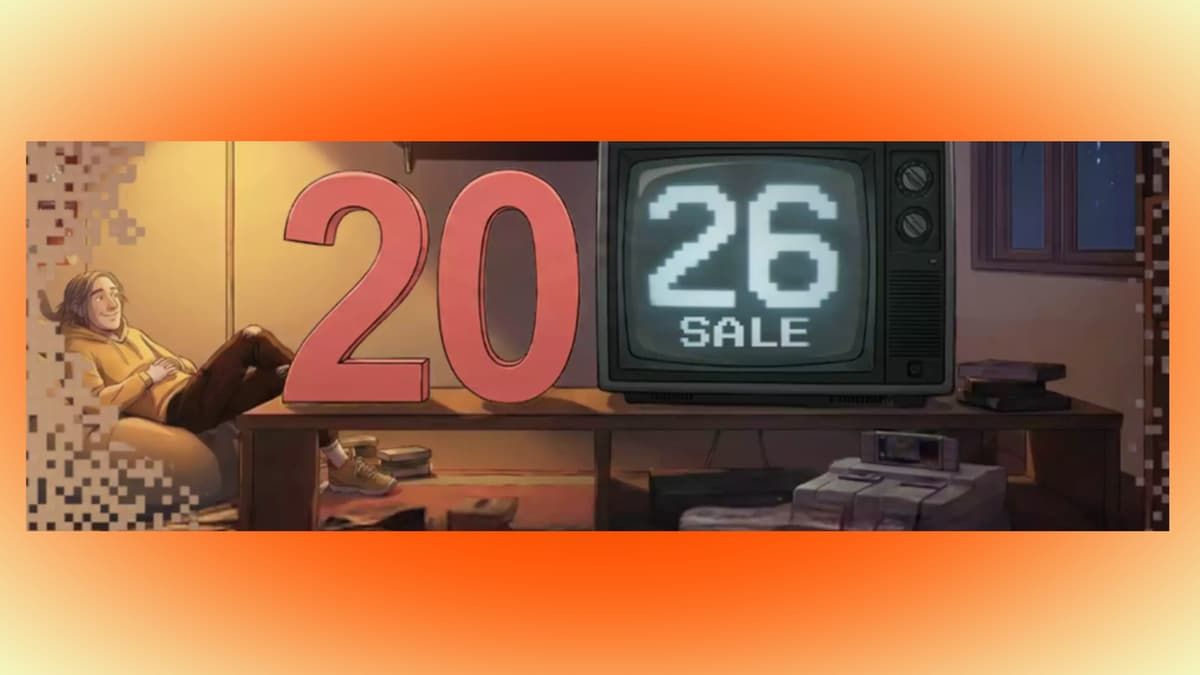
GOG accused of using AI-generated artwork for its New Year sale
- Allegations: A forum user identifying as a GOG team member said the New Year sale art is “fully AI,” and users noticed visual oddities that point to generative tooling.
- Company signals: GOG job listings (and archived versions) explicitly mention “active use of AI tools” in development workflows.
- Context: GOG’s DRM-free reputation raises community expectations for transparency and respect for creators.
- Implications: This highlights tensions around disclosure, artist credit, and the commercial use of generative AI in games retailing.
{{INFO_TABLE_START}}
Publisher|GOG
Release Date|Jan 2026
Category|Digital storefront news
Platform|PC
{{INFO_TABLE_END}}
What happened – the facts so far
Community members noticed oddities in the New Year sale banner: a person sitting behind a TV instead of in front of it, bizarre smudging and texture errors on a retro console, and strange framing cues that look like common generative-AI artifacts. A forum post from someone whose profile carries the blue “GOG.com Team” tag said the image is “fully AI.” PCGamesN has reached out to GOG for official confirmation.
Why the forum post and job listings matter
One forum post isn’t definitive proof on its own, but it gains weight because GOG’s own job ads list “active use of AI tools” as a responsibility and requirement for engineering roles. Those lines appear in recent postings and archived listings, so AI usage at the company is not a one-off surprise. Taken together, the visual signs plus staff-facing language suggest GOG is comfortable integrating generative tools into workflows.
Why this is sensitive for GOG’s audience
GOG built its reputation on doing things differently-DRM-free sales, emphasis on preservation, and a perceived alignment with gamers and indie creators. That goodwill makes transparency important: if a store leans on AI to generate commercial art, many in the community expect clear disclosure, credit where appropriate, and thought given to how AI use affects artists and IP.
There are also legal and ethical fault lines: did the imagery come from a pure internal generation, was it fine-tuned on proprietary assets, or was an artist’s work used without permission in training? Those are common concerns across the industry and are why transparency matters beyond aesthetics.
Industry context — this is not unique, but it’s notable
Across gaming and tech, companies are quietly adopting generative tools for everything from copywriting to concept art. What makes the GOG case noteworthy is the cultural dissonance: a platform prized for ethics and community voice appearing to use opaque AI-generated creative assets. The timing is also relevant—GOG was sold back to co-founder Michał Kiciński in December 2025, with promises to remain non-predatory and community-focused. Fans will watch how that philosophy translates to AI policy.
What this means for readers
If you shop on GOG you should know that the company appears to be experimenting with AI internally. That’s not automatically bad—AI can speed workflows and unlock creative iterations—but many gamers care about fair treatment of artists and intellectual property. Expect calls from the community for clearer disclosure and for GOG to say whether AI was used, how it was used, and whether human artists contributed or were credited.
Practically: the sale deals and game listings don’t change because of the artwork. But if you value transparency and artist rights, this is a signal to watch GOG’s next public statement and any policy updates about AI, credit, or content-generation practices.
TL;DR
GOG is accused of using AI-generated art for its New Year sale; a forum post from someone claiming to be a staffer and job listings referencing “active use of AI tools” back up the possibility. This is a classic case where technical adoption (generative AI) clashes with community expectations (transparency, artist respect). I’m hopeful GOG will clarify its practices quickly—disclosure would calm concerns and set a sensible precedent for ethical AI use in game retailing.
FinalBoss // Gear
Level up your setup
01Top-rated gaming headsetson Amazon→02High-refresh gaming monitorson Amazon→03Gaming chairson Amazon→04Discounted game keyson Kinguin→Affiliate links · As an Amazon Associate, FinalBoss earns from qualifying purchases.