
GOG wants preservation to survive — and it’s asking players to prove they care
This caught my eye because it’s rare to see a store sell a principle as loudly as a product. GOG’s February tweet — a direct response to New Blood publisher CEO Dave Oshry’s blunt warning that the platform is losing ground to Steam — wasn’t just PR theater. It read as a fundraising plea disguised as a mission statement: buy DRM-free games, vote Dreamlist, become a GOG Patron. If preservation is going to outlast market convenience, it needs customers willing to act now.
Key takeaways
- GOG doubled down on its DRM-free (no digital rights management) preservation pitch after public comments about its shrinking sales share vs Steam.
- Preservation work is expensive; GOG now leans on purchases, Dreamlist (GOG’s community voting list) and GOG Patrons for funding.
- Steam’s strengths — discoverability and social features that drive “player peaks” (concurrent active players) — still pull most mainstream attention.
Table of Contents (11)
What sparked the exchange
Dave Oshry, the outspoken CEO behind New Blood, told RPG Site that while he applauds GOG’s preservation work, the storefront represents a much smaller slice of publishers’ sales compared to Steam. He praised efforts like updating older games and bundling mod installers, then warned plainly: preservation only lasts if players care enough to support it financially.
GOG answered on Twitter the same day: preservation “only works if people care,” and urged supporters to buy DRM-free copies, vote on Dreamlist, and sign up for GOG Patrons to prove preservation isn’t just a niche talk track. It’s both a rallying cry and a reminder that preservation is ultimately a business decision.
What GOG has already been doing
GOG’s recent Preservation Program — launched publicly in 2024 — has been actively modernizing and certifying older titles for playability. By late 2024 and into 2025 the program expanded, certifying hundreds of classics and applying thousands of improvements (things like restored content and controller support), all with the explicit goal of keeping games playable forever via DRM-free builds. That work isn’t cheap, and GOG has been clear that publisher cooperation and community support shape how far it can reach.

Why the ask feels different from typical PR
The noble pitch — “games should live forever” — is true and emotionally persuasive. But there’s an uncomfortable truth baked into GOG’s tweet: preservation runs on thin margins. When GOG asks you to vote Dreamlist or become a Patron, that’s not purely ideology; it’s revenue strategy. The company’s longevity depends on persuading people to make small economic choices today that keep access possible tomorrow.
Steam’s practical advantages
Steam doesn’t win because it’s philosophically correct; it wins because it’s practical. Valve’s storefront drives sales through aggressive discounting, prominent front-page features, and bundles that turn browsers into buyers. Steam also amplifies social signals — friends lists, activity indicators and visible concurrent player counts (often called player peaks) — which create momentum for multiplayer and live-service titles. Those everyday conveniences are why a lot of gamers prioritize presence over permanence.
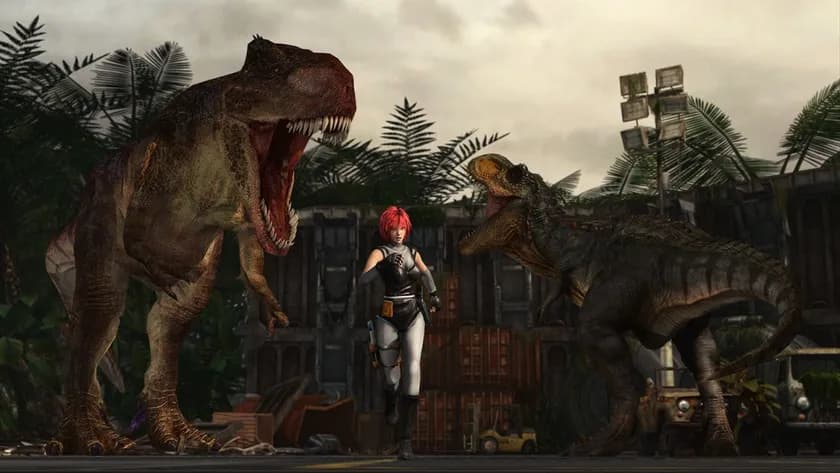
The real trade-off: permanence vs presence
Put simply: GOG sells permanence, Steam sells presence. A DRM-free title on GOG is more likely to be playable decades from now; a Steam release is likelier to be where your friends are this weekend, with matchmaking and mods already in place. For many players, the immediate social experience outweighs a theoretical future loss.
The question I’d ask GOG’s PR person
“Conservation requires funding — what concrete metrics or product changes will you use to turn Dreamlist votes and Patron sign-ups into sustainable revenue that doesn’t rely on goodwill alone?” In other words: show me a plan that scales beyond idealistic marketing tweets. Will GOG publish turnout on Dreamlist, Patron totals, or other KPIs that prove this model can expand?
What to watch next
- Public metrics: any disclosure of Dreamlist vote turnout, GOG Patron totals, or publisher sales splits will be telling.
- Publisher behavior: if more indies list simultaneously on Steam and GOG, GOG’s preservation argument gains muscle — but only if GOG also improves its revenue share or discoverability.
- Platform feature roadmap: friend lists, activity feeds, or stronger mod/community tools would narrow the convenience gap and make GOG a more compelling daily destination.
- Industry events: GDC 2026 panels and preservation-focused announcements will likely shape the next phase of this story.
Where this leaves players
Short-term, GOG’s tweet is a useful reminder: preservation doesn’t happen by virtue of being right. It requires paying customers and visible community support. Long-term, this is a test of whether niche principles can be monetized at scale or if preservation remains a boutique project for a committed minority.

TL;DR
GOG doubled down on DRM-free preservation after New Blood’s CEO warned it’s losing sales share to Steam. The company is asking players to back that stance with purchases, Dreamlist votes, and Patron sign-ups — because Steam’s discovery and social features still win the present. Watch for public metrics, publisher listings, and any new community features; those will decide whether preservation stays a principle or slips back into niche.
Conclusion
GOG’s appeal is blunt and honest: preservation needs funding, not just applause. Whether enough players will trade a bit of convenience for long-term access remains to be seen — and that outcome will be decided less by tweets and more by walk-up dollars, votes, and ongoing patronage.
FinalBoss // Gear
Level up your setup
01Graphics cardson Amazon→02Gaming laptopson Amazon→03High-refresh gaming monitorson Amazon→04Discounted game keyson Kinguin→Affiliate links · As an Amazon Associate, FinalBoss earns from qualifying purchases.
Want to Level Up Your Gaming?
Get access to exclusive strategies, hidden tips, and pro-level insights that we don't share publicly.
Ultimate Gaming Strategy Guide + Weekly Pro Tips