
Table of Contents (7)
Going Medieval finally gives its sandbox an endpoint – and it’s launching 1.0 on March 12
Going Medieval didn’t just survive Early Access – it sold more than a million copies doing it. Now, on March 12, Foxy Voxel and Mythwright are pushing the medieval colony sim into 1.0 with a major shift: a global progression layer called Renown and six campaign-ending Grand Objectives that give players a concrete way to finish a run.
- Early Access success: over 1 million units sold before full launch.
- Big design change: Renown tracks global stats (trade, military, intellect, etc.) and unlocks six Grand Objectives once you hit 100% in a stat.
- Content and UX additions: four starting scenarios, new buildings/roles, an improved tutorial, and focused quality-of-life fixes.
- Platforms and timing: 1.0 releases March 12 on Steam, Epic Games Store and GOG.
What this actually changes
For most colony sims the tension is between emergent storytelling and meaningful long-term goals. Going Medieval leaned hard into emergent building and chaotic player-driven moments while in Early Access – players poured creativity into castles, defenses and disastrous winters. Renown is the first time the game pushes players out of aimless expansion and toward specific “destinies” for their settlements: master merchants, sanctified havens, militaristic warlords and the like. Hit 100% in a Renown stat and a Grand Objective becomes available to close the campaign.
The uncomfortable observation
Adding an endgame is the sort of move a designer makes when they want to broaden appeal beyond builders who enjoy the loop for its own sake. That’s sensible — it helps reviews and sell-through on store pages — but it risks undermining what made Going Medieval sing for players who loved unscripted setbacks and accidental stories. A tracked global currency of ‘Renown’ turns messy, emergent play into a set of measurable KPIs. The question Foxy Voxel needs to answer quickly: is Renown optional, or will every run be gamed toward Grand Objectives until the sandbox feels like a checklist?
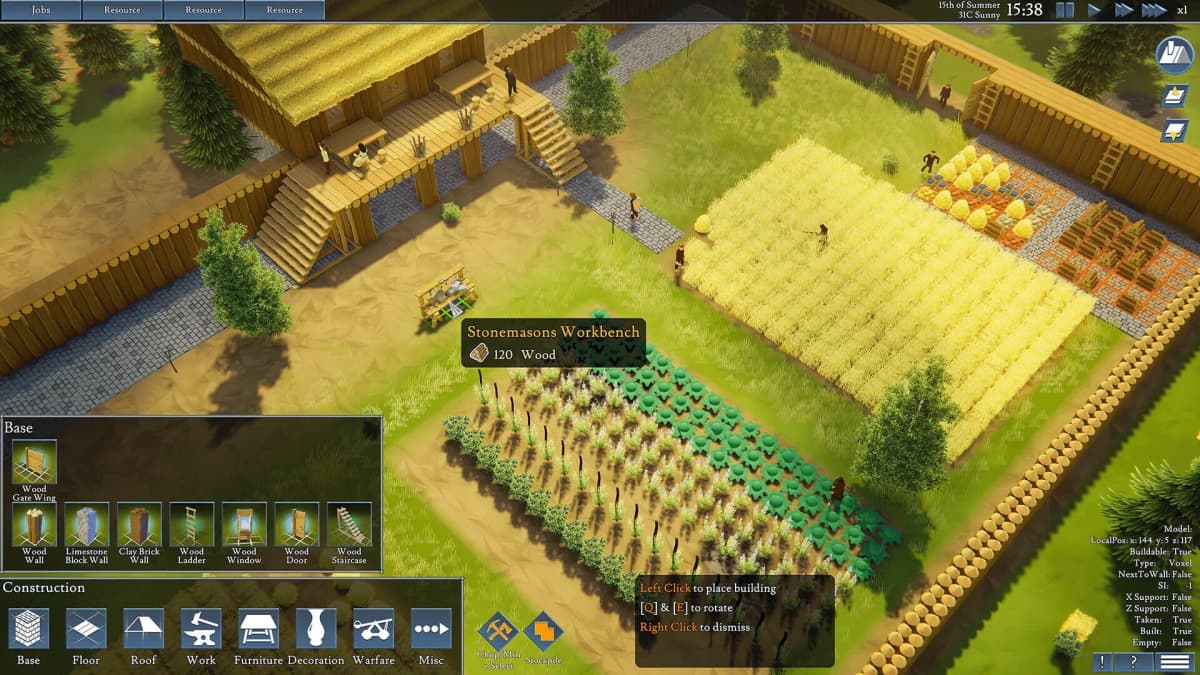
Stuart Morton from Mythwright leaned into the positives in the announcement, calling Early Access support “huge” and crediting players’ builds and feedback for shaping 1.0. That’s true — player feedback drove a lot of the sensible UX fixes — but the marketing line doesn’t address whether this new progression will become a mandatory part of the meta.
What they fixed — and why that matters
The launch isn’t just Renown and objectives. The 1.0 patch bundles four starting scenarios (A New Life, Pioneer, Peaceful, Lone Wolf) so players can tailor pacing at the outset, new settler roles like Librarian and Sergeant-at-arms, rooms such as Training Room and Fellows’ Library, and a redesigned management panel. Most importantly for newcomers, a temporary tutorial map walks players through basics from construction to villager management — a long-overdue concession for a game that previously expected players to learn by cannonfire and famine.
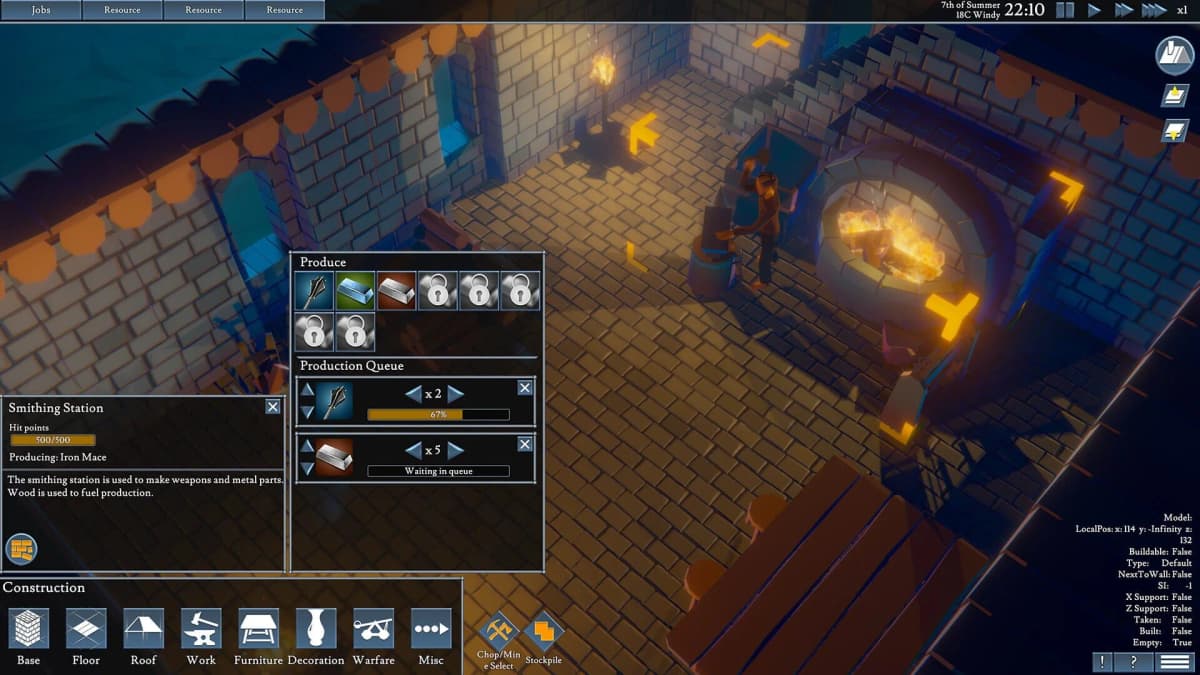
Quality-of-life work — stockpile control, production fixes and clearer meal prep — is the sort of polish that keeps players in the game longer. In short: Foxy Voxel has balanced content additions with practical UX fixes that should reduce friction for both veterans and fresh players.
Where this sits in the calendar — and why it matters
March is crowded with big launches and nostalgia-bait remasters, so Going Medieval’s 1.0 will need steam behind it to stand out. Its million-copy Early Access pedigree helps — that’s a selling point in storefront algorithms and playlist features — but the real litmus test will be whether the post-launch community prefers sandbox freedom or structured objectives.

What to watch next
- Player reaction to Renown: Are Grand Objectives treated as optional goals or the default route to ‘winning’?
- Steam peak concurrent players on launch day and week — that will show whether 1.0 grows the audience beyond Early Access buyers.
- Mod and community tools: Will the devs support the mod scene that fueled a lot of Early Access creativity?
- Post-launch roadmap: patches, balance changes or paid DLC that lock or expand Renown mechanics.
If I had one question for the PR rep it would be blunt: can you play 1.0 as you did in Early Access — aimless, emergent, and messy — without Renown creeping in as the only path that matters? The answer will tell us whether Going Medieval kept its soul or traded part of it for a clearer finish line.
TL;DR
Going Medieval leaves Early Access on March 12 with over 1 million copies sold. The headline change is Renown and six Grand Objectives that give the colony sim an endgame — useful for players who want goals, but potentially reshaping the sandbox playstyle. Watch player reaction, concurrent Steam numbers, and whether Renown is a toggleable layer or the new de facto meta.
FinalBoss // Gear
Level up your setup
01Top-rated gaming headsetson Amazon→02High-refresh gaming monitorson Amazon→03Gaming chairson Amazon→04Discounted game keyson Kinguin→Affiliate links · As an Amazon Associate, FinalBoss earns from qualifying purchases.
Want to Level Up Your Gaming?
Get access to exclusive strategies, hidden tips, and pro-level insights that we don't share publicly.
Ultimate Gaming Strategy Guide + Weekly Pro Tips