
Foxy Voxel has earned goodwill: more than a million players and a five-year cadence of meaningful updates. But goodwill is starter fuel — the engine now needs to prove the endgame is worth the ignition. I’ll be paying attention to how Grand Objectives change strategy and whether Renown feels like progression or just a scoreboard.
Table of Contents (223)
TL;DR
Going Medieval closes Early Access on March 12 with a formal 1.0 that adds Renown, Grand Objectives, new roles/buildings, and a demo. It’s the sensible culmination of 16 major updates and 1M sales, but the core test is whether the new endgame meaningfully alters the late-game loop. Watch demo reviews, early patch notes and mod activity to know if 1.0 truly finishes what Early Access started.
- Demo feedback on Steam: look at playtime-to-complete, early impressions, and the ratio of wishlists to purchases.
- First 48-72 hour patch notes after March 12 — they’ll show what issues slipped past QA.
- Player retention metrics: are runs shorter and more varied (good), or are players still logging endless hundreds of hours only to repeat the same loop?
- Modding activity: a healthy Workshop in the first month will extend the game’s life far more than any number of achievements.
Foxy Voxel has earned goodwill: more than a million players and a five-year cadence of meaningful updates. But goodwill is starter fuel — the engine now needs to prove the endgame is worth the ignition. I’ll be paying attention to how Grand Objectives change strategy and whether Renown feels like progression or just a scoreboard.
TL;DR
Going Medieval closes Early Access on March 12 with a formal 1.0 that adds Renown, Grand Objectives, new roles/buildings, and a demo. It’s the sensible culmination of 16 major updates and 1M sales, but the core test is whether the new endgame meaningfully alters the late-game loop. Watch demo reviews, early patch notes and mod activity to know if 1.0 truly finishes what Early Access started.
- Demo feedback on Steam: look at playtime-to-complete, early impressions, and the ratio of wishlists to purchases.
- First 48-72 hour patch notes after March 12 — they’ll show what issues slipped past QA.
- Player retention metrics: are runs shorter and more varied (good), or are players still logging endless hundreds of hours only to repeat the same loop?
- Modding activity: a healthy Workshop in the first month will extend the game’s life far more than any number of achievements.
Foxy Voxel has earned goodwill: more than a million players and a five-year cadence of meaningful updates. But goodwill is starter fuel — the engine now needs to prove the endgame is worth the ignition. I’ll be paying attention to how Grand Objectives change strategy and whether Renown feels like progression or just a scoreboard.
TL;DR
Going Medieval closes Early Access on March 12 with a formal 1.0 that adds Renown, Grand Objectives, new roles/buildings, and a demo. It’s the sensible culmination of 16 major updates and 1M sales, but the core test is whether the new endgame meaningfully alters the late-game loop. Watch demo reviews, early patch notes and mod activity to know if 1.0 truly finishes what Early Access started.
After five years of iterative tinkering, Going Medieval is ditching “Early Access” for a formal finish line on March 12, 2026 – and for once that matters. Foxy Voxel has spent the last half-decade adding systems (water, fire, imprisonment, siege weapons, trading, mod support) and quality-of-life fixes. 1.0 is the studio’s attempt to turn a beautifully loose sandbox into a complete colony sim with a proper endgame, a progression layer and a cleaner onboarding experience.
- Key takeaway: 1.0 bundles years of community-driven updates into a structured finish – Renown, Grand Objectives, new starting scenarios and a demo to try before you buy.
- Notable facts: launch on March 12 across Steam, Epic and GOG; free Steam demo available now; over 1 million Early Access sales.
- What matters next: demo reception, early patch notes, and whether Grand Objectives actually stop the “one more raid” endless loop or just dress it up.
Why this 1.0 actually matters
Most indie sims leave Early Access when the checklist looks good on a Steam page. Going Medieval’s 1.0 matters because it is explicitly trying to change the game’s identity from a sandbox you endlessly tinker with into a game with a destination. The headline additions do the work: a Renown system for global progression, six campaign-closing Grand Objectives to give players a finish line, and four curated starting scenarios (A New Life, Pioneer, Peaceful, Lone Wolf) that alter how your run begins. Those are not trivial UI tweaks – they reshape how you approach every settlement, from first build to final siege.
Foxy Voxel and publisher Mythwright confirmed the March 12 release and published a trailer during IGN Fan Fest (Feb 25). The trailer doubles as a capstone, reminding you of the 16 major updates pushed since winter 2021 — the features that actually matured the game: water physics, fire spread, imprisonment, trading, siege weapons, wildlife taming and better mod tools. GamesPress also notes more than one million Early Access sales, which explains why the team is aiming for a polished, replayable 1.0 rather than a quiet graduation.
The uncomfortable observation: “endgame” is a menu item until proven otherwise
Call me skeptical: “a proper endgame” is the PR line every sim developer deploys when they want to stop being criticized for having no closing mechanics. Going Medieval’s Grand Objectives and Renown are the right direction — they add narrative weight and meta-progression — but whether they fix the core loop depends on depth. Are Grand Objectives single large tasks you slog toward, or branching narrative finales that force you to change playstyles? Will Renown reward varied strategies or just track stats for cosmetic unlocks? The announcement tells us structure exists; it doesn’t tell us how satisfying it is to complete.
Details that actually change gameplay
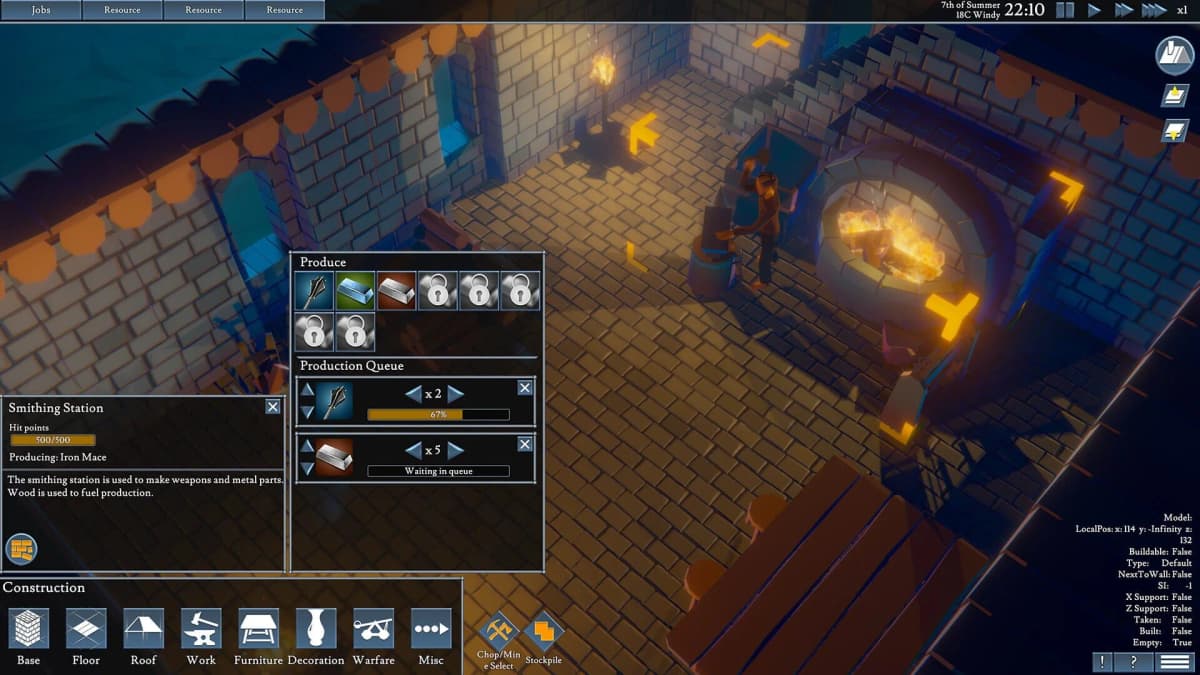
The 1.0 patch introduces new settler roles (Librarian, Broker, Sergeant-at-arms), buildings (Training Room, Treasury, Fellows’ Library) and overhaul-level quality-of-life improvements — production and stockpile systems, redesigned management panels, improved tutorial and meal prep behavior. Those are the nuts-and-bolts changes that make a long simulation tolerable and, crucially, playable in late-game. The Steam demo, published alongside the announcement, lets you test the opening hours without committing — exactly the kind of transparency I want from an Early Access graduate.
The question nobody’s asking out loud
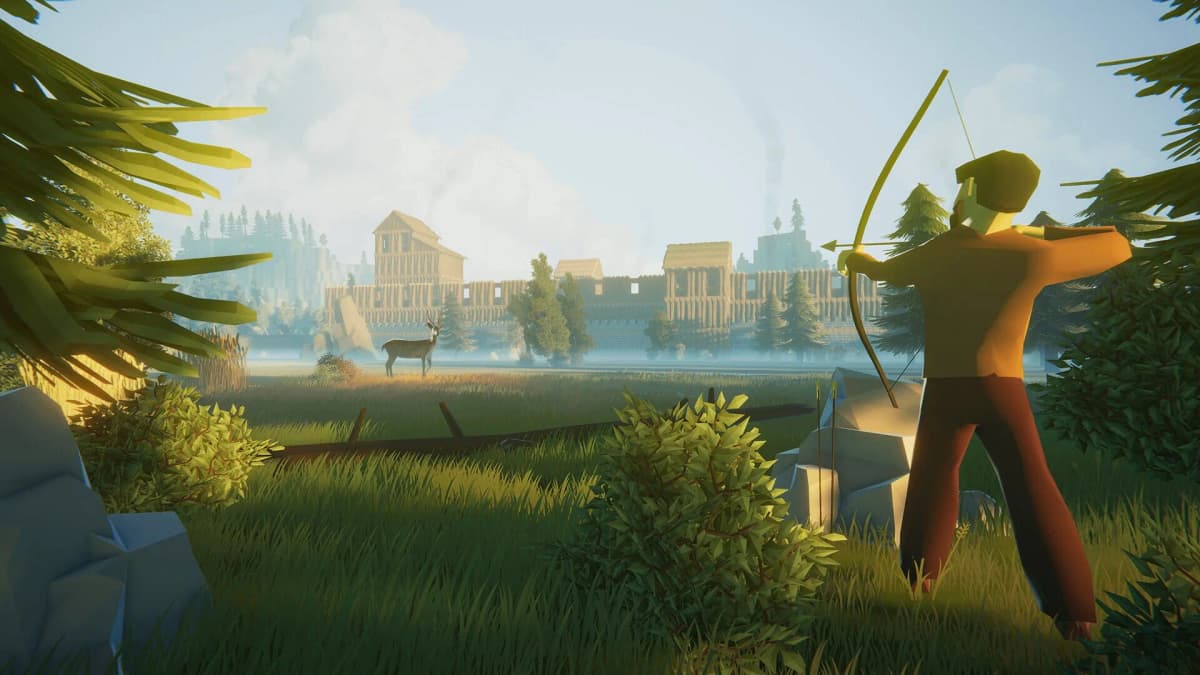
What’s the real play loop at hour 100? Community-driven improvements got the game here, and mod support is already part of the story, but a finished game needs systems that diversify decisions late-game. If the best strategy remains “turtle, add defenses, grind resources, survive raids,” then 1.0 is polish, not transformation. If Renown and Grand Objectives force you to expand, specialize or fail spectacularly, then Foxy Voxel will have done something rare: turned an endless sandbox into repeatable, purposeful campaigns.
What to watch next
- Demo feedback on Steam: look at playtime-to-complete, early impressions, and the ratio of wishlists to purchases.
- First 48-72 hour patch notes after March 12 — they’ll show what issues slipped past QA.
- Player retention metrics: are runs shorter and more varied (good), or are players still logging endless hundreds of hours only to repeat the same loop?
- Modding activity: a healthy Workshop in the first month will extend the game’s life far more than any number of achievements.
Foxy Voxel has earned goodwill: more than a million players and a five-year cadence of meaningful updates. But goodwill is starter fuel — the engine now needs to prove the endgame is worth the ignition. I’ll be paying attention to how Grand Objectives change strategy and whether Renown feels like progression or just a scoreboard.
TL;DR
Going Medieval closes Early Access on March 12 with a formal 1.0 that adds Renown, Grand Objectives, new roles/buildings, and a demo. It’s the sensible culmination of 16 major updates and 1M sales, but the core test is whether the new endgame meaningfully alters the late-game loop. Watch demo reviews, early patch notes and mod activity to know if 1.0 truly finishes what Early Access started.
- Demo feedback on Steam: look at playtime-to-complete, early impressions, and the ratio of wishlists to purchases.
- First 48-72 hour patch notes after March 12 — they’ll show what issues slipped past QA.
- Player retention metrics: are runs shorter and more varied (good), or are players still logging endless hundreds of hours only to repeat the same loop?
- Modding activity: a healthy Workshop in the first month will extend the game’s life far more than any number of achievements.
Foxy Voxel has earned goodwill: more than a million players and a five-year cadence of meaningful updates. But goodwill is starter fuel — the engine now needs to prove the endgame is worth the ignition. I’ll be paying attention to how Grand Objectives change strategy and whether Renown feels like progression or just a scoreboard.
TL;DR
Going Medieval closes Early Access on March 12 with a formal 1.0 that adds Renown, Grand Objectives, new roles/buildings, and a demo. It’s the sensible culmination of 16 major updates and 1M sales, but the core test is whether the new endgame meaningfully alters the late-game loop. Watch demo reviews, early patch notes and mod activity to know if 1.0 truly finishes what Early Access started.
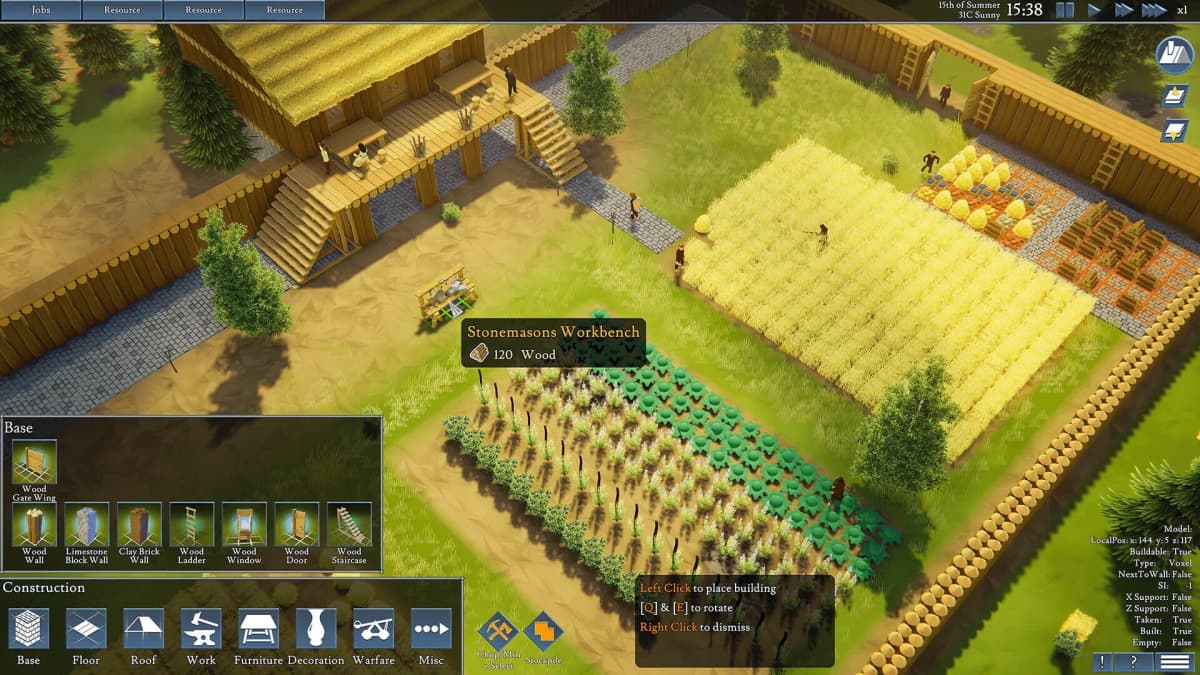
After five years of iterative tinkering, Going Medieval is ditching “Early Access” for a formal finish line on March 12, 2026 – and for once that matters. Foxy Voxel has spent the last half-decade adding systems (water, fire, imprisonment, siege weapons, trading, mod support) and quality-of-life fixes. 1.0 is the studio’s attempt to turn a beautifully loose sandbox into a complete colony sim with a proper endgame, a progression layer and a cleaner onboarding experience.
- Key takeaway: 1.0 bundles years of community-driven updates into a structured finish – Renown, Grand Objectives, new starting scenarios and a demo to try before you buy.
- Notable facts: launch on March 12 across Steam, Epic and GOG; free Steam demo available now; over 1 million Early Access sales.
- What matters next: demo reception, early patch notes, and whether Grand Objectives actually stop the “one more raid” endless loop or just dress it up.
Why this 1.0 actually matters
Most indie sims leave Early Access when the checklist looks good on a Steam page. Going Medieval’s 1.0 matters because it is explicitly trying to change the game’s identity from a sandbox you endlessly tinker with into a game with a destination. The headline additions do the work: a Renown system for global progression, six campaign-closing Grand Objectives to give players a finish line, and four curated starting scenarios (A New Life, Pioneer, Peaceful, Lone Wolf) that alter how your run begins. Those are not trivial UI tweaks – they reshape how you approach every settlement, from first build to final siege.
Foxy Voxel and publisher Mythwright confirmed the March 12 release and published a trailer during IGN Fan Fest (Feb 25). The trailer doubles as a capstone, reminding you of the 16 major updates pushed since winter 2021 — the features that actually matured the game: water physics, fire spread, imprisonment, trading, siege weapons, wildlife taming and better mod tools. GamesPress also notes more than one million Early Access sales, which explains why the team is aiming for a polished, replayable 1.0 rather than a quiet graduation.
The uncomfortable observation: “endgame” is a menu item until proven otherwise
Call me skeptical: “a proper endgame” is the PR line every sim developer deploys when they want to stop being criticized for having no closing mechanics. Going Medieval’s Grand Objectives and Renown are the right direction — they add narrative weight and meta-progression — but whether they fix the core loop depends on depth. Are Grand Objectives single large tasks you slog toward, or branching narrative finales that force you to change playstyles? Will Renown reward varied strategies or just track stats for cosmetic unlocks? The announcement tells us structure exists; it doesn’t tell us how satisfying it is to complete.
Details that actually change gameplay
The 1.0 patch introduces new settler roles (Librarian, Broker, Sergeant-at-arms), buildings (Training Room, Treasury, Fellows’ Library) and overhaul-level quality-of-life improvements — production and stockpile systems, redesigned management panels, improved tutorial and meal prep behavior. Those are the nuts-and-bolts changes that make a long simulation tolerable and, crucially, playable in late-game. The Steam demo, published alongside the announcement, lets you test the opening hours without committing — exactly the kind of transparency I want from an Early Access graduate.
The question nobody’s asking out loud
What’s the real play loop at hour 100? Community-driven improvements got the game here, and mod support is already part of the story, but a finished game needs systems that diversify decisions late-game. If the best strategy remains “turtle, add defenses, grind resources, survive raids,” then 1.0 is polish, not transformation. If Renown and Grand Objectives force you to expand, specialize or fail spectacularly, then Foxy Voxel will have done something rare: turned an endless sandbox into repeatable, purposeful campaigns.
What to watch next
- Demo feedback on Steam: look at playtime-to-complete, early impressions, and the ratio of wishlists to purchases.
- First 48-72 hour patch notes after March 12 — they’ll show what issues slipped past QA.
- Player retention metrics: are runs shorter and more varied (good), or are players still logging endless hundreds of hours only to repeat the same loop?
- Modding activity: a healthy Workshop in the first month will extend the game’s life far more than any number of achievements.
Foxy Voxel has earned goodwill: more than a million players and a five-year cadence of meaningful updates. But goodwill is starter fuel — the engine now needs to prove the endgame is worth the ignition. I’ll be paying attention to how Grand Objectives change strategy and whether Renown feels like progression or just a scoreboard.
TL;DR
Going Medieval closes Early Access on March 12 with a formal 1.0 that adds Renown, Grand Objectives, new roles/buildings, and a demo. It’s the sensible culmination of 16 major updates and 1M sales, but the core test is whether the new endgame meaningfully alters the late-game loop. Watch demo reviews, early patch notes and mod activity to know if 1.0 truly finishes what Early Access started.
- Demo feedback on Steam: look at playtime-to-complete, early impressions, and the ratio of wishlists to purchases.
- First 48-72 hour patch notes after March 12 — they’ll show what issues slipped past QA.
- Player retention metrics: are runs shorter and more varied (good), or are players still logging endless hundreds of hours only to repeat the same loop?
- Modding activity: a healthy Workshop in the first month will extend the game’s life far more than any number of achievements.
Foxy Voxel has earned goodwill: more than a million players and a five-year cadence of meaningful updates. But goodwill is starter fuel — the engine now needs to prove the endgame is worth the ignition. I’ll be paying attention to how Grand Objectives change strategy and whether Renown feels like progression or just a scoreboard.
TL;DR
Going Medieval closes Early Access on March 12 with a formal 1.0 that adds Renown, Grand Objectives, new roles/buildings, and a demo. It’s the sensible culmination of 16 major updates and 1M sales, but the core test is whether the new endgame meaningfully alters the late-game loop. Watch demo reviews, early patch notes and mod activity to know if 1.0 truly finishes what Early Access started.
After five years of iterative tinkering, Going Medieval is ditching “Early Access” for a formal finish line on March 12, 2026 – and for once that matters. Foxy Voxel has spent the last half-decade adding systems (water, fire, imprisonment, siege weapons, trading, mod support) and quality-of-life fixes. 1.0 is the studio’s attempt to turn a beautifully loose sandbox into a complete colony sim with a proper endgame, a progression layer and a cleaner onboarding experience.
- Key takeaway: 1.0 bundles years of community-driven updates into a structured finish – Renown, Grand Objectives, new starting scenarios and a demo to try before you buy.
- Notable facts: launch on March 12 across Steam, Epic and GOG; free Steam demo available now; over 1 million Early Access sales.
- What matters next: demo reception, early patch notes, and whether Grand Objectives actually stop the “one more raid” endless loop or just dress it up.
Why this 1.0 actually matters
Most indie sims leave Early Access when the checklist looks good on a Steam page. Going Medieval’s 1.0 matters because it is explicitly trying to change the game’s identity from a sandbox you endlessly tinker with into a game with a destination. The headline additions do the work: a Renown system for global progression, six campaign-closing Grand Objectives to give players a finish line, and four curated starting scenarios (A New Life, Pioneer, Peaceful, Lone Wolf) that alter how your run begins. Those are not trivial UI tweaks – they reshape how you approach every settlement, from first build to final siege.
Foxy Voxel and publisher Mythwright confirmed the March 12 release and published a trailer during IGN Fan Fest (Feb 25). The trailer doubles as a capstone, reminding you of the 16 major updates pushed since winter 2021 — the features that actually matured the game: water physics, fire spread, imprisonment, trading, siege weapons, wildlife taming and better mod tools. GamesPress also notes more than one million Early Access sales, which explains why the team is aiming for a polished, replayable 1.0 rather than a quiet graduation.
The uncomfortable observation: “endgame” is a menu item until proven otherwise
Call me skeptical: “a proper endgame” is the PR line every sim developer deploys when they want to stop being criticized for having no closing mechanics. Going Medieval’s Grand Objectives and Renown are the right direction — they add narrative weight and meta-progression — but whether they fix the core loop depends on depth. Are Grand Objectives single large tasks you slog toward, or branching narrative finales that force you to change playstyles? Will Renown reward varied strategies or just track stats for cosmetic unlocks? The announcement tells us structure exists; it doesn’t tell us how satisfying it is to complete.
Details that actually change gameplay
The 1.0 patch introduces new settler roles (Librarian, Broker, Sergeant-at-arms), buildings (Training Room, Treasury, Fellows’ Library) and overhaul-level quality-of-life improvements — production and stockpile systems, redesigned management panels, improved tutorial and meal prep behavior. Those are the nuts-and-bolts changes that make a long simulation tolerable and, crucially, playable in late-game. The Steam demo, published alongside the announcement, lets you test the opening hours without committing — exactly the kind of transparency I want from an Early Access graduate.
The question nobody’s asking out loud
What’s the real play loop at hour 100? Community-driven improvements got the game here, and mod support is already part of the story, but a finished game needs systems that diversify decisions late-game. If the best strategy remains “turtle, add defenses, grind resources, survive raids,” then 1.0 is polish, not transformation. If Renown and Grand Objectives force you to expand, specialize or fail spectacularly, then Foxy Voxel will have done something rare: turned an endless sandbox into repeatable, purposeful campaigns.
What to watch next
- Demo feedback on Steam: look at playtime-to-complete, early impressions, and the ratio of wishlists to purchases.
- First 48-72 hour patch notes after March 12 — they’ll show what issues slipped past QA.
- Player retention metrics: are runs shorter and more varied (good), or are players still logging endless hundreds of hours only to repeat the same loop?
- Modding activity: a healthy Workshop in the first month will extend the game’s life far more than any number of achievements.
Foxy Voxel has earned goodwill: more than a million players and a five-year cadence of meaningful updates. But goodwill is starter fuel — the engine now needs to prove the endgame is worth the ignition. I’ll be paying attention to how Grand Objectives change strategy and whether Renown feels like progression or just a scoreboard.
TL;DR
Going Medieval closes Early Access on March 12 with a formal 1.0 that adds Renown, Grand Objectives, new roles/buildings, and a demo. It’s the sensible culmination of 16 major updates and 1M sales, but the core test is whether the new endgame meaningfully alters the late-game loop. Watch demo reviews, early patch notes and mod activity to know if 1.0 truly finishes what Early Access started.
- Demo feedback on Steam: look at playtime-to-complete, early impressions, and the ratio of wishlists to purchases.
- First 48-72 hour patch notes after March 12 — they’ll show what issues slipped past QA.
- Player retention metrics: are runs shorter and more varied (good), or are players still logging endless hundreds of hours only to repeat the same loop?
- Modding activity: a healthy Workshop in the first month will extend the game’s life far more than any number of achievements.
Foxy Voxel has earned goodwill: more than a million players and a five-year cadence of meaningful updates. But goodwill is starter fuel — the engine now needs to prove the endgame is worth the ignition. I’ll be paying attention to how Grand Objectives change strategy and whether Renown feels like progression or just a scoreboard.
TL;DR
Going Medieval closes Early Access on March 12 with a formal 1.0 that adds Renown, Grand Objectives, new roles/buildings, and a demo. It’s the sensible culmination of 16 major updates and 1M sales, but the core test is whether the new endgame meaningfully alters the late-game loop. Watch demo reviews, early patch notes and mod activity to know if 1.0 truly finishes what Early Access started.
- Demo feedback on Steam: look at playtime-to-complete, early impressions, and the ratio of wishlists to purchases.
- First 48-72 hour patch notes after March 12 — they’ll show what issues slipped past QA.
- Player retention metrics: are runs shorter and more varied (good), or are players still logging endless hundreds of hours only to repeat the same loop?
- Modding activity: a healthy Workshop in the first month will extend the game’s life far more than any number of achievements.
Foxy Voxel has earned goodwill: more than a million players and a five-year cadence of meaningful updates. But goodwill is starter fuel — the engine now needs to prove the endgame is worth the ignition. I’ll be paying attention to how Grand Objectives change strategy and whether Renown feels like progression or just a scoreboard.
TL;DR
Going Medieval closes Early Access on March 12 with a formal 1.0 that adds Renown, Grand Objectives, new roles/buildings, and a demo. It’s the sensible culmination of 16 major updates and 1M sales, but the core test is whether the new endgame meaningfully alters the late-game loop. Watch demo reviews, early patch notes and mod activity to know if 1.0 truly finishes what Early Access started.
After five years of iterative tinkering, Going Medieval is ditching “Early Access” for a formal finish line on March 12, 2026 – and for once that matters. Foxy Voxel has spent the last half-decade adding systems (water, fire, imprisonment, siege weapons, trading, mod support) and quality-of-life fixes. 1.0 is the studio’s attempt to turn a beautifully loose sandbox into a complete colony sim with a proper endgame, a progression layer and a cleaner onboarding experience.
- Key takeaway: 1.0 bundles years of community-driven updates into a structured finish – Renown, Grand Objectives, new starting scenarios and a demo to try before you buy.
- Notable facts: launch on March 12 across Steam, Epic and GOG; free Steam demo available now; over 1 million Early Access sales.
- What matters next: demo reception, early patch notes, and whether Grand Objectives actually stop the “one more raid” endless loop or just dress it up.
Why this 1.0 actually matters
Most indie sims leave Early Access when the checklist looks good on a Steam page. Going Medieval’s 1.0 matters because it is explicitly trying to change the game’s identity from a sandbox you endlessly tinker with into a game with a destination. The headline additions do the work: a Renown system for global progression, six campaign-closing Grand Objectives to give players a finish line, and four curated starting scenarios (A New Life, Pioneer, Peaceful, Lone Wolf) that alter how your run begins. Those are not trivial UI tweaks – they reshape how you approach every settlement, from first build to final siege.
Foxy Voxel and publisher Mythwright confirmed the March 12 release and published a trailer during IGN Fan Fest (Feb 25). The trailer doubles as a capstone, reminding you of the 16 major updates pushed since winter 2021 — the features that actually matured the game: water physics, fire spread, imprisonment, trading, siege weapons, wildlife taming and better mod tools. GamesPress also notes more than one million Early Access sales, which explains why the team is aiming for a polished, replayable 1.0 rather than a quiet graduation.
The uncomfortable observation: “endgame” is a menu item until proven otherwise
Call me skeptical: “a proper endgame” is the PR line every sim developer deploys when they want to stop being criticized for having no closing mechanics. Going Medieval’s Grand Objectives and Renown are the right direction — they add narrative weight and meta-progression — but whether they fix the core loop depends on depth. Are Grand Objectives single large tasks you slog toward, or branching narrative finales that force you to change playstyles? Will Renown reward varied strategies or just track stats for cosmetic unlocks? The announcement tells us structure exists; it doesn’t tell us how satisfying it is to complete.
Details that actually change gameplay
The 1.0 patch introduces new settler roles (Librarian, Broker, Sergeant-at-arms), buildings (Training Room, Treasury, Fellows’ Library) and overhaul-level quality-of-life improvements — production and stockpile systems, redesigned management panels, improved tutorial and meal prep behavior. Those are the nuts-and-bolts changes that make a long simulation tolerable and, crucially, playable in late-game. The Steam demo, published alongside the announcement, lets you test the opening hours without committing — exactly the kind of transparency I want from an Early Access graduate.
The question nobody’s asking out loud
What’s the real play loop at hour 100? Community-driven improvements got the game here, and mod support is already part of the story, but a finished game needs systems that diversify decisions late-game. If the best strategy remains “turtle, add defenses, grind resources, survive raids,” then 1.0 is polish, not transformation. If Renown and Grand Objectives force you to expand, specialize or fail spectacularly, then Foxy Voxel will have done something rare: turned an endless sandbox into repeatable, purposeful campaigns.
What to watch next
- Demo feedback on Steam: look at playtime-to-complete, early impressions, and the ratio of wishlists to purchases.
- First 48-72 hour patch notes after March 12 — they’ll show what issues slipped past QA.
- Player retention metrics: are runs shorter and more varied (good), or are players still logging endless hundreds of hours only to repeat the same loop?
- Modding activity: a healthy Workshop in the first month will extend the game’s life far more than any number of achievements.
Foxy Voxel has earned goodwill: more than a million players and a five-year cadence of meaningful updates. But goodwill is starter fuel — the engine now needs to prove the endgame is worth the ignition. I’ll be paying attention to how Grand Objectives change strategy and whether Renown feels like progression or just a scoreboard.
TL;DR
Going Medieval closes Early Access on March 12 with a formal 1.0 that adds Renown, Grand Objectives, new roles/buildings, and a demo. It’s the sensible culmination of 16 major updates and 1M sales, but the core test is whether the new endgame meaningfully alters the late-game loop. Watch demo reviews, early patch notes and mod activity to know if 1.0 truly finishes what Early Access started.
- Demo feedback on Steam: look at playtime-to-complete, early impressions, and the ratio of wishlists to purchases.
- First 48-72 hour patch notes after March 12 — they’ll show what issues slipped past QA.
- Player retention metrics: are runs shorter and more varied (good), or are players still logging endless hundreds of hours only to repeat the same loop?
- Modding activity: a healthy Workshop in the first month will extend the game’s life far more than any number of achievements.
Foxy Voxel has earned goodwill: more than a million players and a five-year cadence of meaningful updates. But goodwill is starter fuel — the engine now needs to prove the endgame is worth the ignition. I’ll be paying attention to how Grand Objectives change strategy and whether Renown feels like progression or just a scoreboard.
TL;DR
Going Medieval closes Early Access on March 12 with a formal 1.0 that adds Renown, Grand Objectives, new roles/buildings, and a demo. It’s the sensible culmination of 16 major updates and 1M sales, but the core test is whether the new endgame meaningfully alters the late-game loop. Watch demo reviews, early patch notes and mod activity to know if 1.0 truly finishes what Early Access started.
- Demo feedback on Steam: look at playtime-to-complete, early impressions, and the ratio of wishlists to purchases.
- First 48-72 hour patch notes after March 12 — they’ll show what issues slipped past QA.
- Player retention metrics: are runs shorter and more varied (good), or are players still logging endless hundreds of hours only to repeat the same loop?
- Modding activity: a healthy Workshop in the first month will extend the game’s life far more than any number of achievements.
Foxy Voxel has earned goodwill: more than a million players and a five-year cadence of meaningful updates. But goodwill is starter fuel — the engine now needs to prove the endgame is worth the ignition. I’ll be paying attention to how Grand Objectives change strategy and whether Renown feels like progression or just a scoreboard.
TL;DR
Going Medieval closes Early Access on March 12 with a formal 1.0 that adds Renown, Grand Objectives, new roles/buildings, and a demo. It’s the sensible culmination of 16 major updates and 1M sales, but the core test is whether the new endgame meaningfully alters the late-game loop. Watch demo reviews, early patch notes and mod activity to know if 1.0 truly finishes what Early Access started.
- Demo feedback on Steam: look at playtime-to-complete, early impressions, and the ratio of wishlists to purchases.
- First 48-72 hour patch notes after March 12 — they’ll show what issues slipped past QA.
- Player retention metrics: are runs shorter and more varied (good), or are players still logging endless hundreds of hours only to repeat the same loop?
- Modding activity: a healthy Workshop in the first month will extend the game’s life far more than any number of achievements.
Foxy Voxel has earned goodwill: more than a million players and a five-year cadence of meaningful updates. But goodwill is starter fuel — the engine now needs to prove the endgame is worth the ignition. I’ll be paying attention to how Grand Objectives change strategy and whether Renown feels like progression or just a scoreboard.
TL;DR
Going Medieval closes Early Access on March 12 with a formal 1.0 that adds Renown, Grand Objectives, new roles/buildings, and a demo. It’s the sensible culmination of 16 major updates and 1M sales, but the core test is whether the new endgame meaningfully alters the late-game loop. Watch demo reviews, early patch notes and mod activity to know if 1.0 truly finishes what Early Access started.
After five years of iterative tinkering, Going Medieval is ditching “Early Access” for a formal finish line on March 12, 2026 – and for once that matters. Foxy Voxel has spent the last half-decade adding systems (water, fire, imprisonment, siege weapons, trading, mod support) and quality-of-life fixes. 1.0 is the studio’s attempt to turn a beautifully loose sandbox into a complete colony sim with a proper endgame, a progression layer and a cleaner onboarding experience.
- Key takeaway: 1.0 bundles years of community-driven updates into a structured finish – Renown, Grand Objectives, new starting scenarios and a demo to try before you buy.
- Notable facts: launch on March 12 across Steam, Epic and GOG; free Steam demo available now; over 1 million Early Access sales.
- What matters next: demo reception, early patch notes, and whether Grand Objectives actually stop the “one more raid” endless loop or just dress it up.
Why this 1.0 actually matters
Most indie sims leave Early Access when the checklist looks good on a Steam page. Going Medieval’s 1.0 matters because it is explicitly trying to change the game’s identity from a sandbox you endlessly tinker with into a game with a destination. The headline additions do the work: a Renown system for global progression, six campaign-closing Grand Objectives to give players a finish line, and four curated starting scenarios (A New Life, Pioneer, Peaceful, Lone Wolf) that alter how your run begins. Those are not trivial UI tweaks – they reshape how you approach every settlement, from first build to final siege.
Foxy Voxel and publisher Mythwright confirmed the March 12 release and published a trailer during IGN Fan Fest (Feb 25). The trailer doubles as a capstone, reminding you of the 16 major updates pushed since winter 2021 — the features that actually matured the game: water physics, fire spread, imprisonment, trading, siege weapons, wildlife taming and better mod tools. GamesPress also notes more than one million Early Access sales, which explains why the team is aiming for a polished, replayable 1.0 rather than a quiet graduation.
The uncomfortable observation: “endgame” is a menu item until proven otherwise
Call me skeptical: “a proper endgame” is the PR line every sim developer deploys when they want to stop being criticized for having no closing mechanics. Going Medieval’s Grand Objectives and Renown are the right direction — they add narrative weight and meta-progression — but whether they fix the core loop depends on depth. Are Grand Objectives single large tasks you slog toward, or branching narrative finales that force you to change playstyles? Will Renown reward varied strategies or just track stats for cosmetic unlocks? The announcement tells us structure exists; it doesn’t tell us how satisfying it is to complete.
Details that actually change gameplay
The 1.0 patch introduces new settler roles (Librarian, Broker, Sergeant-at-arms), buildings (Training Room, Treasury, Fellows’ Library) and overhaul-level quality-of-life improvements — production and stockpile systems, redesigned management panels, improved tutorial and meal prep behavior. Those are the nuts-and-bolts changes that make a long simulation tolerable and, crucially, playable in late-game. The Steam demo, published alongside the announcement, lets you test the opening hours without committing — exactly the kind of transparency I want from an Early Access graduate.
The question nobody’s asking out loud
What’s the real play loop at hour 100? Community-driven improvements got the game here, and mod support is already part of the story, but a finished game needs systems that diversify decisions late-game. If the best strategy remains “turtle, add defenses, grind resources, survive raids,” then 1.0 is polish, not transformation. If Renown and Grand Objectives force you to expand, specialize or fail spectacularly, then Foxy Voxel will have done something rare: turned an endless sandbox into repeatable, purposeful campaigns.
What to watch next
- Demo feedback on Steam: look at playtime-to-complete, early impressions, and the ratio of wishlists to purchases.
- First 48-72 hour patch notes after March 12 — they’ll show what issues slipped past QA.
- Player retention metrics: are runs shorter and more varied (good), or are players still logging endless hundreds of hours only to repeat the same loop?
- Modding activity: a healthy Workshop in the first month will extend the game’s life far more than any number of achievements.
Foxy Voxel has earned goodwill: more than a million players and a five-year cadence of meaningful updates. But goodwill is starter fuel — the engine now needs to prove the endgame is worth the ignition. I’ll be paying attention to how Grand Objectives change strategy and whether Renown feels like progression or just a scoreboard.
TL;DR
Going Medieval closes Early Access on March 12 with a formal 1.0 that adds Renown, Grand Objectives, new roles/buildings, and a demo. It’s the sensible culmination of 16 major updates and 1M sales, but the core test is whether the new endgame meaningfully alters the late-game loop. Watch demo reviews, early patch notes and mod activity to know if 1.0 truly finishes what Early Access started.
After five years of iterative tinkering, Going Medieval is ditching “Early Access” for a formal finish line on March 12, 2026 – and for once that matters. Foxy Voxel has spent the last half-decade adding systems (water, fire, imprisonment, siege weapons, trading, mod support) and quality-of-life fixes. 1.0 is the studio’s attempt to turn a beautifully loose sandbox into a complete colony sim with a proper endgame, a progression layer and a cleaner onboarding experience.
- Key takeaway: 1.0 bundles years of community-driven updates into a structured finish – Renown, Grand Objectives, new starting scenarios and a demo to try before you buy.
- Notable facts: launch on March 12 across Steam, Epic and GOG; free Steam demo available now; over 1 million Early Access sales.
- What matters next: demo reception, early patch notes, and whether Grand Objectives actually stop the “one more raid” endless loop or just dress it up.
Why this 1.0 actually matters
Most indie sims leave Early Access when the checklist looks good on a Steam page. Going Medieval’s 1.0 matters because it is explicitly trying to change the game’s identity from a sandbox you endlessly tinker with into a game with a destination. The headline additions do the work: a Renown system for global progression, six campaign-closing Grand Objectives to give players a finish line, and four curated starting scenarios (A New Life, Pioneer, Peaceful, Lone Wolf) that alter how your run begins. Those are not trivial UI tweaks – they reshape how you approach every settlement, from first build to final siege.
Foxy Voxel and publisher Mythwright confirmed the March 12 release and published a trailer during IGN Fan Fest (Feb 25). The trailer doubles as a capstone, reminding you of the 16 major updates pushed since winter 2021 — the features that actually matured the game: water physics, fire spread, imprisonment, trading, siege weapons, wildlife taming and better mod tools. GamesPress also notes more than one million Early Access sales, which explains why the team is aiming for a polished, replayable 1.0 rather than a quiet graduation.
The uncomfortable observation: “endgame” is a menu item until proven otherwise
Call me skeptical: “a proper endgame” is the PR line every sim developer deploys when they want to stop being criticized for having no closing mechanics. Going Medieval’s Grand Objectives and Renown are the right direction — they add narrative weight and meta-progression — but whether they fix the core loop depends on depth. Are Grand Objectives single large tasks you slog toward, or branching narrative finales that force you to change playstyles? Will Renown reward varied strategies or just track stats for cosmetic unlocks? The announcement tells us structure exists; it doesn’t tell us how satisfying it is to complete.
Details that actually change gameplay
The 1.0 patch introduces new settler roles (Librarian, Broker, Sergeant-at-arms), buildings (Training Room, Treasury, Fellows’ Library) and overhaul-level quality-of-life improvements — production and stockpile systems, redesigned management panels, improved tutorial and meal prep behavior. Those are the nuts-and-bolts changes that make a long simulation tolerable and, crucially, playable in late-game. The Steam demo, published alongside the announcement, lets you test the opening hours without committing — exactly the kind of transparency I want from an Early Access graduate.
The question nobody’s asking out loud
What’s the real play loop at hour 100? Community-driven improvements got the game here, and mod support is already part of the story, but a finished game needs systems that diversify decisions late-game. If the best strategy remains “turtle, add defenses, grind resources, survive raids,” then 1.0 is polish, not transformation. If Renown and Grand Objectives force you to expand, specialize or fail spectacularly, then Foxy Voxel will have done something rare: turned an endless sandbox into repeatable, purposeful campaigns.
What to watch next
- Demo feedback on Steam: look at playtime-to-complete, early impressions, and the ratio of wishlists to purchases.
- First 48-72 hour patch notes after March 12 — they’ll show what issues slipped past QA.
- Player retention metrics: are runs shorter and more varied (good), or are players still logging endless hundreds of hours only to repeat the same loop?
- Modding activity: a healthy Workshop in the first month will extend the game’s life far more than any number of achievements.
Foxy Voxel has earned goodwill: more than a million players and a five-year cadence of meaningful updates. But goodwill is starter fuel — the engine now needs to prove the endgame is worth the ignition. I’ll be paying attention to how Grand Objectives change strategy and whether Renown feels like progression or just a scoreboard.
TL;DR
Going Medieval closes Early Access on March 12 with a formal 1.0 that adds Renown, Grand Objectives, new roles/buildings, and a demo. It’s the sensible culmination of 16 major updates and 1M sales, but the core test is whether the new endgame meaningfully alters the late-game loop. Watch demo reviews, early patch notes and mod activity to know if 1.0 truly finishes what Early Access started.
- Demo feedback on Steam: look at playtime-to-complete, early impressions, and the ratio of wishlists to purchases.
- First 48-72 hour patch notes after March 12 — they’ll show what issues slipped past QA.
- Player retention metrics: are runs shorter and more varied (good), or are players still logging endless hundreds of hours only to repeat the same loop?
- Modding activity: a healthy Workshop in the first month will extend the game’s life far more than any number of achievements.
Foxy Voxel has earned goodwill: more than a million players and a five-year cadence of meaningful updates. But goodwill is starter fuel — the engine now needs to prove the endgame is worth the ignition. I’ll be paying attention to how Grand Objectives change strategy and whether Renown feels like progression or just a scoreboard.
TL;DR
Going Medieval closes Early Access on March 12 with a formal 1.0 that adds Renown, Grand Objectives, new roles/buildings, and a demo. It’s the sensible culmination of 16 major updates and 1M sales, but the core test is whether the new endgame meaningfully alters the late-game loop. Watch demo reviews, early patch notes and mod activity to know if 1.0 truly finishes what Early Access started.
- Demo feedback on Steam: look at playtime-to-complete, early impressions, and the ratio of wishlists to purchases.
- First 48-72 hour patch notes after March 12 — they’ll show what issues slipped past QA.
- Player retention metrics: are runs shorter and more varied (good), or are players still logging endless hundreds of hours only to repeat the same loop?
- Modding activity: a healthy Workshop in the first month will extend the game’s life far more than any number of achievements.
Foxy Voxel has earned goodwill: more than a million players and a five-year cadence of meaningful updates. But goodwill is starter fuel — the engine now needs to prove the endgame is worth the ignition. I’ll be paying attention to how Grand Objectives change strategy and whether Renown feels like progression or just a scoreboard.
TL;DR
Going Medieval closes Early Access on March 12 with a formal 1.0 that adds Renown, Grand Objectives, new roles/buildings, and a demo. It’s the sensible culmination of 16 major updates and 1M sales, but the core test is whether the new endgame meaningfully alters the late-game loop. Watch demo reviews, early patch notes and mod activity to know if 1.0 truly finishes what Early Access started.
After five years of iterative tinkering, Going Medieval is ditching “Early Access” for a formal finish line on March 12, 2026 – and for once that matters. Foxy Voxel has spent the last half-decade adding systems (water, fire, imprisonment, siege weapons, trading, mod support) and quality-of-life fixes. 1.0 is the studio’s attempt to turn a beautifully loose sandbox into a complete colony sim with a proper endgame, a progression layer and a cleaner onboarding experience.
- Key takeaway: 1.0 bundles years of community-driven updates into a structured finish – Renown, Grand Objectives, new starting scenarios and a demo to try before you buy.
- Notable facts: launch on March 12 across Steam, Epic and GOG; free Steam demo available now; over 1 million Early Access sales.
- What matters next: demo reception, early patch notes, and whether Grand Objectives actually stop the “one more raid” endless loop or just dress it up.
Why this 1.0 actually matters
Most indie sims leave Early Access when the checklist looks good on a Steam page. Going Medieval’s 1.0 matters because it is explicitly trying to change the game’s identity from a sandbox you endlessly tinker with into a game with a destination. The headline additions do the work: a Renown system for global progression, six campaign-closing Grand Objectives to give players a finish line, and four curated starting scenarios (A New Life, Pioneer, Peaceful, Lone Wolf) that alter how your run begins. Those are not trivial UI tweaks – they reshape how you approach every settlement, from first build to final siege.
Foxy Voxel and publisher Mythwright confirmed the March 12 release and published a trailer during IGN Fan Fest (Feb 25). The trailer doubles as a capstone, reminding you of the 16 major updates pushed since winter 2021 — the features that actually matured the game: water physics, fire spread, imprisonment, trading, siege weapons, wildlife taming and better mod tools. GamesPress also notes more than one million Early Access sales, which explains why the team is aiming for a polished, replayable 1.0 rather than a quiet graduation.
The uncomfortable observation: “endgame” is a menu item until proven otherwise
Call me skeptical: “a proper endgame” is the PR line every sim developer deploys when they want to stop being criticized for having no closing mechanics. Going Medieval’s Grand Objectives and Renown are the right direction — they add narrative weight and meta-progression — but whether they fix the core loop depends on depth. Are Grand Objectives single large tasks you slog toward, or branching narrative finales that force you to change playstyles? Will Renown reward varied strategies or just track stats for cosmetic unlocks? The announcement tells us structure exists; it doesn’t tell us how satisfying it is to complete.
Details that actually change gameplay
The 1.0 patch introduces new settler roles (Librarian, Broker, Sergeant-at-arms), buildings (Training Room, Treasury, Fellows’ Library) and overhaul-level quality-of-life improvements — production and stockpile systems, redesigned management panels, improved tutorial and meal prep behavior. Those are the nuts-and-bolts changes that make a long simulation tolerable and, crucially, playable in late-game. The Steam demo, published alongside the announcement, lets you test the opening hours without committing — exactly the kind of transparency I want from an Early Access graduate.
The question nobody’s asking out loud
What’s the real play loop at hour 100? Community-driven improvements got the game here, and mod support is already part of the story, but a finished game needs systems that diversify decisions late-game. If the best strategy remains “turtle, add defenses, grind resources, survive raids,” then 1.0 is polish, not transformation. If Renown and Grand Objectives force you to expand, specialize or fail spectacularly, then Foxy Voxel will have done something rare: turned an endless sandbox into repeatable, purposeful campaigns.
What to watch next
- Demo feedback on Steam: look at playtime-to-complete, early impressions, and the ratio of wishlists to purchases.
- First 48-72 hour patch notes after March 12 — they’ll show what issues slipped past QA.
- Player retention metrics: are runs shorter and more varied (good), or are players still logging endless hundreds of hours only to repeat the same loop?
- Modding activity: a healthy Workshop in the first month will extend the game’s life far more than any number of achievements.
Foxy Voxel has earned goodwill: more than a million players and a five-year cadence of meaningful updates. But goodwill is starter fuel — the engine now needs to prove the endgame is worth the ignition. I’ll be paying attention to how Grand Objectives change strategy and whether Renown feels like progression or just a scoreboard.
TL;DR
Going Medieval closes Early Access on March 12 with a formal 1.0 that adds Renown, Grand Objectives, new roles/buildings, and a demo. It’s the sensible culmination of 16 major updates and 1M sales, but the core test is whether the new endgame meaningfully alters the late-game loop. Watch demo reviews, early patch notes and mod activity to know if 1.0 truly finishes what Early Access started.
- Demo feedback on Steam: look at playtime-to-complete, early impressions, and the ratio of wishlists to purchases.
- First 48-72 hour patch notes after March 12 — they’ll show what issues slipped past QA.
- Player retention metrics: are runs shorter and more varied (good), or are players still logging endless hundreds of hours only to repeat the same loop?
- Modding activity: a healthy Workshop in the first month will extend the game’s life far more than any number of achievements.
Foxy Voxel has earned goodwill: more than a million players and a five-year cadence of meaningful updates. But goodwill is starter fuel — the engine now needs to prove the endgame is worth the ignition. I’ll be paying attention to how Grand Objectives change strategy and whether Renown feels like progression or just a scoreboard.
TL;DR
Going Medieval closes Early Access on March 12 with a formal 1.0 that adds Renown, Grand Objectives, new roles/buildings, and a demo. It’s the sensible culmination of 16 major updates and 1M sales, but the core test is whether the new endgame meaningfully alters the late-game loop. Watch demo reviews, early patch notes and mod activity to know if 1.0 truly finishes what Early Access started.
After five years of iterative tinkering, Going Medieval is ditching “Early Access” for a formal finish line on March 12, 2026 – and for once that matters. Foxy Voxel has spent the last half-decade adding systems (water, fire, imprisonment, siege weapons, trading, mod support) and quality-of-life fixes. 1.0 is the studio’s attempt to turn a beautifully loose sandbox into a complete colony sim with a proper endgame, a progression layer and a cleaner onboarding experience.
- Key takeaway: 1.0 bundles years of community-driven updates into a structured finish – Renown, Grand Objectives, new starting scenarios and a demo to try before you buy.
- Notable facts: launch on March 12 across Steam, Epic and GOG; free Steam demo available now; over 1 million Early Access sales.
- What matters next: demo reception, early patch notes, and whether Grand Objectives actually stop the “one more raid” endless loop or just dress it up.
Why this 1.0 actually matters
Most indie sims leave Early Access when the checklist looks good on a Steam page. Going Medieval’s 1.0 matters because it is explicitly trying to change the game’s identity from a sandbox you endlessly tinker with into a game with a destination. The headline additions do the work: a Renown system for global progression, six campaign-closing Grand Objectives to give players a finish line, and four curated starting scenarios (A New Life, Pioneer, Peaceful, Lone Wolf) that alter how your run begins. Those are not trivial UI tweaks – they reshape how you approach every settlement, from first build to final siege.
Foxy Voxel and publisher Mythwright confirmed the March 12 release and published a trailer during IGN Fan Fest (Feb 25). The trailer doubles as a capstone, reminding you of the 16 major updates pushed since winter 2021 — the features that actually matured the game: water physics, fire spread, imprisonment, trading, siege weapons, wildlife taming and better mod tools. GamesPress also notes more than one million Early Access sales, which explains why the team is aiming for a polished, replayable 1.0 rather than a quiet graduation.
The uncomfortable observation: “endgame” is a menu item until proven otherwise
Call me skeptical: “a proper endgame” is the PR line every sim developer deploys when they want to stop being criticized for having no closing mechanics. Going Medieval’s Grand Objectives and Renown are the right direction — they add narrative weight and meta-progression — but whether they fix the core loop depends on depth. Are Grand Objectives single large tasks you slog toward, or branching narrative finales that force you to change playstyles? Will Renown reward varied strategies or just track stats for cosmetic unlocks? The announcement tells us structure exists; it doesn’t tell us how satisfying it is to complete.
Details that actually change gameplay
The 1.0 patch introduces new settler roles (Librarian, Broker, Sergeant-at-arms), buildings (Training Room, Treasury, Fellows’ Library) and overhaul-level quality-of-life improvements — production and stockpile systems, redesigned management panels, improved tutorial and meal prep behavior. Those are the nuts-and-bolts changes that make a long simulation tolerable and, crucially, playable in late-game. The Steam demo, published alongside the announcement, lets you test the opening hours without committing — exactly the kind of transparency I want from an Early Access graduate.
The question nobody’s asking out loud
What’s the real play loop at hour 100? Community-driven improvements got the game here, and mod support is already part of the story, but a finished game needs systems that diversify decisions late-game. If the best strategy remains “turtle, add defenses, grind resources, survive raids,” then 1.0 is polish, not transformation. If Renown and Grand Objectives force you to expand, specialize or fail spectacularly, then Foxy Voxel will have done something rare: turned an endless sandbox into repeatable, purposeful campaigns.
What to watch next
- Demo feedback on Steam: look at playtime-to-complete, early impressions, and the ratio of wishlists to purchases.
- First 48-72 hour patch notes after March 12 — they’ll show what issues slipped past QA.
- Player retention metrics: are runs shorter and more varied (good), or are players still logging endless hundreds of hours only to repeat the same loop?
- Modding activity: a healthy Workshop in the first month will extend the game’s life far more than any number of achievements.
Foxy Voxel has earned goodwill: more than a million players and a five-year cadence of meaningful updates. But goodwill is starter fuel — the engine now needs to prove the endgame is worth the ignition. I’ll be paying attention to how Grand Objectives change strategy and whether Renown feels like progression or just a scoreboard.
TL;DR
Going Medieval closes Early Access on March 12 with a formal 1.0 that adds Renown, Grand Objectives, new roles/buildings, and a demo. It’s the sensible culmination of 16 major updates and 1M sales, but the core test is whether the new endgame meaningfully alters the late-game loop. Watch demo reviews, early patch notes and mod activity to know if 1.0 truly finishes what Early Access started.
- Demo feedback on Steam: look at playtime-to-complete, early impressions, and the ratio of wishlists to purchases.
- First 48-72 hour patch notes after March 12 — they’ll show what issues slipped past QA.
- Player retention metrics: are runs shorter and more varied (good), or are players still logging endless hundreds of hours only to repeat the same loop?
- Modding activity: a healthy Workshop in the first month will extend the game’s life far more than any number of achievements.
Foxy Voxel has earned goodwill: more than a million players and a five-year cadence of meaningful updates. But goodwill is starter fuel — the engine now needs to prove the endgame is worth the ignition. I’ll be paying attention to how Grand Objectives change strategy and whether Renown feels like progression or just a scoreboard.
TL;DR
Going Medieval closes Early Access on March 12 with a formal 1.0 that adds Renown, Grand Objectives, new roles/buildings, and a demo. It’s the sensible culmination of 16 major updates and 1M sales, but the core test is whether the new endgame meaningfully alters the late-game loop. Watch demo reviews, early patch notes and mod activity to know if 1.0 truly finishes what Early Access started.
- Demo feedback on Steam: look at playtime-to-complete, early impressions, and the ratio of wishlists to purchases.
- First 48-72 hour patch notes after March 12 — they’ll show what issues slipped past QA.
- Player retention metrics: are runs shorter and more varied (good), or are players still logging endless hundreds of hours only to repeat the same loop?
- Modding activity: a healthy Workshop in the first month will extend the game’s life far more than any number of achievements.
Foxy Voxel has earned goodwill: more than a million players and a five-year cadence of meaningful updates. But goodwill is starter fuel — the engine now needs to prove the endgame is worth the ignition. I’ll be paying attention to how Grand Objectives change strategy and whether Renown feels like progression or just a scoreboard.
TL;DR
Going Medieval closes Early Access on March 12 with a formal 1.0 that adds Renown, Grand Objectives, new roles/buildings, and a demo. It’s the sensible culmination of 16 major updates and 1M sales, but the core test is whether the new endgame meaningfully alters the late-game loop. Watch demo reviews, early patch notes and mod activity to know if 1.0 truly finishes what Early Access started.
After five years of iterative tinkering, Going Medieval is ditching “Early Access” for a formal finish line on March 12, 2026 – and for once that matters. Foxy Voxel has spent the last half-decade adding systems (water, fire, imprisonment, siege weapons, trading, mod support) and quality-of-life fixes. 1.0 is the studio’s attempt to turn a beautifully loose sandbox into a complete colony sim with a proper endgame, a progression layer and a cleaner onboarding experience.
- Key takeaway: 1.0 bundles years of community-driven updates into a structured finish – Renown, Grand Objectives, new starting scenarios and a demo to try before you buy.
- Notable facts: launch on March 12 across Steam, Epic and GOG; free Steam demo available now; over 1 million Early Access sales.
- What matters next: demo reception, early patch notes, and whether Grand Objectives actually stop the “one more raid” endless loop or just dress it up.
Why this 1.0 actually matters
Most indie sims leave Early Access when the checklist looks good on a Steam page. Going Medieval’s 1.0 matters because it is explicitly trying to change the game’s identity from a sandbox you endlessly tinker with into a game with a destination. The headline additions do the work: a Renown system for global progression, six campaign-closing Grand Objectives to give players a finish line, and four curated starting scenarios (A New Life, Pioneer, Peaceful, Lone Wolf) that alter how your run begins. Those are not trivial UI tweaks – they reshape how you approach every settlement, from first build to final siege.
Foxy Voxel and publisher Mythwright confirmed the March 12 release and published a trailer during IGN Fan Fest (Feb 25). The trailer doubles as a capstone, reminding you of the 16 major updates pushed since winter 2021 — the features that actually matured the game: water physics, fire spread, imprisonment, trading, siege weapons, wildlife taming and better mod tools. GamesPress also notes more than one million Early Access sales, which explains why the team is aiming for a polished, replayable 1.0 rather than a quiet graduation.
The uncomfortable observation: “endgame” is a menu item until proven otherwise
Call me skeptical: “a proper endgame” is the PR line every sim developer deploys when they want to stop being criticized for having no closing mechanics. Going Medieval’s Grand Objectives and Renown are the right direction — they add narrative weight and meta-progression — but whether they fix the core loop depends on depth. Are Grand Objectives single large tasks you slog toward, or branching narrative finales that force you to change playstyles? Will Renown reward varied strategies or just track stats for cosmetic unlocks? The announcement tells us structure exists; it doesn’t tell us how satisfying it is to complete.
Details that actually change gameplay
The 1.0 patch introduces new settler roles (Librarian, Broker, Sergeant-at-arms), buildings (Training Room, Treasury, Fellows’ Library) and overhaul-level quality-of-life improvements — production and stockpile systems, redesigned management panels, improved tutorial and meal prep behavior. Those are the nuts-and-bolts changes that make a long simulation tolerable and, crucially, playable in late-game. The Steam demo, published alongside the announcement, lets you test the opening hours without committing — exactly the kind of transparency I want from an Early Access graduate.
The question nobody’s asking out loud
What’s the real play loop at hour 100? Community-driven improvements got the game here, and mod support is already part of the story, but a finished game needs systems that diversify decisions late-game. If the best strategy remains “turtle, add defenses, grind resources, survive raids,” then 1.0 is polish, not transformation. If Renown and Grand Objectives force you to expand, specialize or fail spectacularly, then Foxy Voxel will have done something rare: turned an endless sandbox into repeatable, purposeful campaigns.
What to watch next
- Demo feedback on Steam: look at playtime-to-complete, early impressions, and the ratio of wishlists to purchases.
- First 48-72 hour patch notes after March 12 — they’ll show what issues slipped past QA.
- Player retention metrics: are runs shorter and more varied (good), or are players still logging endless hundreds of hours only to repeat the same loop?
- Modding activity: a healthy Workshop in the first month will extend the game’s life far more than any number of achievements.
Foxy Voxel has earned goodwill: more than a million players and a five-year cadence of meaningful updates. But goodwill is starter fuel — the engine now needs to prove the endgame is worth the ignition. I’ll be paying attention to how Grand Objectives change strategy and whether Renown feels like progression or just a scoreboard.
TL;DR
Going Medieval closes Early Access on March 12 with a formal 1.0 that adds Renown, Grand Objectives, new roles/buildings, and a demo. It’s the sensible culmination of 16 major updates and 1M sales, but the core test is whether the new endgame meaningfully alters the late-game loop. Watch demo reviews, early patch notes and mod activity to know if 1.0 truly finishes what Early Access started.
- Demo feedback on Steam: look at playtime-to-complete, early impressions, and the ratio of wishlists to purchases.
- First 48-72 hour patch notes after March 12 — they’ll show what issues slipped past QA.
- Player retention metrics: are runs shorter and more varied (good), or are players still logging endless hundreds of hours only to repeat the same loop?
- Modding activity: a healthy Workshop in the first month will extend the game’s life far more than any number of achievements.
Foxy Voxel has earned goodwill: more than a million players and a five-year cadence of meaningful updates. But goodwill is starter fuel — the engine now needs to prove the endgame is worth the ignition. I’ll be paying attention to how Grand Objectives change strategy and whether Renown feels like progression or just a scoreboard.
TL;DR
Going Medieval closes Early Access on March 12 with a formal 1.0 that adds Renown, Grand Objectives, new roles/buildings, and a demo. It’s the sensible culmination of 16 major updates and 1M sales, but the core test is whether the new endgame meaningfully alters the late-game loop. Watch demo reviews, early patch notes and mod activity to know if 1.0 truly finishes what Early Access started.
After five years of iterative tinkering, Going Medieval is ditching “Early Access” for a formal finish line on March 12, 2026 – and for once that matters. Foxy Voxel has spent the last half-decade adding systems (water, fire, imprisonment, siege weapons, trading, mod support) and quality-of-life fixes. 1.0 is the studio’s attempt to turn a beautifully loose sandbox into a complete colony sim with a proper endgame, a progression layer and a cleaner onboarding experience.
- Key takeaway: 1.0 bundles years of community-driven updates into a structured finish – Renown, Grand Objectives, new starting scenarios and a demo to try before you buy.
- Notable facts: launch on March 12 across Steam, Epic and GOG; free Steam demo available now; over 1 million Early Access sales.
- What matters next: demo reception, early patch notes, and whether Grand Objectives actually stop the “one more raid” endless loop or just dress it up.
Why this 1.0 actually matters
Most indie sims leave Early Access when the checklist looks good on a Steam page. Going Medieval’s 1.0 matters because it is explicitly trying to change the game’s identity from a sandbox you endlessly tinker with into a game with a destination. The headline additions do the work: a Renown system for global progression, six campaign-closing Grand Objectives to give players a finish line, and four curated starting scenarios (A New Life, Pioneer, Peaceful, Lone Wolf) that alter how your run begins. Those are not trivial UI tweaks – they reshape how you approach every settlement, from first build to final siege.
Foxy Voxel and publisher Mythwright confirmed the March 12 release and published a trailer during IGN Fan Fest (Feb 25). The trailer doubles as a capstone, reminding you of the 16 major updates pushed since winter 2021 — the features that actually matured the game: water physics, fire spread, imprisonment, trading, siege weapons, wildlife taming and better mod tools. GamesPress also notes more than one million Early Access sales, which explains why the team is aiming for a polished, replayable 1.0 rather than a quiet graduation.
The uncomfortable observation: “endgame” is a menu item until proven otherwise
Call me skeptical: “a proper endgame” is the PR line every sim developer deploys when they want to stop being criticized for having no closing mechanics. Going Medieval’s Grand Objectives and Renown are the right direction — they add narrative weight and meta-progression — but whether they fix the core loop depends on depth. Are Grand Objectives single large tasks you slog toward, or branching narrative finales that force you to change playstyles? Will Renown reward varied strategies or just track stats for cosmetic unlocks? The announcement tells us structure exists; it doesn’t tell us how satisfying it is to complete.
Details that actually change gameplay
The 1.0 patch introduces new settler roles (Librarian, Broker, Sergeant-at-arms), buildings (Training Room, Treasury, Fellows’ Library) and overhaul-level quality-of-life improvements — production and stockpile systems, redesigned management panels, improved tutorial and meal prep behavior. Those are the nuts-and-bolts changes that make a long simulation tolerable and, crucially, playable in late-game. The Steam demo, published alongside the announcement, lets you test the opening hours without committing — exactly the kind of transparency I want from an Early Access graduate.
The question nobody’s asking out loud
What’s the real play loop at hour 100? Community-driven improvements got the game here, and mod support is already part of the story, but a finished game needs systems that diversify decisions late-game. If the best strategy remains “turtle, add defenses, grind resources, survive raids,” then 1.0 is polish, not transformation. If Renown and Grand Objectives force you to expand, specialize or fail spectacularly, then Foxy Voxel will have done something rare: turned an endless sandbox into repeatable, purposeful campaigns.
What to watch next
- Demo feedback on Steam: look at playtime-to-complete, early impressions, and the ratio of wishlists to purchases.
- First 48-72 hour patch notes after March 12 — they’ll show what issues slipped past QA.
- Player retention metrics: are runs shorter and more varied (good), or are players still logging endless hundreds of hours only to repeat the same loop?
- Modding activity: a healthy Workshop in the first month will extend the game’s life far more than any number of achievements.
Foxy Voxel has earned goodwill: more than a million players and a five-year cadence of meaningful updates. But goodwill is starter fuel — the engine now needs to prove the endgame is worth the ignition. I’ll be paying attention to how Grand Objectives change strategy and whether Renown feels like progression or just a scoreboard.
TL;DR
Going Medieval closes Early Access on March 12 with a formal 1.0 that adds Renown, Grand Objectives, new roles/buildings, and a demo. It’s the sensible culmination of 16 major updates and 1M sales, but the core test is whether the new endgame meaningfully alters the late-game loop. Watch demo reviews, early patch notes and mod activity to know if 1.0 truly finishes what Early Access started.
- Demo feedback on Steam: look at playtime-to-complete, early impressions, and the ratio of wishlists to purchases.
- First 48-72 hour patch notes after March 12 — they’ll show what issues slipped past QA.
- Player retention metrics: are runs shorter and more varied (good), or are players still logging endless hundreds of hours only to repeat the same loop?
- Modding activity: a healthy Workshop in the first month will extend the game’s life far more than any number of achievements.
Foxy Voxel has earned goodwill: more than a million players and a five-year cadence of meaningful updates. But goodwill is starter fuel — the engine now needs to prove the endgame is worth the ignition. I’ll be paying attention to how Grand Objectives change strategy and whether Renown feels like progression or just a scoreboard.
TL;DR
Going Medieval closes Early Access on March 12 with a formal 1.0 that adds Renown, Grand Objectives, new roles/buildings, and a demo. It’s the sensible culmination of 16 major updates and 1M sales, but the core test is whether the new endgame meaningfully alters the late-game loop. Watch demo reviews, early patch notes and mod activity to know if 1.0 truly finishes what Early Access started.
- Demo feedback on Steam: look at playtime-to-complete, early impressions, and the ratio of wishlists to purchases.
- First 48-72 hour patch notes after March 12 — they’ll show what issues slipped past QA.
- Player retention metrics: are runs shorter and more varied (good), or are players still logging endless hundreds of hours only to repeat the same loop?
- Modding activity: a healthy Workshop in the first month will extend the game’s life far more than any number of achievements.
Foxy Voxel has earned goodwill: more than a million players and a five-year cadence of meaningful updates. But goodwill is starter fuel — the engine now needs to prove the endgame is worth the ignition. I’ll be paying attention to how Grand Objectives change strategy and whether Renown feels like progression or just a scoreboard.
TL;DR
Going Medieval closes Early Access on March 12 with a formal 1.0 that adds Renown, Grand Objectives, new roles/buildings, and a demo. It’s the sensible culmination of 16 major updates and 1M sales, but the core test is whether the new endgame meaningfully alters the late-game loop. Watch demo reviews, early patch notes and mod activity to know if 1.0 truly finishes what Early Access started.
After five years of iterative tinkering, Going Medieval is ditching “Early Access” for a formal finish line on March 12, 2026 – and for once that matters. Foxy Voxel has spent the last half-decade adding systems (water, fire, imprisonment, siege weapons, trading, mod support) and quality-of-life fixes. 1.0 is the studio’s attempt to turn a beautifully loose sandbox into a complete colony sim with a proper endgame, a progression layer and a cleaner onboarding experience.
- Key takeaway: 1.0 bundles years of community-driven updates into a structured finish – Renown, Grand Objectives, new starting scenarios and a demo to try before you buy.
- Notable facts: launch on March 12 across Steam, Epic and GOG; free Steam demo available now; over 1 million Early Access sales.
- What matters next: demo reception, early patch notes, and whether Grand Objectives actually stop the “one more raid” endless loop or just dress it up.
Why this 1.0 actually matters
Most indie sims leave Early Access when the checklist looks good on a Steam page. Going Medieval’s 1.0 matters because it is explicitly trying to change the game’s identity from a sandbox you endlessly tinker with into a game with a destination. The headline additions do the work: a Renown system for global progression, six campaign-closing Grand Objectives to give players a finish line, and four curated starting scenarios (A New Life, Pioneer, Peaceful, Lone Wolf) that alter how your run begins. Those are not trivial UI tweaks – they reshape how you approach every settlement, from first build to final siege.
Foxy Voxel and publisher Mythwright confirmed the March 12 release and published a trailer during IGN Fan Fest (Feb 25). The trailer doubles as a capstone, reminding you of the 16 major updates pushed since winter 2021 — the features that actually matured the game: water physics, fire spread, imprisonment, trading, siege weapons, wildlife taming and better mod tools. GamesPress also notes more than one million Early Access sales, which explains why the team is aiming for a polished, replayable 1.0 rather than a quiet graduation.
The uncomfortable observation: “endgame” is a menu item until proven otherwise
Call me skeptical: “a proper endgame” is the PR line every sim developer deploys when they want to stop being criticized for having no closing mechanics. Going Medieval’s Grand Objectives and Renown are the right direction — they add narrative weight and meta-progression — but whether they fix the core loop depends on depth. Are Grand Objectives single large tasks you slog toward, or branching narrative finales that force you to change playstyles? Will Renown reward varied strategies or just track stats for cosmetic unlocks? The announcement tells us structure exists; it doesn’t tell us how satisfying it is to complete.
Details that actually change gameplay
The 1.0 patch introduces new settler roles (Librarian, Broker, Sergeant-at-arms), buildings (Training Room, Treasury, Fellows’ Library) and overhaul-level quality-of-life improvements — production and stockpile systems, redesigned management panels, improved tutorial and meal prep behavior. Those are the nuts-and-bolts changes that make a long simulation tolerable and, crucially, playable in late-game. The Steam demo, published alongside the announcement, lets you test the opening hours without committing — exactly the kind of transparency I want from an Early Access graduate.
The question nobody’s asking out loud
What’s the real play loop at hour 100? Community-driven improvements got the game here, and mod support is already part of the story, but a finished game needs systems that diversify decisions late-game. If the best strategy remains “turtle, add defenses, grind resources, survive raids,” then 1.0 is polish, not transformation. If Renown and Grand Objectives force you to expand, specialize or fail spectacularly, then Foxy Voxel will have done something rare: turned an endless sandbox into repeatable, purposeful campaigns.
What to watch next
- Demo feedback on Steam: look at playtime-to-complete, early impressions, and the ratio of wishlists to purchases.
- First 48-72 hour patch notes after March 12 — they’ll show what issues slipped past QA.
- Player retention metrics: are runs shorter and more varied (good), or are players still logging endless hundreds of hours only to repeat the same loop?
- Modding activity: a healthy Workshop in the first month will extend the game’s life far more than any number of achievements.
Foxy Voxel has earned goodwill: more than a million players and a five-year cadence of meaningful updates. But goodwill is starter fuel — the engine now needs to prove the endgame is worth the ignition. I’ll be paying attention to how Grand Objectives change strategy and whether Renown feels like progression or just a scoreboard.
TL;DR
Going Medieval closes Early Access on March 12 with a formal 1.0 that adds Renown, Grand Objectives, new roles/buildings, and a demo. It’s the sensible culmination of 16 major updates and 1M sales, but the core test is whether the new endgame meaningfully alters the late-game loop. Watch demo reviews, early patch notes and mod activity to know if 1.0 truly finishes what Early Access started.
- Demo feedback on Steam: look at playtime-to-complete, early impressions, and the ratio of wishlists to purchases.
- First 48-72 hour patch notes after March 12 — they’ll show what issues slipped past QA.
- Player retention metrics: are runs shorter and more varied (good), or are players still logging endless hundreds of hours only to repeat the same loop?
- Modding activity: a healthy Workshop in the first month will extend the game’s life far more than any number of achievements.
Foxy Voxel has earned goodwill: more than a million players and a five-year cadence of meaningful updates. But goodwill is starter fuel — the engine now needs to prove the endgame is worth the ignition. I’ll be paying attention to how Grand Objectives change strategy and whether Renown feels like progression or just a scoreboard.
TL;DR
Going Medieval closes Early Access on March 12 with a formal 1.0 that adds Renown, Grand Objectives, new roles/buildings, and a demo. It’s the sensible culmination of 16 major updates and 1M sales, but the core test is whether the new endgame meaningfully alters the late-game loop. Watch demo reviews, early patch notes and mod activity to know if 1.0 truly finishes what Early Access started.
- Demo feedback on Steam: look at playtime-to-complete, early impressions, and the ratio of wishlists to purchases.
- First 48-72 hour patch notes after March 12 — they’ll show what issues slipped past QA.
- Player retention metrics: are runs shorter and more varied (good), or are players still logging endless hundreds of hours only to repeat the same loop?
- Modding activity: a healthy Workshop in the first month will extend the game’s life far more than any number of achievements.
Foxy Voxel has earned goodwill: more than a million players and a five-year cadence of meaningful updates. But goodwill is starter fuel — the engine now needs to prove the endgame is worth the ignition. I’ll be paying attention to how Grand Objectives change strategy and whether Renown feels like progression or just a scoreboard.
TL;DR
Going Medieval closes Early Access on March 12 with a formal 1.0 that adds Renown, Grand Objectives, new roles/buildings, and a demo. It’s the sensible culmination of 16 major updates and 1M sales, but the core test is whether the new endgame meaningfully alters the late-game loop. Watch demo reviews, early patch notes and mod activity to know if 1.0 truly finishes what Early Access started.
After five years of iterative tinkering, Going Medieval is ditching “Early Access” for a formal finish line on March 12, 2026 – and for once that matters. Foxy Voxel has spent the last half-decade adding systems (water, fire, imprisonment, siege weapons, trading, mod support) and quality-of-life fixes. 1.0 is the studio’s attempt to turn a beautifully loose sandbox into a complete colony sim with a proper endgame, a progression layer and a cleaner onboarding experience.
- Key takeaway: 1.0 bundles years of community-driven updates into a structured finish – Renown, Grand Objectives, new starting scenarios and a demo to try before you buy.
- Notable facts: launch on March 12 across Steam, Epic and GOG; free Steam demo available now; over 1 million Early Access sales.
- What matters next: demo reception, early patch notes, and whether Grand Objectives actually stop the “one more raid” endless loop or just dress it up.
Why this 1.0 actually matters
Most indie sims leave Early Access when the checklist looks good on a Steam page. Going Medieval’s 1.0 matters because it is explicitly trying to change the game’s identity from a sandbox you endlessly tinker with into a game with a destination. The headline additions do the work: a Renown system for global progression, six campaign-closing Grand Objectives to give players a finish line, and four curated starting scenarios (A New Life, Pioneer, Peaceful, Lone Wolf) that alter how your run begins. Those are not trivial UI tweaks – they reshape how you approach every settlement, from first build to final siege.
Foxy Voxel and publisher Mythwright confirmed the March 12 release and published a trailer during IGN Fan Fest (Feb 25). The trailer doubles as a capstone, reminding you of the 16 major updates pushed since winter 2021 — the features that actually matured the game: water physics, fire spread, imprisonment, trading, siege weapons, wildlife taming and better mod tools. GamesPress also notes more than one million Early Access sales, which explains why the team is aiming for a polished, replayable 1.0 rather than a quiet graduation.
The uncomfortable observation: “endgame” is a menu item until proven otherwise
Call me skeptical: “a proper endgame” is the PR line every sim developer deploys when they want to stop being criticized for having no closing mechanics. Going Medieval’s Grand Objectives and Renown are the right direction — they add narrative weight and meta-progression — but whether they fix the core loop depends on depth. Are Grand Objectives single large tasks you slog toward, or branching narrative finales that force you to change playstyles? Will Renown reward varied strategies or just track stats for cosmetic unlocks? The announcement tells us structure exists; it doesn’t tell us how satisfying it is to complete.
Details that actually change gameplay
The 1.0 patch introduces new settler roles (Librarian, Broker, Sergeant-at-arms), buildings (Training Room, Treasury, Fellows’ Library) and overhaul-level quality-of-life improvements — production and stockpile systems, redesigned management panels, improved tutorial and meal prep behavior. Those are the nuts-and-bolts changes that make a long simulation tolerable and, crucially, playable in late-game. The Steam demo, published alongside the announcement, lets you test the opening hours without committing — exactly the kind of transparency I want from an Early Access graduate.
The question nobody’s asking out loud
What’s the real play loop at hour 100? Community-driven improvements got the game here, and mod support is already part of the story, but a finished game needs systems that diversify decisions late-game. If the best strategy remains “turtle, add defenses, grind resources, survive raids,” then 1.0 is polish, not transformation. If Renown and Grand Objectives force you to expand, specialize or fail spectacularly, then Foxy Voxel will have done something rare: turned an endless sandbox into repeatable, purposeful campaigns.
What to watch next
- Demo feedback on Steam: look at playtime-to-complete, early impressions, and the ratio of wishlists to purchases.
- First 48-72 hour patch notes after March 12 — they’ll show what issues slipped past QA.
- Player retention metrics: are runs shorter and more varied (good), or are players still logging endless hundreds of hours only to repeat the same loop?
- Modding activity: a healthy Workshop in the first month will extend the game’s life far more than any number of achievements.
Foxy Voxel has earned goodwill: more than a million players and a five-year cadence of meaningful updates. But goodwill is starter fuel — the engine now needs to prove the endgame is worth the ignition. I’ll be paying attention to how Grand Objectives change strategy and whether Renown feels like progression or just a scoreboard.
TL;DR
Going Medieval closes Early Access on March 12 with a formal 1.0 that adds Renown, Grand Objectives, new roles/buildings, and a demo. It’s the sensible culmination of 16 major updates and 1M sales, but the core test is whether the new endgame meaningfully alters the late-game loop. Watch demo reviews, early patch notes and mod activity to know if 1.0 truly finishes what Early Access started.
- Demo feedback on Steam: look at playtime-to-complete, early impressions, and the ratio of wishlists to purchases.
- First 48-72 hour patch notes after March 12 — they’ll show what issues slipped past QA.
- Player retention metrics: are runs shorter and more varied (good), or are players still logging endless hundreds of hours only to repeat the same loop?
- Modding activity: a healthy Workshop in the first month will extend the game’s life far more than any number of achievements.
Foxy Voxel has earned goodwill: more than a million players and a five-year cadence of meaningful updates. But goodwill is starter fuel — the engine now needs to prove the endgame is worth the ignition. I’ll be paying attention to how Grand Objectives change strategy and whether Renown feels like progression or just a scoreboard.
TL;DR
Going Medieval closes Early Access on March 12 with a formal 1.0 that adds Renown, Grand Objectives, new roles/buildings, and a demo. It’s the sensible culmination of 16 major updates and 1M sales, but the core test is whether the new endgame meaningfully alters the late-game loop. Watch demo reviews, early patch notes and mod activity to know if 1.0 truly finishes what Early Access started.
- Demo feedback on Steam: look at playtime-to-complete, early impressions, and the ratio of wishlists to purchases.
- First 48-72 hour patch notes after March 12 — they’ll show what issues slipped past QA.
- Player retention metrics: are runs shorter and more varied (good), or are players still logging endless hundreds of hours only to repeat the same loop?
- Modding activity: a healthy Workshop in the first month will extend the game’s life far more than any number of achievements.
Foxy Voxel has earned goodwill: more than a million players and a five-year cadence of meaningful updates. But goodwill is starter fuel — the engine now needs to prove the endgame is worth the ignition. I’ll be paying attention to how Grand Objectives change strategy and whether Renown feels like progression or just a scoreboard.
TL;DR
Going Medieval closes Early Access on March 12 with a formal 1.0 that adds Renown, Grand Objectives, new roles/buildings, and a demo. It’s the sensible culmination of 16 major updates and 1M sales, but the core test is whether the new endgame meaningfully alters the late-game loop. Watch demo reviews, early patch notes and mod activity to know if 1.0 truly finishes what Early Access started.
After five years of iterative tinkering, Going Medieval is ditching “Early Access” for a formal finish line on March 12, 2026 – and for once that matters. Foxy Voxel has spent the last half-decade adding systems (water, fire, imprisonment, siege weapons, trading, mod support) and quality-of-life fixes. 1.0 is the studio’s attempt to turn a beautifully loose sandbox into a complete colony sim with a proper endgame, a progression layer and a cleaner onboarding experience.
- Key takeaway: 1.0 bundles years of community-driven updates into a structured finish – Renown, Grand Objectives, new starting scenarios and a demo to try before you buy.
- Notable facts: launch on March 12 across Steam, Epic and GOG; free Steam demo available now; over 1 million Early Access sales.
- What matters next: demo reception, early patch notes, and whether Grand Objectives actually stop the “one more raid” endless loop or just dress it up.
Why this 1.0 actually matters
Most indie sims leave Early Access when the checklist looks good on a Steam page. Going Medieval’s 1.0 matters because it is explicitly trying to change the game’s identity from a sandbox you endlessly tinker with into a game with a destination. The headline additions do the work: a Renown system for global progression, six campaign-closing Grand Objectives to give players a finish line, and four curated starting scenarios (A New Life, Pioneer, Peaceful, Lone Wolf) that alter how your run begins. Those are not trivial UI tweaks – they reshape how you approach every settlement, from first build to final siege.
Foxy Voxel and publisher Mythwright confirmed the March 12 release and published a trailer during IGN Fan Fest (Feb 25). The trailer doubles as a capstone, reminding you of the 16 major updates pushed since winter 2021 — the features that actually matured the game: water physics, fire spread, imprisonment, trading, siege weapons, wildlife taming and better mod tools. GamesPress also notes more than one million Early Access sales, which explains why the team is aiming for a polished, replayable 1.0 rather than a quiet graduation.
The uncomfortable observation: “endgame” is a menu item until proven otherwise
Call me skeptical: “a proper endgame” is the PR line every sim developer deploys when they want to stop being criticized for having no closing mechanics. Going Medieval’s Grand Objectives and Renown are the right direction — they add narrative weight and meta-progression — but whether they fix the core loop depends on depth. Are Grand Objectives single large tasks you slog toward, or branching narrative finales that force you to change playstyles? Will Renown reward varied strategies or just track stats for cosmetic unlocks? The announcement tells us structure exists; it doesn’t tell us how satisfying it is to complete.
Details that actually change gameplay
The 1.0 patch introduces new settler roles (Librarian, Broker, Sergeant-at-arms), buildings (Training Room, Treasury, Fellows’ Library) and overhaul-level quality-of-life improvements — production and stockpile systems, redesigned management panels, improved tutorial and meal prep behavior. Those are the nuts-and-bolts changes that make a long simulation tolerable and, crucially, playable in late-game. The Steam demo, published alongside the announcement, lets you test the opening hours without committing — exactly the kind of transparency I want from an Early Access graduate.
The question nobody’s asking out loud
What’s the real play loop at hour 100? Community-driven improvements got the game here, and mod support is already part of the story, but a finished game needs systems that diversify decisions late-game. If the best strategy remains “turtle, add defenses, grind resources, survive raids,” then 1.0 is polish, not transformation. If Renown and Grand Objectives force you to expand, specialize or fail spectacularly, then Foxy Voxel will have done something rare: turned an endless sandbox into repeatable, purposeful campaigns.
What to watch next
- Demo feedback on Steam: look at playtime-to-complete, early impressions, and the ratio of wishlists to purchases.
- First 48-72 hour patch notes after March 12 — they’ll show what issues slipped past QA.
- Player retention metrics: are runs shorter and more varied (good), or are players still logging endless hundreds of hours only to repeat the same loop?
- Modding activity: a healthy Workshop in the first month will extend the game’s life far more than any number of achievements.
Foxy Voxel has earned goodwill: more than a million players and a five-year cadence of meaningful updates. But goodwill is starter fuel — the engine now needs to prove the endgame is worth the ignition. I’ll be paying attention to how Grand Objectives change strategy and whether Renown feels like progression or just a scoreboard.
TL;DR
Going Medieval closes Early Access on March 12 with a formal 1.0 that adds Renown, Grand Objectives, new roles/buildings, and a demo. It’s the sensible culmination of 16 major updates and 1M sales, but the core test is whether the new endgame meaningfully alters the late-game loop. Watch demo reviews, early patch notes and mod activity to know if 1.0 truly finishes what Early Access started.
After five years of iterative tinkering, Going Medieval is ditching “Early Access” for a formal finish line on March 12, 2026 – and for once that matters. Foxy Voxel has spent the last half-decade adding systems (water, fire, imprisonment, siege weapons, trading, mod support) and quality-of-life fixes. 1.0 is the studio’s attempt to turn a beautifully loose sandbox into a complete colony sim with a proper endgame, a progression layer and a cleaner onboarding experience.
- Key takeaway: 1.0 bundles years of community-driven updates into a structured finish – Renown, Grand Objectives, new starting scenarios and a demo to try before you buy.
- Notable facts: launch on March 12 across Steam, Epic and GOG; free Steam demo available now; over 1 million Early Access sales.
- What matters next: demo reception, early patch notes, and whether Grand Objectives actually stop the “one more raid” endless loop or just dress it up.
Why this 1.0 actually matters
Most indie sims leave Early Access when the checklist looks good on a Steam page. Going Medieval’s 1.0 matters because it is explicitly trying to change the game’s identity from a sandbox you endlessly tinker with into a game with a destination. The headline additions do the work: a Renown system for global progression, six campaign-closing Grand Objectives to give players a finish line, and four curated starting scenarios (A New Life, Pioneer, Peaceful, Lone Wolf) that alter how your run begins. Those are not trivial UI tweaks – they reshape how you approach every settlement, from first build to final siege.
Foxy Voxel and publisher Mythwright confirmed the March 12 release and published a trailer during IGN Fan Fest (Feb 25). The trailer doubles as a capstone, reminding you of the 16 major updates pushed since winter 2021 — the features that actually matured the game: water physics, fire spread, imprisonment, trading, siege weapons, wildlife taming and better mod tools. GamesPress also notes more than one million Early Access sales, which explains why the team is aiming for a polished, replayable 1.0 rather than a quiet graduation.
The uncomfortable observation: “endgame” is a menu item until proven otherwise
Call me skeptical: “a proper endgame” is the PR line every sim developer deploys when they want to stop being criticized for having no closing mechanics. Going Medieval’s Grand Objectives and Renown are the right direction — they add narrative weight and meta-progression — but whether they fix the core loop depends on depth. Are Grand Objectives single large tasks you slog toward, or branching narrative finales that force you to change playstyles? Will Renown reward varied strategies or just track stats for cosmetic unlocks? The announcement tells us structure exists; it doesn’t tell us how satisfying it is to complete.
Details that actually change gameplay
The 1.0 patch introduces new settler roles (Librarian, Broker, Sergeant-at-arms), buildings (Training Room, Treasury, Fellows’ Library) and overhaul-level quality-of-life improvements — production and stockpile systems, redesigned management panels, improved tutorial and meal prep behavior. Those are the nuts-and-bolts changes that make a long simulation tolerable and, crucially, playable in late-game. The Steam demo, published alongside the announcement, lets you test the opening hours without committing — exactly the kind of transparency I want from an Early Access graduate.
The question nobody’s asking out loud
What’s the real play loop at hour 100? Community-driven improvements got the game here, and mod support is already part of the story, but a finished game needs systems that diversify decisions late-game. If the best strategy remains “turtle, add defenses, grind resources, survive raids,” then 1.0 is polish, not transformation. If Renown and Grand Objectives force you to expand, specialize or fail spectacularly, then Foxy Voxel will have done something rare: turned an endless sandbox into repeatable, purposeful campaigns.
What to watch next
- Demo feedback on Steam: look at playtime-to-complete, early impressions, and the ratio of wishlists to purchases.
- First 48-72 hour patch notes after March 12 — they’ll show what issues slipped past QA.
- Player retention metrics: are runs shorter and more varied (good), or are players still logging endless hundreds of hours only to repeat the same loop?
- Modding activity: a healthy Workshop in the first month will extend the game’s life far more than any number of achievements.
Foxy Voxel has earned goodwill: more than a million players and a five-year cadence of meaningful updates. But goodwill is starter fuel — the engine now needs to prove the endgame is worth the ignition. I’ll be paying attention to how Grand Objectives change strategy and whether Renown feels like progression or just a scoreboard.
TL;DR
Going Medieval closes Early Access on March 12 with a formal 1.0 that adds Renown, Grand Objectives, new roles/buildings, and a demo. It’s the sensible culmination of 16 major updates and 1M sales, but the core test is whether the new endgame meaningfully alters the late-game loop. Watch demo reviews, early patch notes and mod activity to know if 1.0 truly finishes what Early Access started.
- Demo feedback on Steam: look at playtime-to-complete, early impressions, and the ratio of wishlists to purchases.
- First 48-72 hour patch notes after March 12 — they’ll show what issues slipped past QA.
- Player retention metrics: are runs shorter and more varied (good), or are players still logging endless hundreds of hours only to repeat the same loop?
- Modding activity: a healthy Workshop in the first month will extend the game’s life far more than any number of achievements.
Foxy Voxel has earned goodwill: more than a million players and a five-year cadence of meaningful updates. But goodwill is starter fuel — the engine now needs to prove the endgame is worth the ignition. I’ll be paying attention to how Grand Objectives change strategy and whether Renown feels like progression or just a scoreboard.
TL;DR
Going Medieval closes Early Access on March 12 with a formal 1.0 that adds Renown, Grand Objectives, new roles/buildings, and a demo. It’s the sensible culmination of 16 major updates and 1M sales, but the core test is whether the new endgame meaningfully alters the late-game loop. Watch demo reviews, early patch notes and mod activity to know if 1.0 truly finishes what Early Access started.
After five years of iterative tinkering, Going Medieval is ditching “Early Access” for a formal finish line on March 12, 2026 – and for once that matters. Foxy Voxel has spent the last half-decade adding systems (water, fire, imprisonment, siege weapons, trading, mod support) and quality-of-life fixes. 1.0 is the studio’s attempt to turn a beautifully loose sandbox into a complete colony sim with a proper endgame, a progression layer and a cleaner onboarding experience.
- Key takeaway: 1.0 bundles years of community-driven updates into a structured finish – Renown, Grand Objectives, new starting scenarios and a demo to try before you buy.
- Notable facts: launch on March 12 across Steam, Epic and GOG; free Steam demo available now; over 1 million Early Access sales.
- What matters next: demo reception, early patch notes, and whether Grand Objectives actually stop the “one more raid” endless loop or just dress it up.
Why this 1.0 actually matters
Most indie sims leave Early Access when the checklist looks good on a Steam page. Going Medieval’s 1.0 matters because it is explicitly trying to change the game’s identity from a sandbox you endlessly tinker with into a game with a destination. The headline additions do the work: a Renown system for global progression, six campaign-closing Grand Objectives to give players a finish line, and four curated starting scenarios (A New Life, Pioneer, Peaceful, Lone Wolf) that alter how your run begins. Those are not trivial UI tweaks – they reshape how you approach every settlement, from first build to final siege.
Foxy Voxel and publisher Mythwright confirmed the March 12 release and published a trailer during IGN Fan Fest (Feb 25). The trailer doubles as a capstone, reminding you of the 16 major updates pushed since winter 2021 — the features that actually matured the game: water physics, fire spread, imprisonment, trading, siege weapons, wildlife taming and better mod tools. GamesPress also notes more than one million Early Access sales, which explains why the team is aiming for a polished, replayable 1.0 rather than a quiet graduation.
The uncomfortable observation: “endgame” is a menu item until proven otherwise
Call me skeptical: “a proper endgame” is the PR line every sim developer deploys when they want to stop being criticized for having no closing mechanics. Going Medieval’s Grand Objectives and Renown are the right direction — they add narrative weight and meta-progression — but whether they fix the core loop depends on depth. Are Grand Objectives single large tasks you slog toward, or branching narrative finales that force you to change playstyles? Will Renown reward varied strategies or just track stats for cosmetic unlocks? The announcement tells us structure exists; it doesn’t tell us how satisfying it is to complete.
Details that actually change gameplay
The 1.0 patch introduces new settler roles (Librarian, Broker, Sergeant-at-arms), buildings (Training Room, Treasury, Fellows’ Library) and overhaul-level quality-of-life improvements — production and stockpile systems, redesigned management panels, improved tutorial and meal prep behavior. Those are the nuts-and-bolts changes that make a long simulation tolerable and, crucially, playable in late-game. The Steam demo, published alongside the announcement, lets you test the opening hours without committing — exactly the kind of transparency I want from an Early Access graduate.
The question nobody’s asking out loud
What’s the real play loop at hour 100? Community-driven improvements got the game here, and mod support is already part of the story, but a finished game needs systems that diversify decisions late-game. If the best strategy remains “turtle, add defenses, grind resources, survive raids,” then 1.0 is polish, not transformation. If Renown and Grand Objectives force you to expand, specialize or fail spectacularly, then Foxy Voxel will have done something rare: turned an endless sandbox into repeatable, purposeful campaigns.
What to watch next
- Demo feedback on Steam: look at playtime-to-complete, early impressions, and the ratio of wishlists to purchases.
- First 48-72 hour patch notes after March 12 — they’ll show what issues slipped past QA.
- Player retention metrics: are runs shorter and more varied (good), or are players still logging endless hundreds of hours only to repeat the same loop?
- Modding activity: a healthy Workshop in the first month will extend the game’s life far more than any number of achievements.
Foxy Voxel has earned goodwill: more than a million players and a five-year cadence of meaningful updates. But goodwill is starter fuel — the engine now needs to prove the endgame is worth the ignition. I’ll be paying attention to how Grand Objectives change strategy and whether Renown feels like progression or just a scoreboard.
TL;DR
Going Medieval closes Early Access on March 12 with a formal 1.0 that adds Renown, Grand Objectives, new roles/buildings, and a demo. It’s the sensible culmination of 16 major updates and 1M sales, but the core test is whether the new endgame meaningfully alters the late-game loop. Watch demo reviews, early patch notes and mod activity to know if 1.0 truly finishes what Early Access started.
- Demo feedback on Steam: look at playtime-to-complete, early impressions, and the ratio of wishlists to purchases.
- First 48-72 hour patch notes after March 12 — they’ll show what issues slipped past QA.
- Player retention metrics: are runs shorter and more varied (good), or are players still logging endless hundreds of hours only to repeat the same loop?
- Modding activity: a healthy Workshop in the first month will extend the game’s life far more than any number of achievements.
Foxy Voxel has earned goodwill: more than a million players and a five-year cadence of meaningful updates. But goodwill is starter fuel — the engine now needs to prove the endgame is worth the ignition. I’ll be paying attention to how Grand Objectives change strategy and whether Renown feels like progression or just a scoreboard.
TL;DR
Going Medieval closes Early Access on March 12 with a formal 1.0 that adds Renown, Grand Objectives, new roles/buildings, and a demo. It’s the sensible culmination of 16 major updates and 1M sales, but the core test is whether the new endgame meaningfully alters the late-game loop. Watch demo reviews, early patch notes and mod activity to know if 1.0 truly finishes what Early Access started.
- Demo feedback on Steam: look at playtime-to-complete, early impressions, and the ratio of wishlists to purchases.
- First 48-72 hour patch notes after March 12 — they’ll show what issues slipped past QA.
- Player retention metrics: are runs shorter and more varied (good), or are players still logging endless hundreds of hours only to repeat the same loop?
- Modding activity: a healthy Workshop in the first month will extend the game’s life far more than any number of achievements.
Foxy Voxel has earned goodwill: more than a million players and a five-year cadence of meaningful updates. But goodwill is starter fuel — the engine now needs to prove the endgame is worth the ignition. I’ll be paying attention to how Grand Objectives change strategy and whether Renown feels like progression or just a scoreboard.
TL;DR
Going Medieval closes Early Access on March 12 with a formal 1.0 that adds Renown, Grand Objectives, new roles/buildings, and a demo. It’s the sensible culmination of 16 major updates and 1M sales, but the core test is whether the new endgame meaningfully alters the late-game loop. Watch demo reviews, early patch notes and mod activity to know if 1.0 truly finishes what Early Access started.
After five years of iterative tinkering, Going Medieval is ditching “Early Access” for a formal finish line on March 12, 2026 – and for once that matters. Foxy Voxel has spent the last half-decade adding systems (water, fire, imprisonment, siege weapons, trading, mod support) and quality-of-life fixes. 1.0 is the studio’s attempt to turn a beautifully loose sandbox into a complete colony sim with a proper endgame, a progression layer and a cleaner onboarding experience.
- Key takeaway: 1.0 bundles years of community-driven updates into a structured finish – Renown, Grand Objectives, new starting scenarios and a demo to try before you buy.
- Notable facts: launch on March 12 across Steam, Epic and GOG; free Steam demo available now; over 1 million Early Access sales.
- What matters next: demo reception, early patch notes, and whether Grand Objectives actually stop the “one more raid” endless loop or just dress it up.
Why this 1.0 actually matters
Most indie sims leave Early Access when the checklist looks good on a Steam page. Going Medieval’s 1.0 matters because it is explicitly trying to change the game’s identity from a sandbox you endlessly tinker with into a game with a destination. The headline additions do the work: a Renown system for global progression, six campaign-closing Grand Objectives to give players a finish line, and four curated starting scenarios (A New Life, Pioneer, Peaceful, Lone Wolf) that alter how your run begins. Those are not trivial UI tweaks – they reshape how you approach every settlement, from first build to final siege.
Foxy Voxel and publisher Mythwright confirmed the March 12 release and published a trailer during IGN Fan Fest (Feb 25). The trailer doubles as a capstone, reminding you of the 16 major updates pushed since winter 2021 — the features that actually matured the game: water physics, fire spread, imprisonment, trading, siege weapons, wildlife taming and better mod tools. GamesPress also notes more than one million Early Access sales, which explains why the team is aiming for a polished, replayable 1.0 rather than a quiet graduation.
The uncomfortable observation: “endgame” is a menu item until proven otherwise
Call me skeptical: “a proper endgame” is the PR line every sim developer deploys when they want to stop being criticized for having no closing mechanics. Going Medieval’s Grand Objectives and Renown are the right direction — they add narrative weight and meta-progression — but whether they fix the core loop depends on depth. Are Grand Objectives single large tasks you slog toward, or branching narrative finales that force you to change playstyles? Will Renown reward varied strategies or just track stats for cosmetic unlocks? The announcement tells us structure exists; it doesn’t tell us how satisfying it is to complete.
Details that actually change gameplay
The 1.0 patch introduces new settler roles (Librarian, Broker, Sergeant-at-arms), buildings (Training Room, Treasury, Fellows’ Library) and overhaul-level quality-of-life improvements — production and stockpile systems, redesigned management panels, improved tutorial and meal prep behavior. Those are the nuts-and-bolts changes that make a long simulation tolerable and, crucially, playable in late-game. The Steam demo, published alongside the announcement, lets you test the opening hours without committing — exactly the kind of transparency I want from an Early Access graduate.
The question nobody’s asking out loud
What’s the real play loop at hour 100? Community-driven improvements got the game here, and mod support is already part of the story, but a finished game needs systems that diversify decisions late-game. If the best strategy remains “turtle, add defenses, grind resources, survive raids,” then 1.0 is polish, not transformation. If Renown and Grand Objectives force you to expand, specialize or fail spectacularly, then Foxy Voxel will have done something rare: turned an endless sandbox into repeatable, purposeful campaigns.
What to watch next
- Demo feedback on Steam: look at playtime-to-complete, early impressions, and the ratio of wishlists to purchases.
- First 48-72 hour patch notes after March 12 — they’ll show what issues slipped past QA.
- Player retention metrics: are runs shorter and more varied (good), or are players still logging endless hundreds of hours only to repeat the same loop?
- Modding activity: a healthy Workshop in the first month will extend the game’s life far more than any number of achievements.
Foxy Voxel has earned goodwill: more than a million players and a five-year cadence of meaningful updates. But goodwill is starter fuel — the engine now needs to prove the endgame is worth the ignition. I’ll be paying attention to how Grand Objectives change strategy and whether Renown feels like progression or just a scoreboard.
TL;DR
Going Medieval closes Early Access on March 12 with a formal 1.0 that adds Renown, Grand Objectives, new roles/buildings, and a demo. It’s the sensible culmination of 16 major updates and 1M sales, but the core test is whether the new endgame meaningfully alters the late-game loop. Watch demo reviews, early patch notes and mod activity to know if 1.0 truly finishes what Early Access started.
- Demo feedback on Steam: look at playtime-to-complete, early impressions, and the ratio of wishlists to purchases.
- First 48-72 hour patch notes after March 12 — they’ll show what issues slipped past QA.
- Player retention metrics: are runs shorter and more varied (good), or are players still logging endless hundreds of hours only to repeat the same loop?
- Modding activity: a healthy Workshop in the first month will extend the game’s life far more than any number of achievements.
Foxy Voxel has earned goodwill: more than a million players and a five-year cadence of meaningful updates. But goodwill is starter fuel — the engine now needs to prove the endgame is worth the ignition. I’ll be paying attention to how Grand Objectives change strategy and whether Renown feels like progression or just a scoreboard.
TL;DR
Going Medieval closes Early Access on March 12 with a formal 1.0 that adds Renown, Grand Objectives, new roles/buildings, and a demo. It’s the sensible culmination of 16 major updates and 1M sales, but the core test is whether the new endgame meaningfully alters the late-game loop. Watch demo reviews, early patch notes and mod activity to know if 1.0 truly finishes what Early Access started.
After five years of iterative tinkering, Going Medieval is ditching “Early Access” for a formal finish line on March 12, 2026 – and for once that matters. Foxy Voxel has spent the last half-decade adding systems (water, fire, imprisonment, siege weapons, trading, mod support) and quality-of-life fixes. 1.0 is the studio’s attempt to turn a beautifully loose sandbox into a complete colony sim with a proper endgame, a progression layer and a cleaner onboarding experience.
- Key takeaway: 1.0 bundles years of community-driven updates into a structured finish – Renown, Grand Objectives, new starting scenarios and a demo to try before you buy.
- Notable facts: launch on March 12 across Steam, Epic and GOG; free Steam demo available now; over 1 million Early Access sales.
- What matters next: demo reception, early patch notes, and whether Grand Objectives actually stop the “one more raid” endless loop or just dress it up.
Why this 1.0 actually matters
Most indie sims leave Early Access when the checklist looks good on a Steam page. Going Medieval’s 1.0 matters because it is explicitly trying to change the game’s identity from a sandbox you endlessly tinker with into a game with a destination. The headline additions do the work: a Renown system for global progression, six campaign-closing Grand Objectives to give players a finish line, and four curated starting scenarios (A New Life, Pioneer, Peaceful, Lone Wolf) that alter how your run begins. Those are not trivial UI tweaks – they reshape how you approach every settlement, from first build to final siege.
Foxy Voxel and publisher Mythwright confirmed the March 12 release and published a trailer during IGN Fan Fest (Feb 25). The trailer doubles as a capstone, reminding you of the 16 major updates pushed since winter 2021 — the features that actually matured the game: water physics, fire spread, imprisonment, trading, siege weapons, wildlife taming and better mod tools. GamesPress also notes more than one million Early Access sales, which explains why the team is aiming for a polished, replayable 1.0 rather than a quiet graduation.
The uncomfortable observation: “endgame” is a menu item until proven otherwise
Call me skeptical: “a proper endgame” is the PR line every sim developer deploys when they want to stop being criticized for having no closing mechanics. Going Medieval’s Grand Objectives and Renown are the right direction — they add narrative weight and meta-progression — but whether they fix the core loop depends on depth. Are Grand Objectives single large tasks you slog toward, or branching narrative finales that force you to change playstyles? Will Renown reward varied strategies or just track stats for cosmetic unlocks? The announcement tells us structure exists; it doesn’t tell us how satisfying it is to complete.
Details that actually change gameplay
The 1.0 patch introduces new settler roles (Librarian, Broker, Sergeant-at-arms), buildings (Training Room, Treasury, Fellows’ Library) and overhaul-level quality-of-life improvements — production and stockpile systems, redesigned management panels, improved tutorial and meal prep behavior. Those are the nuts-and-bolts changes that make a long simulation tolerable and, crucially, playable in late-game. The Steam demo, published alongside the announcement, lets you test the opening hours without committing — exactly the kind of transparency I want from an Early Access graduate.
The question nobody’s asking out loud
What’s the real play loop at hour 100? Community-driven improvements got the game here, and mod support is already part of the story, but a finished game needs systems that diversify decisions late-game. If the best strategy remains “turtle, add defenses, grind resources, survive raids,” then 1.0 is polish, not transformation. If Renown and Grand Objectives force you to expand, specialize or fail spectacularly, then Foxy Voxel will have done something rare: turned an endless sandbox into repeatable, purposeful campaigns.
What to watch next
- Demo feedback on Steam: look at playtime-to-complete, early impressions, and the ratio of wishlists to purchases.
- First 48-72 hour patch notes after March 12 — they’ll show what issues slipped past QA.
- Player retention metrics: are runs shorter and more varied (good), or are players still logging endless hundreds of hours only to repeat the same loop?
- Modding activity: a healthy Workshop in the first month will extend the game’s life far more than any number of achievements.
Foxy Voxel has earned goodwill: more than a million players and a five-year cadence of meaningful updates. But goodwill is starter fuel — the engine now needs to prove the endgame is worth the ignition. I’ll be paying attention to how Grand Objectives change strategy and whether Renown feels like progression or just a scoreboard.
TL;DR
Going Medieval closes Early Access on March 12 with a formal 1.0 that adds Renown, Grand Objectives, new roles/buildings, and a demo. It’s the sensible culmination of 16 major updates and 1M sales, but the core test is whether the new endgame meaningfully alters the late-game loop. Watch demo reviews, early patch notes and mod activity to know if 1.0 truly finishes what Early Access started.
- Demo feedback on Steam: look at playtime-to-complete, early impressions, and the ratio of wishlists to purchases.
- First 48-72 hour patch notes after March 12 — they’ll show what issues slipped past QA.
- Player retention metrics: are runs shorter and more varied (good), or are players still logging endless hundreds of hours only to repeat the same loop?
- Modding activity: a healthy Workshop in the first month will extend the game’s life far more than any number of achievements.
Foxy Voxel has earned goodwill: more than a million players and a five-year cadence of meaningful updates. But goodwill is starter fuel — the engine now needs to prove the endgame is worth the ignition. I’ll be paying attention to how Grand Objectives change strategy and whether Renown feels like progression or just a scoreboard.
TL;DR
Going Medieval closes Early Access on March 12 with a formal 1.0 that adds Renown, Grand Objectives, new roles/buildings, and a demo. It’s the sensible culmination of 16 major updates and 1M sales, but the core test is whether the new endgame meaningfully alters the late-game loop. Watch demo reviews, early patch notes and mod activity to know if 1.0 truly finishes what Early Access started.
After five years of iterative tinkering, Going Medieval is ditching “Early Access” for a formal finish line on March 12, 2026 – and for once that matters. Foxy Voxel has spent the last half-decade adding systems (water, fire, imprisonment, siege weapons, trading, mod support) and quality-of-life fixes. 1.0 is the studio’s attempt to turn a beautifully loose sandbox into a complete colony sim with a proper endgame, a progression layer and a cleaner onboarding experience.
- Key takeaway: 1.0 bundles years of community-driven updates into a structured finish – Renown, Grand Objectives, new starting scenarios and a demo to try before you buy.
- Notable facts: launch on March 12 across Steam, Epic and GOG; free Steam demo available now; over 1 million Early Access sales.
- What matters next: demo reception, early patch notes, and whether Grand Objectives actually stop the “one more raid” endless loop or just dress it up.
Why this 1.0 actually matters
Most indie sims leave Early Access when the checklist looks good on a Steam page. Going Medieval’s 1.0 matters because it is explicitly trying to change the game’s identity from a sandbox you endlessly tinker with into a game with a destination. The headline additions do the work: a Renown system for global progression, six campaign-closing Grand Objectives to give players a finish line, and four curated starting scenarios (A New Life, Pioneer, Peaceful, Lone Wolf) that alter how your run begins. Those are not trivial UI tweaks – they reshape how you approach every settlement, from first build to final siege.
Foxy Voxel and publisher Mythwright confirmed the March 12 release and published a trailer during IGN Fan Fest (Feb 25). The trailer doubles as a capstone, reminding you of the 16 major updates pushed since winter 2021 — the features that actually matured the game: water physics, fire spread, imprisonment, trading, siege weapons, wildlife taming and better mod tools. GamesPress also notes more than one million Early Access sales, which explains why the team is aiming for a polished, replayable 1.0 rather than a quiet graduation.
The uncomfortable observation: “endgame” is a menu item until proven otherwise
Call me skeptical: “a proper endgame” is the PR line every sim developer deploys when they want to stop being criticized for having no closing mechanics. Going Medieval’s Grand Objectives and Renown are the right direction — they add narrative weight and meta-progression — but whether they fix the core loop depends on depth. Are Grand Objectives single large tasks you slog toward, or branching narrative finales that force you to change playstyles? Will Renown reward varied strategies or just track stats for cosmetic unlocks? The announcement tells us structure exists; it doesn’t tell us how satisfying it is to complete.
Details that actually change gameplay
The 1.0 patch introduces new settler roles (Librarian, Broker, Sergeant-at-arms), buildings (Training Room, Treasury, Fellows’ Library) and overhaul-level quality-of-life improvements — production and stockpile systems, redesigned management panels, improved tutorial and meal prep behavior. Those are the nuts-and-bolts changes that make a long simulation tolerable and, crucially, playable in late-game. The Steam demo, published alongside the announcement, lets you test the opening hours without committing — exactly the kind of transparency I want from an Early Access graduate.
The question nobody’s asking out loud
What’s the real play loop at hour 100? Community-driven improvements got the game here, and mod support is already part of the story, but a finished game needs systems that diversify decisions late-game. If the best strategy remains “turtle, add defenses, grind resources, survive raids,” then 1.0 is polish, not transformation. If Renown and Grand Objectives force you to expand, specialize or fail spectacularly, then Foxy Voxel will have done something rare: turned an endless sandbox into repeatable, purposeful campaigns.
What to watch next
- Demo feedback on Steam: look at playtime-to-complete, early impressions, and the ratio of wishlists to purchases.
- First 48-72 hour patch notes after March 12 — they’ll show what issues slipped past QA.
- Player retention metrics: are runs shorter and more varied (good), or are players still logging endless hundreds of hours only to repeat the same loop?
- Modding activity: a healthy Workshop in the first month will extend the game’s life far more than any number of achievements.
Foxy Voxel has earned goodwill: more than a million players and a five-year cadence of meaningful updates. But goodwill is starter fuel — the engine now needs to prove the endgame is worth the ignition. I’ll be paying attention to how Grand Objectives change strategy and whether Renown feels like progression or just a scoreboard.
TL;DR
Going Medieval closes Early Access on March 12 with a formal 1.0 that adds Renown, Grand Objectives, new roles/buildings, and a demo. It’s the sensible culmination of 16 major updates and 1M sales, but the core test is whether the new endgame meaningfully alters the late-game loop. Watch demo reviews, early patch notes and mod activity to know if 1.0 truly finishes what Early Access started.
- Demo feedback on Steam: look at playtime-to-complete, early impressions, and the ratio of wishlists to purchases.
- First 48-72 hour patch notes after March 12 — they’ll show what issues slipped past QA.
- Player retention metrics: are runs shorter and more varied (good), or are players still logging endless hundreds of hours only to repeat the same loop?
- Modding activity: a healthy Workshop in the first month will extend the game’s life far more than any number of achievements.
Foxy Voxel has earned goodwill: more than a million players and a five-year cadence of meaningful updates. But goodwill is starter fuel — the engine now needs to prove the endgame is worth the ignition. I’ll be paying attention to how Grand Objectives change strategy and whether Renown feels like progression or just a scoreboard.
TL;DR
Going Medieval closes Early Access on March 12 with a formal 1.0 that adds Renown, Grand Objectives, new roles/buildings, and a demo. It’s the sensible culmination of 16 major updates and 1M sales, but the core test is whether the new endgame meaningfully alters the late-game loop. Watch demo reviews, early patch notes and mod activity to know if 1.0 truly finishes what Early Access started.
- Demo feedback on Steam: look at playtime-to-complete, early impressions, and the ratio of wishlists to purchases.
- First 48-72 hour patch notes after March 12 — they’ll show what issues slipped past QA.
- Player retention metrics: are runs shorter and more varied (good), or are players still logging endless hundreds of hours only to repeat the same loop?
- Modding activity: a healthy Workshop in the first month will extend the game’s life far more than any number of achievements.
Foxy Voxel has earned goodwill: more than a million players and a five-year cadence of meaningful updates. But goodwill is starter fuel — the engine now needs to prove the endgame is worth the ignition. I’ll be paying attention to how Grand Objectives change strategy and whether Renown feels like progression or just a scoreboard.
TL;DR
Going Medieval closes Early Access on March 12 with a formal 1.0 that adds Renown, Grand Objectives, new roles/buildings, and a demo. It’s the sensible culmination of 16 major updates and 1M sales, but the core test is whether the new endgame meaningfully alters the late-game loop. Watch demo reviews, early patch notes and mod activity to know if 1.0 truly finishes what Early Access started.
After five years of iterative tinkering, Going Medieval is ditching “Early Access” for a formal finish line on March 12, 2026 – and for once that matters. Foxy Voxel has spent the last half-decade adding systems (water, fire, imprisonment, siege weapons, trading, mod support) and quality-of-life fixes. 1.0 is the studio’s attempt to turn a beautifully loose sandbox into a complete colony sim with a proper endgame, a progression layer and a cleaner onboarding experience.
- Key takeaway: 1.0 bundles years of community-driven updates into a structured finish – Renown, Grand Objectives, new starting scenarios and a demo to try before you buy.
- Notable facts: launch on March 12 across Steam, Epic and GOG; free Steam demo available now; over 1 million Early Access sales.
- What matters next: demo reception, early patch notes, and whether Grand Objectives actually stop the “one more raid” endless loop or just dress it up.
Why this 1.0 actually matters
Most indie sims leave Early Access when the checklist looks good on a Steam page. Going Medieval’s 1.0 matters because it is explicitly trying to change the game’s identity from a sandbox you endlessly tinker with into a game with a destination. The headline additions do the work: a Renown system for global progression, six campaign-closing Grand Objectives to give players a finish line, and four curated starting scenarios (A New Life, Pioneer, Peaceful, Lone Wolf) that alter how your run begins. Those are not trivial UI tweaks – they reshape how you approach every settlement, from first build to final siege.
Foxy Voxel and publisher Mythwright confirmed the March 12 release and published a trailer during IGN Fan Fest (Feb 25). The trailer doubles as a capstone, reminding you of the 16 major updates pushed since winter 2021 — the features that actually matured the game: water physics, fire spread, imprisonment, trading, siege weapons, wildlife taming and better mod tools. GamesPress also notes more than one million Early Access sales, which explains why the team is aiming for a polished, replayable 1.0 rather than a quiet graduation.
The uncomfortable observation: “endgame” is a menu item until proven otherwise
Call me skeptical: “a proper endgame” is the PR line every sim developer deploys when they want to stop being criticized for having no closing mechanics. Going Medieval’s Grand Objectives and Renown are the right direction — they add narrative weight and meta-progression — but whether they fix the core loop depends on depth. Are Grand Objectives single large tasks you slog toward, or branching narrative finales that force you to change playstyles? Will Renown reward varied strategies or just track stats for cosmetic unlocks? The announcement tells us structure exists; it doesn’t tell us how satisfying it is to complete.
Details that actually change gameplay
The 1.0 patch introduces new settler roles (Librarian, Broker, Sergeant-at-arms), buildings (Training Room, Treasury, Fellows’ Library) and overhaul-level quality-of-life improvements — production and stockpile systems, redesigned management panels, improved tutorial and meal prep behavior. Those are the nuts-and-bolts changes that make a long simulation tolerable and, crucially, playable in late-game. The Steam demo, published alongside the announcement, lets you test the opening hours without committing — exactly the kind of transparency I want from an Early Access graduate.
The question nobody’s asking out loud
What’s the real play loop at hour 100? Community-driven improvements got the game here, and mod support is already part of the story, but a finished game needs systems that diversify decisions late-game. If the best strategy remains “turtle, add defenses, grind resources, survive raids,” then 1.0 is polish, not transformation. If Renown and Grand Objectives force you to expand, specialize or fail spectacularly, then Foxy Voxel will have done something rare: turned an endless sandbox into repeatable, purposeful campaigns.
What to watch next
- Demo feedback on Steam: look at playtime-to-complete, early impressions, and the ratio of wishlists to purchases.
- First 48-72 hour patch notes after March 12 — they’ll show what issues slipped past QA.
- Player retention metrics: are runs shorter and more varied (good), or are players still logging endless hundreds of hours only to repeat the same loop?
- Modding activity: a healthy Workshop in the first month will extend the game’s life far more than any number of achievements.
Foxy Voxel has earned goodwill: more than a million players and a five-year cadence of meaningful updates. But goodwill is starter fuel — the engine now needs to prove the endgame is worth the ignition. I’ll be paying attention to how Grand Objectives change strategy and whether Renown feels like progression or just a scoreboard.
TL;DR
Going Medieval closes Early Access on March 12 with a formal 1.0 that adds Renown, Grand Objectives, new roles/buildings, and a demo. It’s the sensible culmination of 16 major updates and 1M sales, but the core test is whether the new endgame meaningfully alters the late-game loop. Watch demo reviews, early patch notes and mod activity to know if 1.0 truly finishes what Early Access started.
- Demo feedback on Steam: look at playtime-to-complete, early impressions, and the ratio of wishlists to purchases.
- First 48-72 hour patch notes after March 12 — they’ll show what issues slipped past QA.
- Player retention metrics: are runs shorter and more varied (good), or are players still logging endless hundreds of hours only to repeat the same loop?
- Modding activity: a healthy Workshop in the first month will extend the game’s life far more than any number of achievements.
Foxy Voxel has earned goodwill: more than a million players and a five-year cadence of meaningful updates. But goodwill is starter fuel — the engine now needs to prove the endgame is worth the ignition. I’ll be paying attention to how Grand Objectives change strategy and whether Renown feels like progression or just a scoreboard.
TL;DR
Going Medieval closes Early Access on March 12 with a formal 1.0 that adds Renown, Grand Objectives, new roles/buildings, and a demo. It’s the sensible culmination of 16 major updates and 1M sales, but the core test is whether the new endgame meaningfully alters the late-game loop. Watch demo reviews, early patch notes and mod activity to know if 1.0 truly finishes what Early Access started.
- Demo feedback on Steam: look at playtime-to-complete, early impressions, and the ratio of wishlists to purchases.
- First 48-72 hour patch notes after March 12 — they’ll show what issues slipped past QA.
- Player retention metrics: are runs shorter and more varied (good), or are players still logging endless hundreds of hours only to repeat the same loop?
- Modding activity: a healthy Workshop in the first month will extend the game’s life far more than any number of achievements.
Foxy Voxel has earned goodwill: more than a million players and a five-year cadence of meaningful updates. But goodwill is starter fuel — the engine now needs to prove the endgame is worth the ignition. I’ll be paying attention to how Grand Objectives change strategy and whether Renown feels like progression or just a scoreboard.
TL;DR
Going Medieval closes Early Access on March 12 with a formal 1.0 that adds Renown, Grand Objectives, new roles/buildings, and a demo. It’s the sensible culmination of 16 major updates and 1M sales, but the core test is whether the new endgame meaningfully alters the late-game loop. Watch demo reviews, early patch notes and mod activity to know if 1.0 truly finishes what Early Access started.
After five years of iterative tinkering, Going Medieval is ditching “Early Access” for a formal finish line on March 12, 2026 – and for once that matters. Foxy Voxel has spent the last half-decade adding systems (water, fire, imprisonment, siege weapons, trading, mod support) and quality-of-life fixes. 1.0 is the studio’s attempt to turn a beautifully loose sandbox into a complete colony sim with a proper endgame, a progression layer and a cleaner onboarding experience.
- Key takeaway: 1.0 bundles years of community-driven updates into a structured finish – Renown, Grand Objectives, new starting scenarios and a demo to try before you buy.
- Notable facts: launch on March 12 across Steam, Epic and GOG; free Steam demo available now; over 1 million Early Access sales.
- What matters next: demo reception, early patch notes, and whether Grand Objectives actually stop the “one more raid” endless loop or just dress it up.
Why this 1.0 actually matters
Most indie sims leave Early Access when the checklist looks good on a Steam page. Going Medieval’s 1.0 matters because it is explicitly trying to change the game’s identity from a sandbox you endlessly tinker with into a game with a destination. The headline additions do the work: a Renown system for global progression, six campaign-closing Grand Objectives to give players a finish line, and four curated starting scenarios (A New Life, Pioneer, Peaceful, Lone Wolf) that alter how your run begins. Those are not trivial UI tweaks – they reshape how you approach every settlement, from first build to final siege.
Foxy Voxel and publisher Mythwright confirmed the March 12 release and published a trailer during IGN Fan Fest (Feb 25). The trailer doubles as a capstone, reminding you of the 16 major updates pushed since winter 2021 — the features that actually matured the game: water physics, fire spread, imprisonment, trading, siege weapons, wildlife taming and better mod tools. GamesPress also notes more than one million Early Access sales, which explains why the team is aiming for a polished, replayable 1.0 rather than a quiet graduation.
The uncomfortable observation: “endgame” is a menu item until proven otherwise
Call me skeptical: “a proper endgame” is the PR line every sim developer deploys when they want to stop being criticized for having no closing mechanics. Going Medieval’s Grand Objectives and Renown are the right direction — they add narrative weight and meta-progression — but whether they fix the core loop depends on depth. Are Grand Objectives single large tasks you slog toward, or branching narrative finales that force you to change playstyles? Will Renown reward varied strategies or just track stats for cosmetic unlocks? The announcement tells us structure exists; it doesn’t tell us how satisfying it is to complete.
Details that actually change gameplay
The 1.0 patch introduces new settler roles (Librarian, Broker, Sergeant-at-arms), buildings (Training Room, Treasury, Fellows’ Library) and overhaul-level quality-of-life improvements — production and stockpile systems, redesigned management panels, improved tutorial and meal prep behavior. Those are the nuts-and-bolts changes that make a long simulation tolerable and, crucially, playable in late-game. The Steam demo, published alongside the announcement, lets you test the opening hours without committing — exactly the kind of transparency I want from an Early Access graduate.
The question nobody’s asking out loud
What’s the real play loop at hour 100? Community-driven improvements got the game here, and mod support is already part of the story, but a finished game needs systems that diversify decisions late-game. If the best strategy remains “turtle, add defenses, grind resources, survive raids,” then 1.0 is polish, not transformation. If Renown and Grand Objectives force you to expand, specialize or fail spectacularly, then Foxy Voxel will have done something rare: turned an endless sandbox into repeatable, purposeful campaigns.
What to watch next
- Demo feedback on Steam: look at playtime-to-complete, early impressions, and the ratio of wishlists to purchases.
- First 48-72 hour patch notes after March 12 — they’ll show what issues slipped past QA.
- Player retention metrics: are runs shorter and more varied (good), or are players still logging endless hundreds of hours only to repeat the same loop?
- Modding activity: a healthy Workshop in the first month will extend the game’s life far more than any number of achievements.
Foxy Voxel has earned goodwill: more than a million players and a five-year cadence of meaningful updates. But goodwill is starter fuel — the engine now needs to prove the endgame is worth the ignition. I’ll be paying attention to how Grand Objectives change strategy and whether Renown feels like progression or just a scoreboard.
TL;DR
Going Medieval closes Early Access on March 12 with a formal 1.0 that adds Renown, Grand Objectives, new roles/buildings, and a demo. It’s the sensible culmination of 16 major updates and 1M sales, but the core test is whether the new endgame meaningfully alters the late-game loop. Watch demo reviews, early patch notes and mod activity to know if 1.0 truly finishes what Early Access started.
- Demo feedback on Steam: look at playtime-to-complete, early impressions, and the ratio of wishlists to purchases.
- First 48-72 hour patch notes after March 12 — they’ll show what issues slipped past QA.
- Player retention metrics: are runs shorter and more varied (good), or are players still logging endless hundreds of hours only to repeat the same loop?
- Modding activity: a healthy Workshop in the first month will extend the game’s life far more than any number of achievements.
Foxy Voxel has earned goodwill: more than a million players and a five-year cadence of meaningful updates. But goodwill is starter fuel — the engine now needs to prove the endgame is worth the ignition. I’ll be paying attention to how Grand Objectives change strategy and whether Renown feels like progression or just a scoreboard.
TL;DR
Going Medieval closes Early Access on March 12 with a formal 1.0 that adds Renown, Grand Objectives, new roles/buildings, and a demo. It’s the sensible culmination of 16 major updates and 1M sales, but the core test is whether the new endgame meaningfully alters the late-game loop. Watch demo reviews, early patch notes and mod activity to know if 1.0 truly finishes what Early Access started.
After five years of iterative tinkering, Going Medieval is ditching “Early Access” for a formal finish line on March 12, 2026 – and for once that matters. Foxy Voxel has spent the last half-decade adding systems (water, fire, imprisonment, siege weapons, trading, mod support) and quality-of-life fixes. 1.0 is the studio’s attempt to turn a beautifully loose sandbox into a complete colony sim with a proper endgame, a progression layer and a cleaner onboarding experience.
- Key takeaway: 1.0 bundles years of community-driven updates into a structured finish – Renown, Grand Objectives, new starting scenarios and a demo to try before you buy.
- Notable facts: launch on March 12 across Steam, Epic and GOG; free Steam demo available now; over 1 million Early Access sales.
- What matters next: demo reception, early patch notes, and whether Grand Objectives actually stop the “one more raid” endless loop or just dress it up.
Why this 1.0 actually matters
Most indie sims leave Early Access when the checklist looks good on a Steam page. Going Medieval’s 1.0 matters because it is explicitly trying to change the game’s identity from a sandbox you endlessly tinker with into a game with a destination. The headline additions do the work: a Renown system for global progression, six campaign-closing Grand Objectives to give players a finish line, and four curated starting scenarios (A New Life, Pioneer, Peaceful, Lone Wolf) that alter how your run begins. Those are not trivial UI tweaks – they reshape how you approach every settlement, from first build to final siege.
Foxy Voxel and publisher Mythwright confirmed the March 12 release and published a trailer during IGN Fan Fest (Feb 25). The trailer doubles as a capstone, reminding you of the 16 major updates pushed since winter 2021 — the features that actually matured the game: water physics, fire spread, imprisonment, trading, siege weapons, wildlife taming and better mod tools. GamesPress also notes more than one million Early Access sales, which explains why the team is aiming for a polished, replayable 1.0 rather than a quiet graduation.
The uncomfortable observation: “endgame” is a menu item until proven otherwise
Call me skeptical: “a proper endgame” is the PR line every sim developer deploys when they want to stop being criticized for having no closing mechanics. Going Medieval’s Grand Objectives and Renown are the right direction — they add narrative weight and meta-progression — but whether they fix the core loop depends on depth. Are Grand Objectives single large tasks you slog toward, or branching narrative finales that force you to change playstyles? Will Renown reward varied strategies or just track stats for cosmetic unlocks? The announcement tells us structure exists; it doesn’t tell us how satisfying it is to complete.
Details that actually change gameplay
The 1.0 patch introduces new settler roles (Librarian, Broker, Sergeant-at-arms), buildings (Training Room, Treasury, Fellows’ Library) and overhaul-level quality-of-life improvements — production and stockpile systems, redesigned management panels, improved tutorial and meal prep behavior. Those are the nuts-and-bolts changes that make a long simulation tolerable and, crucially, playable in late-game. The Steam demo, published alongside the announcement, lets you test the opening hours without committing — exactly the kind of transparency I want from an Early Access graduate.
The question nobody’s asking out loud
What’s the real play loop at hour 100? Community-driven improvements got the game here, and mod support is already part of the story, but a finished game needs systems that diversify decisions late-game. If the best strategy remains “turtle, add defenses, grind resources, survive raids,” then 1.0 is polish, not transformation. If Renown and Grand Objectives force you to expand, specialize or fail spectacularly, then Foxy Voxel will have done something rare: turned an endless sandbox into repeatable, purposeful campaigns.
What to watch next
- Demo feedback on Steam: look at playtime-to-complete, early impressions, and the ratio of wishlists to purchases.
- First 48-72 hour patch notes after March 12 — they’ll show what issues slipped past QA.
- Player retention metrics: are runs shorter and more varied (good), or are players still logging endless hundreds of hours only to repeat the same loop?
- Modding activity: a healthy Workshop in the first month will extend the game’s life far more than any number of achievements.
Foxy Voxel has earned goodwill: more than a million players and a five-year cadence of meaningful updates. But goodwill is starter fuel — the engine now needs to prove the endgame is worth the ignition. I’ll be paying attention to how Grand Objectives change strategy and whether Renown feels like progression or just a scoreboard.
TL;DR
Going Medieval closes Early Access on March 12 with a formal 1.0 that adds Renown, Grand Objectives, new roles/buildings, and a demo. It’s the sensible culmination of 16 major updates and 1M sales, but the core test is whether the new endgame meaningfully alters the late-game loop. Watch demo reviews, early patch notes and mod activity to know if 1.0 truly finishes what Early Access started.
- Demo feedback on Steam: look at playtime-to-complete, early impressions, and the ratio of wishlists to purchases.
- First 48-72 hour patch notes after March 12 — they’ll show what issues slipped past QA.
- Player retention metrics: are runs shorter and more varied (good), or are players still logging endless hundreds of hours only to repeat the same loop?
- Modding activity: a healthy Workshop in the first month will extend the game’s life far more than any number of achievements.
Foxy Voxel has earned goodwill: more than a million players and a five-year cadence of meaningful updates. But goodwill is starter fuel — the engine now needs to prove the endgame is worth the ignition. I’ll be paying attention to how Grand Objectives change strategy and whether Renown feels like progression or just a scoreboard.
TL;DR
Going Medieval closes Early Access on March 12 with a formal 1.0 that adds Renown, Grand Objectives, new roles/buildings, and a demo. It’s the sensible culmination of 16 major updates and 1M sales, but the core test is whether the new endgame meaningfully alters the late-game loop. Watch demo reviews, early patch notes and mod activity to know if 1.0 truly finishes what Early Access started.
- Demo feedback on Steam: look at playtime-to-complete, early impressions, and the ratio of wishlists to purchases.
- First 48-72 hour patch notes after March 12 — they’ll show what issues slipped past QA.
- Player retention metrics: are runs shorter and more varied (good), or are players still logging endless hundreds of hours only to repeat the same loop?
- Modding activity: a healthy Workshop in the first month will extend the game’s life far more than any number of achievements.
Foxy Voxel has earned goodwill: more than a million players and a five-year cadence of meaningful updates. But goodwill is starter fuel — the engine now needs to prove the endgame is worth the ignition. I’ll be paying attention to how Grand Objectives change strategy and whether Renown feels like progression or just a scoreboard.
TL;DR
Going Medieval closes Early Access on March 12 with a formal 1.0 that adds Renown, Grand Objectives, new roles/buildings, and a demo. It’s the sensible culmination of 16 major updates and 1M sales, but the core test is whether the new endgame meaningfully alters the late-game loop. Watch demo reviews, early patch notes and mod activity to know if 1.0 truly finishes what Early Access started.
After five years of iterative tinkering, Going Medieval is ditching “Early Access” for a formal finish line on March 12, 2026 – and for once that matters. Foxy Voxel has spent the last half-decade adding systems (water, fire, imprisonment, siege weapons, trading, mod support) and quality-of-life fixes. 1.0 is the studio’s attempt to turn a beautifully loose sandbox into a complete colony sim with a proper endgame, a progression layer and a cleaner onboarding experience.
- Key takeaway: 1.0 bundles years of community-driven updates into a structured finish – Renown, Grand Objectives, new starting scenarios and a demo to try before you buy.
- Notable facts: launch on March 12 across Steam, Epic and GOG; free Steam demo available now; over 1 million Early Access sales.
- What matters next: demo reception, early patch notes, and whether Grand Objectives actually stop the “one more raid” endless loop or just dress it up.
Why this 1.0 actually matters
Most indie sims leave Early Access when the checklist looks good on a Steam page. Going Medieval’s 1.0 matters because it is explicitly trying to change the game’s identity from a sandbox you endlessly tinker with into a game with a destination. The headline additions do the work: a Renown system for global progression, six campaign-closing Grand Objectives to give players a finish line, and four curated starting scenarios (A New Life, Pioneer, Peaceful, Lone Wolf) that alter how your run begins. Those are not trivial UI tweaks – they reshape how you approach every settlement, from first build to final siege.
Foxy Voxel and publisher Mythwright confirmed the March 12 release and published a trailer during IGN Fan Fest (Feb 25). The trailer doubles as a capstone, reminding you of the 16 major updates pushed since winter 2021 — the features that actually matured the game: water physics, fire spread, imprisonment, trading, siege weapons, wildlife taming and better mod tools. GamesPress also notes more than one million Early Access sales, which explains why the team is aiming for a polished, replayable 1.0 rather than a quiet graduation.
The uncomfortable observation: “endgame” is a menu item until proven otherwise
Call me skeptical: “a proper endgame” is the PR line every sim developer deploys when they want to stop being criticized for having no closing mechanics. Going Medieval’s Grand Objectives and Renown are the right direction — they add narrative weight and meta-progression — but whether they fix the core loop depends on depth. Are Grand Objectives single large tasks you slog toward, or branching narrative finales that force you to change playstyles? Will Renown reward varied strategies or just track stats for cosmetic unlocks? The announcement tells us structure exists; it doesn’t tell us how satisfying it is to complete.
Details that actually change gameplay
The 1.0 patch introduces new settler roles (Librarian, Broker, Sergeant-at-arms), buildings (Training Room, Treasury, Fellows’ Library) and overhaul-level quality-of-life improvements — production and stockpile systems, redesigned management panels, improved tutorial and meal prep behavior. Those are the nuts-and-bolts changes that make a long simulation tolerable and, crucially, playable in late-game. The Steam demo, published alongside the announcement, lets you test the opening hours without committing — exactly the kind of transparency I want from an Early Access graduate.
The question nobody’s asking out loud
What’s the real play loop at hour 100? Community-driven improvements got the game here, and mod support is already part of the story, but a finished game needs systems that diversify decisions late-game. If the best strategy remains “turtle, add defenses, grind resources, survive raids,” then 1.0 is polish, not transformation. If Renown and Grand Objectives force you to expand, specialize or fail spectacularly, then Foxy Voxel will have done something rare: turned an endless sandbox into repeatable, purposeful campaigns.
What to watch next
- Demo feedback on Steam: look at playtime-to-complete, early impressions, and the ratio of wishlists to purchases.
- First 48-72 hour patch notes after March 12 — they’ll show what issues slipped past QA.
- Player retention metrics: are runs shorter and more varied (good), or are players still logging endless hundreds of hours only to repeat the same loop?
- Modding activity: a healthy Workshop in the first month will extend the game’s life far more than any number of achievements.
Foxy Voxel has earned goodwill: more than a million players and a five-year cadence of meaningful updates. But goodwill is starter fuel — the engine now needs to prove the endgame is worth the ignition. I’ll be paying attention to how Grand Objectives change strategy and whether Renown feels like progression or just a scoreboard.
TL;DR
Going Medieval closes Early Access on March 12 with a formal 1.0 that adds Renown, Grand Objectives, new roles/buildings, and a demo. It’s the sensible culmination of 16 major updates and 1M sales, but the core test is whether the new endgame meaningfully alters the late-game loop. Watch demo reviews, early patch notes and mod activity to know if 1.0 truly finishes what Early Access started.
After five years of iterative tinkering, Going Medieval is ditching “Early Access” for a formal finish line on March 12, 2026 – and for once that matters. Foxy Voxel has spent the last half-decade adding systems (water, fire, imprisonment, siege weapons, trading, mod support) and quality-of-life fixes. 1.0 is the studio’s attempt to turn a beautifully loose sandbox into a complete colony sim with a proper endgame, a progression layer and a cleaner onboarding experience.
- Key takeaway: 1.0 bundles years of community-driven updates into a structured finish – Renown, Grand Objectives, new starting scenarios and a demo to try before you buy.
- Notable facts: launch on March 12 across Steam, Epic and GOG; free Steam demo available now; over 1 million Early Access sales.
- What matters next: demo reception, early patch notes, and whether Grand Objectives actually stop the “one more raid” endless loop or just dress it up.
Why this 1.0 actually matters
Most indie sims leave Early Access when the checklist looks good on a Steam page. Going Medieval’s 1.0 matters because it is explicitly trying to change the game’s identity from a sandbox you endlessly tinker with into a game with a destination. The headline additions do the work: a Renown system for global progression, six campaign-closing Grand Objectives to give players a finish line, and four curated starting scenarios (A New Life, Pioneer, Peaceful, Lone Wolf) that alter how your run begins. Those are not trivial UI tweaks – they reshape how you approach every settlement, from first build to final siege.
Foxy Voxel and publisher Mythwright confirmed the March 12 release and published a trailer during IGN Fan Fest (Feb 25). The trailer doubles as a capstone, reminding you of the 16 major updates pushed since winter 2021 — the features that actually matured the game: water physics, fire spread, imprisonment, trading, siege weapons, wildlife taming and better mod tools. GamesPress also notes more than one million Early Access sales, which explains why the team is aiming for a polished, replayable 1.0 rather than a quiet graduation.
The uncomfortable observation: “endgame” is a menu item until proven otherwise
Call me skeptical: “a proper endgame” is the PR line every sim developer deploys when they want to stop being criticized for having no closing mechanics. Going Medieval’s Grand Objectives and Renown are the right direction — they add narrative weight and meta-progression — but whether they fix the core loop depends on depth. Are Grand Objectives single large tasks you slog toward, or branching narrative finales that force you to change playstyles? Will Renown reward varied strategies or just track stats for cosmetic unlocks? The announcement tells us structure exists; it doesn’t tell us how satisfying it is to complete.
Details that actually change gameplay
The 1.0 patch introduces new settler roles (Librarian, Broker, Sergeant-at-arms), buildings (Training Room, Treasury, Fellows’ Library) and overhaul-level quality-of-life improvements — production and stockpile systems, redesigned management panels, improved tutorial and meal prep behavior. Those are the nuts-and-bolts changes that make a long simulation tolerable and, crucially, playable in late-game. The Steam demo, published alongside the announcement, lets you test the opening hours without committing — exactly the kind of transparency I want from an Early Access graduate.
The question nobody’s asking out loud
What’s the real play loop at hour 100? Community-driven improvements got the game here, and mod support is already part of the story, but a finished game needs systems that diversify decisions late-game. If the best strategy remains “turtle, add defenses, grind resources, survive raids,” then 1.0 is polish, not transformation. If Renown and Grand Objectives force you to expand, specialize or fail spectacularly, then Foxy Voxel will have done something rare: turned an endless sandbox into repeatable, purposeful campaigns.
What to watch next
- Demo feedback on Steam: look at playtime-to-complete, early impressions, and the ratio of wishlists to purchases.
- First 48-72 hour patch notes after March 12 — they’ll show what issues slipped past QA.
- Player retention metrics: are runs shorter and more varied (good), or are players still logging endless hundreds of hours only to repeat the same loop?
- Modding activity: a healthy Workshop in the first month will extend the game’s life far more than any number of achievements.
Foxy Voxel has earned goodwill: more than a million players and a five-year cadence of meaningful updates. But goodwill is starter fuel — the engine now needs to prove the endgame is worth the ignition. I’ll be paying attention to how Grand Objectives change strategy and whether Renown feels like progression or just a scoreboard.
TL;DR
Going Medieval closes Early Access on March 12 with a formal 1.0 that adds Renown, Grand Objectives, new roles/buildings, and a demo. It’s the sensible culmination of 16 major updates and 1M sales, but the core test is whether the new endgame meaningfully alters the late-game loop. Watch demo reviews, early patch notes and mod activity to know if 1.0 truly finishes what Early Access started.
- Demo feedback on Steam: look at playtime-to-complete, early impressions, and the ratio of wishlists to purchases.
- First 48-72 hour patch notes after March 12 — they’ll show what issues slipped past QA.
- Player retention metrics: are runs shorter and more varied (good), or are players still logging endless hundreds of hours only to repeat the same loop?
- Modding activity: a healthy Workshop in the first month will extend the game’s life far more than any number of achievements.
Foxy Voxel has earned goodwill: more than a million players and a five-year cadence of meaningful updates. But goodwill is starter fuel — the engine now needs to prove the endgame is worth the ignition. I’ll be paying attention to how Grand Objectives change strategy and whether Renown feels like progression or just a scoreboard.
TL;DR
Going Medieval closes Early Access on March 12 with a formal 1.0 that adds Renown, Grand Objectives, new roles/buildings, and a demo. It’s the sensible culmination of 16 major updates and 1M sales, but the core test is whether the new endgame meaningfully alters the late-game loop. Watch demo reviews, early patch notes and mod activity to know if 1.0 truly finishes what Early Access started.
After five years of iterative tinkering, Going Medieval is ditching “Early Access” for a formal finish line on March 12, 2026 – and for once that matters. Foxy Voxel has spent the last half-decade adding systems (water, fire, imprisonment, siege weapons, trading, mod support) and quality-of-life fixes. 1.0 is the studio’s attempt to turn a beautifully loose sandbox into a complete colony sim with a proper endgame, a progression layer and a cleaner onboarding experience.
- Key takeaway: 1.0 bundles years of community-driven updates into a structured finish – Renown, Grand Objectives, new starting scenarios and a demo to try before you buy.
- Notable facts: launch on March 12 across Steam, Epic and GOG; free Steam demo available now; over 1 million Early Access sales.
- What matters next: demo reception, early patch notes, and whether Grand Objectives actually stop the “one more raid” endless loop or just dress it up.
Why this 1.0 actually matters
Most indie sims leave Early Access when the checklist looks good on a Steam page. Going Medieval’s 1.0 matters because it is explicitly trying to change the game’s identity from a sandbox you endlessly tinker with into a game with a destination. The headline additions do the work: a Renown system for global progression, six campaign-closing Grand Objectives to give players a finish line, and four curated starting scenarios (A New Life, Pioneer, Peaceful, Lone Wolf) that alter how your run begins. Those are not trivial UI tweaks – they reshape how you approach every settlement, from first build to final siege.
Foxy Voxel and publisher Mythwright confirmed the March 12 release and published a trailer during IGN Fan Fest (Feb 25). The trailer doubles as a capstone, reminding you of the 16 major updates pushed since winter 2021 — the features that actually matured the game: water physics, fire spread, imprisonment, trading, siege weapons, wildlife taming and better mod tools. GamesPress also notes more than one million Early Access sales, which explains why the team is aiming for a polished, replayable 1.0 rather than a quiet graduation.
The uncomfortable observation: “endgame” is a menu item until proven otherwise
Call me skeptical: “a proper endgame” is the PR line every sim developer deploys when they want to stop being criticized for having no closing mechanics. Going Medieval’s Grand Objectives and Renown are the right direction — they add narrative weight and meta-progression — but whether they fix the core loop depends on depth. Are Grand Objectives single large tasks you slog toward, or branching narrative finales that force you to change playstyles? Will Renown reward varied strategies or just track stats for cosmetic unlocks? The announcement tells us structure exists; it doesn’t tell us how satisfying it is to complete.
Details that actually change gameplay
The 1.0 patch introduces new settler roles (Librarian, Broker, Sergeant-at-arms), buildings (Training Room, Treasury, Fellows’ Library) and overhaul-level quality-of-life improvements — production and stockpile systems, redesigned management panels, improved tutorial and meal prep behavior. Those are the nuts-and-bolts changes that make a long simulation tolerable and, crucially, playable in late-game. The Steam demo, published alongside the announcement, lets you test the opening hours without committing — exactly the kind of transparency I want from an Early Access graduate.
The question nobody’s asking out loud
What’s the real play loop at hour 100? Community-driven improvements got the game here, and mod support is already part of the story, but a finished game needs systems that diversify decisions late-game. If the best strategy remains “turtle, add defenses, grind resources, survive raids,” then 1.0 is polish, not transformation. If Renown and Grand Objectives force you to expand, specialize or fail spectacularly, then Foxy Voxel will have done something rare: turned an endless sandbox into repeatable, purposeful campaigns.
What to watch next
- Demo feedback on Steam: look at playtime-to-complete, early impressions, and the ratio of wishlists to purchases.
- First 48-72 hour patch notes after March 12 — they’ll show what issues slipped past QA.
- Player retention metrics: are runs shorter and more varied (good), or are players still logging endless hundreds of hours only to repeat the same loop?
- Modding activity: a healthy Workshop in the first month will extend the game’s life far more than any number of achievements.
Foxy Voxel has earned goodwill: more than a million players and a five-year cadence of meaningful updates. But goodwill is starter fuel — the engine now needs to prove the endgame is worth the ignition. I’ll be paying attention to how Grand Objectives change strategy and whether Renown feels like progression or just a scoreboard.
TL;DR
Going Medieval closes Early Access on March 12 with a formal 1.0 that adds Renown, Grand Objectives, new roles/buildings, and a demo. It’s the sensible culmination of 16 major updates and 1M sales, but the core test is whether the new endgame meaningfully alters the late-game loop. Watch demo reviews, early patch notes and mod activity to know if 1.0 truly finishes what Early Access started.
- Demo feedback on Steam: look at playtime-to-complete, early impressions, and the ratio of wishlists to purchases.
- First 48-72 hour patch notes after March 12 — they’ll show what issues slipped past QA.
- Player retention metrics: are runs shorter and more varied (good), or are players still logging endless hundreds of hours only to repeat the same loop?
- Modding activity: a healthy Workshop in the first month will extend the game’s life far more than any number of achievements.
Foxy Voxel has earned goodwill: more than a million players and a five-year cadence of meaningful updates. But goodwill is starter fuel — the engine now needs to prove the endgame is worth the ignition. I’ll be paying attention to how Grand Objectives change strategy and whether Renown feels like progression or just a scoreboard.
TL;DR
Going Medieval closes Early Access on March 12 with a formal 1.0 that adds Renown, Grand Objectives, new roles/buildings, and a demo. It’s the sensible culmination of 16 major updates and 1M sales, but the core test is whether the new endgame meaningfully alters the late-game loop. Watch demo reviews, early patch notes and mod activity to know if 1.0 truly finishes what Early Access started.
After five years of iterative tinkering, Going Medieval is ditching “Early Access” for a formal finish line on March 12, 2026 – and for once that matters. Foxy Voxel has spent the last half-decade adding systems (water, fire, imprisonment, siege weapons, trading, mod support) and quality-of-life fixes. 1.0 is the studio’s attempt to turn a beautifully loose sandbox into a complete colony sim with a proper endgame, a progression layer and a cleaner onboarding experience.
- Key takeaway: 1.0 bundles years of community-driven updates into a structured finish – Renown, Grand Objectives, new starting scenarios and a demo to try before you buy.
- Notable facts: launch on March 12 across Steam, Epic and GOG; free Steam demo available now; over 1 million Early Access sales.
- What matters next: demo reception, early patch notes, and whether Grand Objectives actually stop the “one more raid” endless loop or just dress it up.
Why this 1.0 actually matters
Most indie sims leave Early Access when the checklist looks good on a Steam page. Going Medieval’s 1.0 matters because it is explicitly trying to change the game’s identity from a sandbox you endlessly tinker with into a game with a destination. The headline additions do the work: a Renown system for global progression, six campaign-closing Grand Objectives to give players a finish line, and four curated starting scenarios (A New Life, Pioneer, Peaceful, Lone Wolf) that alter how your run begins. Those are not trivial UI tweaks – they reshape how you approach every settlement, from first build to final siege.
Foxy Voxel and publisher Mythwright confirmed the March 12 release and published a trailer during IGN Fan Fest (Feb 25). The trailer doubles as a capstone, reminding you of the 16 major updates pushed since winter 2021 — the features that actually matured the game: water physics, fire spread, imprisonment, trading, siege weapons, wildlife taming and better mod tools. GamesPress also notes more than one million Early Access sales, which explains why the team is aiming for a polished, replayable 1.0 rather than a quiet graduation.
The uncomfortable observation: “endgame” is a menu item until proven otherwise
Call me skeptical: “a proper endgame” is the PR line every sim developer deploys when they want to stop being criticized for having no closing mechanics. Going Medieval’s Grand Objectives and Renown are the right direction — they add narrative weight and meta-progression — but whether they fix the core loop depends on depth. Are Grand Objectives single large tasks you slog toward, or branching narrative finales that force you to change playstyles? Will Renown reward varied strategies or just track stats for cosmetic unlocks? The announcement tells us structure exists; it doesn’t tell us how satisfying it is to complete.
Details that actually change gameplay
The 1.0 patch introduces new settler roles (Librarian, Broker, Sergeant-at-arms), buildings (Training Room, Treasury, Fellows’ Library) and overhaul-level quality-of-life improvements — production and stockpile systems, redesigned management panels, improved tutorial and meal prep behavior. Those are the nuts-and-bolts changes that make a long simulation tolerable and, crucially, playable in late-game. The Steam demo, published alongside the announcement, lets you test the opening hours without committing — exactly the kind of transparency I want from an Early Access graduate.
The question nobody’s asking out loud
What’s the real play loop at hour 100? Community-driven improvements got the game here, and mod support is already part of the story, but a finished game needs systems that diversify decisions late-game. If the best strategy remains “turtle, add defenses, grind resources, survive raids,” then 1.0 is polish, not transformation. If Renown and Grand Objectives force you to expand, specialize or fail spectacularly, then Foxy Voxel will have done something rare: turned an endless sandbox into repeatable, purposeful campaigns.
What to watch next
- Demo feedback on Steam: look at playtime-to-complete, early impressions, and the ratio of wishlists to purchases.
- First 48-72 hour patch notes after March 12 — they’ll show what issues slipped past QA.
- Player retention metrics: are runs shorter and more varied (good), or are players still logging endless hundreds of hours only to repeat the same loop?
- Modding activity: a healthy Workshop in the first month will extend the game’s life far more than any number of achievements.
Foxy Voxel has earned goodwill: more than a million players and a five-year cadence of meaningful updates. But goodwill is starter fuel — the engine now needs to prove the endgame is worth the ignition. I’ll be paying attention to how Grand Objectives change strategy and whether Renown feels like progression or just a scoreboard.
TL;DR
Going Medieval closes Early Access on March 12 with a formal 1.0 that adds Renown, Grand Objectives, new roles/buildings, and a demo. It’s the sensible culmination of 16 major updates and 1M sales, but the core test is whether the new endgame meaningfully alters the late-game loop. Watch demo reviews, early patch notes and mod activity to know if 1.0 truly finishes what Early Access started.
- Demo feedback on Steam: look at playtime-to-complete, early impressions, and the ratio of wishlists to purchases.
- First 48-72 hour patch notes after March 12 — they’ll show what issues slipped past QA.
- Player retention metrics: are runs shorter and more varied (good), or are players still logging endless hundreds of hours only to repeat the same loop?
- Modding activity: a healthy Workshop in the first month will extend the game’s life far more than any number of achievements.
Foxy Voxel has earned goodwill: more than a million players and a five-year cadence of meaningful updates. But goodwill is starter fuel — the engine now needs to prove the endgame is worth the ignition. I’ll be paying attention to how Grand Objectives change strategy and whether Renown feels like progression or just a scoreboard.
TL;DR
Going Medieval closes Early Access on March 12 with a formal 1.0 that adds Renown, Grand Objectives, new roles/buildings, and a demo. It’s the sensible culmination of 16 major updates and 1M sales, but the core test is whether the new endgame meaningfully alters the late-game loop. Watch demo reviews, early patch notes and mod activity to know if 1.0 truly finishes what Early Access started.
- Demo feedback on Steam: look at playtime-to-complete, early impressions, and the ratio of wishlists to purchases.
- First 48-72 hour patch notes after March 12 — they’ll show what issues slipped past QA.
- Player retention metrics: are runs shorter and more varied (good), or are players still logging endless hundreds of hours only to repeat the same loop?
- Modding activity: a healthy Workshop in the first month will extend the game’s life far more than any number of achievements.
Foxy Voxel has earned goodwill: more than a million players and a five-year cadence of meaningful updates. But goodwill is starter fuel — the engine now needs to prove the endgame is worth the ignition. I’ll be paying attention to how Grand Objectives change strategy and whether Renown feels like progression or just a scoreboard.
TL;DR
Going Medieval closes Early Access on March 12 with a formal 1.0 that adds Renown, Grand Objectives, new roles/buildings, and a demo. It’s the sensible culmination of 16 major updates and 1M sales, but the core test is whether the new endgame meaningfully alters the late-game loop. Watch demo reviews, early patch notes and mod activity to know if 1.0 truly finishes what Early Access started.
After five years of iterative tinkering, Going Medieval is ditching “Early Access” for a formal finish line on March 12, 2026 – and for once that matters. Foxy Voxel has spent the last half-decade adding systems (water, fire, imprisonment, siege weapons, trading, mod support) and quality-of-life fixes. 1.0 is the studio’s attempt to turn a beautifully loose sandbox into a complete colony sim with a proper endgame, a progression layer and a cleaner onboarding experience.
- Key takeaway: 1.0 bundles years of community-driven updates into a structured finish – Renown, Grand Objectives, new starting scenarios and a demo to try before you buy.
- Notable facts: launch on March 12 across Steam, Epic and GOG; free Steam demo available now; over 1 million Early Access sales.
- What matters next: demo reception, early patch notes, and whether Grand Objectives actually stop the “one more raid” endless loop or just dress it up.
Why this 1.0 actually matters
Most indie sims leave Early Access when the checklist looks good on a Steam page. Going Medieval’s 1.0 matters because it is explicitly trying to change the game’s identity from a sandbox you endlessly tinker with into a game with a destination. The headline additions do the work: a Renown system for global progression, six campaign-closing Grand Objectives to give players a finish line, and four curated starting scenarios (A New Life, Pioneer, Peaceful, Lone Wolf) that alter how your run begins. Those are not trivial UI tweaks – they reshape how you approach every settlement, from first build to final siege.
Foxy Voxel and publisher Mythwright confirmed the March 12 release and published a trailer during IGN Fan Fest (Feb 25). The trailer doubles as a capstone, reminding you of the 16 major updates pushed since winter 2021 — the features that actually matured the game: water physics, fire spread, imprisonment, trading, siege weapons, wildlife taming and better mod tools. GamesPress also notes more than one million Early Access sales, which explains why the team is aiming for a polished, replayable 1.0 rather than a quiet graduation.
The uncomfortable observation: “endgame” is a menu item until proven otherwise
Call me skeptical: “a proper endgame” is the PR line every sim developer deploys when they want to stop being criticized for having no closing mechanics. Going Medieval’s Grand Objectives and Renown are the right direction — they add narrative weight and meta-progression — but whether they fix the core loop depends on depth. Are Grand Objectives single large tasks you slog toward, or branching narrative finales that force you to change playstyles? Will Renown reward varied strategies or just track stats for cosmetic unlocks? The announcement tells us structure exists; it doesn’t tell us how satisfying it is to complete.
Details that actually change gameplay
The 1.0 patch introduces new settler roles (Librarian, Broker, Sergeant-at-arms), buildings (Training Room, Treasury, Fellows’ Library) and overhaul-level quality-of-life improvements — production and stockpile systems, redesigned management panels, improved tutorial and meal prep behavior. Those are the nuts-and-bolts changes that make a long simulation tolerable and, crucially, playable in late-game. The Steam demo, published alongside the announcement, lets you test the opening hours without committing — exactly the kind of transparency I want from an Early Access graduate.
The question nobody’s asking out loud
What’s the real play loop at hour 100? Community-driven improvements got the game here, and mod support is already part of the story, but a finished game needs systems that diversify decisions late-game. If the best strategy remains “turtle, add defenses, grind resources, survive raids,” then 1.0 is polish, not transformation. If Renown and Grand Objectives force you to expand, specialize or fail spectacularly, then Foxy Voxel will have done something rare: turned an endless sandbox into repeatable, purposeful campaigns.
What to watch next
- Demo feedback on Steam: look at playtime-to-complete, early impressions, and the ratio of wishlists to purchases.
- First 48-72 hour patch notes after March 12 — they’ll show what issues slipped past QA.
- Player retention metrics: are runs shorter and more varied (good), or are players still logging endless hundreds of hours only to repeat the same loop?
- Modding activity: a healthy Workshop in the first month will extend the game’s life far more than any number of achievements.
Foxy Voxel has earned goodwill: more than a million players and a five-year cadence of meaningful updates. But goodwill is starter fuel — the engine now needs to prove the endgame is worth the ignition. I’ll be paying attention to how Grand Objectives change strategy and whether Renown feels like progression or just a scoreboard.
TL;DR
Going Medieval closes Early Access on March 12 with a formal 1.0 that adds Renown, Grand Objectives, new roles/buildings, and a demo. It’s the sensible culmination of 16 major updates and 1M sales, but the core test is whether the new endgame meaningfully alters the late-game loop. Watch demo reviews, early patch notes and mod activity to know if 1.0 truly finishes what Early Access started.
- Demo feedback on Steam: look at playtime-to-complete, early impressions, and the ratio of wishlists to purchases.
- First 48-72 hour patch notes after March 12 — they’ll show what issues slipped past QA.
- Player retention metrics: are runs shorter and more varied (good), or are players still logging endless hundreds of hours only to repeat the same loop?
- Modding activity: a healthy Workshop in the first month will extend the game’s life far more than any number of achievements.
Foxy Voxel has earned goodwill: more than a million players and a five-year cadence of meaningful updates. But goodwill is starter fuel — the engine now needs to prove the endgame is worth the ignition. I’ll be paying attention to how Grand Objectives change strategy and whether Renown feels like progression or just a scoreboard.
TL;DR
Going Medieval closes Early Access on March 12 with a formal 1.0 that adds Renown, Grand Objectives, new roles/buildings, and a demo. It’s the sensible culmination of 16 major updates and 1M sales, but the core test is whether the new endgame meaningfully alters the late-game loop. Watch demo reviews, early patch notes and mod activity to know if 1.0 truly finishes what Early Access started.
After five years of iterative tinkering, Going Medieval is ditching “Early Access” for a formal finish line on March 12, 2026 – and for once that matters. Foxy Voxel has spent the last half-decade adding systems (water, fire, imprisonment, siege weapons, trading, mod support) and quality-of-life fixes. 1.0 is the studio’s attempt to turn a beautifully loose sandbox into a complete colony sim with a proper endgame, a progression layer and a cleaner onboarding experience.
- Key takeaway: 1.0 bundles years of community-driven updates into a structured finish – Renown, Grand Objectives, new starting scenarios and a demo to try before you buy.
- Notable facts: launch on March 12 across Steam, Epic and GOG; free Steam demo available now; over 1 million Early Access sales.
- What matters next: demo reception, early patch notes, and whether Grand Objectives actually stop the “one more raid” endless loop or just dress it up.
Why this 1.0 actually matters
Most indie sims leave Early Access when the checklist looks good on a Steam page. Going Medieval’s 1.0 matters because it is explicitly trying to change the game’s identity from a sandbox you endlessly tinker with into a game with a destination. The headline additions do the work: a Renown system for global progression, six campaign-closing Grand Objectives to give players a finish line, and four curated starting scenarios (A New Life, Pioneer, Peaceful, Lone Wolf) that alter how your run begins. Those are not trivial UI tweaks – they reshape how you approach every settlement, from first build to final siege.
Foxy Voxel and publisher Mythwright confirmed the March 12 release and published a trailer during IGN Fan Fest (Feb 25). The trailer doubles as a capstone, reminding you of the 16 major updates pushed since winter 2021 — the features that actually matured the game: water physics, fire spread, imprisonment, trading, siege weapons, wildlife taming and better mod tools. GamesPress also notes more than one million Early Access sales, which explains why the team is aiming for a polished, replayable 1.0 rather than a quiet graduation.
The uncomfortable observation: “endgame” is a menu item until proven otherwise
Call me skeptical: “a proper endgame” is the PR line every sim developer deploys when they want to stop being criticized for having no closing mechanics. Going Medieval’s Grand Objectives and Renown are the right direction — they add narrative weight and meta-progression — but whether they fix the core loop depends on depth. Are Grand Objectives single large tasks you slog toward, or branching narrative finales that force you to change playstyles? Will Renown reward varied strategies or just track stats for cosmetic unlocks? The announcement tells us structure exists; it doesn’t tell us how satisfying it is to complete.
Details that actually change gameplay
The 1.0 patch introduces new settler roles (Librarian, Broker, Sergeant-at-arms), buildings (Training Room, Treasury, Fellows’ Library) and overhaul-level quality-of-life improvements — production and stockpile systems, redesigned management panels, improved tutorial and meal prep behavior. Those are the nuts-and-bolts changes that make a long simulation tolerable and, crucially, playable in late-game. The Steam demo, published alongside the announcement, lets you test the opening hours without committing — exactly the kind of transparency I want from an Early Access graduate.
The question nobody’s asking out loud
What’s the real play loop at hour 100? Community-driven improvements got the game here, and mod support is already part of the story, but a finished game needs systems that diversify decisions late-game. If the best strategy remains “turtle, add defenses, grind resources, survive raids,” then 1.0 is polish, not transformation. If Renown and Grand Objectives force you to expand, specialize or fail spectacularly, then Foxy Voxel will have done something rare: turned an endless sandbox into repeatable, purposeful campaigns.
What to watch next
- Demo feedback on Steam: look at playtime-to-complete, early impressions, and the ratio of wishlists to purchases.
- First 48-72 hour patch notes after March 12 — they’ll show what issues slipped past QA.
- Player retention metrics: are runs shorter and more varied (good), or are players still logging endless hundreds of hours only to repeat the same loop?
- Modding activity: a healthy Workshop in the first month will extend the game’s life far more than any number of achievements.
Foxy Voxel has earned goodwill: more than a million players and a five-year cadence of meaningful updates. But goodwill is starter fuel — the engine now needs to prove the endgame is worth the ignition. I’ll be paying attention to how Grand Objectives change strategy and whether Renown feels like progression or just a scoreboard.
TL;DR
Going Medieval closes Early Access on March 12 with a formal 1.0 that adds Renown, Grand Objectives, new roles/buildings, and a demo. It’s the sensible culmination of 16 major updates and 1M sales, but the core test is whether the new endgame meaningfully alters the late-game loop. Watch demo reviews, early patch notes and mod activity to know if 1.0 truly finishes what Early Access started.
- Demo feedback on Steam: look at playtime-to-complete, early impressions, and the ratio of wishlists to purchases.
- First 48-72 hour patch notes after March 12 — they’ll show what issues slipped past QA.
- Player retention metrics: are runs shorter and more varied (good), or are players still logging endless hundreds of hours only to repeat the same loop?
- Modding activity: a healthy Workshop in the first month will extend the game’s life far more than any number of achievements.
Foxy Voxel has earned goodwill: more than a million players and a five-year cadence of meaningful updates. But goodwill is starter fuel — the engine now needs to prove the endgame is worth the ignition. I’ll be paying attention to how Grand Objectives change strategy and whether Renown feels like progression or just a scoreboard.
TL;DR
Going Medieval closes Early Access on March 12 with a formal 1.0 that adds Renown, Grand Objectives, new roles/buildings, and a demo. It’s the sensible culmination of 16 major updates and 1M sales, but the core test is whether the new endgame meaningfully alters the late-game loop. Watch demo reviews, early patch notes and mod activity to know if 1.0 truly finishes what Early Access started.
After five years of iterative tinkering, Going Medieval is ditching “Early Access” for a formal finish line on March 12, 2026 – and for once that matters. Foxy Voxel has spent the last half-decade adding systems (water, fire, imprisonment, siege weapons, trading, mod support) and quality-of-life fixes. 1.0 is the studio’s attempt to turn a beautifully loose sandbox into a complete colony sim with a proper endgame, a progression layer and a cleaner onboarding experience.
- Key takeaway: 1.0 bundles years of community-driven updates into a structured finish – Renown, Grand Objectives, new starting scenarios and a demo to try before you buy.
- Notable facts: launch on March 12 across Steam, Epic and GOG; free Steam demo available now; over 1 million Early Access sales.
- What matters next: demo reception, early patch notes, and whether Grand Objectives actually stop the “one more raid” endless loop or just dress it up.
Why this 1.0 actually matters
Most indie sims leave Early Access when the checklist looks good on a Steam page. Going Medieval’s 1.0 matters because it is explicitly trying to change the game’s identity from a sandbox you endlessly tinker with into a game with a destination. The headline additions do the work: a Renown system for global progression, six campaign-closing Grand Objectives to give players a finish line, and four curated starting scenarios (A New Life, Pioneer, Peaceful, Lone Wolf) that alter how your run begins. Those are not trivial UI tweaks – they reshape how you approach every settlement, from first build to final siege.
Foxy Voxel and publisher Mythwright confirmed the March 12 release and published a trailer during IGN Fan Fest (Feb 25). The trailer doubles as a capstone, reminding you of the 16 major updates pushed since winter 2021 — the features that actually matured the game: water physics, fire spread, imprisonment, trading, siege weapons, wildlife taming and better mod tools. GamesPress also notes more than one million Early Access sales, which explains why the team is aiming for a polished, replayable 1.0 rather than a quiet graduation.
The uncomfortable observation: “endgame” is a menu item until proven otherwise
Call me skeptical: “a proper endgame” is the PR line every sim developer deploys when they want to stop being criticized for having no closing mechanics. Going Medieval’s Grand Objectives and Renown are the right direction — they add narrative weight and meta-progression — but whether they fix the core loop depends on depth. Are Grand Objectives single large tasks you slog toward, or branching narrative finales that force you to change playstyles? Will Renown reward varied strategies or just track stats for cosmetic unlocks? The announcement tells us structure exists; it doesn’t tell us how satisfying it is to complete.
Details that actually change gameplay
The 1.0 patch introduces new settler roles (Librarian, Broker, Sergeant-at-arms), buildings (Training Room, Treasury, Fellows’ Library) and overhaul-level quality-of-life improvements — production and stockpile systems, redesigned management panels, improved tutorial and meal prep behavior. Those are the nuts-and-bolts changes that make a long simulation tolerable and, crucially, playable in late-game. The Steam demo, published alongside the announcement, lets you test the opening hours without committing — exactly the kind of transparency I want from an Early Access graduate.
The question nobody’s asking out loud
What’s the real play loop at hour 100? Community-driven improvements got the game here, and mod support is already part of the story, but a finished game needs systems that diversify decisions late-game. If the best strategy remains “turtle, add defenses, grind resources, survive raids,” then 1.0 is polish, not transformation. If Renown and Grand Objectives force you to expand, specialize or fail spectacularly, then Foxy Voxel will have done something rare: turned an endless sandbox into repeatable, purposeful campaigns.
What to watch next
- Demo feedback on Steam: look at playtime-to-complete, early impressions, and the ratio of wishlists to purchases.
- First 48-72 hour patch notes after March 12 — they’ll show what issues slipped past QA.
- Player retention metrics: are runs shorter and more varied (good), or are players still logging endless hundreds of hours only to repeat the same loop?
- Modding activity: a healthy Workshop in the first month will extend the game’s life far more than any number of achievements.
Foxy Voxel has earned goodwill: more than a million players and a five-year cadence of meaningful updates. But goodwill is starter fuel — the engine now needs to prove the endgame is worth the ignition. I’ll be paying attention to how Grand Objectives change strategy and whether Renown feels like progression or just a scoreboard.
TL;DR
Going Medieval closes Early Access on March 12 with a formal 1.0 that adds Renown, Grand Objectives, new roles/buildings, and a demo. It’s the sensible culmination of 16 major updates and 1M sales, but the core test is whether the new endgame meaningfully alters the late-game loop. Watch demo reviews, early patch notes and mod activity to know if 1.0 truly finishes what Early Access started.
- Demo feedback on Steam: look at playtime-to-complete, early impressions, and the ratio of wishlists to purchases.
- First 48-72 hour patch notes after March 12 — they’ll show what issues slipped past QA.
- Player retention metrics: are runs shorter and more varied (good), or are players still logging endless hundreds of hours only to repeat the same loop?
- Modding activity: a healthy Workshop in the first month will extend the game’s life far more than any number of achievements.
Foxy Voxel has earned goodwill: more than a million players and a five-year cadence of meaningful updates. But goodwill is starter fuel — the engine now needs to prove the endgame is worth the ignition. I’ll be paying attention to how Grand Objectives change strategy and whether Renown feels like progression or just a scoreboard.
TL;DR
Going Medieval closes Early Access on March 12 with a formal 1.0 that adds Renown, Grand Objectives, new roles/buildings, and a demo. It’s the sensible culmination of 16 major updates and 1M sales, but the core test is whether the new endgame meaningfully alters the late-game loop. Watch demo reviews, early patch notes and mod activity to know if 1.0 truly finishes what Early Access started.
After five years of iterative tinkering, Going Medieval is ditching “Early Access” for a formal finish line on March 12, 2026 – and for once that matters. Foxy Voxel has spent the last half-decade adding systems (water, fire, imprisonment, siege weapons, trading, mod support) and quality-of-life fixes. 1.0 is the studio’s attempt to turn a beautifully loose sandbox into a complete colony sim with a proper endgame, a progression layer and a cleaner onboarding experience.
- Key takeaway: 1.0 bundles years of community-driven updates into a structured finish – Renown, Grand Objectives, new starting scenarios and a demo to try before you buy.
- Notable facts: launch on March 12 across Steam, Epic and GOG; free Steam demo available now; over 1 million Early Access sales.
- What matters next: demo reception, early patch notes, and whether Grand Objectives actually stop the “one more raid” endless loop or just dress it up.
Why this 1.0 actually matters
Most indie sims leave Early Access when the checklist looks good on a Steam page. Going Medieval’s 1.0 matters because it is explicitly trying to change the game’s identity from a sandbox you endlessly tinker with into a game with a destination. The headline additions do the work: a Renown system for global progression, six campaign-closing Grand Objectives to give players a finish line, and four curated starting scenarios (A New Life, Pioneer, Peaceful, Lone Wolf) that alter how your run begins. Those are not trivial UI tweaks – they reshape how you approach every settlement, from first build to final siege.
Foxy Voxel and publisher Mythwright confirmed the March 12 release and published a trailer during IGN Fan Fest (Feb 25). The trailer doubles as a capstone, reminding you of the 16 major updates pushed since winter 2021 — the features that actually matured the game: water physics, fire spread, imprisonment, trading, siege weapons, wildlife taming and better mod tools. GamesPress also notes more than one million Early Access sales, which explains why the team is aiming for a polished, replayable 1.0 rather than a quiet graduation.
The uncomfortable observation: “endgame” is a menu item until proven otherwise
Call me skeptical: “a proper endgame” is the PR line every sim developer deploys when they want to stop being criticized for having no closing mechanics. Going Medieval’s Grand Objectives and Renown are the right direction — they add narrative weight and meta-progression — but whether they fix the core loop depends on depth. Are Grand Objectives single large tasks you slog toward, or branching narrative finales that force you to change playstyles? Will Renown reward varied strategies or just track stats for cosmetic unlocks? The announcement tells us structure exists; it doesn’t tell us how satisfying it is to complete.
Details that actually change gameplay
The 1.0 patch introduces new settler roles (Librarian, Broker, Sergeant-at-arms), buildings (Training Room, Treasury, Fellows’ Library) and overhaul-level quality-of-life improvements — production and stockpile systems, redesigned management panels, improved tutorial and meal prep behavior. Those are the nuts-and-bolts changes that make a long simulation tolerable and, crucially, playable in late-game. The Steam demo, published alongside the announcement, lets you test the opening hours without committing — exactly the kind of transparency I want from an Early Access graduate.
The question nobody’s asking out loud
What’s the real play loop at hour 100? Community-driven improvements got the game here, and mod support is already part of the story, but a finished game needs systems that diversify decisions late-game. If the best strategy remains “turtle, add defenses, grind resources, survive raids,” then 1.0 is polish, not transformation. If Renown and Grand Objectives force you to expand, specialize or fail spectacularly, then Foxy Voxel will have done something rare: turned an endless sandbox into repeatable, purposeful campaigns.
What to watch next
- Demo feedback on Steam: look at playtime-to-complete, early impressions, and the ratio of wishlists to purchases.
- First 48-72 hour patch notes after March 12 — they’ll show what issues slipped past QA.
- Player retention metrics: are runs shorter and more varied (good), or are players still logging endless hundreds of hours only to repeat the same loop?
- Modding activity: a healthy Workshop in the first month will extend the game’s life far more than any number of achievements.
Foxy Voxel has earned goodwill: more than a million players and a five-year cadence of meaningful updates. But goodwill is starter fuel — the engine now needs to prove the endgame is worth the ignition. I’ll be paying attention to how Grand Objectives change strategy and whether Renown feels like progression or just a scoreboard.
TL;DR
Going Medieval closes Early Access on March 12 with a formal 1.0 that adds Renown, Grand Objectives, new roles/buildings, and a demo. It’s the sensible culmination of 16 major updates and 1M sales, but the core test is whether the new endgame meaningfully alters the late-game loop. Watch demo reviews, early patch notes and mod activity to know if 1.0 truly finishes what Early Access started.
- Demo feedback on Steam: look at playtime-to-complete, early impressions, and the ratio of wishlists to purchases.
- First 48-72 hour patch notes after March 12 — they’ll show what issues slipped past QA.
- Player retention metrics: are runs shorter and more varied (good), or are players still logging endless hundreds of hours only to repeat the same loop?
- Modding activity: a healthy Workshop in the first month will extend the game’s life far more than any number of achievements.
Foxy Voxel has earned goodwill: more than a million players and a five-year cadence of meaningful updates. But goodwill is starter fuel — the engine now needs to prove the endgame is worth the ignition. I’ll be paying attention to how Grand Objectives change strategy and whether Renown feels like progression or just a scoreboard.
TL;DR
Going Medieval closes Early Access on March 12 with a formal 1.0 that adds Renown, Grand Objectives, new roles/buildings, and a demo. It’s the sensible culmination of 16 major updates and 1M sales, but the core test is whether the new endgame meaningfully alters the late-game loop. Watch demo reviews, early patch notes and mod activity to know if 1.0 truly finishes what Early Access started.
- Demo feedback on Steam: look at playtime-to-complete, early impressions, and the ratio of wishlists to purchases.
- First 48-72 hour patch notes after March 12 — they’ll show what issues slipped past QA.
- Player retention metrics: are runs shorter and more varied (good), or are players still logging endless hundreds of hours only to repeat the same loop?
- Modding activity: a healthy Workshop in the first month will extend the game’s life far more than any number of achievements.
Foxy Voxel has earned goodwill: more than a million players and a five-year cadence of meaningful updates. But goodwill is starter fuel — the engine now needs to prove the endgame is worth the ignition. I’ll be paying attention to how Grand Objectives change strategy and whether Renown feels like progression or just a scoreboard.
TL;DR
Going Medieval closes Early Access on March 12 with a formal 1.0 that adds Renown, Grand Objectives, new roles/buildings, and a demo. It’s the sensible culmination of 16 major updates and 1M sales, but the core test is whether the new endgame meaningfully alters the late-game loop. Watch demo reviews, early patch notes and mod activity to know if 1.0 truly finishes what Early Access started.
After five years of iterative tinkering, Going Medieval is ditching “Early Access” for a formal finish line on March 12, 2026 – and for once that matters. Foxy Voxel has spent the last half-decade adding systems (water, fire, imprisonment, siege weapons, trading, mod support) and quality-of-life fixes. 1.0 is the studio’s attempt to turn a beautifully loose sandbox into a complete colony sim with a proper endgame, a progression layer and a cleaner onboarding experience.
- Key takeaway: 1.0 bundles years of community-driven updates into a structured finish – Renown, Grand Objectives, new starting scenarios and a demo to try before you buy.
- Notable facts: launch on March 12 across Steam, Epic and GOG; free Steam demo available now; over 1 million Early Access sales.
- What matters next: demo reception, early patch notes, and whether Grand Objectives actually stop the “one more raid” endless loop or just dress it up.
Why this 1.0 actually matters
Most indie sims leave Early Access when the checklist looks good on a Steam page. Going Medieval’s 1.0 matters because it is explicitly trying to change the game’s identity from a sandbox you endlessly tinker with into a game with a destination. The headline additions do the work: a Renown system for global progression, six campaign-closing Grand Objectives to give players a finish line, and four curated starting scenarios (A New Life, Pioneer, Peaceful, Lone Wolf) that alter how your run begins. Those are not trivial UI tweaks – they reshape how you approach every settlement, from first build to final siege.
Foxy Voxel and publisher Mythwright confirmed the March 12 release and published a trailer during IGN Fan Fest (Feb 25). The trailer doubles as a capstone, reminding you of the 16 major updates pushed since winter 2021 — the features that actually matured the game: water physics, fire spread, imprisonment, trading, siege weapons, wildlife taming and better mod tools. GamesPress also notes more than one million Early Access sales, which explains why the team is aiming for a polished, replayable 1.0 rather than a quiet graduation.
The uncomfortable observation: “endgame” is a menu item until proven otherwise
Call me skeptical: “a proper endgame” is the PR line every sim developer deploys when they want to stop being criticized for having no closing mechanics. Going Medieval’s Grand Objectives and Renown are the right direction — they add narrative weight and meta-progression — but whether they fix the core loop depends on depth. Are Grand Objectives single large tasks you slog toward, or branching narrative finales that force you to change playstyles? Will Renown reward varied strategies or just track stats for cosmetic unlocks? The announcement tells us structure exists; it doesn’t tell us how satisfying it is to complete.
Details that actually change gameplay
The 1.0 patch introduces new settler roles (Librarian, Broker, Sergeant-at-arms), buildings (Training Room, Treasury, Fellows’ Library) and overhaul-level quality-of-life improvements — production and stockpile systems, redesigned management panels, improved tutorial and meal prep behavior. Those are the nuts-and-bolts changes that make a long simulation tolerable and, crucially, playable in late-game. The Steam demo, published alongside the announcement, lets you test the opening hours without committing — exactly the kind of transparency I want from an Early Access graduate.
The question nobody’s asking out loud
What’s the real play loop at hour 100? Community-driven improvements got the game here, and mod support is already part of the story, but a finished game needs systems that diversify decisions late-game. If the best strategy remains “turtle, add defenses, grind resources, survive raids,” then 1.0 is polish, not transformation. If Renown and Grand Objectives force you to expand, specialize or fail spectacularly, then Foxy Voxel will have done something rare: turned an endless sandbox into repeatable, purposeful campaigns.
What to watch next
- Demo feedback on Steam: look at playtime-to-complete, early impressions, and the ratio of wishlists to purchases.
- First 48-72 hour patch notes after March 12 — they’ll show what issues slipped past QA.
- Player retention metrics: are runs shorter and more varied (good), or are players still logging endless hundreds of hours only to repeat the same loop?
- Modding activity: a healthy Workshop in the first month will extend the game’s life far more than any number of achievements.
Foxy Voxel has earned goodwill: more than a million players and a five-year cadence of meaningful updates. But goodwill is starter fuel — the engine now needs to prove the endgame is worth the ignition. I’ll be paying attention to how Grand Objectives change strategy and whether Renown feels like progression or just a scoreboard.
TL;DR
Going Medieval closes Early Access on March 12 with a formal 1.0 that adds Renown, Grand Objectives, new roles/buildings, and a demo. It’s the sensible culmination of 16 major updates and 1M sales, but the core test is whether the new endgame meaningfully alters the late-game loop. Watch demo reviews, early patch notes and mod activity to know if 1.0 truly finishes what Early Access started.
FinalBoss // Gear
Level up your setup
01Top-rated gaming headsetson Amazon→02High-refresh gaming monitorson Amazon→03Gaming chairson Amazon→04Discounted game keyson Kinguin→Affiliate links · As an Amazon Associate, FinalBoss earns from qualifying purchases.
Want to Level Up Your Gaming?
Get access to exclusive strategies, hidden tips, and pro-level insights that we don't share publicly.
Ultimate Gaming Strategy Guide + Weekly Pro Tips