
Key Takeaways
- Blizzard has dropped the “2” and relaunched Overwatch as a single, evolving platform built around annual story arcs and integrated narrative tools.
- Season 1: “The Reign of Talon” goes live Feb 10 with five new heroes at launch, a full competitive reset, UI overhauls, and revamped map rotations.
- New subroles (e.g., Bruiser, Sharpshooter, Medic) and passive abilities aim to guide player expectations—but short-term balance chaos is unavoidable.
- An in-game Narrative Viewer replaces the need to chase external comics or videos, lowering the barrier to follow story beats as they unfold.
- Fans should brace for rapid patch cadence, shifting metas, and the pressure on Blizzard to deliver compelling seasonal content all year long.
Table of Contents (8)
Goodbye Overwatch 2, Hello Overwatch: A Story-Driven Reset
When Blizzard announced it would drop the “2” and simply call its hero shooter Overwatch again, it signaled more than a cosmetic rename. This shift transforms what was a live-service sequel into a single “forever game” built around annual story arcs, deeper worldbuilding, and clearer gameplay signposts. The ambition is to recapture the franchise’s original promise—character-driven narratives, fast-paced PvP, and cinematic events—while avoiding the pitfalls of mid-life reinvention that scattered Overwatch 2’s identity. If you want story, it’s being baked into the game now; you won’t need to chase external media to follow events.
At its core, Blizzard is admitting a public course correction: embrace a sustainable, long-term roadmap rather than chase endless novelty. Competitive players get a fresh rank reset and revamped UI, while casual fans can engage with lore directly through in-game tools. The real test is whether Blizzard can sustain high-quality seasonal beats without burning out dev resources or player interest. With that in mind, let’s break down what arrives Feb 10 and why it matters.
Why This Matters – A Restoration, Not Just a Rename
Dropping “2” isn’t just branding—it’s a philosophical pivot. Overwatch became a sequel that felt like a different beast: constant hero churn, divergent PvE experiments, and fragmented narrative. Now Blizzard positions Overwatch as a platform that grows organically through focused, year-long storylines. For long-time fans who craved a cohesive universe—where characters evolve, relationships deepen, and events leave a lasting mark—this is the pivot they asked for.
By committing to “Reign of Talon” and future arcs, Blizzard signals a renewed focus on worldbuilding: maps will reflect current story events, heroes’ voice lines and interactions will update over time, and limited-time cinematics will feed in-game events. This approach mirrors models seen in live-service RPGs, but it’s rare for a competitive FPS. The result could be a more meaningful progression loop—story investment fuels gameplay motivation, and vice versa.
Season 1: Conquest and the Reign of Talon Launch
Launch Date: February 10, 2026 (Season 1: The Reign of Talon)
Platforms: PC, PlayStation 5/4, Xbox Series X/S, Xbox One, Nintendo Switch
Category: Live-service hero shooter with narrative-driven seasonal model
Season 1—codenamed “Conquest” under the larger “Reign of Talon” arc—goes live Feb 10, 2026. It starts with five new heroes (from a total roadmap of ten for this arc), a full competitive rank reset, updated titles, and Challenger Tier icons. Blizzard also added Crimson Wolf weapon variants for top rankers and expanded the Advanced Info Panel to show real-time stats like Challenger Score, win/loss splits, and personal performance metrics.
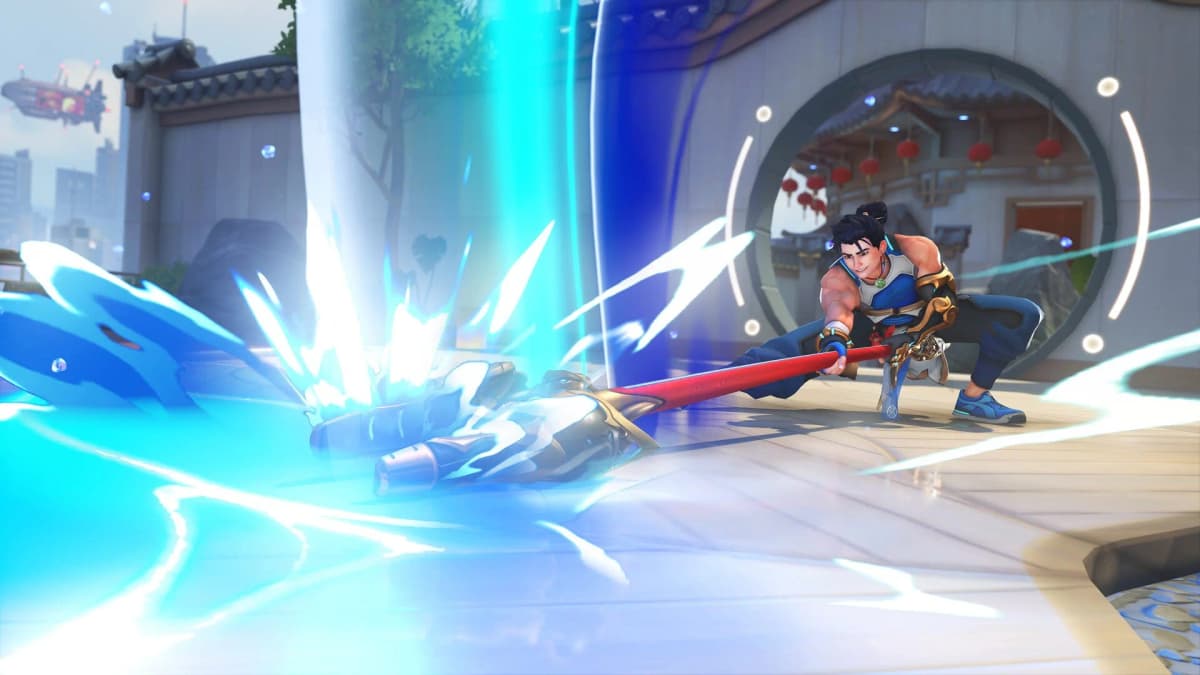
Map rotations drop the Clash game mode from Quick Play and enhance map voting options. Competitive Drives allow short-term event objectives with custom rewards. Queue thresholds have been lowered—Combined Role/Open from 5000 to 2000 Skill Rating, individual roles from 4000 to 1500—with max Heat Bonus raised to 100% to incentivize play. Expect the first content drop mid-March, introducing a new hybrid map tied to the Talon uprising.
With Season 1 setting the stage, Blizzard promises five more heroes through spring. We know Kiriko’s neighborhood and Vishkar’s corporate labs will feature prominently, along with returning mysteries around characters like Emre. These choices suggest Blizzard wants each hero release to peel back another layer of Overwatch’s world.
Subroles, Balance, and the Competitive Shake-Up
To manage the flood of new heroes and prevent design obscurity, Blizzard layers in nine subroles on top of the traditional Damage/Tank/Support trio. Tanks split into Bruiser, Initiator, and Stalwart; Damage breaks into Sharpshooter, Flanker, Specialist, and Recon; Supports become Tactician, Medic, and Survivor. Each subrole grants a small passive ability—extra shield for Bruisers, vision ping for Recon, bonus healing cooldown for Tacticians—that clarifies each hero’s battlefield expectations.
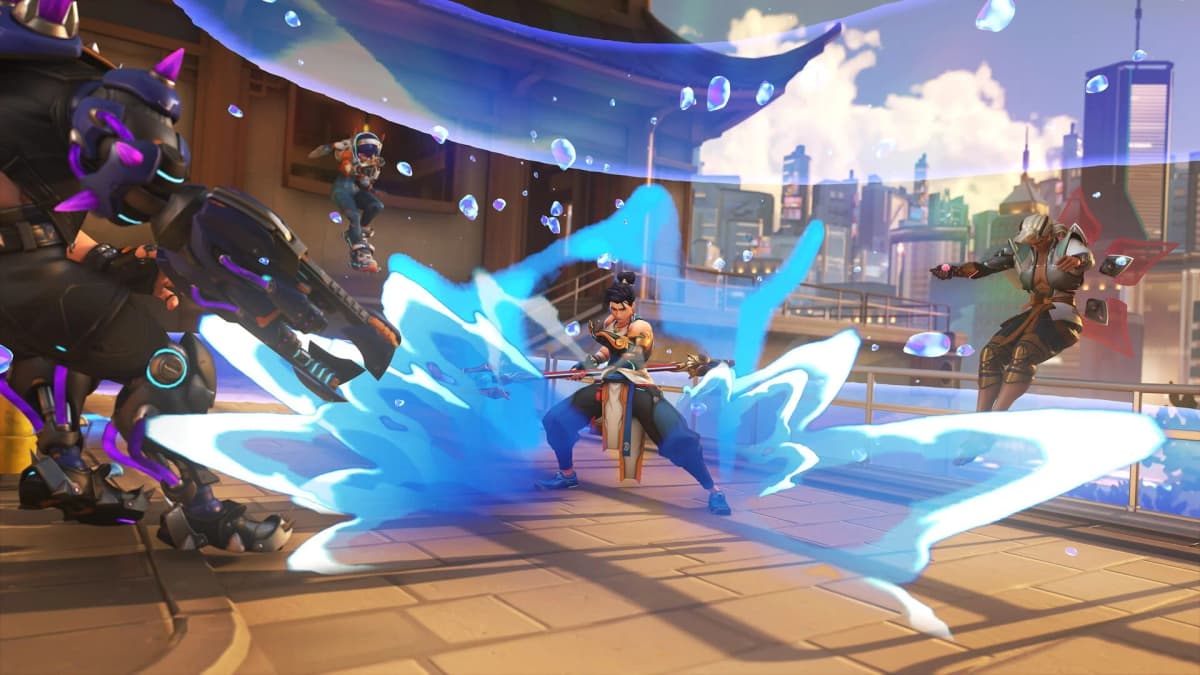
In theory, subroles guide team comps and streamline new-player onboarding. In practice, adding variables weekly guarantees at least three major balance passes in the first month. Blizzard openly warns of a “roller-coaster meta,” with patch notes expected twice per week early on. Competitive players should watch these patches closely; hero power spikes and nerfs could radically reshuffle hero priority lists.
Esports integration also returns: Overwatch League plans to sync in-game tournament lobbies with professional match schedules, complete with exclusive Mythic Mythos skins and spectator enhancements. That adds another layer of stakes for balance—Blizzard must placate pro teams and casual players simultaneously.
Cross-Media and Narrative Accessibility
Perhaps the smartest quality-of-life change is the in-game Narrative Viewer. Historically, Overwatch’s storyline lived across external comics, animated shorts, and developer blogs. Now a single tab in the main menu aggregates all lore—cinematics, short stories, mission journals, and seasonal recaps—so you never have to leave the game to catch up.
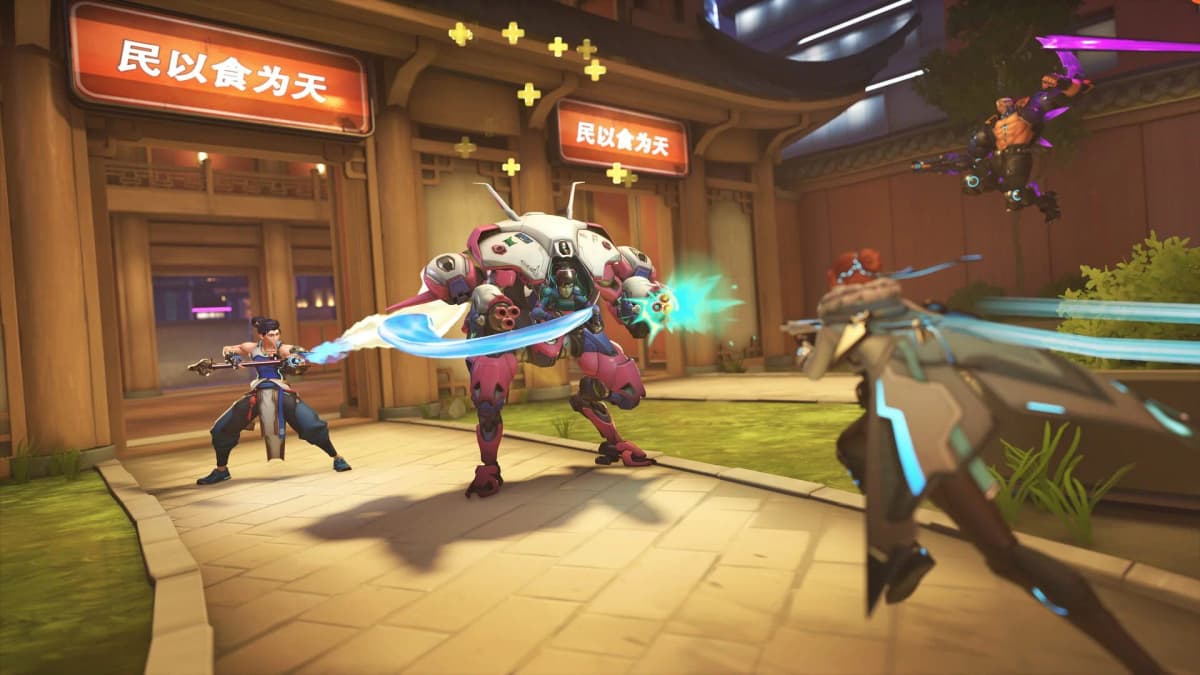
This lowers the barrier for players who don’t monitor social feeds or YouTube channels. When the Talon arc kicks off with a Doomfist ambush cinematic, the in-game tab instantly pushes relevant background materials, unlocking context for new players and reminders for veterans. It’s a much smarter approach than forcing the community to debate patch-note lore reveals in forums.
What This Means for Players
- Major launch day on Feb 10 with five new heroes—prepare for fresh metas, map tweaks, and the first narrative events.
- If you want story, it’s baked into the game now; you won’t need to chase external media to follow events.
- Competitive players should monitor early patches closely; subroles and passive buffs will shift hero priorities quickly.
- Long-term fans get what they wanted: a focused, evolving Overwatch that plays to its strengths while finally committing to sustained worldbuilding.
- Newcomers benefit from clearer role guidance, aggregated lore, and lower queue thresholds for quicker matchmaking.
Overall, this feels like the franchise’s most coherent relaunch since its 2016 debut. The risks—balance chaos, development burnout, narrative fatigue—are real. But if Blizzard can maintain a steady release cadence and quality seasonal beats, Overwatch’s reset could deliver the “forever game” it’s always promised to be.
Conclusion
Blizzard’s decision to drop the “2” and recommit to a unified, story-first Overwatch is a bold course correction that embraces the franchise’s core strengths. Season 1 and its year-long “Reign of Talon” arc deliver more integrated lore, new heroes, and gameplay signposts via subroles—albeit with the guarantee of short-term meta turbulence. For fans and competitors alike, Overwatch’s reset is an imperfect but promising reset worth watching closely. The next few months will reveal if Blizzard can sustain momentum, balance complexity, and keep its evolving world compelling.
FinalBoss // Gear
Level up your setup
01Top-rated gaming headsetson Amazon→02High-refresh gaming monitorson Amazon→03Gaming chairson Amazon→04Discounted game keyson Kinguin→Affiliate links · As an Amazon Associate, FinalBoss earns from qualifying purchases.
Want to Level Up Your Gaming?
Get access to exclusive strategies, hidden tips, and pro-level insights that we don't share publicly.
Ultimate Gaming Strategy Guide + Weekly Pro Tips