
Table of Contents (7)
Android’s app economy changed overnight – but not the way the headlines say
This isn’t a surrender. It’s a deal. Google has slashed its headline 30% Play Store cut to 20% (with lower bands for special programs and subscriptions at 10%), opened the door to alternative billing and third‑party stores, and announced a Registered App Stores program – all moves timed with a settlement that lets Fortnite return to the Play Store. Taken together, the company has given developers visible concessions while keeping the plumbing and many levers of control firmly in its hands.
- Key takeaways:
- Google lowers its headline cut, separates billing from service fees, and trims subscription fees to 10% – but levies new, region‑specific service charges.
- The changes are part of a negotiated settlement with Epic Games that includes confidential commercial terms and public restrictions on Epic’s criticism.
- Google’s Registered App Stores and sideloading support reduce friction for alternatives like Epic’s store, but they’re opt‑in programs with approval gates.
- Rollout is phased: EEA, UK and US by June 30, 2026; wider global rollout through 2027.
What Google actually changed — and what it didn’t
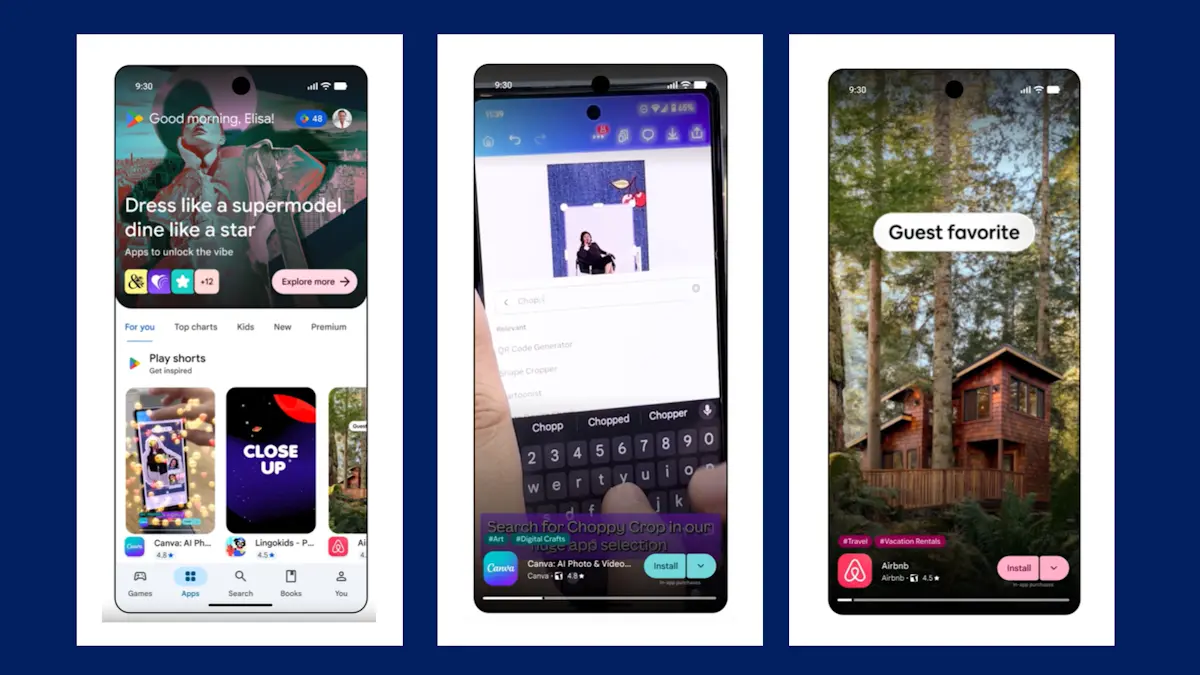
Google broke the simple 30% narrative. It’s now showing two buckets: a billing charge (for using Google’s payments stack) and a service fee (for distribution/Play services). In the EEA, UK and US the billing slice will look like 5%, while the service fee drops to 20% for many apps — with special programs offering 15% for new installs and 20% for existing ones, and subscriptions capped at 10%. That’s the crest of the press release; the real math depends on which programs you qualify for and where you operate (GamesIndustry and The Verge have the breakdowns).
Crucially, Google will let developers offer alternative billing alongside Google Play’s and point users to external websites. It’s also launching a Registered App Stores program meant to make installing third‑party stores less painful. These are real changes — they materially reduce friction for rivals and sideloading compared with the old, more restrictive setup.
Fortnite’s reappearance is the headline, not the leverage
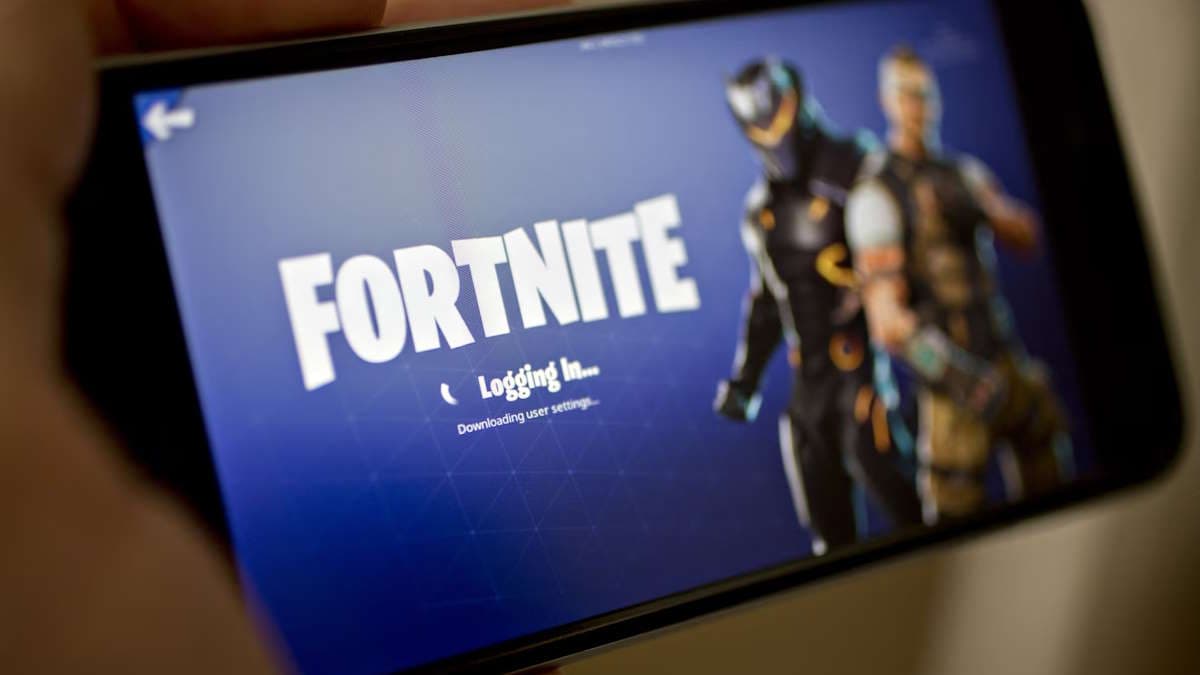
Yes, Tim Sweeney announced Fortnite’s global return to the Play Store. But the Fortnite comeback is the payoff line in a negotiated deal, not evidence that Android has been completely opened. Numerama and GamesIndustry report that Epic will support Android broadly (including Epic’s own installer), but the return follows a commercial agreement — reportedly confidential — that smooths Epic’s re‑entry.
That matters because the settlement didn’t just change Google’s terms; it also curbed Epic’s megaphone. The Verge revealed a non‑disparagement clause in the term sheet that limits Tim Sweeney’s ability to publicly criticize Google or campaign for further platform changes for years — possibly until 2032. In short: Epic won access; Google bought silence.
The loopholes Google kept — and why they matter
Lower headline percentages make great copy. The less sexy but critical pieces are the conditional programs and market‑specific service fees. Google still controls which apps qualify for lower rates, what “Apps Experience” perks actually mean, and how Registered App Stores get approved. Those are policy levers that let Google shape competition without waving a 30% flag.
Also, the separate billing and service fee model still routes a slice of the transaction economics through Google if developers want Play Store reach or Play services. Developers can use alternate billing, but the tradeoff — in reach, updates, and integration — will be negotiated case by case.
The question nobody’s asking out loud
If I were in the room with Google’s PR rep, I’d ask: how many developers will actually qualify for the lower 15%/20% bands, and who decides? That’s the crux. Public cuts are fine; opaque eligibility is how platform power gets retained. The Epic deal gives one enormous developer a path back — but smaller studios still need predictable, transparent rules to plan around.
What to watch next — specific signals and dates
- June 30, 2026 — new service/billing fees take effect in the EEA, UK, and US. Look at developer dashboards and fee invoices that month for real‑world numbers.
- By end of 2026 — Registered App Stores starts rolling out outside the US. Watch which third‑party stores are approved first and what technical/contractual conditions they accept.
- Public statements by Epic and Tim Sweeney — monitor for any limits in advocacy or required endorsements tied to the settlement (The Verge flagged non‑disparagement language).
- Developer reaction — indie studios and big publishers will reveal whether the new bands are accessible or just another gatekeeping layer.
If these changes deliver predictable, transparent qualification criteria and Registered App Stores work without heavy Google gating, it’s a genuine step toward more open Android commerce. If they remain conditional or contract‑driven, Google will have rewritten the menu while keeping the kitchen locked.
TL;DR
Google cut headline Play Store fees, allowed alternative billing and set up a Registered App Stores program — moves that let Fortnite return via a confidential deal with Epic. The concessions reduce friction, but conditional programs, market‑specific service fees and a non‑disparagement pact mean the company preserved much of its control. Watch the June 30, 2026 rollout and the first Registered App Stores approvals to see whether this is real openness or a managed escape valve for one high‑profile dispute.
FinalBoss // Gear
Level up your setup
01Top-rated gaming headsetson Amazon→02High-refresh gaming monitorson Amazon→03Gaming chairson Amazon→04Discounted game keyson Kinguin→Affiliate links · As an Amazon Associate, FinalBoss earns from qualifying purchases.
Want to Level Up Your Gaming?
Get access to exclusive strategies, hidden tips, and pro-level insights that we don't share publicly.
Ultimate Gaming Strategy Guide + Weekly Pro Tips