
GOST of Time’s Bloody Time-Clones Turn Failure into Art
Some games twist your mind; GOST of Time rewrites it. This indie top-down action-puzzler from Sometimes You thrives on rewinds, spawning time-clones that reenact your every misstep in pixelated, splattery glory. It’s gore-as-gameplay, a tantalizing test of strategy, story, and survival.
An Unorthodox Time-Clone Puzzle
At first glance, GOST of Time wears retro pixel art like a familiar armor. But every time you hit rewind, you create a “time-clone” that mimics your last run—flaws and all. Trigger a trap and watch your former self impaled on a spinning blade as you press onward, now accompanied by a ragtag companion who excels at dying.
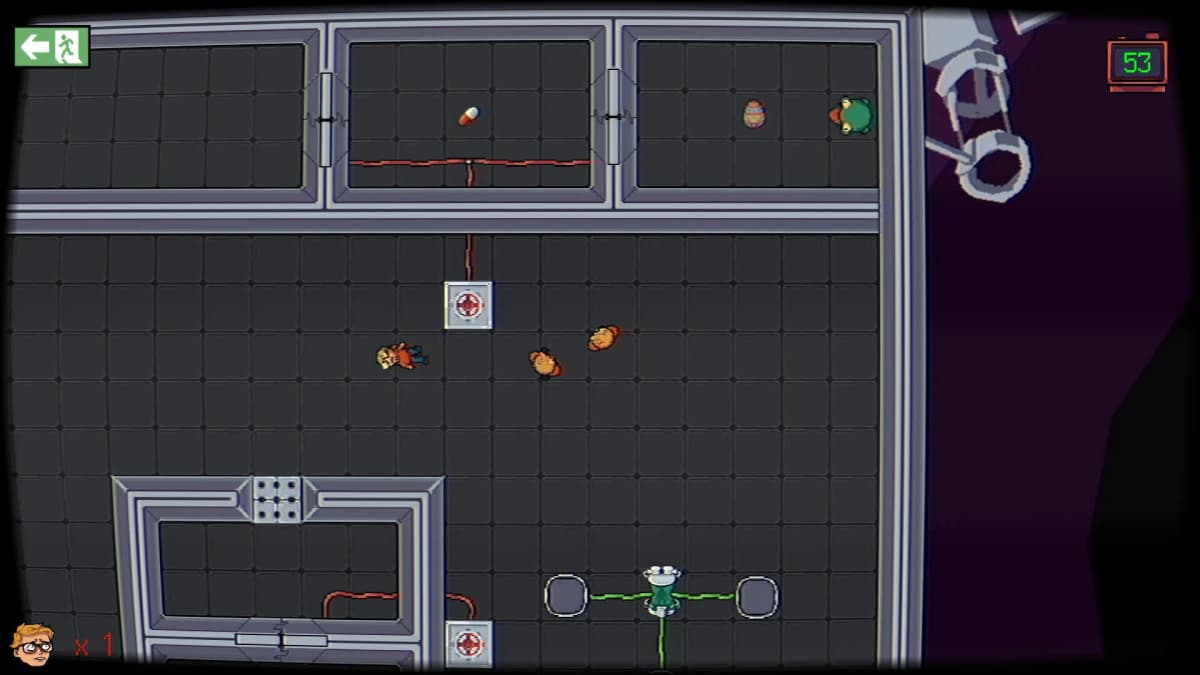
In one early laboratory level, you learn the ropes by guiding your original and a single clone through pressure plates. Slip up, and you’ll see your past self crushed by a test chamber’s piston—yet that corpse becomes a movable block, essential for crossing a laser barrier moments later. It’s a clever dance of death where failure feeds your next success.
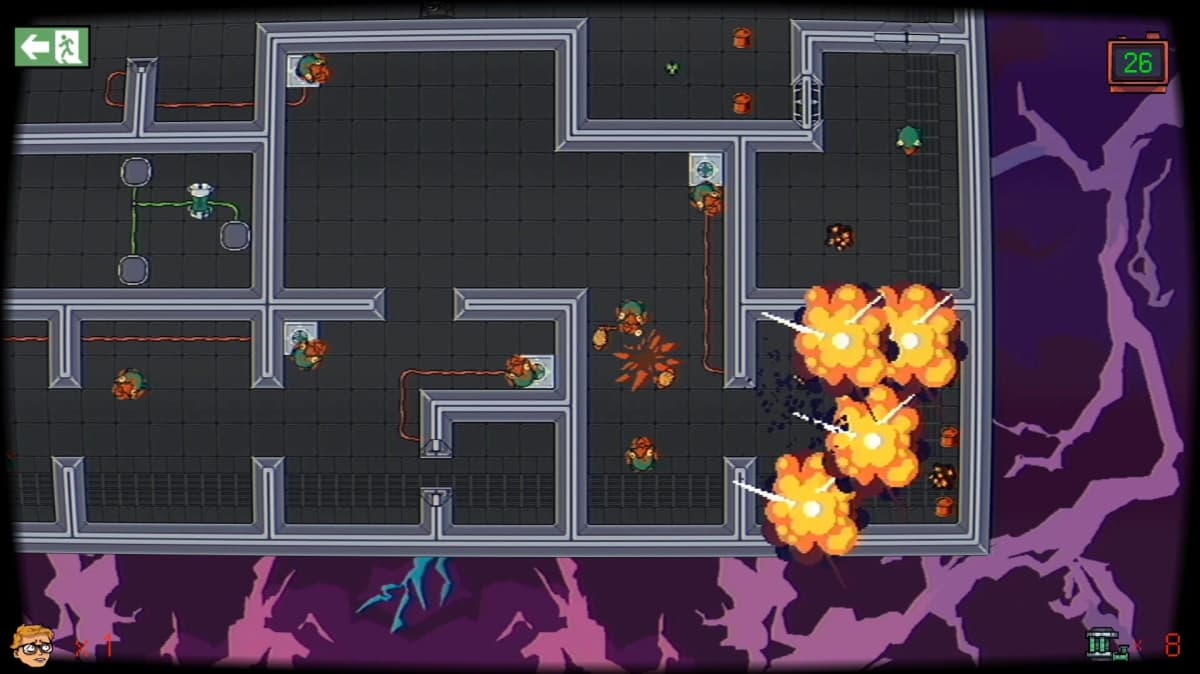
This loop turns failure into a resource. Simple switch puzzles soon give way to multistage gauntlets, forcing you to juggle clones across conveyor belts, spikes, and rotating turrets—each replay a chance to refine your deadly choreography.
Behind the Time Machine: Development Insights
The team at Sometimes You designed GOST of Time around a single, audacious question: “What if your failures became your greatest asset?” Observing playtesters repeatedly fall victim to the same trap, developers decided that each death should teach and entertain. Balancing frustration and exhilaration took months of fine-tuning, ensuring every level felt punishing yet fair.
Lead designer notes reveal they built custom tools to simulate dozens of clones at once, fine-tuning timing windows to just a few frames. The result is a game where even your most embarrassing wipeouts feel like stepping stones to brilliance.
Orchestrating Multi-Clone Mayhem
As complexity ramps up, GOST of Time demands split-second timing and ruthless precision. Imagine a chamber filled with pressure plates, flamethrowers, and trapdoors. You must leap, trigger, and regroup in perfect sync: one clone holds a switch, another distracts a turret, and your live avatar makes the final dash to freedom. Success feels like conducting a deadly ballet.
Some puzzles hinge on “trigger zones” that activate only when multiple clones stand together. Deciding when to spawn a new clone or rely on your existing squad becomes a strategic gamble: do you trust your past selves or risk starting fresh for that perfect sequence?
Pixel Art & Pulse-Pounding Soundscape
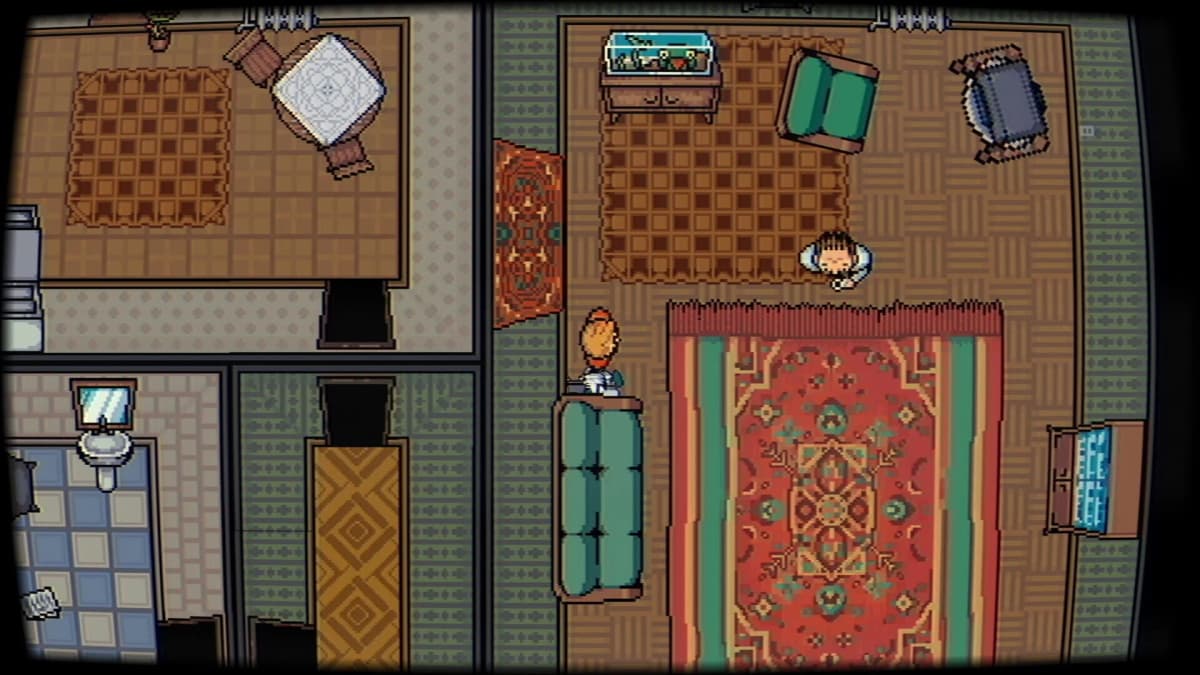
GOST of Time’s gritty pixel art bathes every scene in vibrant splashes of crimson. Lab corridors, war-torn streets, and corrupted facilities teem with bodies and broken time machines. Animations are crisp—your heart skips when a clone is skewered on spikes or shredded by rotating lasers, only for you to rewind and relish the chaos anew.
The soundtrack fuses dark synths with pounding drums, building tension each time you hit rewind. Audio cues—metal grinding, distant screams, the click of a switch—serve as vital timing signals. In GOST of Time, sound is as much a puzzle component as any lever or laser sightline.
Dark Satire in a Bleeding World
Underneath the gore, GOST of Time delivers razor-sharp humor. You’re a courier in a dystopian bureaucracy that uses time travel to deliver life-saving medicine. Each level is a “package delivery” gone horribly wrong, complete with snarky performance reviews mocking your rising death toll and memos advising you not to “exceed the clone quota.”
These tongue-in-cheek memos, like “Memo #47: Please stop respawning in forbidden zones,” undercut the violence, reminding you that the real villain is red tape. The game’s sparse narrative delivers each quip with surgical precision.
Indie Spirit & Friendly Price
Sometimes You keeps GOST of Time compact yet deep, sidestepping pricey DLC in favor of free updates. Post-launch drops add challenge arenas and community-made levels, while hidden developer notes, Easter eggs, and secret rooms reward dedicated players. Dozens of handcrafted stages await at launch, introducing hazards like rotating lasers, flamethrowers, and teleport pads—yet the price remains refreshingly modest.
Challenge Modes & Endless Replay
Beyond the main campaign, GOST of Time offers robust challenge modes. Speedrun leaderboards display ghost runs of top players, revealing millisecond-perfect strategies. Hardcore Mode strips away rewind assists, demanding flawless loops over dozens of tangled attempts. And a built-in level editor empowers creators to craft their own lethal puzzles, complete with custom traps and timing constraints.
Community creations often push the game’s limits: one user designed a ten-clone labyrinth requiring synchronized switch activations while evading a rotating death wheel. Such player-crafted nightmares ensure fresh horrors long after the core campaign is beaten.
Community Tournaments & Speedrunning Culture
Speedrunners have embraced GOST of Time’s precise loops, organizing weekly tournaments to crown the fastest conductors of chaos. Twitch streams showcase ghost overlays, revealing split-second secrets hidden in each level. Elite runners even employ intentional “death skips,” exploiting clone spawns to bypass sections entirely—an emergent tactic that keeps the community buzzing.
Developer-hosted events award digital badges and spotlight the most creative runs, fostering a lively competitive scene that thrives on both speed and style.
Secrets & Easter Eggs
True to indie form, GOST of Time hides lore fragments and playful nods throughout its levels. Discover a secret vault containing early concept art, or find a glitching poster that hints at a cancelled experiment. Some puzzles reference time-travel classics: a clock face with impossible hands or a scribbled note quoting a famous paradox. These subtle touches reward observant players and spark fan theories about the game’s shadowy overseers.
Accessibility & Difficulty Ladder
Despite its brutality, GOST of Time welcomes newcomers with adjustable rewind speed, visual outlines for interactable objects, and an optional “clone ghost” overlay that predicts past movements. These aids help you learn patterns before cranking up the challenge. Veterans can disable all assists for a pure test of timing and memory.
The difficulty climbs steadily: early stages teach the basics, then layer in new mechanics until you’re juggling half a dozen clones. By the final chapters, you’ll need bullet-hell precision to survive—and the satisfaction of nailing that perfect run is unparalleled.
Who Should Play GOST of Time?
If you crave puzzles that blend chaotic choreography with dark humor, GOST of Time delivers in spades. Fans of The Stanley Parable’s narrative quirks, Braid’s time gymnastics, or Undertale’s meta wit will find plenty to obsess over. Puzzle purists will savor the logical rigor, while speedrunners will revel in shaving milliseconds off each loop. Just be prepared—every gruesome misstep plays out in hypnotic pixel clarity.