
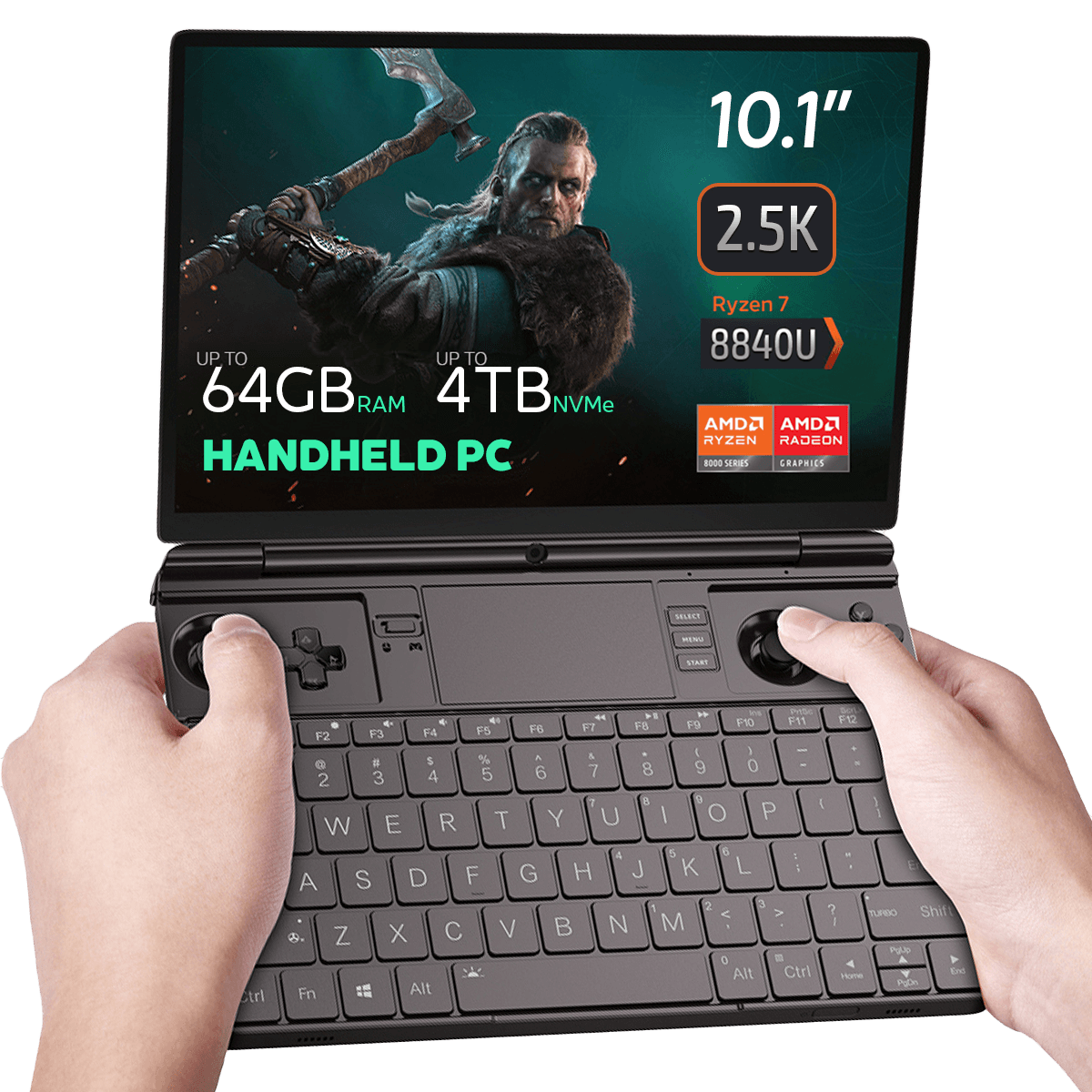
Every few months, another “Steam Deck killer” crosses my feed, but the GPD Win 5 actually made me sit up. Here’s a handheld touting a CPU and GPU setup that-at least on paper-outmuscles the venerable PlayStation 5. After years of portable PCs playing catch-up, the specs here look genuinely wild: we’re talking a 16-core AMD Ryzen AI Max+ 395 APU and a Radeon 8060S GPU with 40 compute units. Don’t let marketing fluff fool you; in terms of raw numbers, this could be the most ambitious handheld PC yet.
Let’s be real: specs mean nothing if the device feels clunky or chews through battery in 45 minutes. But the GPD Win 5’s silicon is worth talking about—the Ryzen AI Max+ 395 isn’t some cut-down laptop APU. Sixteen Zen 5 cores and a monstrous Radeon 8060S (that’s more compute units than PS5 or even the desktop RX 7600 XT) set a new bar for what fits into a portable. The official marketing loves to quote “over 200fps in Black Myth: Wukong.” Do I believe that… if you’re running at 720p, on low, with plenty of dynamic resolution? Maybe. But handhelds always have their own power/battery balancing act, and real-world results will be where this thing proves itself—or doesn’t.
I remember the early GPD Win and MicroPC days, where everything was plasticky and slightly undercooked. GPD has matured, and this Win 5 looks like their first real swing at the premium, no-compromises crowd Valve and ASUS are going after. The 7-inch LCD at 120Hz is a big deal—most “rivals” still ship with 60Hz panels even in late 2024. AMD FreeSync could be a game-changer for tear-free play if implemented well, especially at wildly fluctuating frame rates typical in handhelds.
The claim to being the “world’s first handheld with a mini SSD slot” immediately set my BS detector to yellow alert. What GPD seems to mean is a new SD card-sized NVMe option, promising up to 1,600MB/s speeds. It’s clever, but feels a bit niche when a standard M.2 slot is already standard issue. The 128GB of LPDDR5X RAM is eyebrow-raising; great for multitasking nerds or running AI-powered toys, but realistically, I doubt most games will tap even half that. PCIe 4.0 support and potential for up to 4TB storage are definite wins, assuming retail configs don’t cripple things to keep prices down.
Input-wise, GPD is sticking to the playbook: Hall Effect triggers (goodbye drift, hopefully), capacitive joysticks, and all the usual controls. My big question is: how does it actually feel in hand? GPD’s last entries weren’t exactly ergonomic masterpieces. The Win 5’s build quality and heat management will have to rise to meet those beefy specs—or this could end up being another “spec sheet king, real-world disaster.”

What does this mean for most gamers? If you just want a plug-and-play portable for indies and emulation, the Steam Deck (especially the OLED) is still your safe bet. But if you dream of running Cyberpunk 2077 or Elden Ring at eye-melting frame rates on the go—and don’t mind tweaking power sliders and BIOS settings—the Win 5 might be your new obsession.
But let’s talk honestly: battery life is going to be the elephant in the room. No one is running AAA games at 200fps on the train for hours—not without plugging in or carrying a backpack full of battery packs. Ports and pricing are also huge unknowns. Remember, flagship specs mean flagship prices, and that could push the Win 5 well above most handheld budgets.
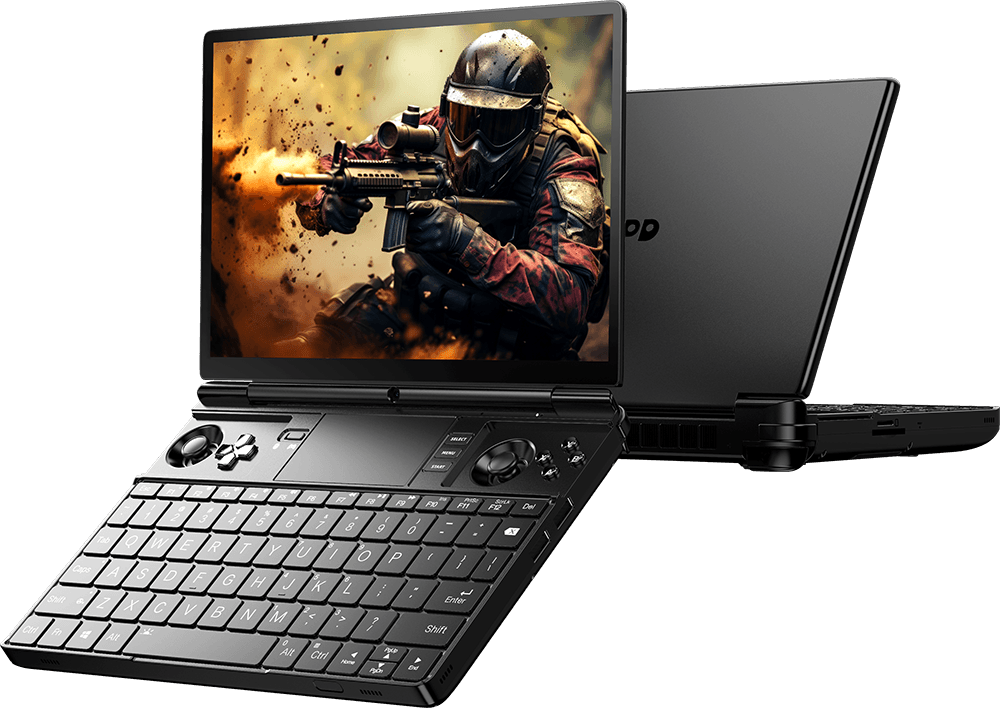
GPD’s Win 5 is making all the right noises—next-gen AMD power, a slick display, and serious storage chops. But expect a premium price and the usual portable trade-offs (most notably: battery life and heat). If you want the most powerful handheld, period, keep an eye on this one. But if you just want reliable gaming on the go, don’t count out the tried-and-true Steam Deck just yet.
Get access to exclusive strategies, hidden tips, and pro-level insights that we don't share publicly.
Ultimate Gaming Strategy Guide + Weekly Pro Tips