
Gradius Origins Review: A Passionate Love Letter to Shmup Fans
Game intel
Gradius Origins
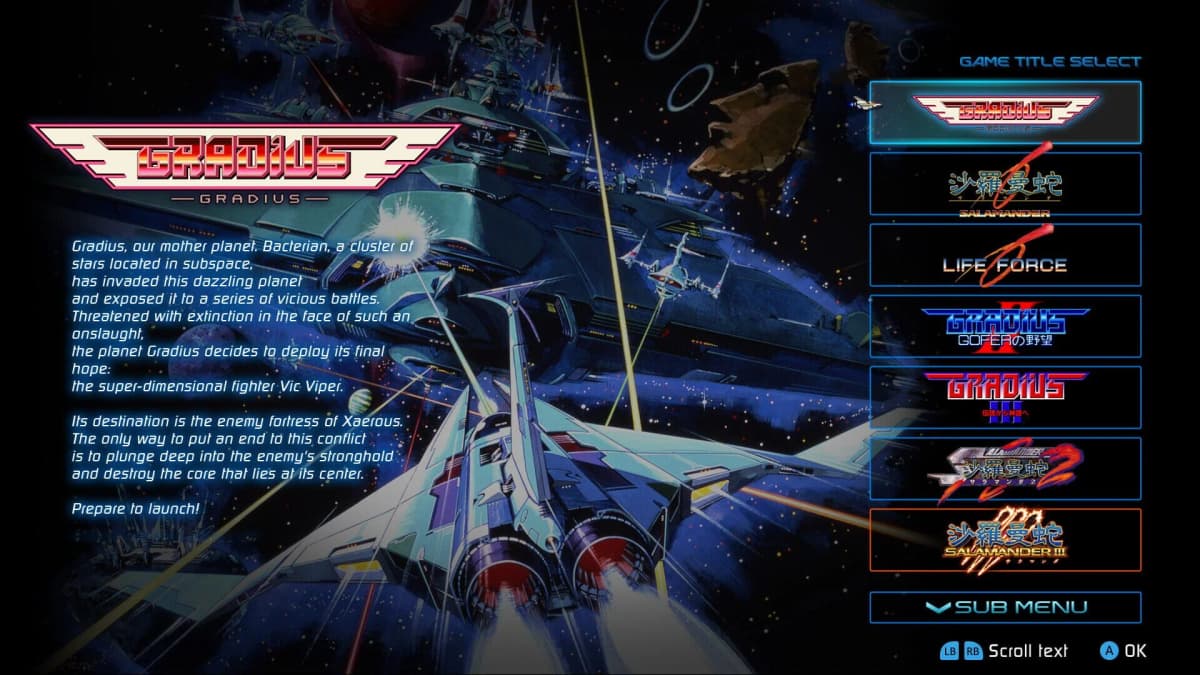
This collection features 18 versions across all 7 arcade titles in the series, including the first-ever appearance of Gradius III AM Show Version on home conso…
Introduction: A Love Letter to Shooter Fans
When Konami announced Gradius Origins on August 7, 2025, I felt that familiar tug of skepticism mixed with excitement. Another retro bundle, another quick cash-in? As a life-long shmup devotee, I’m thrilled to report that this isn’t some half-hearted port—it’s a genuine celebration of side-scrolling shooter glory.
From the moment you fire up the first title, the pixel-perfect boot sequence makes it clear: M2 and Konami poured real passion into this 40th-anniversary tribute. The screen hums to life, crisp sprites dance against a starfield backdrop, and the original soundtrack kicks in. Nostalgia washes over you—but so does the pure, unfiltered thrill of arcade-style twitch gameplay.
My earliest memories of Gradius (1985) involve spent quarters and frantic button mashing in a dimly lit arcade. Gradius Origins rekindles that magic, delivering both authentic challenge and modern comforts. Whether you grew up chasing high scores or you’re discovering these classics for the first time, this anthology stakes its claim as the definitive Gradius experience.
What Makes This Collection Special?
Gradius Origins bundles seven marquee titles that chart the evolution of the franchise—and of the shmup genre itself:
- Gradius (1985): The genesis of the iconic power-meter system, where capsule management and split-second swaps decide life or death.
- Salamander (1988): The first spin-off’s dual horizontal and vertical scrolling stages, trading strategic meter upgrades for instant power icons.
- Life Force (1988): Also known as Salamander in some regions, this entry introduced organic, biological stage designs and a haunting soundtrack.
- Gradius II (1988): Refined visuals and new weapons like the Ripple Laser, pushing the series’ signature risk-versus-reward play to new heights.
- Gradius III (1989): Lavish backgrounds and multilayered parallax effects—plus that infamous slowdown during intense boss fights.
- Salamander II (1996): Branching paths and cooperative play, offering two-player mayhem in richly designed arenas.
- Salamander III (2025): A brand-new entry making its debut, developed with the same care M2 gives to its beloved retro ports.
Rather than merely emulating each ROM, M2 reconstructed these games for unwavering 60 fps and near-zero input lag—on docked and handheld Nintendo Switch alike. Sprites are unfiltered, scan-line free, and faithful to their arcade counterparts. You can toggle between Japanese and international versions of each title, swapping region-specific visuals, sounds and even difficulty tweaks.
But the package goes beyond pure emulation. A digital museum unlocks scanned Japanese strategy guides filled with hand-drawn concept art, developer notes and enemy weak-point charts. A gallery of box art, posters and original sketches traces the series’ visual evolution. And the complete original soundtrack (OST) sits ready for standalone listening, letting you savor Kenji Yamamoto’s pioneering compositions track by track.
Modern Conveniences, Retro Heart
Nostalgia shouldn’t equal frustration. While purists can maintain the original six-life limit and brutal one-hit-death rules, Gradius Origins layers in quality-of-life features that open these games to new audiences:
- Rewind Functionality: Slip back a few seconds to correct a missed jump or dodge a surprise projectile without restarting the stage.
- Quick-Save/Quick-Load: Bookmark tricky segments—perfect for learning exact enemy patterns and boss phases.
- Easy Mode: A gentler difficulty curve for rookies, reducing enemy aggression and granting extra lives.
- Invincible Mode: Soak in galleries and listen to the OST uninterrupted, or simply admire pixel art without fear of death.
- Interactive Tutorials: Step-by-step lessons explain power-meter mechanics, teach boss-attack telegraphs and suggest advanced strategies.
None of these options dilute the core experience. Instead, they let players learn each stage’s nuances on their own terms before diving into pure arcade mode. When you disable every convenience and face the unforgiving “Gauntlet” challenge, you’ll feel every bit the veteran quarter-spinner once again.
Salamander III: More Than Just Fan Service
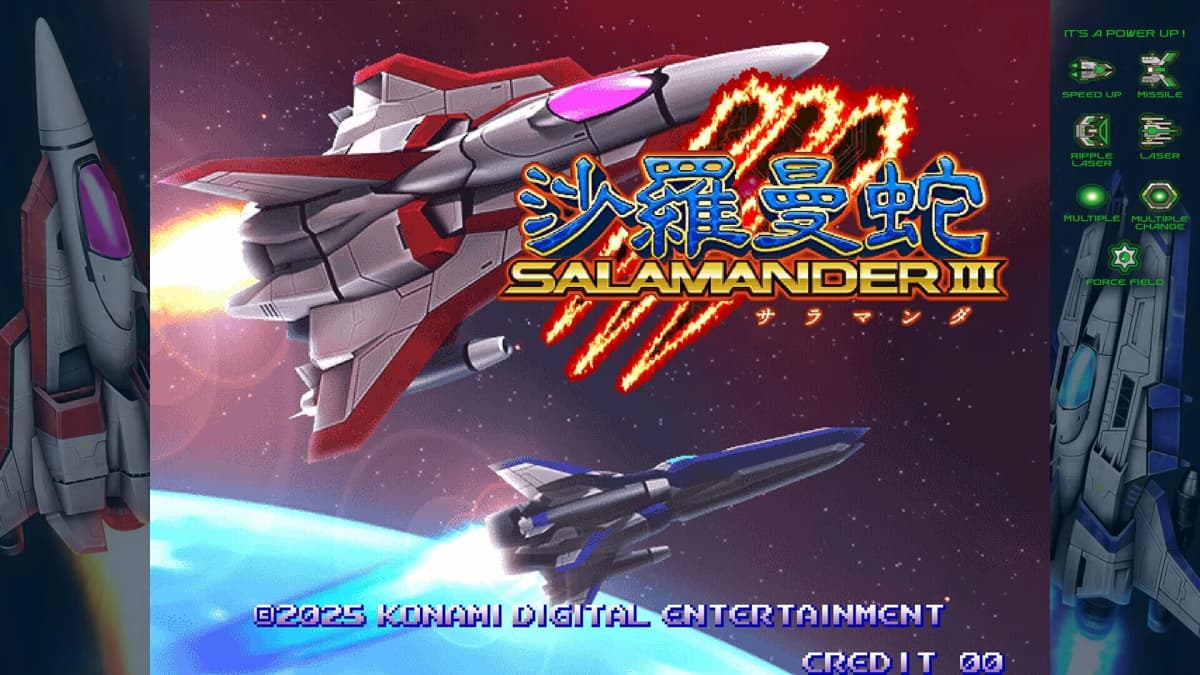
Scattered among six arcade classics, Salamander III emerges not as a throwaway bonus but as a fully realized new chapter. M2 crafted fresh enemy formations, inventive boss arenas and environmental hazards that demand on-the-fly adaptation.
Abandoning the traditional Gradius meter for instant power-up icons, Salamander III becomes a lightning-fast gauntlet. Bombs, lasers and options rain down with rewarding frequency, encouraging aggressive play and tactical stacking. Stage designs shift from molten caverns to biomechanical shipyards, each filled with surprise mid-level encounters that break any sense of routine.
Design Purity Meets Adrenaline
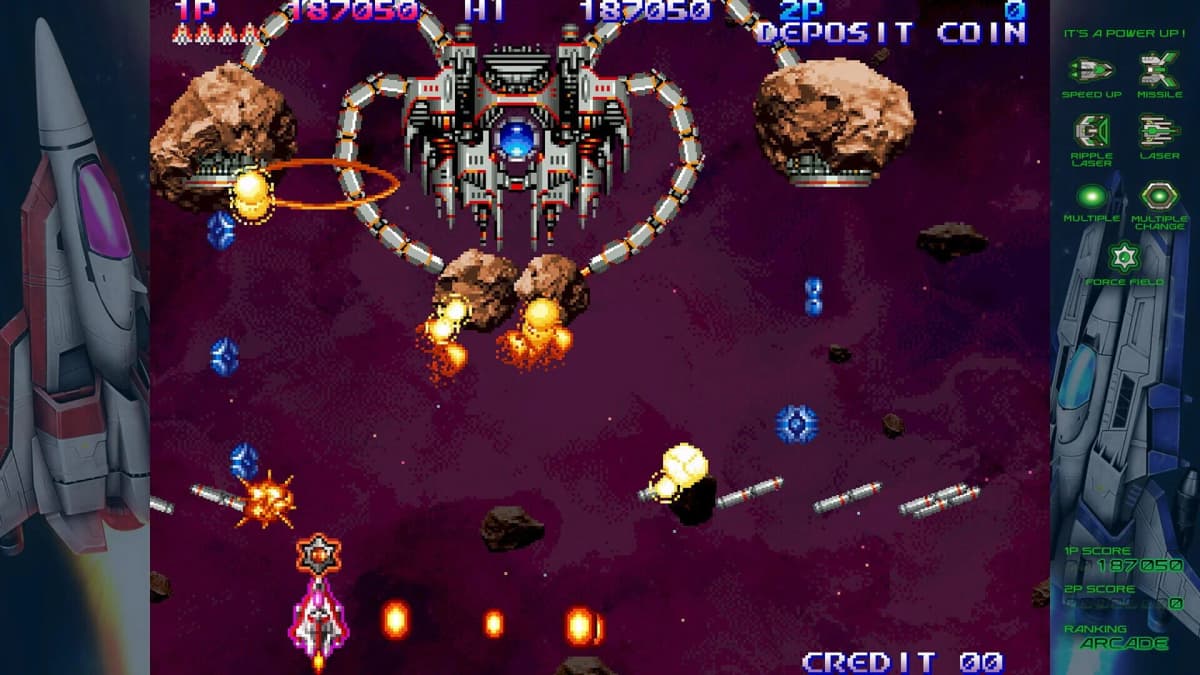
At its core, Gradius’ loop remains pristine: collect capsules, cycle the upgrade bar, and unleash your weapon of choice. Yet this collection reveals how surgical the series’ design really is. Unlike bullet-hell shooters that overwhelm with random sprays, every hazard here is purpose-built.
Take the lava-fall section of Gradius III: every falling rock and flame corridor is precisely positioned to test your memorization and reflexes. In Salamander, the vertical stage where mechanical stingrays swarm demands pixel-perfect movement—no filler patterns, just a pure test of skill. Each death teaches you something new, turning frustration into a meditative practice in split-second decision-making.
And that risk-versus-reward calculus—should I spend three capsules on Speed now, or save for a Ripple beam later?—is as engaging as ever. These games aren’t about random bullet patterns; they’re about mastery, about learning to thread your ship through laser walls and homing mines with surgical precision.
Want to Level Up Your Gaming?
Get access to exclusive strategies, hidden tips, and pro-level insights that we don't share publicly.
Ultimate Gaming Strategy Guide + Weekly Pro Tips
A Milestone for the Franchise
Forty years ago, the original Gradius introduced a modular upgrade system that influenced shooters from R-Type to Sine Mora. Each successive release pushed boundaries: Salamander’s frantic pacing, Life Force’s organic stage design, Gradius III’s graphical bravado, and Salamander II’s branching pathways.
Gradius Origins doesn’t just honor that legacy—it elevates it. By curating every pivotal arcade entry and capping the set with a fresh installment, Konami and M2 have created a definitive monument to side-scrolling shooters. For fans who chased high scores and newcomers drawn to design purity, this anthology is the genre’s crowning achievement.
Platform and Performance
At launch, Gradius Origins is exclusive to Nintendo Switch. Both docked (1080p) and handheld (720p) modes run at a rock-steady 60 fps, even during the most frenetic bullet storms. Frame pacing remains impeccable, and input lag clocks near-zero—an essential factor for any twitch-based shooter.
Controls feel tight whether you’re using split Joy-Cons, a Pro Controller, or motion-guided aiming. Button mappings default to classic layouts, but you can remap on the fly or toggle a digital-joystick overlay. While Konami hasn’t officially confirmed PS5 or Xbox Series X ports, this Switch edition sets an exceptionally high bar for future releases.
Who Should Load Up Their Ships?
If you crave pure ’80s and ’90s twitch gameplay—scoring by the slimmest of margins—Gradius Origins is tailor-made for you. Seasoned veterans will relish the unforgiving later stages, while rookies can ease in via tutorials and adjustable difficulties.
Speedrunners will uncover new challenges in chaining flawless runs, optimizing rewind and quick-load to shave milliseconds off each segment. Retro collectors can lose themselves for hours in concept artwork, scanned strategy guides and full OST playback. Hardcore purists, meanwhile, can disable all QoL features and tackle the merciless “Gauntlet” mode—one life, one credit, zero mercy.
Final Thoughts: Preserving the Past, Fueling the Future
Retro compilations often stumble at the crossroads between authenticity and playability. Gradius Origins vaults that divide with ease. It preserves the relentless challenge and elegant mechanics that defined side-scrolling shooters, while thoughtfully layering in modern conveniences to broaden its appeal.
From that first pixel-perfect launch of Gradius (1985) to the labyrinthine depths of Salamander III, this collection offers more than a nostalgic trip—it’s a powerful reminder of the timeless fun of skill-based twitch gameplay. For anyone who’s ever locked onto a swarm of bullets, jammed the fire button and felt their heart hammer as the screen scrolled on, Gradius Origins is an unmissable love letter to the art of shooting.
Strap in, power up and prepare for countless “just one more try” sessions. Whether you’re chasing high scores, exploring every scanned sketch or testing your mettle on brand-new bosses, Konami and M2 have shown us how to celebrate a legacy without ever hitting pause.