
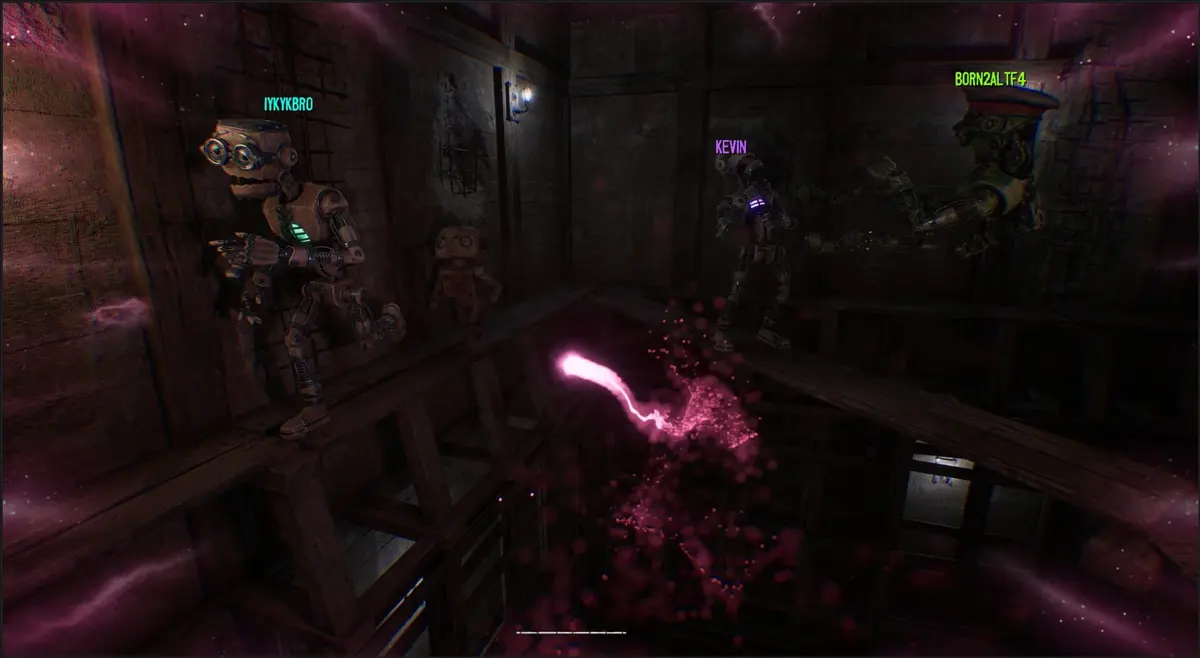
Grain Rot begins with cleaning and wall repairs because the Outpost is the foundation of every successful extraction. Finish those early jobs, take Murch’s mallet, and make short Deep Layers trips until you can reliably convert loot and return before Rot, Corrupted pressure, or broken vessels erase the run.
The first-hour trap is treating the cursed elevator as a route to a full dungeon clear. It is a route to repeatable resource runs. Your goal is to turn scrap, heavy furniture, and Artifacts into lasting Outpost progress while keeping enough safety margin to extract.
Table of Contents (17)
Start by Making the Outpost Functional
The Outpost of the Scorch is where Grain Rot’s extraction loop begins and ends. It holds your repair work, recovery options, room progression, upgrades, storage flow, and access to the elevator. Early chores can feel slow beside the promise of deeper loot, but skipping them leaves your base inefficient and makes every return from the Deep Layers less useful.
Finish cleaning and wall repairs before buying extras
Clear dirt piles, clean the floors, and repair damaged walls as soon as the early quests point you toward them. These jobs feed the Outpost’s early progression and stop the base from becoming a cluttered detour between runs.
- Repair rooms and walls before spending resources on cosmetic or optional constructs.
- Buy cleaning supplies from Murch when dirt and mess are slowing down your room work.
- Arrange your regular path so spawn, storage, the recovery area, and the elevator are close together.
- Prioritize basic survival and recovery upgrades over decorative improvements.
Practical warning: A long, messy Outpost route quietly wastes time after every extraction. Keep the items you use between runs near the elevator path, then expand outward once the base is stable.
Take Murch’s mallet, but use it for its real job
The mallet is your starter demolition tool. Use it to break furniture, weak props, and other destructible objects for the scrap and valuables that drive early progression. It is deliberately a poor answer to a Corrupted encounter. Trying to stand your ground and hammer enemies wastes time, creates more danger, and puts your vessel at risk.
Early combat survival comes from movement, route awareness, barriers, and disengaging at the right time. Better combat options arrive through inventory tiers and Outpost progression; the mallet earns its value by creating resources first.
Understand the Deep Layers Loop Before Going Deep
Grain Rot is a horror co-op extraction builder for up to four players, but the beginner loop works the same way solo: prepare at the Outpost, ride the elevator down, salvage value, process what you can, and leave while the run is still under control. The underground layout shifts from run to run, so a reliable exit plan matters more than memorizing a perfect route.
- Enter with a clear purpose: early scrap, Artifacts, a few quick room clears, or a specific upgrade resource.
- Search obvious containers, glowing Artifact orbs, and furniture likely to produce worthwhile salvage.
- Bring heavy objects to the Grinder or ball-machine-style processing point quickly.
- Watch for Corrupted movement and avoid making prolonged noise in an exposed area.
- Extract once you have secured a useful haul instead of extending the run for every remaining room.
Every vessel is a life line. Your Living Spark can possess another wooden vessel after one is destroyed, but a run can still collapse fast if the team loses every available vessel. When all vessels break, carried loot is lost. Treat that outcome as the hard limit on every expedition.
Your Best Early Quest Route: Two or Three Grinder Loops
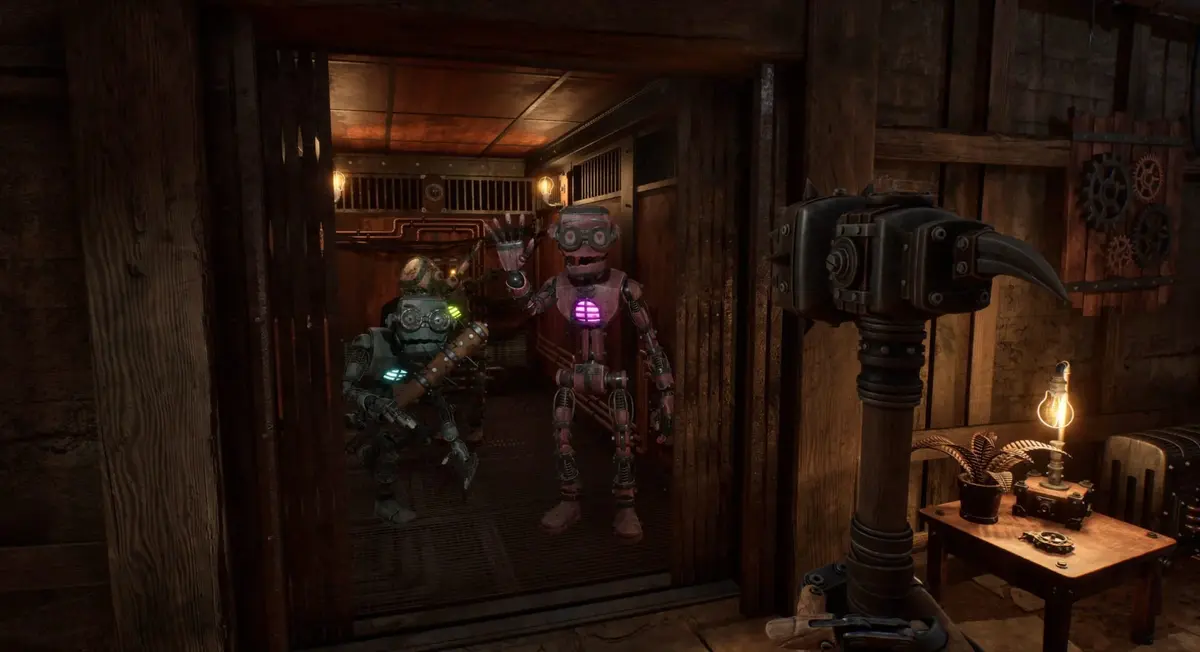
For the first runs, stay in the first biome layer and aim for two or three clean processing loops before extracting. That is enough to learn the mallet rhythm, identify profitable targets, and see how quickly noise draws attention without turning a beginner run into a desperate retreat.
1. Loot the fastest high-value targets
Prioritize visible valuables over total room destruction. Glowing Artifacts, clear loot containers, and furniture with a strong scrap return are worth your time. A room that needs a long fight, a risky chase, or repeated backtracking usually is not.
2. Move heavy loot to the Grinder immediately
The Grinder is the cash-out point for valuable objects: feed it heavy salvage to turn that weight into coins and progression value. Some interface descriptions refer to the same basic conversion loop as a ball machine. The name matters less than the rule: loot becomes useful only when you safely process it and survive the return.
Do not linger beside the Grinder to organize inventory or decide the next route. It is loud, and that noise can pull Corrupted from nearby zones. Load the valuables, listen for approaching danger, and move away from the processing area.
3. Extract before the run becomes noisy
Think of noise as a budget. Each Grinder load buys progress, but it also raises the chance that the route back becomes contested. Once you have processed a solid haul, stop taking low-value risks. Early progression is faster when a series of modest runs succeeds than when one overloaded run ends with every vessel broken.
Good beginner rule: if the next room needs a major detour, a long fight, or another loud Grinder cycle, head for extraction unless it contains the specific resource you came down to collect.
How to Use Artifacts, the Ball Machine, and the Grinder Safely
Artifacts and salvage are the bridge between your underground trips and Outpost growth. The common mistake is carrying every object farther than necessary while the group’s noise, damage, and Rot pressure climb. Convert worthwhile heavy loot on a short route, then build the next run around what the Outpost still needs.
- Artifacts: collect obvious ones first because they are direct progression targets and easy to miss while fleeing.
- Furniture and heavy objects: break or carry them only when the expected scrap or Grinder value justifies the time.
- The Grinder/ball machine: process quickly, then leave the noise source rather than defending it indefinitely.
- Coins and upgrades: spend early gains on recovery, practical room function, and survivability before vanity purchases.
In co-op, split the work instead of having everyone crowd the same machine. One player can watch the approach route, one can handle heavy salvage, and another can keep track of the exit direction. A fourth player can scout the next room, but the team should regroup before anyone turns that scouting trip into a deep solo push.
Clear the Rot Debuff Before Your Next Descent
Rot is the condition that turns a manageable expedition into a spiral. Clear it at the Outpost by using the Sun or the available cleanse function before boarding the elevator again. Do this between runs, rather than assuming you can fix the problem after you are already committed to a dangerous Deep Layers route.
The important behavior is simple: standing in the Sun clears the Rot debuff. Make it part of your reset routine after returning to the Outpost. If your base setup provides a dedicated cure or cleanse point, use that function before you restock and leave again.

Why Rot causes runs to snowball
Rot becomes much worse when it overlaps with the other pressure systems. A noisy Grinder can attract Corrupted, Corrupted can force you off the safest route, and vessel damage can turn an exit into a scramble. Starting that chain while already affected by Rot removes the margin that keeps a short run safe.
- Return to the Outpost after a successful extraction.
- Clear Rot in the Sun or at the available cure point.
- Repair, restock, and complete any urgent room work.
- Choose one modest objective for the next elevator trip.
- Descend only when you can still abandon the plan and extract early.
Do not carry Rot into a “quick” resource run. Short runs are only quick when they stay controlled. Clearing the debuff first protects the loot, the vessel supply, and the time you would otherwise spend rebuilding after a wipe.
How to Handle Corrupted Without Throwing the Run
Corrupted enemies punish players who treat every encounter as mandatory combat. Starter equipment gives you limited reason to trade hits, especially when your main objective is salvage. Use corridors, obstacles, and room boundaries to create separation, then return to the elevator path or a safer processing point.
- Listen after each loud Grinder use and avoid standing in open space.
- Keep the route back to the elevator in mind before breaking more furniture.
- Use chokepoints and barriers to buy movement time rather than forcing a close-range fight.
- Leave a room when the salvage no longer outweighs the pursuit risk.
- In a group, keep one player ready to warn the team while others process loot.
The safest Corrupted encounter is the one that costs you a few seconds of movement instead of a vessel, a pile of carried resources, and the rest of the expedition.
Three Beginner Habits That Prevent Most Wipes
Stop full-clearing rooms
Deep Layers runs are extraction attempts, not completionist sweeps. Take the high-value salvage, process it, and leave. The procedural layout will offer more rooms later; it will not refund a lost haul after every vessel breaks.
Spend upgrades on function before appearance
Recovery tools, practical Outpost repairs, and survival-focused upgrades make every future run safer. Decorative choices can wait until your basic loop — clean, repair, descend, process, cleanse, repeat — is consistent.
Reset deliberately after each expedition
Do not sprint from the elevator into the next run because the last one went well. Use the Outpost pause to clear Rot, repair your route, handle supplies, and decide whether the next trip is for scrap, Artifacts, or a specific upgrade. That small reset prevents the usual escalation from minor damage into a failed deep push.
Build a Repeatable Beginner Rhythm
The dependable Grain Rot routine is straightforward: maintain the Outpost, use the mallet to create early resources, make shallow elevator trips, process a limited amount of high-value loot, extract before noise overwhelms the route, and clear Rot in the Sun before going back down.
Once that rhythm feels routine, deeper runs become a choice rather than a gamble. Keep the Outpost functional, treat the Grinder as a loud cash-out point, and leave the Deep Layers with less loot than you could carry if that is what keeps the crew and its vessels intact.
FinalBoss // Gear
Level up your setup
01Top-rated gaming headsetson Amazon→02High-refresh gaming monitorson Amazon→03Gaming chairson Amazon→04Discounted game keyson Kinguin→Affiliate links · As an Amazon Associate, FinalBoss earns from qualifying purchases.
Want to Level Up Your Gaming?
Get access to exclusive strategies, hidden tips, and pro-level insights that we don't share publicly.
Ultimate Guide Strategy Guide + Weekly Pro Tips