
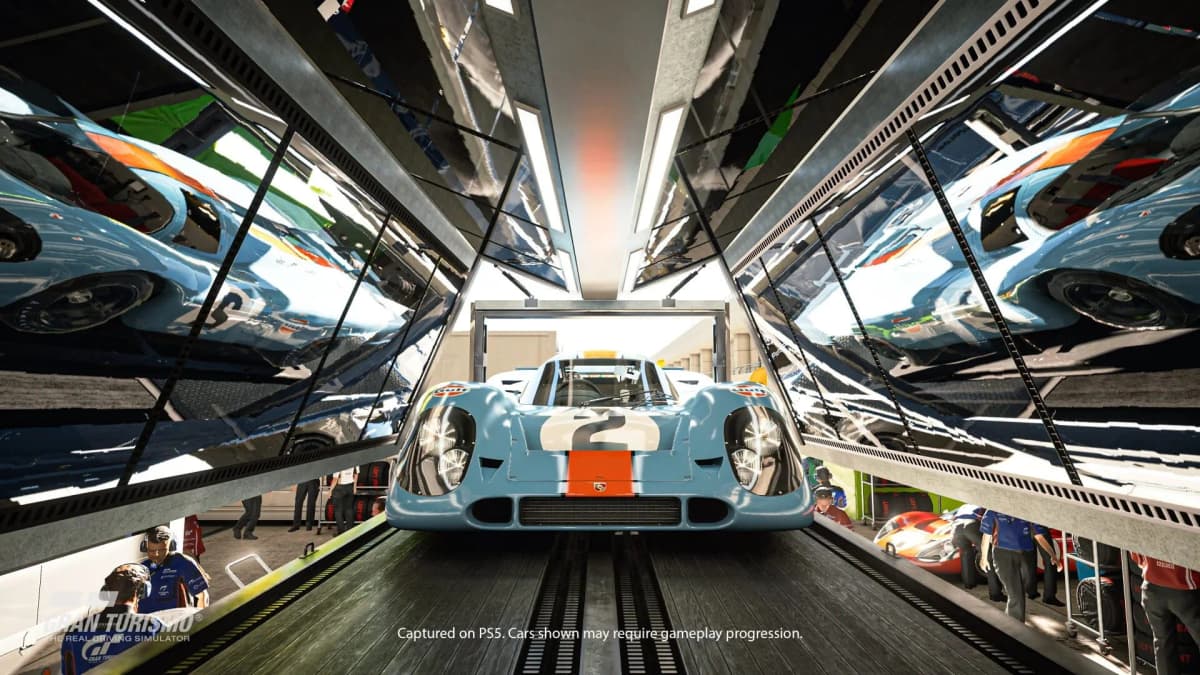
Gran Turismo 7’s Biggest Free Update Yet: Iconic Tracks, GT3 Firepower, and Real QoL Fixes
Game intel
Gran Turismo 7
Gran Turismo 7 brings together the very best features of the Real Driving Simulator. Whether you’re a competitive or casual racer, collector, tuner, livery des…
Why This Update Actually Caught My Eye
Gran Turismo 7 has been drip‑feeding cars and menus since launch, but this is the one that made me sit up: two bucket‑list circuits (Yas Marina and Circuit Gilles‑Villeneuve), eight new cars headlined by the Ferrari 296 GT3, new Dunlop tires, a proper data recorder, expanded progression, plus solo and multiplayer tweaks. Polyphony is calling it the biggest free update yet, and for once that doesn’t sound like marketing fluff.
Key Takeaways
- Two marquee real‑world tracks-Yas Marina and Montreal-instantly refresh Daily Races and league calendars.
- Ferrari 296 GT3 joins the GT3 meta; JDM fans get classics like the Mitsubishi FTO GP Version R and Skyline GT‑R V‑Spec N1.
- New Dunlop tires and a data recorder signal a push toward deeper tuning and proper lap analysis.
- Progression and solo/multiplayer fixes could finally ease GT7’s grind and stabilize online play.
Breaking Down the Announcement
Here’s the headline: two tracks, eight cars, and meaningful systems work. The tracks are the big play for anyone who races online or runs leagues. Circuit Gilles‑Villeneuve is a precision circuit where a single greedy throttle input turns into a kiss from the Wall of Champions. Yas Marina’s modern flow and long straights bring a different kind of racecraft-DRS train vibes without the DRS. Both tracks traditionally offer multiple layouts, so keep an eye on which ones make the rotation; layout variety is what keeps Daily Races from going stale.
The car roster leans smart rather than bloated. The Ferrari 296 GT3 is the star because GT3 is GT7’s competitive backbone. Expect it to shake up Balance of Performance if Polyphony nails the power/weight/aero baseline. On the nostalgia side, the Mitsubishi FTO GP Version R and Nissan Skyline GT‑R V‑Spec N1 scratch that late‑’90s/early‑2000s JDM itch—perfect for lower PP club races and time attacks. Polyphony says eight cars total; we’ve got those headliners confirmed, with the rest rounding out modern and retro classes. The key question is whether they arrive with events that actually pay well.
Why These Tracks Matter Right Now
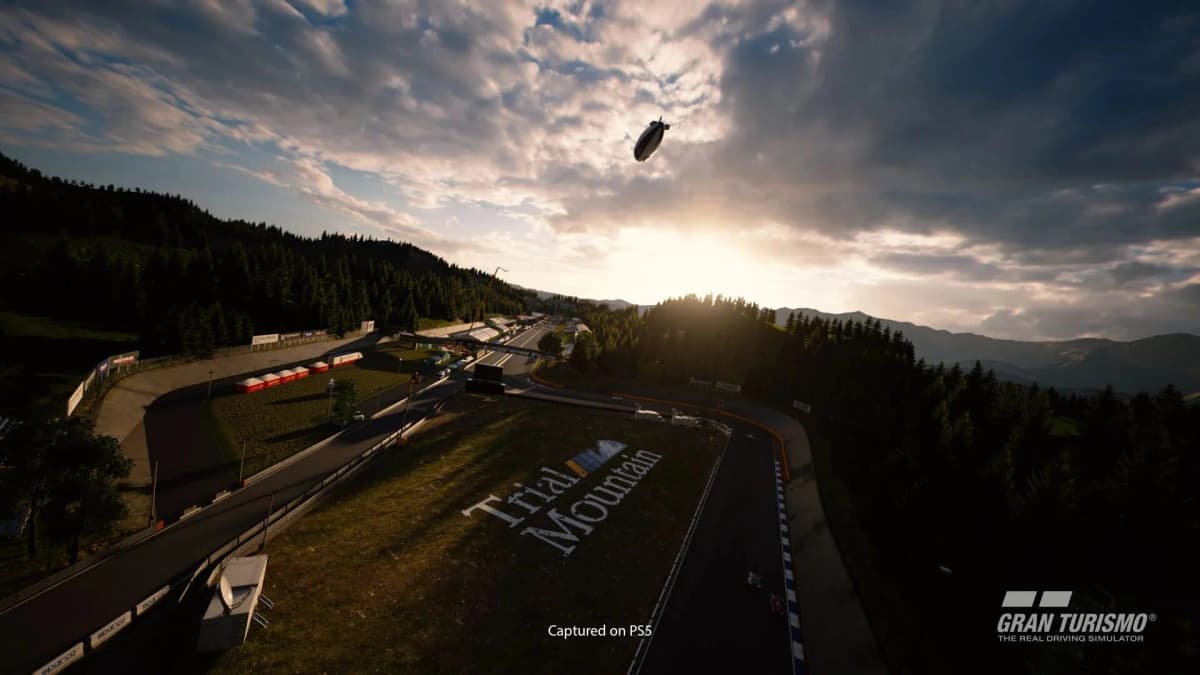
Montreal adds a different flavor to GT7’s mostly European‑leaning real‑world roster: a street‑adjacent circuit that rewards tidy braking and exit discipline. It’s the kind of track that makes even a family hatch feel alive because every chicane has a clear “do it right or spin” moment. Yas Marina, meanwhile, is a superb canvas for multi‑class lobbies and GT3 sprints—big stops, long traction zones, and plenty of slipstream battles. If you were bored of repeating the same Gr.3 venues for dailies, this is a genuine shake‑up.
The Garage Additions: Hits and Use Cases
Here’s how I see the new metal slotting in:
- Ferrari 296 GT3: Likely instant contender in Gr.3. Watch for traction settings and rear tire management—mid‑engine Ferraris can be spicy on exits.
- Mitsubishi FTO GP Version R: A cult favorite that’s tailor‑made for 500-600 PP club racing. Expect it to punch above weight on technical tracks.
- Nissan Skyline GT‑R V‑Spec N1: The stripped, track‑leaning R33 variant. Great base for time attack builds; AWD makes it forgiving in mixed conditions.
- Five more cars: If Polyphony continues its pattern, we’ll see a mix of street, race, and maybe a Vision GT curveball—nice for Scapes, less relevant to competitive play.
My early test checklist: compare the 296 GT3 to the existing meta (911 RSR, AMG GT3, NSX GT3), run baseline BoP laps at Yas Marina and Montreal, then tweak diff and aero to see if it’s a specialist or an all‑rounder.
Want to Level Up Your Gaming?
Get access to exclusive strategies, hidden tips, and pro-level insights that we don't share publicly.
Ultimate Gaming Strategy Guide + Weekly Pro Tips
Deeper Systems: Dunlop Tires and a Real Data Recorder
New tire options are a bigger deal than they sound. Polyphony’s tire model is sensitive to compound and temperature, and adding Dunlop increases the tuning ceiling for time‑trial junkies. If compounds span more than just branding—slightly different wear curves or warm‑up behavior—we’ll see new build strategies for endurance leagues.
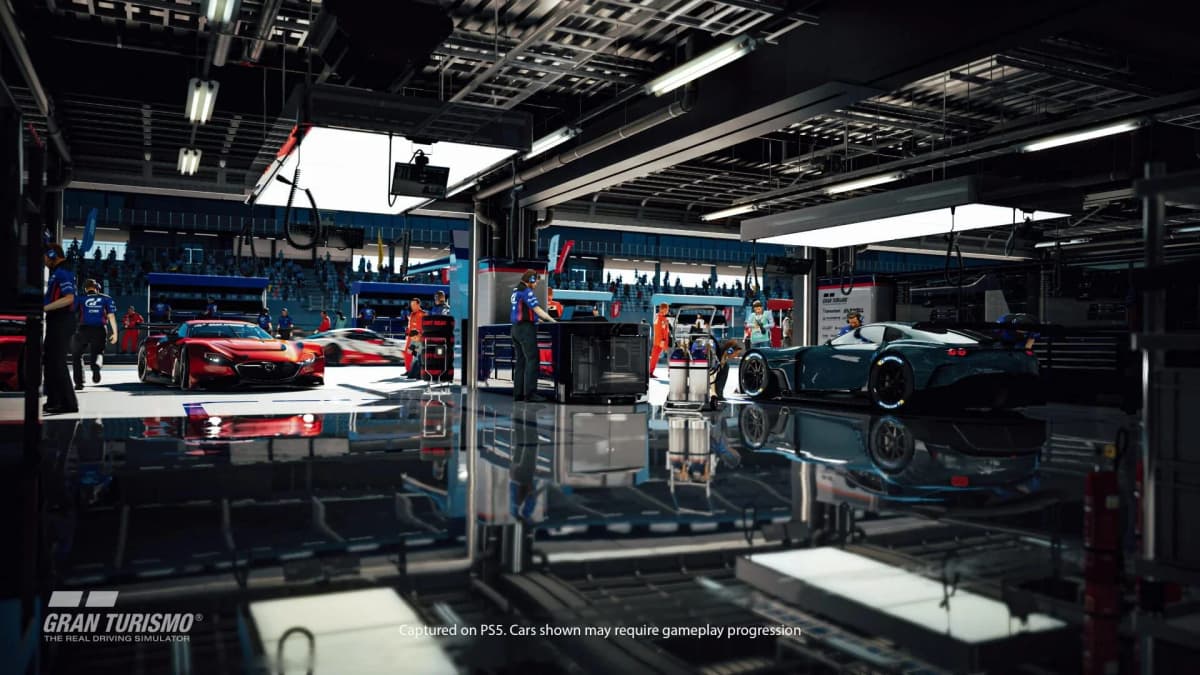
The data recorder is the sleeper feature. GT5/GT6 flirted with telemetry, but GT7’s handling model deserves proper tools. If we’re getting throttle, brake, steering angle, gear, and speed overlays synced to replays, that’s a massive boon to learning lines and fixing bad habits. Shareable data would be the dream: imagine coaching sessions where you can literally overlay a faster driver’s inputs on your lap.
Progression Fixes and Multiplayer Reality Check
Let’s be honest: GT7’s economy and cafe progression have been the mood killer for a lot of players. “Expanded progression” needs to mean more than a few new menus—it needs better payouts, sensible PP restrictions, and events that encourage you to try the new cars without hours of grind. If Polyphony is also smoothing solo AI behavior and improving lobby stability, that’s the kind of housekeeping you actually feel day‑to‑day.
On the competitive side, consistency is king. If penalty logic and SR/DR calcs get even a modest tune, Yas Marina and Montreal could produce cleaner, side‑by‑side racing instead of punt roulette. I’ll be watching the first two weeks of Daily Race data to see if incidents drop and if the 296 slots into BoP without nuking variety.
The Gamer’s Perspective
This is what a “biggest free update” should look like: essential tracks, a headline GT3 car, real tools for improvement, and practical QoL. I’m excited because it impacts how we actually play—new league calendars, fresh time‑trial targets, and deeper tuning rabbit holes. My skepticism? Polyphony sometimes ships great content with ho‑hum event payouts. Don’t make Montreal the new Sardegna grind; give us rewarding races that justify the garage expansion.
TL;DR
GT7’s biggest free update delivers where it counts: Yas Marina and Montreal, eight new cars led by the Ferrari 296 GT3, Dunlop tires, telemetry tools, and progression fixes. If the events pay well and online penalties behave, this could mark the game’s best competitive season yet.