

Grand Theft Auto VI’s “anti-woke” backlash is a pre-launch tantrum built from scraps, and the numbers already show how little it has moved the audience that actually buys Grand Theft Auto. The argument has been inflated from short clips, social-media panic, old franchise baggage, and a stubborn refusal to accept that Lucia exists as a mandatory protagonist. Meanwhile, GTA VI pre-orders opened on June 25 and immediately produced the only signal that matters before launch: huge demand.
An analytics estimate put the game’s first-week digital pre-order sales at roughly $180 million across the United States, United Kingdom, France, Germany, Italy, and Spain. Globally, that estimate reached about $260 million. Take-Two called the demand “unprecedented” in August. That word gets abused in games marketing, but a quarter-billion dollars of projected pre-launch spending is not a vibes-based victory lap. It is a very public demonstration that the culture-war crowd has failed to turn its outrage into a consumer revolt.
GTA VI arrives on November 19 for PlayStation 5 and Xbox Series X|S. The 26-and-a-half-minute gameplay deep dive, captured on a base PS5 and presented through Netflix, gave the internet plenty to dissect. What it did not provide was a complete story, a final map of every mission, or a manifesto from Rockstar explaining the game’s politics. That vacuum has been filled by people who want every piece of entertainment to validate a side in a permanent online war.
Table of Contents (5)
The Backlash Has a Conveniently Tiny Evidence Base
The “anti-woke” framing around GTA VI hangs on claims that Rockstar is pushing gender equality, LGBTQ acceptance, and racial diversity through Vice City. That framing treats representation as proof of ideological capture before players have even seen the finished game. It also turns Lucia and Jason’s relationship into political evidence because the relationship can evolve through player choices.
That is weak material for a crusade. A woman occupying one half of a criminal-duo protagonist setup does not make a game a lecture. A relationship with player-driven outcomes does not establish a political agenda. A few clips of people living in a fictionalized Florida do not reveal the full tone of a Rockstar story that remains largely under wraps.
The people forcing that label onto GTA VI are demanding certainty from footage that does not support it. They want the game condemned for details that have not been demonstrated: alleged censorship, rewritten systems, softened satire, ideological restrictions, the usual grab bag of pre-release accusations. No official pre-launch materials establish any of that. The label exists because outrage spreads faster when it can claim the conclusion before the evidence arrives.
I have no interest in pretending Rockstar deserves automatic trust because it has a massive logo on the box. A studio can mishandle a character, write a shallow relationship, or sand down its own edge. But I refuse to grade a game’s supposed political sins from an algorithmically clipped video and a pile of rumor. That is not criticism. It is fandom treated like partisan opposition research.
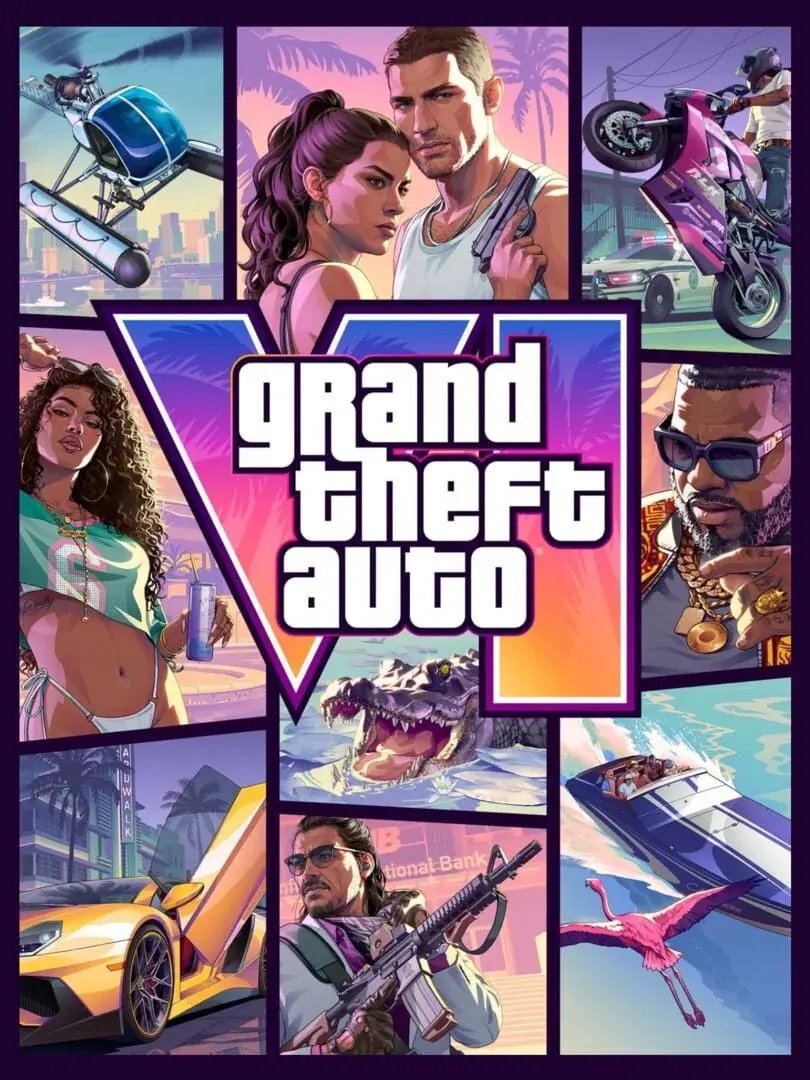
Lucia Is Not a Political Emergency
Lucia being the series’ first mandatory female protagonist has clearly hit a nerve with people who prefer their favorite franchises frozen at the exact point where they first felt catered to. They have mistaken familiarity for a contract. Grand Theft Auto has always been built to provoke, exaggerate, and place ugly people in ugly situations. It would be absurd for a new entry set in Vice City to act as though women, queer people, and people of different backgrounds do not exist in that world.
More importantly, Lucia has a role in the game’s premise. She is one of two protagonists, alongside Jason, and their relationship can shift through choices. That gives Rockstar a legitimate dramatic reason to make their bond central. The loudest response has skipped over that basic storytelling fact because acknowledging it would ruin the easier narrative: woman lead equals ideological takeover.
There is a lazy assumption behind the backlash that Grand Theft Auto can only be “real” when its point of view resembles a narrow slice of the players who grew up with it. That assumption has always been garbage. Vice City is a setting full of performance, greed, crime, status anxiety, tourism, spectacle, and contradiction. A world like that becomes less convincing when it excludes people merely because a few political accounts dislike seeing them occupy meaningful space.
The franchise’s history also makes the current outrage especially ridiculous. Grand Theft Auto has spent years attracting moral panic from people who find it too crude, too violent, too sexual, too cynical, or too willing to mock sacred cows. Now a different faction wants to police it for potentially being too inclusive. Past arguments over changed old content and allegations of transphobic material are being dragged back into the same dispute, often by people trying to make Rockstar look simultaneously cowardly and dangerously radical. Those positions do not even fit together. They only share one purpose: keeping the fight alive.
Preorders Are the Only Pre-Launch Signal That Can Be Counted
Pre-orders do not prove GTA VI will be great. They do prove that the boycott fantasy has not gained meaningful traction. The game had an estimated $260 million in global pre-order sales during its first week. Later estimates placed worldwide pre-orders between roughly 4.6 million and 4.86 million units, generating approximately $446 million to $476 million in projected revenue.
Those are estimates, not Rockstar’s official totals, and some of the wilder viral claims deserve to be ignored. A June claim that GTA VI had already passed 39 million pre-orders and $3 billion in revenue clashes hard with the later analytics figures. Inflated hype numbers are still inflated hype numbers, even when they flatter a game I expect to dominate the year.
But the grounded estimates remain enormous. One forecast projected GTA VI could generate between $3.3 billion and $5.2 billion in global sales by the end of launch week, with a midpoint-style model landing around $4.5 billion and 51 million units at an assumed $88 average selling price. That forecast can miss. It can miss by a lot. Yet even the lower end explains why culture-war noise has had so little practical effect: players are still lining up for the next Grand Theft Auto event.
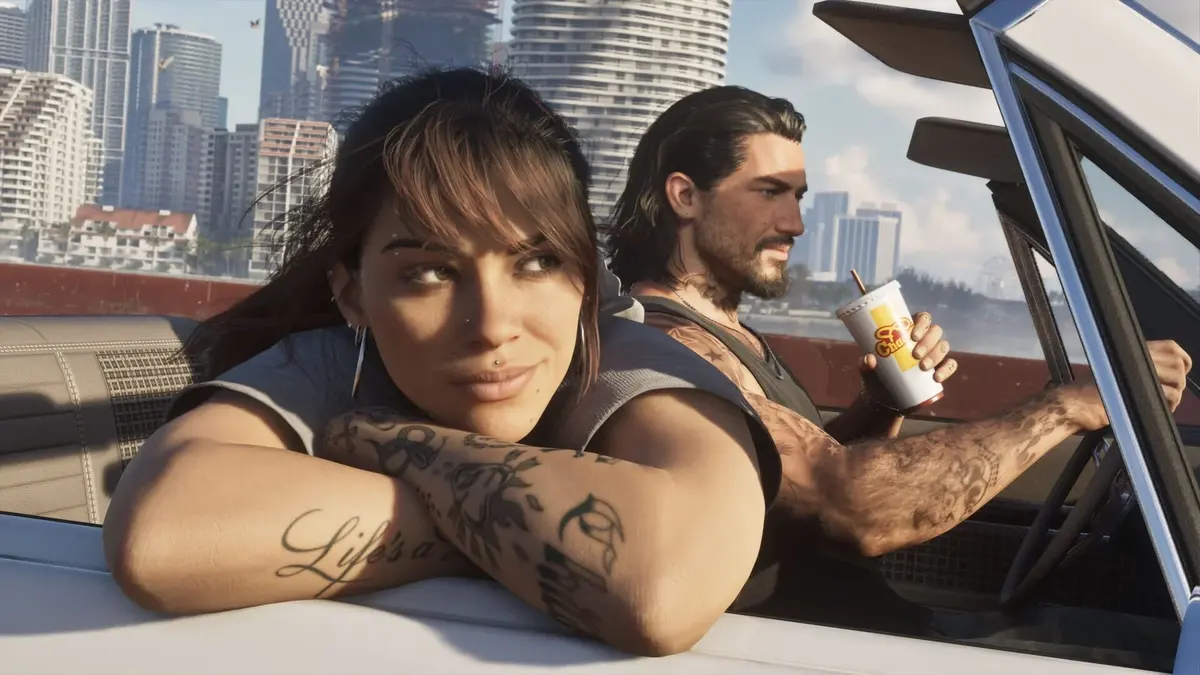
The reported price picture reinforces that point. The base digital version has been listed at $79.99 on PlayStation 5 and Xbox Series X|S, while reports have also circulated a $99.99 Ultimate Edition. Rockstar has not laid out a final public edition-content breakdown, so nobody should treat the premium-tier discussion as settled. Still, estimates that roughly 89% of pre-orders selected the $99.99 edition show a player base willing to spend heavily before launch. That is the opposite of a consumer base withholding money in protest.
The Hype Is Bigger Than the Timeline War
The $3 million Miami Beach advertising campaign makes the mismatch even clearer. The City of Miami Beach approved the campaign on September 10 in a 4-3 vote, with installations scheduled from October 15 through the end of 2026. Boucher Brothers umbrellas and beach chairs will carry the game’s VI symbol across a real beach in the city that helped inspire Vice City’s visual identity.
That campaign does not count as a sales metric. It does, that said, show where GTA VI exists in the broader culture: far beyond the accounts turning every Lucia clip into a political emergency. Rockstar is preparing a blockbuster launch with a scale that reaches storefronts, streaming showcases, console dashboards, and a real-world Miami Beach promotion. The anti-woke campaign exists mostly as a feed phenomenon. It is loud because social platforms reward conflict, not because it has seized the public.
Players understand that distinction better than the discourse merchants do. The person who pre-orders GTA VI is not necessarily endorsing every writing choice Rockstar will make. They are buying because Grand Theft Auto remains one of the few releases capable of feeling like a genuine shared event. Friends will compare Vice City discoveries, argue over Lucia and Jason, chase GTA Online possibilities, complain about mission design, obsess over technical performance, and pick apart every strange little detail Rockstar plants in the world. That behavior has weight. A rage thread does not.
Sales Will Not Excuse a Bad Game, but Outrage Will Not Stop This One
There is one point the preorder victory-lap crowd should remember: demand does not guarantee quality. A giant launch can still reveal weak writing, ugly technical compromises, manipulative online design, or a story that wastes Lucia and Jason. Rockstar still has to earn the years of anticipation when the game is finally in players’ hands. I will judge GTA VI on what it delivers on November 19, not on projections, branded beach furniture, or the desperation of people who want it to fail for ideological points.
But the current backlash deserves no special respect. It has taken limited footage and tried to turn it into a complete political indictment while the measurable market response moves in the opposite direction. Grand Theft Auto VI may eventually give players plenty to praise or tear apart. The “anti-woke” panic has already given us its full argument, and it is far smaller than the game it wants to own.
FinalBoss // Gear
Level up your setup
01Top-rated gaming headsetson Amazon→02High-refresh gaming monitorson Amazon→03Gaming chairson Amazon→04Discounted game keyson Kinguin→
Affiliate links · As an Amazon Associate, FinalBoss earns from qualifying purchases.
Want to Level Up Your Gaming?
Get access to exclusive strategies, hidden tips, and pro-level insights that we don't share publicly.
Ultimate Gaming Strategy Guide + Weekly Pro Tips