
If you came here for GreedFall’s exact level cap and the fastest way to grind toward it, here is the honest answer: the number matters far less than where you spend the points. The cap is 90, but almost no normal playthrough gets close, and a focused build wins long before then.
Table of Contents (9)
The short version
- Max level is 90. The “99” figure you will see quoted is forum chatter with no developer source — use 90 as the real ceiling.
- You will not hit it normally. Levels feed attributes, talents, and skills, so a finished build feels “done” well before the cap.
- Fastest grind: the Coin Arena in New Serene, re-running a stage you can clear cleanly (Stage 5, Round 3 pays roughly 2,000–2,500 XP per kill and is repeatable).
- Spend points by role: Strength/Agility for melee, Mental Power/Willpower for magic, Accuracy for firearms and alchemy, Endurance for survivability.
- Prioritize talents like Charisma, Vigor, Craftsmanship, and Lockpicking — they unlock more value than another combat level.
What the max level actually is
The cap is 90. You will also see people quote 99 (or even 100), but those numbers only ever surface in forum posts with nothing behind them — no patch note, no developer statement. The substantiated figure is 90, so treat that as the ceiling and ignore the 99 myth.
There is no special quest or unlock that “gives” you max level. You simply keep earning XP until the game stops handing out level-ups. The catch is that the road there is long. Most players finish the campaign, or settle into a complete build, well before 90 ever becomes the limiting factor.
Why max level matters less than your breakpoints
GreedFall’s power curve runs on thresholds, not raw level count. Every level feeds a three-part progression system:
- Attributes shape your combat identity and gate which gear you can equip.
- Talents drive utility, exploration, crafting, and social checks.
- Skills define your active combat tree and playstyle.
This is why a character feels “finished” long before the cap. Once you have the attribute thresholds to wear the gear you want and the talents to smooth out questing, extra levels are incremental, not transformative.
Plan your attributes around their concrete roles from the start. Per the in-game system:
- Strength raises melee attack power; Agility adds melee damage and Fury generation — the melee foundation.
- Mental Power raises spell power; Willpower raises MP and spell duration — the magic foundation.
- Accuracy upgrades both firearms and alchemical preparations (traps and alchemy).
- Endurance increases max HP and balance — your survivability stat.
Hitting the right attribute threshold at the right time beats pushing for another ten levels. That is especially true for magic and firearms/alchemy setups, which lean harder on attribute requirements than a straightforward melee bruiser. A diluted hybrid can keep leveling forever and still feel weaker than a focused character that reached its breakpoints early.
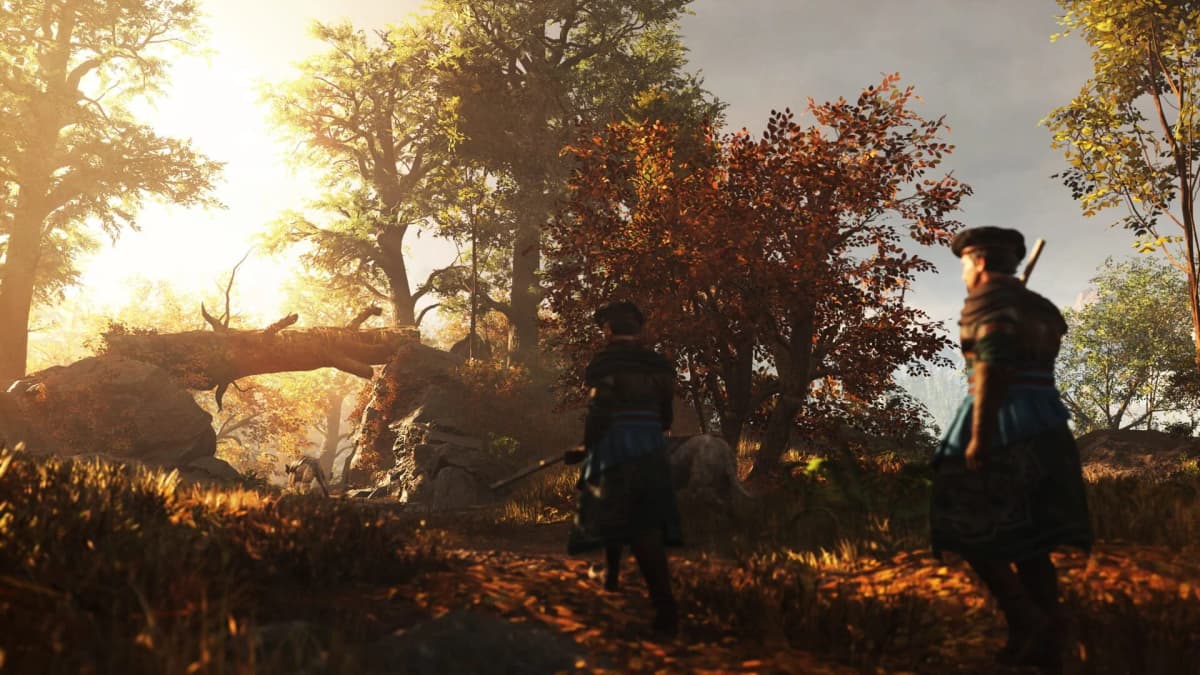
The fastest way to grind XP: the Coin Arena
If you do want to push toward the cap, the cleanest farm is the Coin Arena in New Serene. It lets you re-fight chosen stages and rounds on repeat, which removes the randomness of wandering the map hoping for worthwhile fights.
The standout route is Stage 5, Round 3: each kill there pays roughly 2,000–2,500 XP, and you can run it again and again. That is the core loop — pick a stage you clear quickly and safely, not the hardest one you can barely survive. Fast clears beat sloppy clears every time in a game where healing and long animations eat the time you thought tougher enemies would save.
- Re-run Stage 5, Round 3 once your build has stable combat tools and you want predictable XP per minute.
- Favor rounds where you can burst enemies down cleanly instead of drawn-out defensive fights.
- If a round forces heavy potion use or constant kiting, drop to an easier stage — your XP-per-minute is higher there.
Because the arena keeps you in one place with the same encounter, it is the most comfortable farm for a focused combat build and it exposes an undergeared one quickly.
Sleep-and-respawn enemy loops
The backup method is a respawn loop: clear a route of enemies, sleep to pass several in-game days, then return once they reset. It works best when you already know a route that packs good enemy density into a short travel path.

- Clear full routes rather than random scattered packs.
- Rest enough in-game time for respawns instead of checking too early and wasting travel.
- Keep the loop short — if travel time is longer than combat time, the route is weak.
Between the two, the Coin Arena is the simpler recommendation. Respawn routes only pull ahead once you know the map well and your build handles open-field fights efficiently.
How to build on the way to the cap
If you are chasing high levels, build discipline matters more, not less — grinding magnifies bad decisions because you spend more time in the same loop. Pick one combat identity early and support it instead of scattering points.
For melee characters, Strength and Agility are the foundation, with Endurance growing more important as you want sturdier armor and more forgiving survivability. These builds come online early because they are less fussy than magic or firearms setups.
For magic users, Mental Power and Willpower are the gates. If your mage feels weak, it is usually not your level — it is that you have not yet hit the thresholds your spells and gear demand.

For firearms and trap play, Accuracy is the centerpiece — and since it also powers alchemical preparations, it is the one stat tying that whole archetype together. Spread points into unrelated stats too early and these builds stay underpowered.
Talents are where players quietly slow themselves down. Prioritize, or at least plan around, Charisma, Vigor, Craftsmanship, and Lockpicking — and use item bonuses to hit useful thresholds without overinvesting permanently. Talents open dialogue solutions, unlock routes, raise crafting value, and cut friction across the whole campaign. They save more time than an extra combat level ever will. For a deeper breakdown of stat priorities by archetype, see our GreedFall best builds guide.
What a near-max character does well
Near the top end, a strong GreedFall character is defined by coverage, not by the number on the sheet. A polished melee build has the attributes to wear the gear it wants and survive aggressive trading — pair that with the right gear from our best armor guide. A polished mage finally feels smooth because its spellcasting requirements are fully met. A polished firearms build stops feeling like a compromise once Accuracy and equipment line up.
Hybrids are possible, but they are inefficient if your goal is pure optimization. They make sense for flexibility or roleplay variety, not for the cleanest path to high-end combat. When someone hits the upper levels and their character still feels off, the cause is almost always a diluted point spread, not a missing level.
Common mistakes when chasing the cap
- Believing the 99 myth. The cap is 90; 99 is unsourced forum talk.
- Grinding too early. Before you hit useful gear and talent thresholds, farming XP feels slow and unrewarding.
- Over-hybridizing. Spreading points across melee, magic, and firearms delays the moment your build starts to feel powerful.
- Ignoring talents. Charisma, Vigor, Craftsmanship, and Lockpicking create more practical value than another small combat gain.
- Picking bad farm rounds. An arena round you can barely survive earns less per minute than an easy one you can repeat fast.
Practical takeaway
Treat 90 as the ceiling, ignore the 99 myth, and stop measuring progress by the cap. The real question is whether your character has reached the attribute, talent, and skill thresholds that make the build work — and in GreedFall that comes well before 90. If you do grind, farm Stage 5, Round 3 in the New Serene Coin Arena for fast, repeatable XP, and commit your points to one archetype instead of spreading them thin.
FinalBoss // Gear
Level up your setup
01Top-rated gaming headsetson Amazon→02High-refresh gaming monitorson Amazon→03Gaming chairson Amazon→04Discounted game keyson Kinguin→
Affiliate links · As an Amazon Associate, FinalBoss earns from qualifying purchases.
Want to Level Up Your Gaming?
Get access to exclusive strategies, hidden tips, and pro-level insights that we don't share publicly.
Ultimate Guide Strategy Guide + Weekly Pro Tips