
You want a straight answer before you spend money or hours on GreedFall, and most “is it good?” writeups bury it under qualifiers. Here it is up front: GreedFall is a good RPG with a clear weak spot. If you want a choice-heavy, faction-driven adventure in an unusual setting, it delivers. If you came for top-tier combat and tight pacing, it will frustrate you.
Table of Contents (13)
The short version
- Buy it if you like faction politics, companions who change how quests resolve, and dialogue that actually matters.
- Skip it if you need fast, responsive action combat to carry a whole game.
- Setting: a 17th-to-18th-century, Age-of-Exploration-inspired fantasy. Old-world nations colonize the island of Teer Fradee, and colonial pressure against the native clans drives the story.
- Combat: real-time with dodge/roll and block/parry, plus a tactical pause wheel that slows or stops time so you can pick abilities and consumables. Functional and flexible, not spectacular.
- Biggest flaw: pacing. Politics-heavy stretches are strong; travel and errand chains drag.
What GreedFall actually is
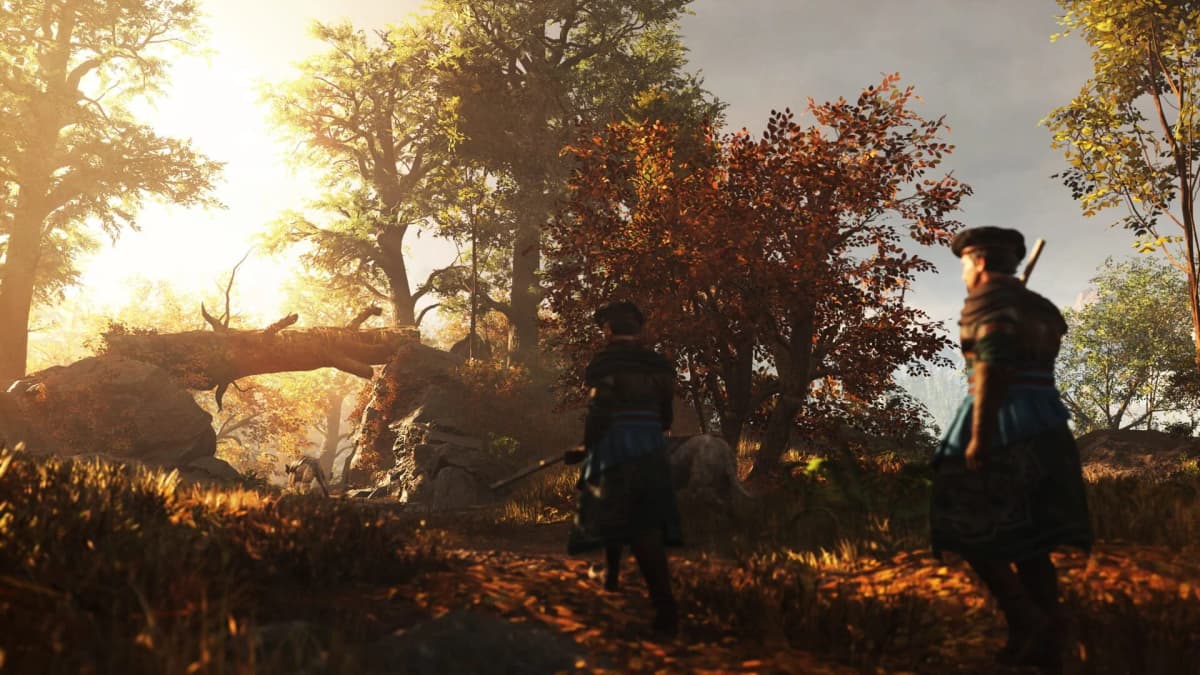
GreedFall is a mid-budget, party-based RPG built around visible faction politics. The pull is the world, not the scale. It is set in a 17th-to-18th-century, Age-of-Exploration-inspired fantasy: old-world powers sail to the newly discovered island of Teer Fradee, and the central tension is colonial expansion against the island’s native clans, layered with magic, religion, and court maneuvering. That premise is rare in RPGs, and it is the reason people remember GreedFall even when they are mixed on how it plays.
It introduces itself like an RPG, not an action game. Early hours are about how you solve problems: who you side with, how thoroughly you explore, what you carry into a mission, and which companions you bring. Players who expect a clean combat loop find the opening slow. Players who expect a political fantasy RPG with multiple ways through a quest settle in fast.
Where GreedFall performs best
The setting does the heavy lifting
This is the easiest thing to praise. Teer Fradee is a political space, not just a loot map. Competing factions hold different beliefs, interests, and methods, so quest lines carry more texture than a straight good-versus-evil setup. The game is at its best when you are deciding how to move through clashing agendas as a mediator, manipulator, or opportunist. If a distinctive setting matters to you more than elite encounter design, GreedFall earns its place.
Companions and dialogue change outcomes
GreedFall gives you multiple ways to approach situations, and that is where the RPG side delivers. Dialogue choices matter, faction standing matters, and companions matter beyond raw damage. Who you bring to a conversation or quest can open alternate paths and shift how things resolve. So do not lock in one party for the whole game. Swap companions to fit the job in front of you: a diplomatic meeting, a faction-sensitive errand, and a combat excursion do not reward the same lineup. If you want to optimize the fighting side of that lineup, see the best builds and stat priorities.
Preparation pays off
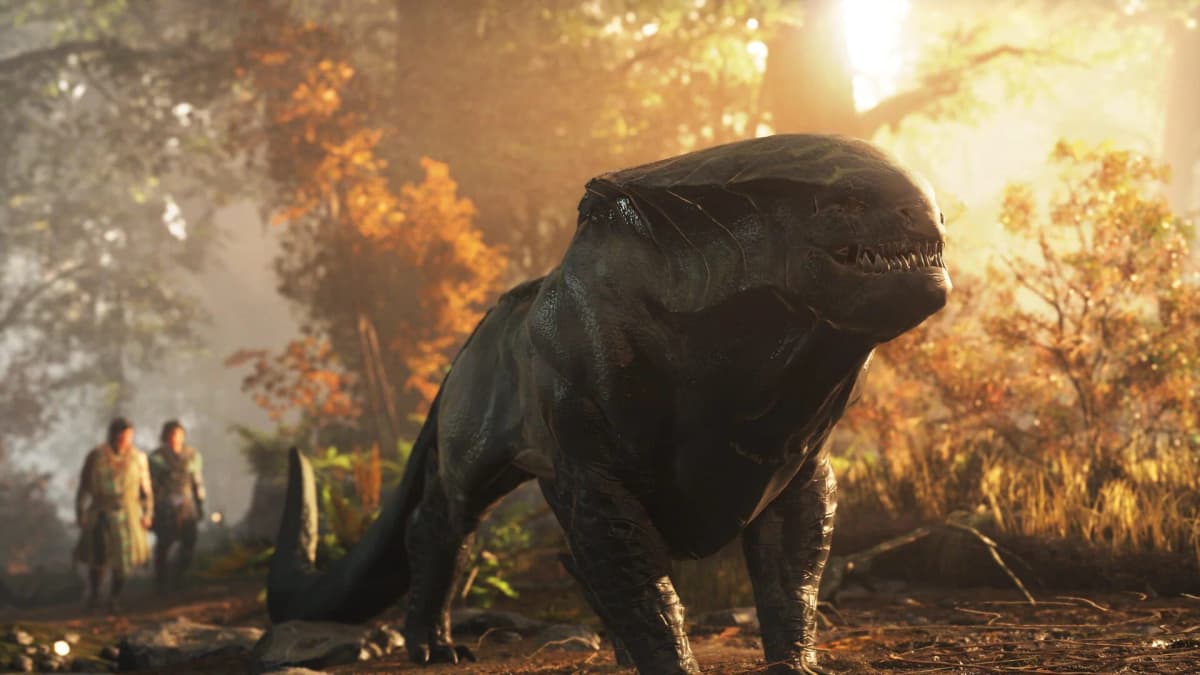
Small preparation choices reward you. Exploring before you push the main quest turns up gear, money, and quest solutions that save trouble later. Check vendors. Hold a little currency instead of spending every coin. GreedFall regularly creates moments where being ready feels smart rather than excessive, which makes it a better fit for players who like to plan a route through a quest hub and walk in with a backup option.
Where GreedFall falls short
Combat is functional, not the reason to play
Combat is real-time: you dodge and roll, block and parry, and open a tactical pause wheel that slows or stops time to select abilities and items. That gives you enough control to make builds and encounters work. The problem is not that it is broken; it is that it gets repetitive and lacks the crispness of the best action RPGs. Play it like a combat showcase and you will judge it too harshly. Treat fights as one pillar you manage with positioning, cooldowns, and party support, and it holds up fine.
Pacing is the real friction
This is the most common complaint, and it is fair. The quest flow drags in places. Some stretches are rich in politics and consequence; others take too long to reach a payoff, especially when you string together errands or travel-heavy tasks. The fix is to pace the game around its strengths: alternate faction quests, companion content, and main story instead of grinding one type until it stales. Before you commit, it helps to know how long GreedFall takes to beat so you can plan around the slow patches.
Polish is uneven
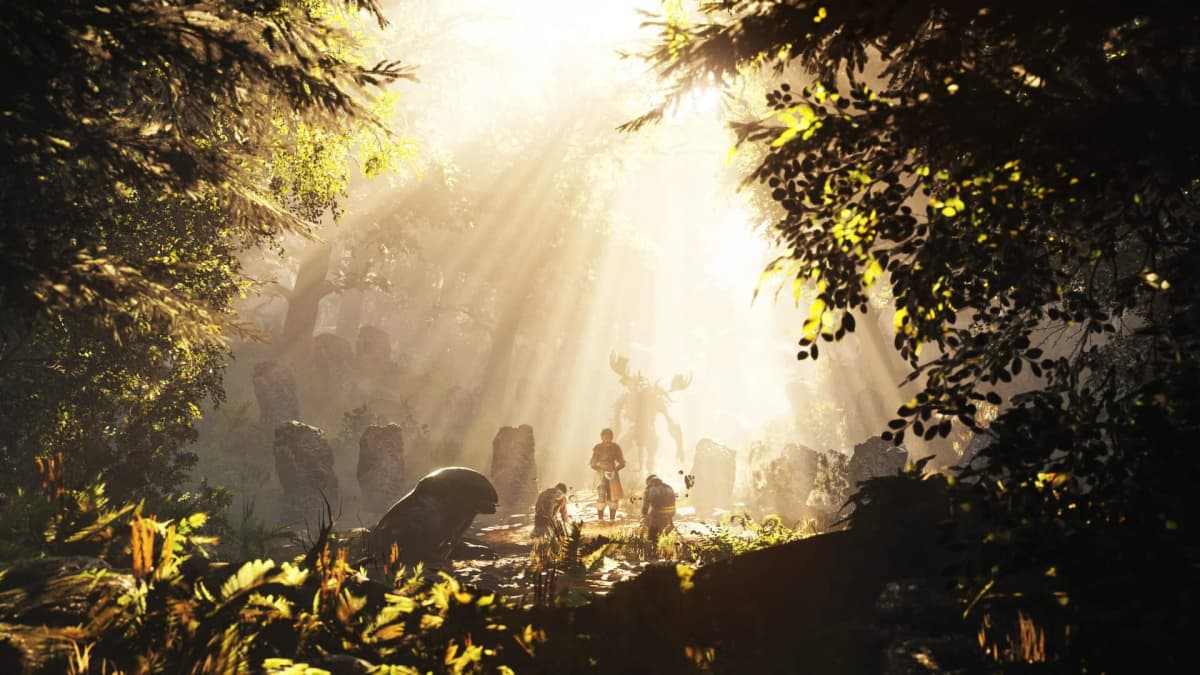
GreedFall is an imaginative RPG that sometimes stretches past its resources. Some quest design and worldbuilding punches above its budget while smaller details feel rough. It is not a seamless AAA finish. Go in expecting “ambitious and blemished,” not “flawless hidden masterpiece.”
Common mistakes
- Judging it by the swordplay. The combat is the weakest pillar, not the point. Rate it on choice and faction depth.
- Running one fixed party. You lose alternate dialogue and quest paths that specific companions unlock.
- Sprinting the main plot. Skipping companion and faction content strips out what GreedFall does best.
- Ignoring the pause wheel. Fighting in pure real time wastes the system that makes consumables and abilities reliable.
- Dumping all your gold. Bribes and unexpected costs smooth over messy quests; keep a reserve.
Which version to play
If you have decided to buy in, the edition you pick affects what is included. For a breakdown of the Gold Edition and DLC, check that guide before you purchase so you do not double-dip on content you already own.
Practical takeaway
GreedFall is good in the way cult-favorite RPGs are good: a strong identity, a memorable colonial-fantasy setting, and choices that genuinely change how quests play out. The combat is merely solid, the pacing crawls in spots, and the polish is uneven, but none of that erases what works. If you value navigating politics and using your party for more than damage, buy it and lean into the role-play. If your bar starts with combat feel and relentless pacing, it lands as “interesting but frustrating.” For setting-and-choice players, it is an easy recommendation.
FinalBoss // Gear
Level up your setup
01Top-rated gaming headsetson Amazon→02High-refresh gaming monitorson Amazon→03Gaming chairson Amazon→04Discounted game keyson Kinguin→
Affiliate links · As an Amazon Associate, FinalBoss earns from qualifying purchases.
Want to Level Up Your Gaming?
Get access to exclusive strategies, hidden tips, and pro-level insights that we don't share publicly.
Ultimate Guide Strategy Guide + Weekly Pro Tips