
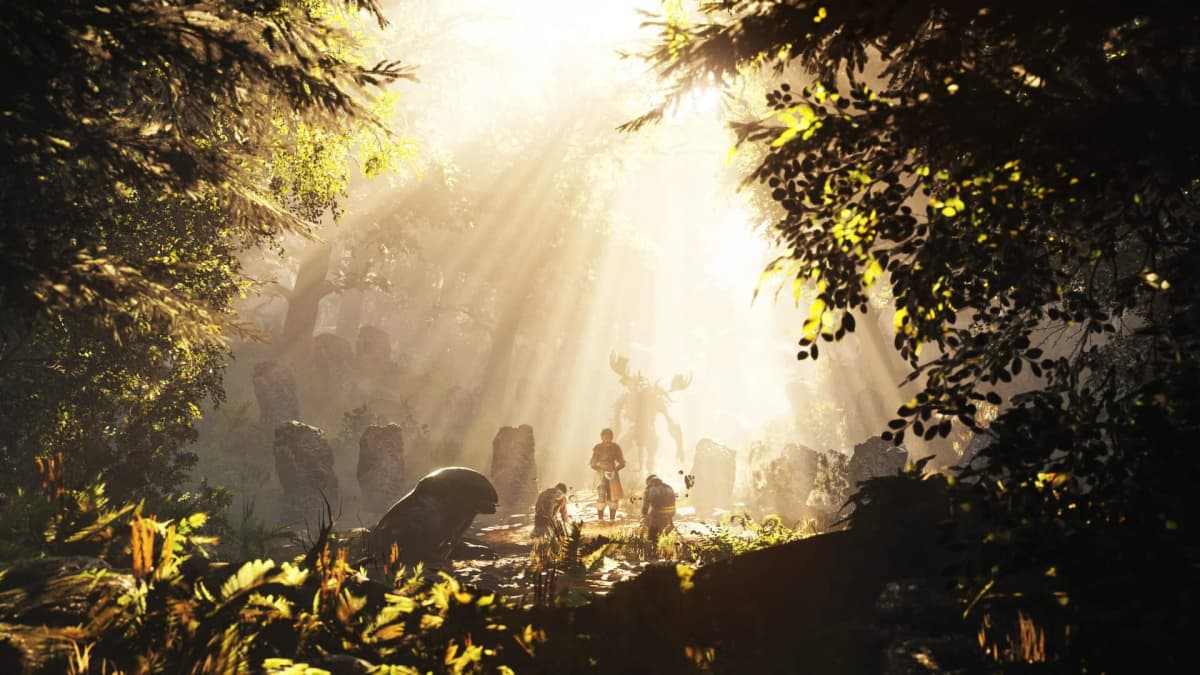
Some RPGs make a clean first impression and never let go. GreedFall belongs to the rougher, more stubborn category: the kind of game that asks for patience before it earns affection. I learned a long time ago that mid-budget RPGs sometimes hide their best ideas behind stiff animations, odd combat rhythms, and a face full of technical seams. GreedFall fits that pattern almost perfectly. The surprise is not that it is janky in places. The surprise is how often that jank sits next to genuinely smart quest design and worldbuilding that still feels more distinct than plenty of prettier, more expensive games.
Because this brief did not include fresh playtest notes, this is an evidence-based review analysis built from the overlap across published GreedFall reviews, mechanics breakdowns, and sequel discussion rather than a fake diary about a save file I do not have open. The broad picture is unusually consistent. GreedFall is not beloved because it feels amazing to swing a blade or because its visuals rival the genre’s best. It is remembered because its faction politics, colonial-fantasy setting, and choice-driven quests give it an identity that plenty of safer RPGs never find.
- GreedFall’s biggest strength is its questing: diplomacy, faction tension, companion relationships, and meaningful role-playing choices.
- Its biggest weakness is moment-to-moment feel: combat can be uneven, while camera behavior, lip-sync, and animation roughness chip away at immersion.
- The build system has real flexibility, especially if you like mixing melee, firearms, traps, stealth, or magic instead of following one rigid path.
- Final verdict: this is a very solid AA RPG for players who value quests and worldbuilding over polish, with a score of 7.5/10.
Table of Contents (9)
GreedFall is a quest RPG wearing an action RPG costume
The cleanest way to understand GreedFall is to stop treating combat as its main event. Yes, it is a third-person action RPG. Yes, you will spend time fighting human enemies, beasts, and supernatural threats. But the thing that gives GreedFall its pulse is not swordplay. It is the fact that you play as de Sardet, a diplomat of sorts, sent to the island of Teer Fradee while the old world is being ravaged by the Malichor plague. That setup turns the game into something more political than most fantasy RPGs are willing to be. Faction rivalries matter. Conversations matter. Your role in the world matters.
That alone gives GreedFall a different flavor from generic save-the-world fantasy. The colonial-era clothing, the muskets, the courtly tone, the uneasy relationship between settlers and natives, and the mix of mysticism with imperial ambition all help it stand apart. Several reviews landed on the same conclusion for a reason: Teer Fradee is the main draw. The island feels like a place built around competing agendas rather than a checklist of combat zones. Even when the raw presentation is uneven, the setting keeps pulling attention back where it belongs.
There is also a strong whiff of older BioWare-style role-playing in how GreedFall handles companions, loyalties, and faction consequences. Not because it matches that studio’s production values. It absolutely does not. The similarity is in priorities. The game keeps nudging you toward decisions, allegiances, and negotiations instead of pretending every problem is best solved by clearing another room with steel. For players who miss RPGs that trust quests to carry emotional weight, that matters a lot.
Its best ideas show up when the game lets you solve problems like a diplomat, not a blender
GreedFall’s strongest reviews tend to praise the same thing: quest design that gives you room to think. A mission might still end in violence, but the interesting part often happens before that point. You are mediating between factions, investigating motives, deciding who to trust, working around a social problem, or leaning on your reputation and talents to open a better route. That structure gives the game an identity beyond being merely serviceable fantasy combat. It also means the role-playing layer does not feel taped on after the fact.
That is where GreedFall punches above its budget. Plenty of larger RPGs throw around the language of choice while quietly funneling everyone toward the same blunt solution. GreedFall seems more willing to let politics and procedure do real work. The idea of being an envoy on a dangerous frontier is not just story dressing. It seeps into how quests are framed and why they matter. That makes the game easier to forgive when smaller production cracks show, because the underlying design is trying to do something more interesting than fill a map with chores.
Companions help here as well. Their presence is not merely tactical. They feed into the game’s faction web and social texture, which is a big reason GreedFall still has a cult following. People do not keep bringing this game up years later because the dodge timing was immaculate. They remember it because it let them inhabit a political role inside a setting that felt unusual and a little messy in the best way.
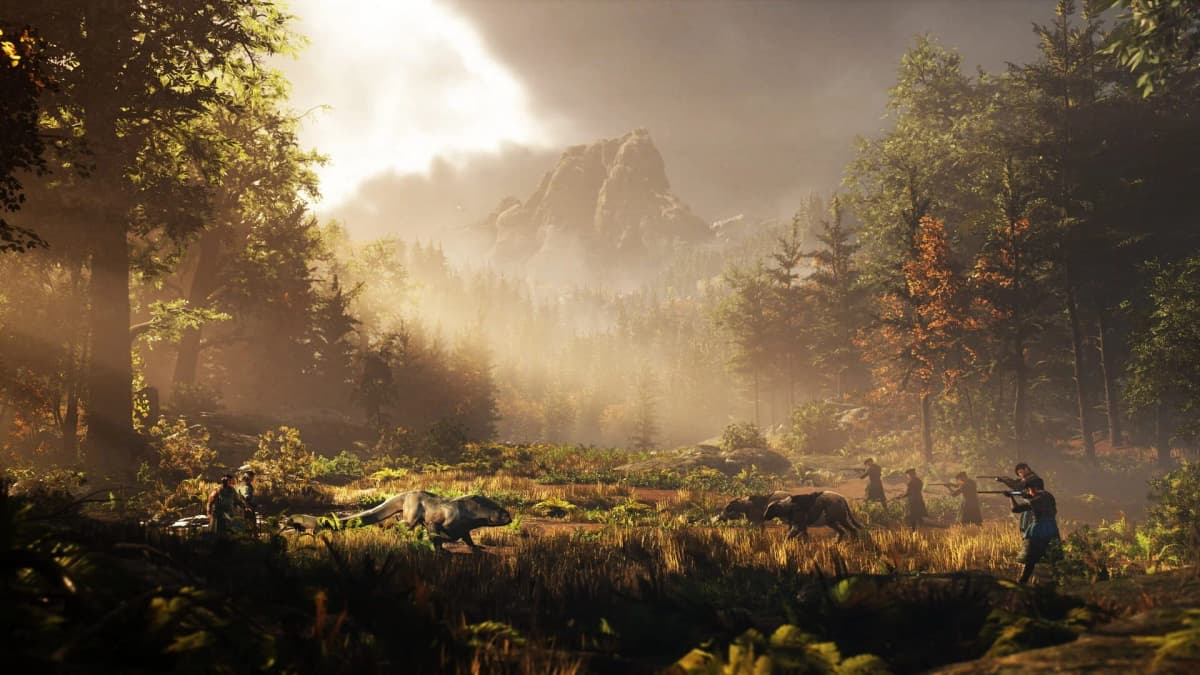
Build variety is real, and GreedFall is better when you lean into it
The combat itself may not be GreedFall’s headline feature, but the character-building underneath it is more interesting than the game’s rough action feel first suggests. Published guides and community advice consistently point to a flexible system that supports different identities: heavy melee, quicker blades, firearms, technical tools like traps, stealth, and magic. Attribute scaling matters, and the game makes practical talents useful in a way many RPGs only pretend to. Lockpicking is not glamorous, but it can change how much loot you access and how many optional opportunities open up. Crafting and utility investments have similar value.
That matters because GreedFall rewards planning. Keeping more than one weapon type on hand can help when armor or resistances become a problem. Stealth attacks can reduce pressure before a fight properly starts. A build that focuses its points with intent will generally feel better than one that spreads everything thin. This is another reason the game lands well with certain players. If you enjoy theorycrafting, nudging a build toward a specific rhythm, and squeezing advantage from talents outside raw damage, GreedFall has more to say than its modest presentation suggests.
It also helps explain why some players defend the combat more than others. They are often responding less to the feel of each swing and more to the satisfaction of preparation. GreedFall is at its best when your loadout, talents, and approach make you feel clever. It is less convincing when all that remains is the bare action of trading hits in real time.
Where GreedFall stumbles is exactly where bigger-budget RPGs usually hide the flaws
Here is the blunt part. GreedFall is rough. Not ruinously rough, not broken beyond recommendation, but rough in ways that are hard to ignore if presentation and responsiveness sit near the top of your priority list. Multiple reviews point to thin environmental detail in places, awkward facial animation, lip-sync issues, reused interiors, and a camera that can make combat or exploration feel clumsier than they need to be. Cities and hubs can read as emptier or more artificial than the game’s writing deserves. The art direction works hard. The raw tech does not always keep pace.
Combat takes a similar hit. The consensus is not that GreedFall’s combat is terrible. It is that it rarely feels sharp enough to become the reason to play. Encounters can slide into repetition. Default difficulty does not always force the system to fully sing. Some players find a workable groove once builds come online and utility tools enter the mix, but even supporters usually frame the fighting as acceptable rather than exceptional. If the trailer promise in your head is stylish action with top-tier hit feedback and elegantly paced enemy design, GreedFall will almost certainly disappoint.
No fresh platform-specific testing was part of this brief, so the safest technical read is the broader one shared across reviews and player discussion: GreedFall’s problems are more about underpolish than disaster. Think awkwardness, stiffness, and immersion-breaking details rather than a total collapse. Some players can shrug that off in minutes. Others bounce hard the second a conversation animation lands with the grace of a shop mannequin.
Why GreedFall reviews keep sounding split years later
This is one of those games where the disagreement makes perfect sense. GreedFall reviews tend to split according to what each reviewer wants most from the genre. People who come to RPGs for quest texture, faction politics, unusual settings, and character builds often find a lot to admire. People who need smooth animation, rich environmental density, and combat that feels immediately satisfying tend to be far less forgiving. Both camps are reacting to the same game. They are just valuing different parts of it.
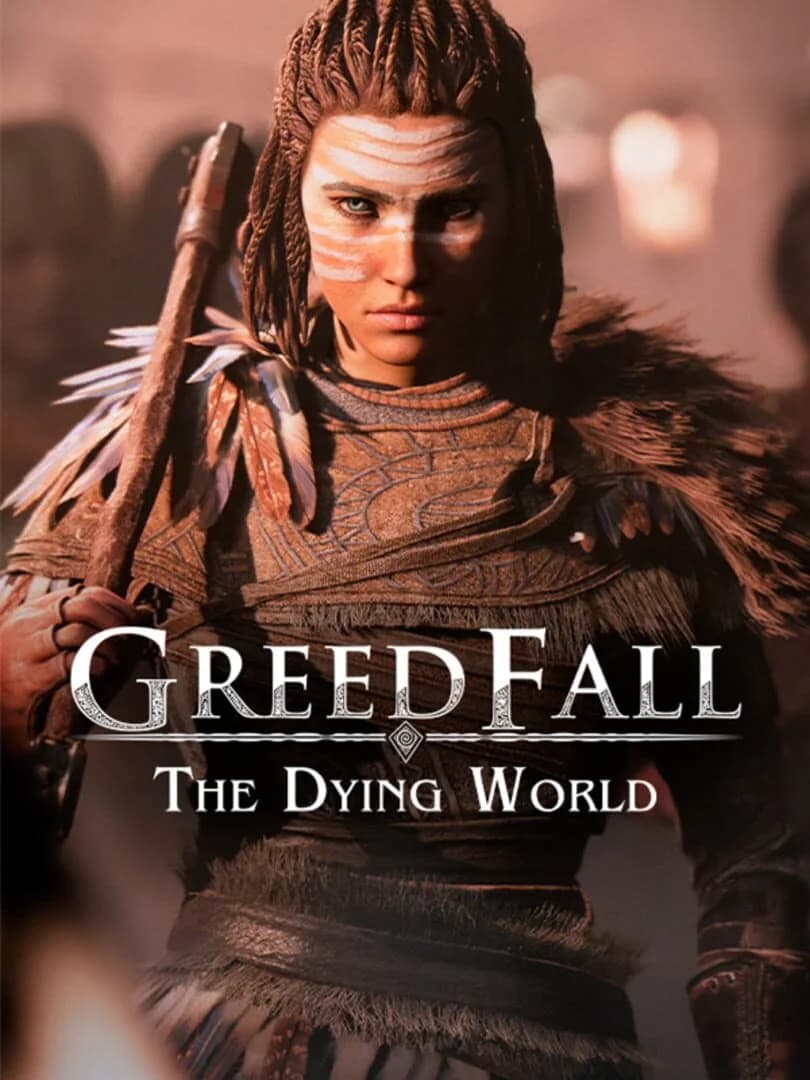
That is why GreedFall can be both underrated and easy to criticize. It is underrated in the sense that its best questing ideas deserve more respect than its AA label often gets. It is easy to criticize because the shortcomings are never subtle. The seams sit right there in front of you. You do not need a frame counter or a 20-hour deep dive to notice them. GreedFall asks for tolerance. In return, it gives you actual role-playing.
Who should play GreedFall, and who should walk away
- Play GreedFall if you love story-heavy RPGs where factions, companions, and political choices carry the experience.
- Play it if you have affection for ambitious AA games that try something distinctive even when the polish is uneven.
- Play it if you enjoy build planning, utility talents, and making non-combat decisions feel as important as combat ones.
- Skip it if you mainly want crisp action combat, lavish animation, or modern AAA visual fidelity.
- Skip it if repeated environments, awkward conversation scenes, or general jank tend to poison an RPG for you no matter how good the writing is.
The practical version is simple. GreedFall suits players who can love a game for its structure and ideas even when its moment-to-moment texture is a little scuffed. It is much less suited to players who judge RPGs by how cleanly they move, hit, and visually sell their world.
What this means for a GreedFall 2 review and GreedFall: The Dying World review
Anyone searching for a GreedFall 2 review is effectively circling the newer conversation around GreedFall: The Dying World. Early materials and community discussion suggest the follow-up wants to sharpen the original’s strengths rather than throw them out. Attribute paths appear more explicitly defined, build identity looks clearer, and there is renewed attention on tactical roles and weapon behavior. That is promising because the first GreedFall never needed a prettier version of the same systems as much as it needed those systems to feel more confident and more coherent.
It is still far too early to hand out a sequel verdict here, and this is not a scored GreedFall: The Dying World review. But the lesson from the original is obvious. If the series can keep its political questing, faction texture, and build flexibility while tightening combat feel and presentation, then the sequel has room to become the version of GreedFall that fans always imagined in their heads. If it repeats the original’s underpolish without meaningfully improving the action, the same arguments will start all over again.
Bottom line
GreedFall is not the smoothest RPG of its generation, and pretending otherwise would miss the point. Its combat is merely decent, its presentation is visibly underfunded, and some of its technical roughness never stops being noticeable. But there is a reason people keep defending it. The game has a personality. It has a setting worth caring about, factions worth navigating, quests that treat role-playing as more than a decorative menu, and enough build freedom to make problem-solving feel personal.
For players who can meet it halfway, that is enough to turn GreedFall from a curiosity into a genuinely worthwhile RPG. For players who need polish first and everything else second, this one remains a hard sell. The safest recommendation is practical rather than grand: go in for the politics, the quests, and the worldbuilding, not for combat spectacle. Measured that way, GreedFall is easier to appreciate and much harder to dismiss.
Verdict: 7.5/10. A smart, distinctive AA RPG with excellent faction-driven questing and a memorable setting, held back by uneven combat and obvious technical seams.
TL;DR
- Best part: quest design, faction politics, and a colonial-fantasy setting that still feels fresh.
- Weakest part: clunky combat feel, awkward animation, and underwhelming visual polish.
- Best for: players who love role-playing choices, companions, and build planning more than spectacle.
- Not for: players chasing polished action or top-tier presentation.
- Score: 7.5/10.
FinalBoss // Gear
Level up your setup
01Top-rated gaming headsetson Amazon→02High-refresh gaming monitorson Amazon→03Gaming chairson Amazon→04Discounted game keyson Kinguin→
Affiliate links · As an Amazon Associate, FinalBoss earns from qualifying purchases.
Want to Level Up Your Gaming?
Get access to exclusive strategies, hidden tips, and pro-level insights that we don't share publicly.
Ultimate Reviews Strategy Guide + Weekly Pro Tips