
Table of Contents (17)
Grime II Boss Guide Essentials: What Actually Matters
Grime II bosses look wild and abstract, but underneath the weirdness they’re very readable once you focus on a few core systems: Health investment, Force Dash, Grasp parries, Breath Wards, and smart Mold Assimilation. The game barely spells any of this out, so this guide breaks down the pieces I wish I’d understood before running face-first into early walls like Tankard Warden.
This isn’t a boss-by-boss list. Think of it as a toolkit: once you’re comfortable with these essentials, every major fight (including the final boss) becomes about pattern recognition instead of blind panic.
1. Build Essentials Before You Step Into Serious Boss Arenas
Prioritize Health, Then Your Damage Stat
The first mistake I made was pouring points into damage stats too early and wondering why every boss hit like a truck. In Grime II, your Health stat is king, especially for the first chunk of the game.
For early bosses (Temple of Hands through Tankard Warden), I aim for:
- Health as your primary investment until you can comfortably survive 3-4 boss hits.
- Strength or Dexterity as your secondary stat depending on your weapon:
- Strength – heavier-hitting, slower weapons.
- Dexterity – quicker, precise weapons with safer recovery.
The game’s limited healing (especially early when you only get one reliable use post-fight) makes extra max Health much more valuable than a bit of extra attack power. Surviving one extra hit often gives you enough time to correct a bad mistake or reach a Breath Ward.
Bladeroot Sword: Early Boss MVP
Among early weapons, the Bladeroot Sword stands out for bosses because of its combustion gauge. Landing attacks fills a gauge that triggers an explosive burst when maxed. Large-health bosses let you fill that gauge multiple times per phase, turning sustained pressure into reliable bursts of damage.
Where it really shines:
- Tankard Warden and other chunky bosses that stay in range long enough for repeated gauge fills.
- Long stagger windows after you successfully Grasp Parry, giving enough time to build or trigger combustion safely.
I made the error of constantly switching to new weapons as soon as I found them. Sticking with Bladeroot for the first major bosses, and actually upgrading it, made a much bigger difference than chasing novelty.
Talent Tree Priority: Max Force Dash Early
Open Character → Talents and make Force Dash your first serious project. Once you’ve absorbed enough enemy Molds (eight in total), unlock and then upgrade Force Dash to level 3.
At level 3, a perfect dodge can restore up to 32 Force. In practice, that means:
- You can spam dashes far more freely in boss fights.
- Good dodging actually refunds the resource you’re spending.
- You almost never run dry on Force during long, multi-phase encounters.
Later on, the UI paints perfect-dodge windows with green effects, which makes learning this timing a lot more intuitive. Before that happens, you’re going mostly by animation feel, but it’s worth the practice: Force Dash level 3 turns some otherwise brutal bosses into stamina-management exercises you can actually pass.
I initially dumped Talents into raw damage. That absolutely felt worse than getting Force Dash online early. Mobility is damage in Grime II, because being alive and in position is what lets you swing.
2. Force, Dashing, and Never Being Out of Stamina
Your blue Force meter handles dashes and certain abilities. In bosses, treating it like a precious limited resource is a trap. You want to be constantly spending and regaining it through perfect timing.
- Standard dodge – costs Force, gets you out of the way.
- Perfect dodge – same movement, but timed so the attack almost touches you; at higher Force Dash levels, this restores Force.
How I drilled this before fighting harder bosses:
- In a basic enemy area, pick one aggressive foe and only focus on dodging without attacking.
- Time your dash so the attack visually passes through you.
- Watch your Force bar and learn which animations are easiest to perfect-dodge.
Common mistakes I kept making:
- Dash spamming three or four times in a row “just to be safe” and then having no Force left when the real big attack came.
- Dodging too early and still getting clipped by late-hitboxes.
- Standing still to “save Force” instead of using dashes to reposition behind the boss.
Once you internalize that perfect dodges feed your meter, bosses start to feel like refilling puzzles instead of endurance drains.
3. Grasp Parrying: The Fastest Route to Boss Staggers
Grasp is Grime II’s defining mechanic: a contextual ability that can act as a parry, grab, or absorb depending on the enemy and timing. Against bosses, the parry use is the important one.
Key points from actual fights:
- Not every boss attack is parryable. Generally, normal weapon swings can be Grasp-parried; big, dramatic attacks (often with heavy effects) tend not to be.
- A successful Grasp Parry creates a big stagger window where you can unload combos or trigger combustion explosions.
- For some bosses, parrying specific moves is the only realistic way to break through their defense or end looping patterns.
How to Practice Grasp Safely
Boss arenas aren’t where you want to be learning the timing from scratch. What worked better for me:
- Find a mid-tier enemy with clear windups (Temple of Hands is good).
- Lock on and only try to Grasp when they start their telegraphed swing.
- Ignore killing them quickly; your goal is consistent parries, not speed.
- Once you can parry them almost on reflex, carry that rhythm into bosses like Bound Shell and Tankard Warden.
Don’t mash the button, and don’t chase every single animation. Pick one or two specific moves per boss that you want to parry, and focus only on those. That’s usually enough to get regular staggers without risking everything.
4. Breath Wards, Healing, and Safe Recovery Windows
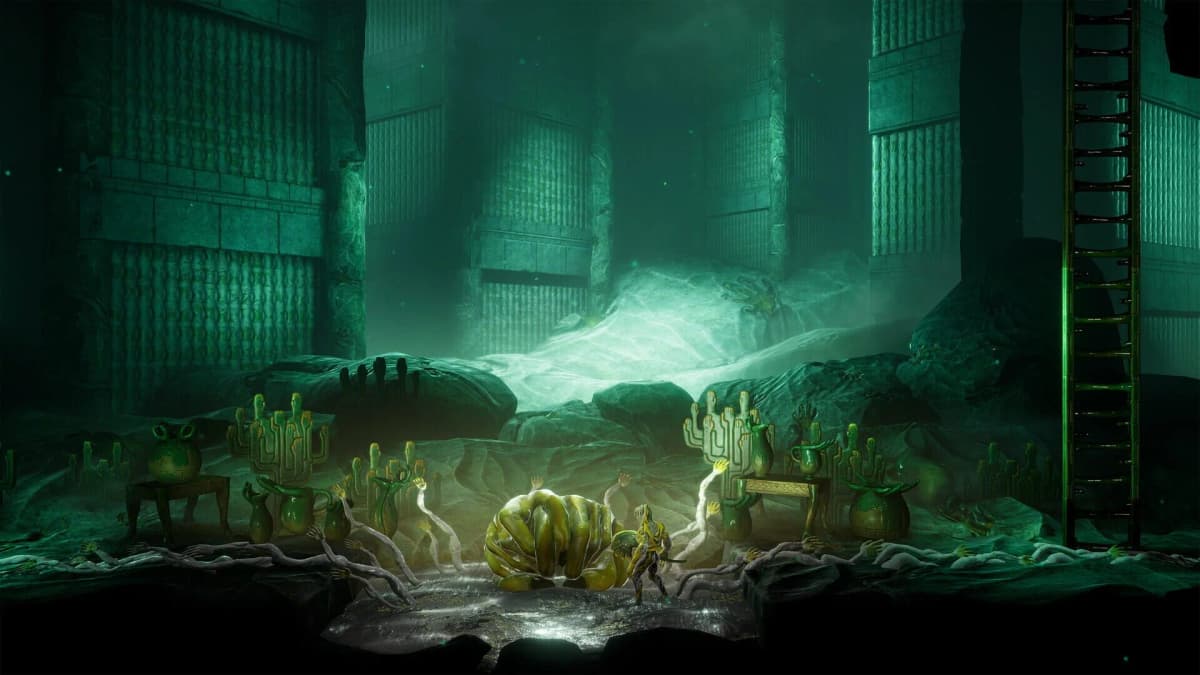
Boss arenas often contain Breath Wards – structures you can break to restock Breath charges and, in some cases, stun or disrupt the boss. Understanding when to use them is huge.
- Breaking a Breath Ward usually refills healing or Breath-related resources.
- Some Wards also interrupt or stun bosses for a moment, acting like an emergency reset button.
- The cost is that you have to move towards the Ward, which can be dangerous if you’re not doing it during a safe animation.
On fights where I struggled, I was often doing one of two things:
- Running to a Breath Ward at random low health moments and getting clipped while trying to heal.
- Hoarding Wards “for later” and then dying with unbroken ones in the arena.
The sweet spot is to mentally connect specific boss attacks with your Ward breaks:
- Wait for a predictable, slow attack (like a big slam).
- Dodge through or around it.
- Immediately sprint or dash to the Ward and break it while the boss is in recovery.
That pattern let me safely stabilize during the more chaotic second halves of fights, especially once bosses dropped below 25% HP and started chaining attacks more aggressively.
5. Mold Assimilation: Picking the Right Power-Ups for Bosses
Mold Assimilation is where Grime II’s buildcrafting really kicks in. By breaking mold wards and dashing into affected enemies, you absorb their Mold and eventually unlock permanent upgrades and abilities.
The temptation is to chase every shiny thing, but for boss viability you want to prioritize:
- Core combat Talents (Force Dash line, Grasp improvements).
- Defensive or utility abilities that help with positioning, parrying, or Breath management.
- Boss-relevant Item Molds only after your core kit feels solid.
I found that unlocking extra weapon options or niche actives too early didn’t help nearly as much as a fully online movement and parry kit. Once you can survive and control space, you can experiment more freely.
Also, don’t forget that some Dropot Runners trade rare containers for powerful Item Molds that scale with boss progress. If you’re stuck later in the game, it’s worth backtracking and cashing in these resources rather than repeatedly slamming into a wall undergeared.
6. Applying It All: Tankard Warden as a Skill Check
Tankard Warden, encountered after the Temple of Hands, is the first major “are you actually using the systems?” boss. Treating it as a test of your fundamentals makes it much more manageable.
Recommended Setup Before Tankard Warden
- Health comfortably raised so you can eat several hits.
- Bladeroot Sword upgraded at least once, combustion gauge unlocked.
- Force Dash unlocked and preferably heavily upgraded.
- Basic Grasp parry timing practiced on Temple of Hands enemies.
- At least one or two useful Mold unlocks that help with Force or survivability.
Reading the Fight
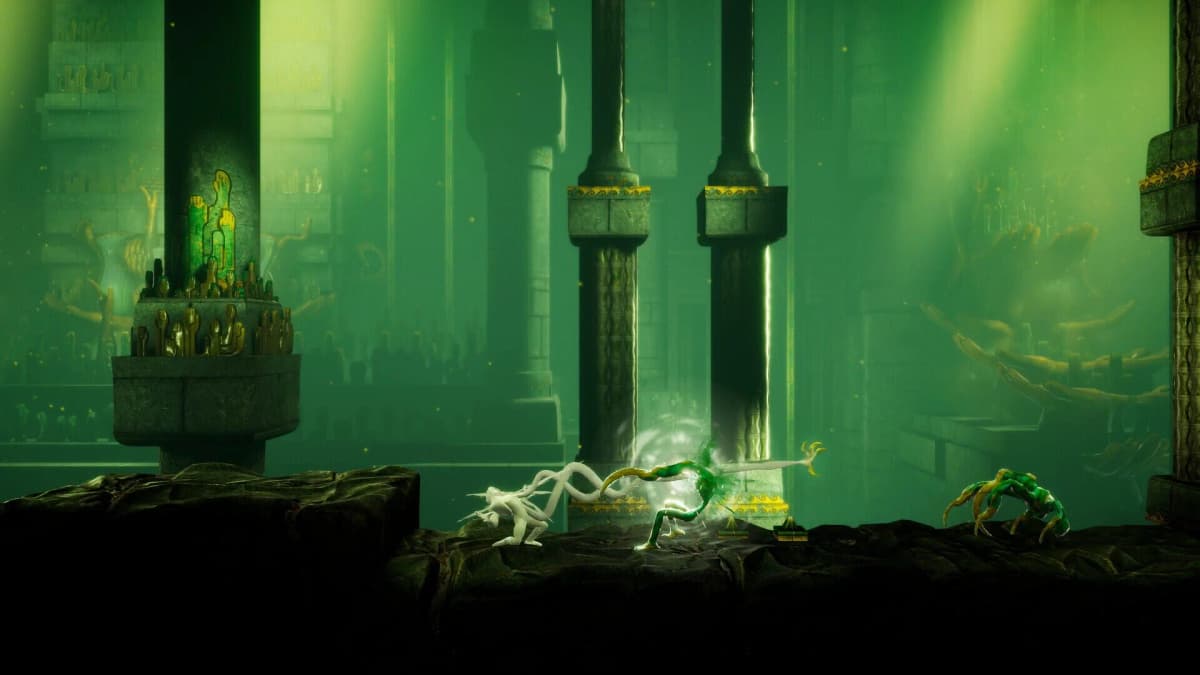
Tankard Warden’s main threats come from wide sweeps and big-impact slams with its namesake tankard/club. A lot of people (me included) initially try to face-tank and trade damage, which almost always loses due to its big health pool.
The safe general plan:
- Stay at mid-range to bait its longer, more telegraphed chains.
- Use Force Dash to circle behind after sidestepping a sweep.
- When you recognize a parryable swing, Grasp Parry to force a big stagger and unload Bladeroot combustion damage.
The boss’s large body makes it easy to land full combos during stagger, so any successful parry is worth a lot of damage. I had better results being patient and aiming for two or three perfect windows per phase rather than constantly trying to squeeze hits between every attack.
Below 25% Health: Don’t Panic
Once Tankard Warden drops into its last quarter of HP, the fight feels like it speeds up, even if the actual moveset hasn’t changed dramatically. This is where Force Dash and Breath Wards matter most.
- Keep dodging as you did earlier; don’t suddenly get greedy.
- Use perfect dodges to keep your Force topped up for emergency repositioning.
- If you’ve saved a Breath Ward, use it after a big slam for a final heal and mental reset.
I lost several runs at 5–10% HP just because I smelled victory and started mashing attacks instead of maintaining the pace I had the entire fight. Treat that last 25% like the start of the fight, not the end, and you’ll clear it much more consistently.
7. Carrying These Essentials Into Late-Game and Final Bosses
Later bosses add extra phases, more projectiles, arena hazards, and tighter timing, but they’re still built around the same fundamentals:
- Health first so you can learn patterns without being one-shot.
- High-level Force Dash so you’re never stuck in place.
- Targeted Grasp Parrying on specific, readable moves for consistent staggers.
- Breath Ward planning – don’t waste them, don’t hoard them to the grave.
- Mold abilities that support your playstyle instead of cluttering your bar.
Some late fights also check whether you can swap tactics mid-fight – for example, switching from aggressive combustion stacking in phase one to a more dodge-heavy, opportunistic style in phase two when the boss’s pattern gets busier. If your Force and Health foundations are solid, those adaptations are much easier to make on the fly.
8. Common Boss Mistakes to Avoid
To wrap up, here are the main traps that kept holding me back until I consciously broke the habits:
- Over-investing in damage stats early and wondering why bosses delete you in two hits.
- Ignoring the Force Dash talent line and playing with a nearly empty meter in every fight.
- Refusing to learn Grasp Parry and trying to brute-force through armored patterns.
- Healing in panic instead of linking heals to safe boss animations or Ward breaks.
- Hoarding Mold rewards and containers instead of spending them to smooth out current walls.
- Sticking to the first weapon you “like” even when another (like Bladeroot) is clearly better for big-health bosses.
9. Quick Pre-Boss Checklist
Before any major new boss, run through this short list:
- Is your Health high enough that you can survive at least 3 clean hits?
- Is your main weapon (Bladeroot or otherwise) upgraded, not just base level?
- Is Force Dash unlocked and upgraded, ideally near level 3?
- Have you practiced Grasp Parry on regular enemies in the current area?
- Do you know where the Breath Wards are in the arena and which boss attacks let you safely reach them?
- Have you equipped the Mold abilities that best support your current strategy?
If you can honestly answer yes to most of that list, you’re in a good place. The rest is learning each boss’s patterns, staying patient, and letting the systems you’ve invested in do the work.
FinalBoss // Gear
Level up your setup
01Top-rated gaming headsetson Amazon→02High-refresh gaming monitorson Amazon→03Gaming chairson Amazon→04Discounted game keyson Kinguin→Affiliate links · As an Amazon Associate, FinalBoss earns from qualifying purchases.
Want to Level Up Your Gaming?
Get access to exclusive strategies, hidden tips, and pro-level insights that we don't share publicly.
Ultimate Guide Strategy Guide + Weekly Pro Tips