
Table of Contents (13)
Why Mariia Grygorovych’s Bookshelf Matters for S.T.A.L.K.E.R. 2
GSC Game World rarely gives us an inside look at its narrative playbook. That changed when Creative Director and Executive Producer Mariia Grygorovych shared her go-to reads in Rock Paper Shotgun’s “What’s on your bookshelf” on February 22, 2026. Her selections—The Body Keeps the Score, Foundation, the Classic of Mountains and Seas (Shanhai Jing), Evgeny Schwartz’s The Dragon, and The Thousand and One Nights—aren’t random. They map a framework of trauma, memory, myth, and social aftermath that could directly influence S.T.A.L.K.E.R. 2: Heart of Chornobyl’s design.
Grygorovych’s personal history deepens the resonance. Her mother fled the Chernobyl Exclusion Zone while pregnant with her in 1986. In the October 2024 documentary War Game: The Making of S.T.A.L.K.E.R. 2, she recalled that “no system can be more important than people.” Building a game about a living, breathing Zone is, for her, a defiant act of honoring resilience in the face of real trauma.
Key Takeaways
- Trauma as embodied system: characters and environment wear scars, not just lore.
- Grand narratives meet folkloric detail: collapse of civilizations and mythic creatures share stage.
- Story-as-mechanic potential: tales that save lives or twist reality in play.
- Afterlives of violence: moral ambiguity lingers after monsters fall.
Breaking Down the Books and Their Design Signals
The Body Keeps the Score: Trauma as a Game Mechanic
Bessel van der Kolk’s study reframes trauma as a physical memory, stored in the body long after an event. In S.T.A.L.K.E.R. 1, players brushing against anomalies triggered a heartbeat-racing hazard mechanic. Imagine taking that a step further: a persistent “trauma meter” that warps controls or camera shakes whenever you revisit irradiated sites tied to past missions. NPCs might flinch or freeze in certain zones, signaling collective trauma among survivors. Rather than just voice lines about “bad things that happened,” the game world could embody memories—fractured light shafts in toxic swamps or echoing whispers tied to specific coordinates.
Foundation: Civilizational Collapse and Worldbuilding
Isaac Asimov’s saga explores strategies for preserving knowledge amid a fallen empire. In previous S.T.A.L.K.E.R. titles, you scavenged scraps of technology and handwritten logs to piece together zone history. Grygorovych’s nod to Foundation suggests expanding that: safehouses stocked with codices players curate, missions to rescue historians in underground vaults, or a “library hub” where recovered lore unlocks unique upgrades. When you restore lost archives, the Zone “remembers” your contributions—the next time you pass a ruined bunker, its lighting shifts, or a hidden door slides open, revealing artifacts that deepen the narrative.
Classic of Mountains and Seas: Mythic Lens on the Zone
The Shanhai Jing is filled with bizarre beasts and mythic geography. S.T.A.L.K.E.R. 2 already teases mutated fauna and anomalies, but myth as a design pillar could yield emergent creature behaviors inspired by folklore. Picture a mutated boar that only appears by moonlight, stalking players in a circular ritual pattern, or rock formations that hum ancient tunes—echoes of Shanhai Jing’s map-monsters come alive. Side quests might ask players to map these zones using in-game manuscripts that reference legendary charts. By weaving myth into the level design, the supernatural logic of the Zone becomes not just backdrop, but a system players study and leverage.

The Thousand and One Nights: Stories That Change Your Fate
Grygorovych’s fascination with Scheherazade’s tales hints at narrative layers that do more than flavor text. Imagine a dialogue system where retelling a story in the right tone temporarily shifts NPC allegiances—or unlocks survival benefits. One quest could center on a traveling bard who, if soothed with your own tales of the Zone, trades you rare gear. Fail the performance, and you provoke a bandit ambush. This “storycraft” mechanic echoes Scheherazade’s life-and-death stakes, turning narrative into a tangible resource for delaying peril or rewriting quest outcomes.
The Dragon: The Shadow After Tyranny
Evgeny Schwartz’s play wrestles with what happens once the dragon is slain—shadows of power struggles, fear, and collective guilt linger. In S.T.A.L.K.E.R. narratives, defeating a heavily mutated anomaly or ending a rogue faction often feels like a checkpoint. With Schwartz’s influence, post-victory sequences could depict fragmented societies vying for control: NPC camps offer uneasy alliances, rumors of vigilante tours emerge, or you witness rebuilt trenches over old battlefields. These aftershocks underscore that toppling a monster doesn’t erase the trauma it inflicted on people and land.
Why This Matters for S.T.A.L.K.E.R. 2’s Narrative Design
GSC Game World has always excelled at atmospheric worldbuilding, but Grygorovych’s reading list nudges toward interactive narrative systems, not static lore. Consider missions that automatically adapt based on your character’s accumulated stress—say, a trader refuses to barter if you recently breached a quarantined zone, interpreting your scars as a threat. Environmental memory devices—like wall graffiti that updates itself after major events—could transform locations into living storyboards. Encounters with the Zone itself might act like sentient agents, shifting anomalies around you as if responding to the collective consciousness you’ve stirred.
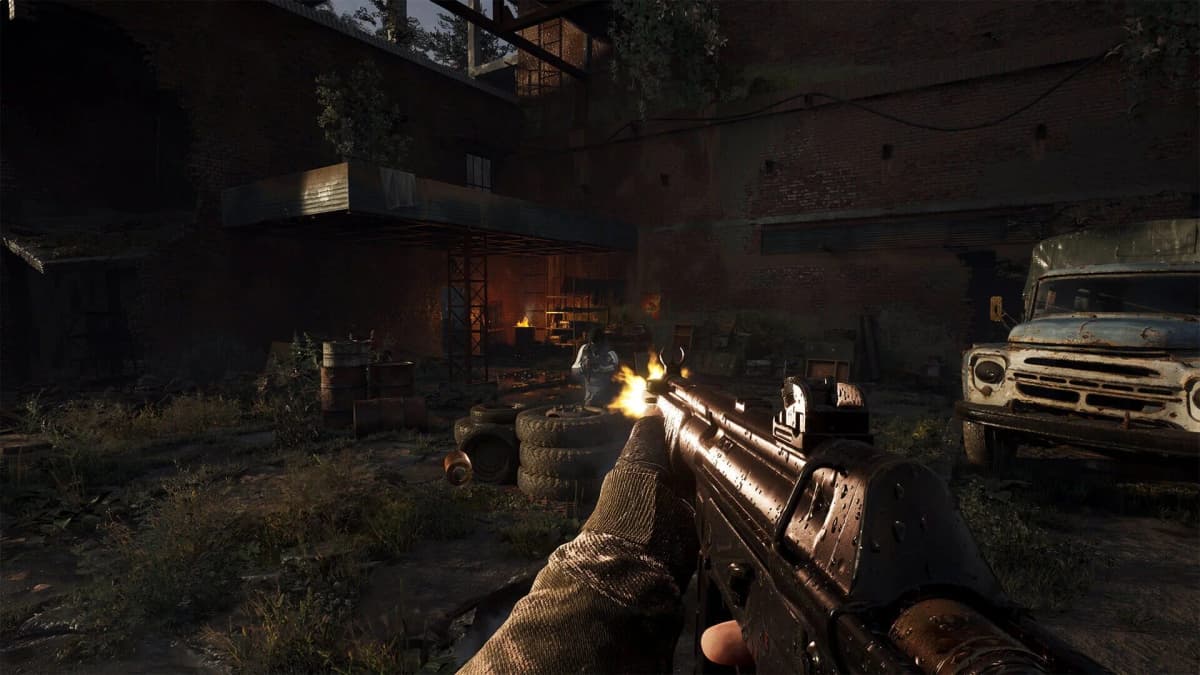
Players of earlier entries may recall the Cordon, a tutorial area where stray gunshots echo through trees, triggering new enemy patrols. Now imagine those echoes persist across sessions: firing your weapon near certain borders permanently intensifies anomaly fields, growing radioactive roots that block paths until you complete a “healing” quest. That’s trauma-as-system in action, grounded in the mechanics veteran stalkers already know.
Industry Context: A Growing Embrace of Embodied Psychology
Grygorovych’s approach isn’t happening in a vacuum. Indie titles like Hellblade: Senua’s Sacrifice explored psychosis through UI distortions and audio hallucinations. What Remains of Edith Finch used environmental vignettes to channel family grief. Triple-A studios are taking notice: God of War’s retelling of Norse myths imbues realms with living spirits that physically alter combat arenas. These examples demonstrate how trauma, myth, and memory can be systemized without feeling gimmicky.
When bigger teams see smaller studios succeed with limited resources, they feel safer experimenting. S.T.A.L.K.E.R. 2 can borrow these narrative-mechanic crossovers—like a grief-triggered enemy spawn or a world area that reconfigures based on player guilt—while staying true to its survival-horror roots.
Weighing the Realities: Studio Constraints and Ethical Considerations
Inspiration isn’t implementation. GSC operates under budgets, deadlines, and the weight of representing real historical trauma. Ukrainian cultural identity and national resilience are at stake—overloading systems or trivializing trauma could backfire creatively and ethically. There’s also market risk: players expecting pure survival action might balk at heavy narrative mechanics. Balancing these demands means some ideas from Grygorovych’s shelf may appear only as subtle nods rather than full-blown features.
What Players Should Expect
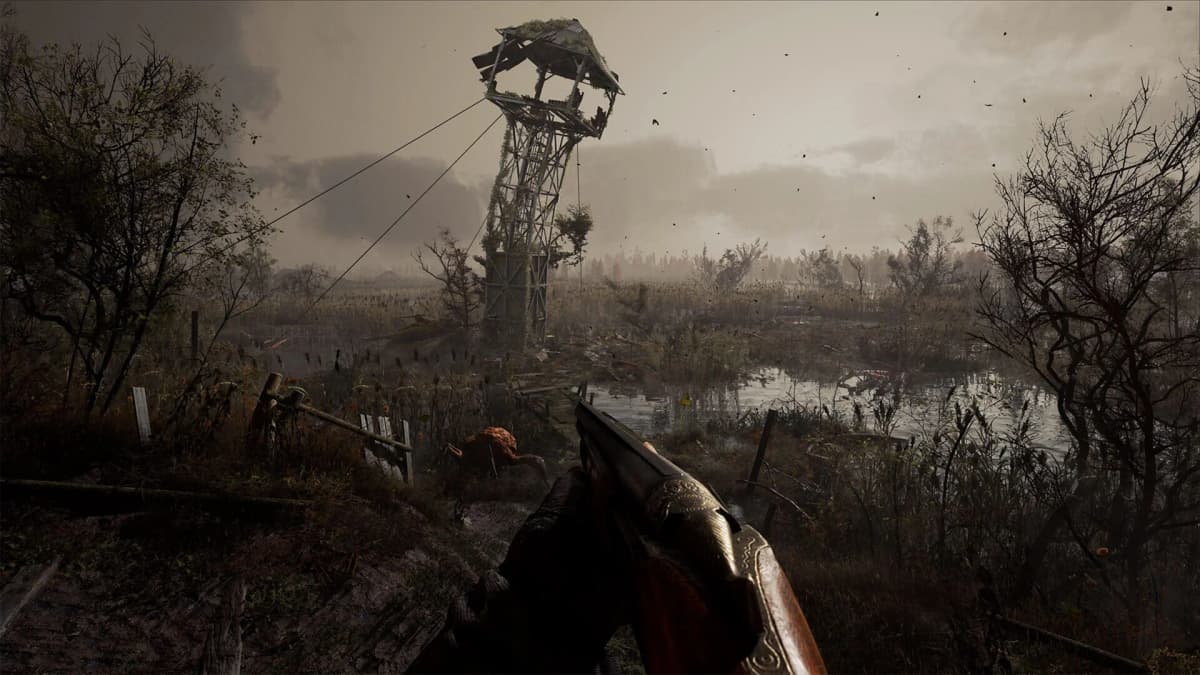
Don’t hold your breath for pop-up book quotes in the middle of firefights. Instead, look for subtler shifts: zones that “remember” past battles, NPCs whose idle animations hint at private horrors, and quests that reward you not just with loot but with deeper insight into the Zone’s collective psyche. You might stumble on a hidden mural that changes after key story beats, or a wandering storyteller who adjusts their narrative depending on your notoriety.
On the real-world side, Grygorovych has also encouraged fans to support UNICEF’s work for Ukrainian children. That blend of lived experience and literary curiosity colors every narrative decision—reminding us that S.T.A.L.K.E.R. 2 isn’t just a post-apocalyptic romp, but a cultural statement from creators who know trauma firsthand.
Conclusion
Mariia Grygorovych’s carefully chosen reading list shines a light on the conceptual gears behind S.T.A.L.K.E.R. 2. By treating trauma, memory, and myth as active systems, GSC Game World could push the series beyond static storytelling into dynamic, emotionally resonant mechanics. While studio realities will shape how fully these ideas manifest, the seeds of something truly immersive and human-centered are already planted in the Zone’s soil.
FinalBoss // Gear
Level up your setup
01Top-rated gaming headsetson Amazon→02High-refresh gaming monitorson Amazon→03Gaming chairson Amazon→04Discounted game keyson Kinguin→Affiliate links · As an Amazon Associate, FinalBoss earns from qualifying purchases.
Want to Level Up Your Gaming?
Get access to exclusive strategies, hidden tips, and pro-level insights that we don't share publicly.
Ultimate Gaming Strategy Guide + Weekly Pro Tips