
Table of Contents (8)
Why this GTA 6 pricing debate actually matters to players
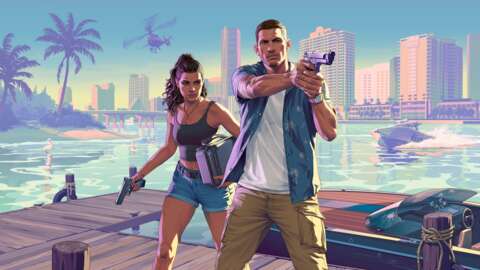
Grand Theft Auto isn’t just another AAA release—it’s the yardstick for open worlds, live services, and how much publishers think gamers will pay. Analysts are split on whether the base edition of GTA 6 will stick to $70–$80 or jump all the way to $100. That difference isn’t trivia: it shapes day-one sales, influences how other big-budget titles are priced, and determines if Rockstar leans harder on GTA Online monetization to offset a top-heavy sticker price.
Key Takeaways
- A $100 base price sends a strong signal about rising AAA costs and publisher confidence.
- Rockstar’s mix of digital sales (downloads) and live service content (ongoing online updates) complicates the upfront vs. long-term revenue math.
- For most players, patience is wise: wait for pricing confirmation, launch feedback, or discounts unless you’re desperate for day one thrills.
Breaking down the hype: why analysts mention $100
Veteran analyst Michael Pachter of Wedbush Securities publicly called $100 a “prudent” price point, citing GTA 6’s rumored development budget north of $1.5 billion and its projected scale. For context, GTA 5’s production cost was estimated around $265 million, and it went on to sell nearly 200 million copies.
Pachter estimates GTA 6 could generate over $10 billion in lifetime sales of the base game alone, with an additional $500 million annually from GTA Online microtransactions (in-game purchases like cosmetics or convenience boosts). Take-Two Interactive’s Q1 2026 earnings reinforce this logic: the publisher reported $1.5 billion in revenue, 98% from digital sales (downloads versus physical discs), and raised its full-year outlook to $6.1–$6.2 billion.
Yet even Pachter admits the move carries risk. A $100 tag invites scrutiny against cheaper open-world alternatives and could spark backlash similar to past “nickel-and-dime” launches. Rockstar’s historic strategy—pair a stellar single-player campaign with a robust, monetized online mode—will be tested if the community feels short-changed at checkout.
Industry price trends and Take-Two’s calculus
Over the last console generation, base AAA prices crept from $60 to $70. Deluxe and collector’s editions often flirt with $100 or more. Publishers justify hikes with higher development costs, advanced tech (ray tracing, seamless worlds), and new platforms (cloud streaming, VR). Take-Two’s shift toward digital distribution—where profit margins are higher—and its track record of live service revenue give it room to experiment.
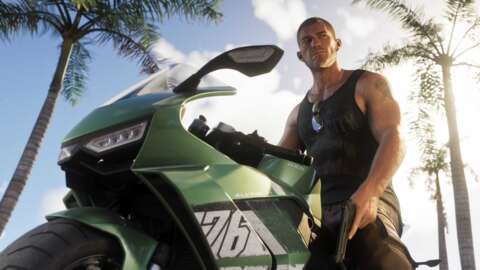
But optics matter. A steep price without clear extra value can damage goodwill. Rockstar’s counter is straightforward: pack GTA 6 with at least 100 hours of single-player content, push next-gen tech (ray-traced reflections, adaptive trigger support), and launch with a polished GTA Online sequel that feels fresh, not pay-to-win.
What gamers should actually do
- Avoid blind pre-orders. Wait for Rockstar’s official announcement or early hands-on reviews. The hype alone will sell many copies at full price.
- Plan for live service spending. If GTA Online follows its predecessor, expect to shell out for cosmetic items, faster progression, and seasonal battle passes—budget $50–$150 per year if you care about keeping pace with top-tier gear.
- Leverage loyalty programs. Platforms like PlayStation Plus, Xbox Game Pass, or retailer gift cards can knock down the effective launch cost or bundle in extra content.
- Consider trading in or reselling. Physical disc collectors can recoup some of the base cost after a few weeks of play.
- Hold out for bundles and sales. GTA V spent its first year at full price before discounting—GTA 6 will likely follow with value editions and steep seasonal deals.
Alternatives to fill the open-world void
If you’re not ready to drop up to $100, several current titles offer comparable freedom and spectacle for a fraction of the cost.
- GTA V (Enhanced Edition) – Rockstar’s last-gen juggernaut still delivers 80+ hours of story plus a thriving online community.
- Red Dead Redemption 2 – A slower pace but unmatched worldbuilding and narrative depth from the same developer.
- Cyberpunk 2077 (with Phantom Liberty) – Neon-soaked streets and car chases, plus post-launch patches that have dramatically improved stability.
- Starfield – Bethesda’s space sandbox with hundreds of planets to explore if you crave that open-ended freedom.
- Assassin’s Creed Valhalla or Watch Dogs: Legion – Mission-driven open worlds at $40–$60, often on sale.
The real test: value, not price
At the end of the day, a $100 sticker means little if the delivered experience feels rich. Rockstar needs to nail a seamless 100+ hour campaign, push technical boundaries on PS5/Xbox Series X|S (solid frame rates, fast loading, haptic feedback), and ensure GTA Online 2.0 isn’t just a cash grab. If they succeed, players will buy in, grudgingly or gladly. If they ship a buggy, grind-heavy launch, $100 will feel exploitative—and the backlash will echo louder than any pre-release hype.
Conclusion
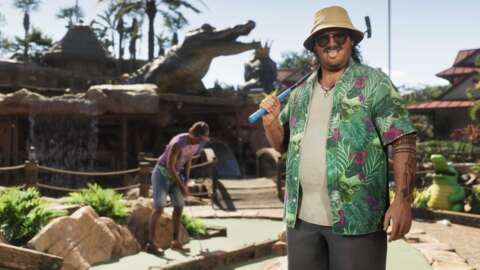
The GTA 6 pricing debate is about more than a number—it’s a window into the future of AAA game economics. A $100 base game could become the norm, but only if Rockstar delivers undeniable value. For most of us, the best play is to wait: confirm the price, read early reviews, and explore current open-world gems that deliver hundreds of hours for far less.
Either way, the next time you boot GTA 6, you’ll know exactly what you paid for—and whether it was worth every penny.
FinalBoss // Gear
Level up your setup
01Top-rated gaming headsetson Amazon→02High-refresh gaming monitorson Amazon→03Gaming chairson Amazon→04Discounted game keyson Kinguin→Affiliate links · As an Amazon Associate, FinalBoss earns from qualifying purchases.
Want to Level Up Your Gaming?
Get access to exclusive strategies, hidden tips, and pro-level insights that we don't share publicly.
Ultimate Gaming Strategy Guide + Weekly Pro Tips