

This week’s pile-up of delays and earnings calls cuts right to the heart of what we’ll all be playing in 2026. Grand Theft Auto VI sliding to November 19, 2026, Marvel 1943: Rise of Hydra losing its release window entirely, Rockstar reportedly laying off staff, and conservative playbooks from Nintendo and Square Enix – it all adds up to a reshuffled calendar where patience (and a smarter buying plan) will save you time and money. I’ve followed Rockstar’s release cadence since GTA IV’s slip and Red Dead Redemption 2’s multiple delays; when they say “the level of polish fans deserve,” history says the final product benefits – but the road there can be rough for both teams and players.
GTA 6’s second official delay pushes it into late 2026. For players, that’s another year of waiting and another round of “do I upgrade my setup now or later?” For the rest of the industry, it’s a gravitational event. Publishers don’t love launching anything major within weeks of a Grand Theft Auto — we saw similar ripple effects around GTA V and RDR2. Expect mid-tier games to either duck out of Q4 entirely or plant earlier flags in 2026 to avoid being steamrolled.
The other practical point: historically, Rockstar staggers PC releases. If you’re a PC-first player, prepare for the possibility of a gap between console and PC — not confirmed, but their track record makes it a reasonable expectation. Also, the longer wait raises familiar concerns around crunch and morale; the “polish” line reads well on a blog, but the real cost is paid by developers trying to land a skyscraper on a postage stamp.
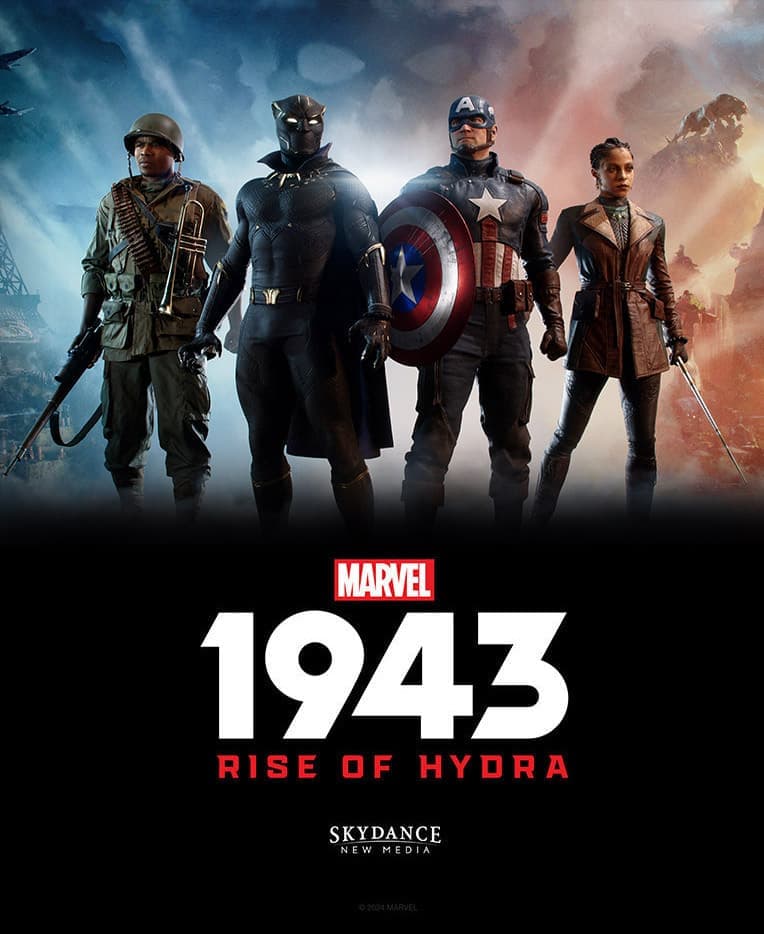
Marvel 1943: Rise of Hydra is the quieter, potentially bigger worry. No new date, just “beyond early 2026.” When a project led by Amy Hennig (yes, the storytelling backbone of Uncharted 1-3) goes radio-silent on timing, it means one of two things: either they’re protecting a creative reboot and buying time — which can work — or production’s knotted up. The cinematic pitch (Cap and Black Panther in WWII) has heat, but cinematic isn’t playable, and Marvel’s packed slate in 2026 narrows the landing zone.
Reports of layoffs at Rockstar sit uncomfortably beside a delay this big. Take-Two has been in cost-cut mode, and mega-budget games are the first to feel the squeeze. We’ve seen how this story goes: consolidate around the flagship, trim anything that doesn’t touch the flagship, and push hard to make the date. For players, the risk is twofold — features quietly cut to hit the new deadline and a thinner runway for post-launch updates if headcount shrinks.
I’m not shocked. GTA Online’s long tail taught publishers the upside of shipping once and monetizing for years. But if you care about campaign quality and technical stability at launch, keep a close eye on how often Rockstar talks about developer well-being and what makes it into their next trailer. The more specific they get about systems and mission variety, the better.
Nintendo’s still doing what Nintendo does: stretching the Switch’s legs with bundles, evergreen sellers, and a retro library that quietly keeps subs ticking. With more than 140 million units out in the wild, there’s no panic, but the clock’s ticking. The smart money is on a clean handoff to new hardware with backward compatibility and a couple of guaranteed hitters. If you’ve lived through their last hardware transition, you know the drill: finish your backlog now and avoid piling up late-gen ports you’ll want to replay on the next system anyway.
Square Enix, meanwhile, is taking its foot off the AAA gas. After a run that included the high points of Final Fantasy XVI and FFVII Rebirth and the lows of Babylon’s Fall and Forspoken, a pivot to mid-tier projects, remakes, and deliberate multiplatform launches makes sense. From a player perspective, that likely means more consistent quality and fewer wild experiments. The trade-off? Fewer truly surprising swings. If you’re a JRPG lifer, this is a net positive; if you live for riskier ideas, keep one eye on indies.
Stop preordering anything more than a couple of months out — the calendar is too fluid. Expect a crowded 2026 with a GTA 6-shaped crater in November. If you plan to play on PC, wait for concrete details before upgrading. Use 2025 to clear your backlog and dig into AA and indie releases that won’t dodge GTA’s shadow. And if you’re eyeing Nintendo’s next move, hold off on buying late-gen ports that may get cleaner versions when new hardware lands.
Above all, watch studio comms. Transparent updates with specific milestones beat vague “we need more time” posts. Teams that show systems, UI, and moment-to-moment gameplay are the ones most likely to deliver what they promise.
GTA 6’s move to November 2026 rearranges the entire release slate, while Marvel 1943’s open-ended delay raises production questions. Rockstar layoffs signal cost pressure; Nintendo stays steady; Square Enix goes safer. Be patient, skip early preorders, and plan your 2026 around a very big November.
Get access to exclusive strategies, hidden tips, and pro-level insights that we don't share publicly.
Ultimate Gaming Strategy Guide + Weekly Pro Tips