
GTA 6: Take-Two’s CEO Says Players Have Changed — Here’s What That Really Means
Game intel
Grand Theft Auto VI
Grand Theft Auto VI heads to the state of Leonida, home to the neon-soaked streets of Vice City and beyond in the biggest, most immersive evolution of the Gran…
Why This Caught My Eye
Strauss Zelnick doesn’t give throwaway quotes. When the Take-Two CEO talks about changing player behavior and how creativity has to capture a new generation, he’s signaling what Rockstar will prioritize in Grand Theft Auto VI. As someone who’s lived through GTA IV’s gritty realism, GTA V’s Hollywood sandbox, and a decade of GTA Online chaos, this isn’t just corporate noise-it’s the roadmap for how we’ll actually play (and pay for) GTA 6.
- GTA 6’s single-player likely leans into deeper systemic simulation-fun, if it doesn’t smother the chaos.
- The real business play is the next era of GTA Online, not just the campaign.
- Expect stronger moderation and tools to curb griefing-if Rockstar learned from GTA Online’s worst years.
- Beware of unverified “leaks”: until Rockstar shows it, treat granular systems as rumor, not gospel.
Breaking Down the Interview: What’s Marketing vs. What’s Real
Zelnick’s line about “creativity and innovation” fits Rockstar’s pattern: push immersion, court virality, and build systems that generate stories players share on social feeds. GTA 5’s Rockstar Editor, heists, and the RP boom on FiveM (which Rockstar now supports after acquiring Cfx.re) already proved this formula. What’s changed is the audience: shorter sessions, higher tolerance for live updates, and an expectation that a game becomes a social platform.
Here’s the tell: he also emphasized the ongoing importance of GTA Online to the franchise’s success. That’s the money line. GTA 6 is a prestige single-player release, yes, but the long tail—the part that pays the bills for a decade—is Online. Every design choice will orbit that sun.
Single-Player: Immersion, Lucia, and the Risk of Over-Realism
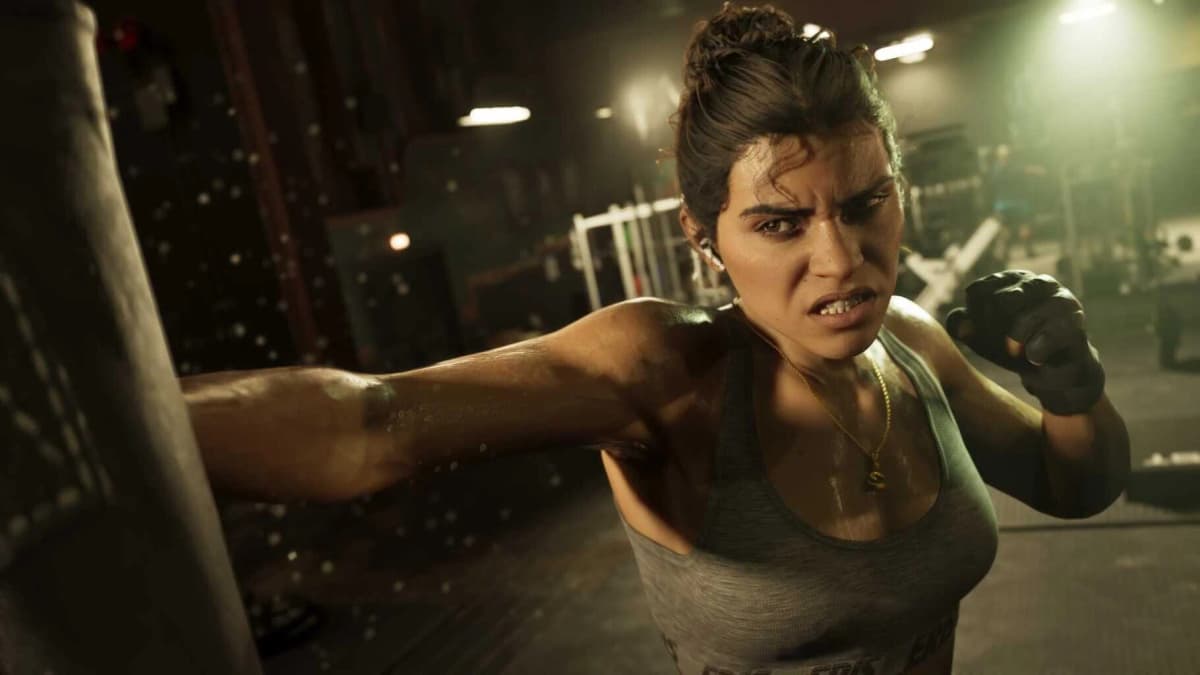
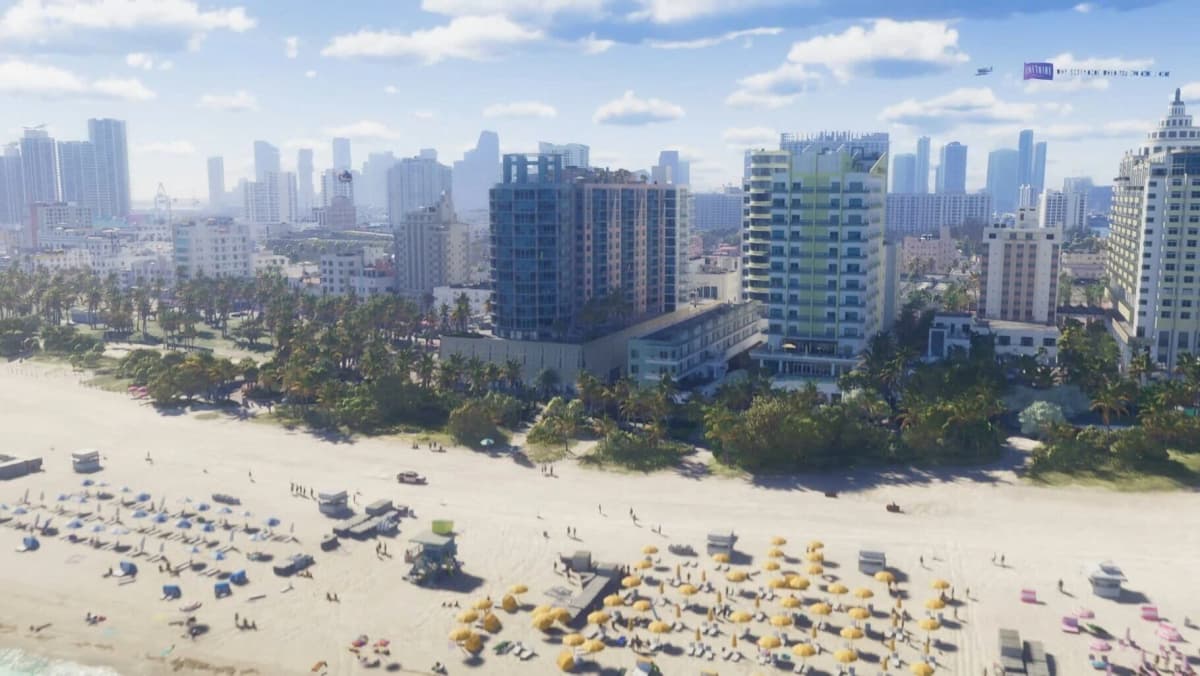
From the first trailer, GTA 6 is framing Lucia front and center and returning us to Vice City with absurd crowd density and detail. There’s chatter about smarter police, NPCs who “remember” you, and a harsher wanted system. Sounds cool—if it doesn’t turn the sandbox into a slog. Rockstar flirted with this balance in Red Dead Redemption 2: incredible immersion, but some players bounced off the realism tax (slow looting, heavy animation locks, punitive lawmen).
If GTA 6 really does track NPC memory or escalate consequences more believably, Rockstar needs counterweights: forgiving checkpointing, clear “cooldown” mechanics, and ways to reset heat without turning every session into stealth cleaning. The spirit of GTA is messy improvisation. I want smarter systems that amplify chaos, not systems that punish me for poking the hornet’s nest.
What I’m hopeful for: mission design that encourages multi-path mayhem, tools that create highlight-reel moments (camera suite at launch, please), and a world that reacts in ways that generate stories without wasting time. I’m skeptical of any feature that sounds like homework in disguise.
The Online Elephant in the Room
GTA Online rewrote the live-service playbook—both the good (heists, wild content drops) and the bad (grind-heavy economics, griefing hell on public PC lobbies). If Zelnick’s reading of today’s player holds, GTA 6’s Online needs three things out of the gate: a sane progression curve, strong anti-cheat, and social tools that reward cooperative play over drive-by misery.
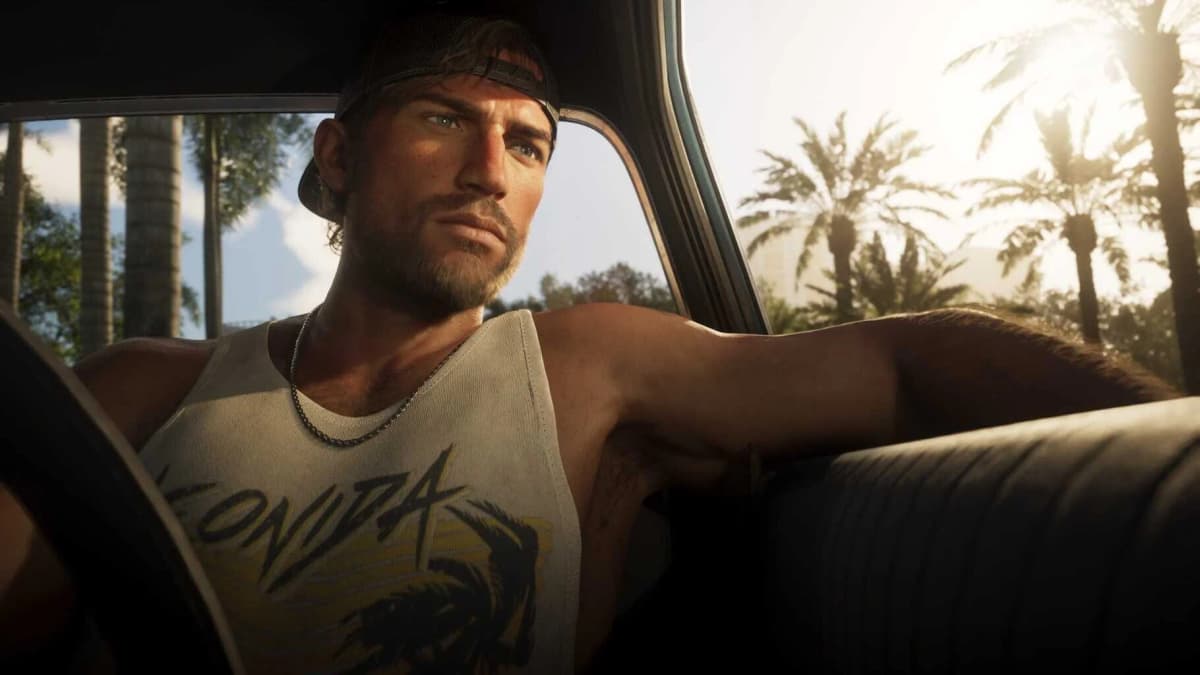
I’d bet on a seasonal cadence with bigger narrative beats (think “heist arcs” as tentpoles), creator-friendly systems baked in (official RP hooks or at least robust private sessions), and a storefront that’s more battle pass-adjacent than the old shark card grind. The Cfx.re integration practically begs for structured roleplay and UGC support without modding chaos.
The big unknown: migration. Don’t expect your GTA Online empire to carry over; a clean slate is likely. The opportunity is to fix a decade of accreted systems and reset the economy without nuking player goodwill. If Rockstar nails onboarding and gives crews meaningful roles from day one, they’ll keep lobbies lively without defaulting to pay-to-skip.
Want to Level Up Your Gaming?
Get access to exclusive strategies, hidden tips, and pro-level insights that we don't share publicly.
Ultimate Gaming Strategy Guide + Weekly Pro Tips
Toxicity, Griefing, and the Moderation Reckoning
Rockstar’s learned some hard lessons: modders running wild on PC, weaponized lobbies, and the feeling that public sessions are a gamble. If GTA 6’s systems are more reactive, the grief potential rises too. The fix isn’t just report buttons—it’s design. Session types that incentivize cooperation, escalation rules that punish serial disruptors, and in-world consequences that curb repeat offenders without ruining casual fun.
If they’re serious about “player behavior changing,” I want to see:
- Stronger server-side anti-cheat and faster ban cycles, especially on PC.
- Robust private and invite-only tools with full activity access, not nerfed content.
- Clear social roles for crews—drivers, hackers, scouts—so teamwork wins more than trolling.
- Creator and RP features supported at launch, not bolted on years later.
What Matters Now (and What Doesn’t)
What matters: Rockstar’s philosophy. Zelnick’s comments align with a game designed for emergent moments, social sharing, and long-term engagement. Expect a killer campaign that funnels into a stickier, smarter Online. What doesn’t matter (yet): hyper-specific “leaks” about six-star wanted levels or NPC grudges. Until it’s in an official demo or hands-on, treat that stuff as possibilities, not promises.
Looking Ahead
- Does Rockstar show systemic gameplay (police AI, crowd logic) in a real demo before launch?
- How transparent do they get about Online’s economy and anti-cheat?
- Will creator tools and RP support be day-one pillars, not afterthoughts?
TL;DR
Take-Two says players have changed. For GTA 6, that likely means a more reactive single-player and a redesigned Online built for creators, crews, and long-term engagement. I’m excited for deeper systems, but only if Rockstar pairs them with smart moderation and a fair economy. Show the systems in action, fix the griefing, and let the chaos shine.