
This caught my attention because the game industry is polarizing around AI right now: studios either lean into generative tools for scale or double down on human-crafted worlds. Take‑Two’s insistence that GTA 6 contains “zero part” generative AI is a deliberate positioning – and it changes how we should think about the game’s design, expectations, and post‑launch lifecycle.
Table of Contents (7)
Take‑Two’s Stance on Generative AI in GTA 6: Handcrafted, Not Auto‑Generated
- Key takeaway: Strauss Zelnick says GTA 6 is built “building by building… street by street” – no generative AI creating the world.
- Practical impact: Expect dense, curated encounters and narrative moments rather than procedurally stitched filler.
- Company nuance: Take‑Two still uses AI for internal efficiencies across studios, but draws a line at core creative output for Rockstar.
- Timing: GTA 6 remains on track for Nov 19, 2026 with marketing slated to start next summer – plan hardware and storage accordingly.
{{INFO_TABLE_START}}
Publisher|Take‑Two Interactive
Release Date|Feb 4, 2026
Category|AAA open‑world / Industry announcement
Platform|PS5, Xbox Series X/S (PC likely 2027)
{{INFO_TABLE_END}}
What Zelnick actually said — and why Rockstar fans should care
In a brief but pointed interview, Strauss Zelnick pushed back on concerns that Google’s Project Genie and other generative tools would make GTA 6 a product of algorithms. He framed Rockstar’s value proposition around human curation: handcrafted environments and intentionally placed narrative beats. For players who value environmental storytelling, that distinction matters more than marketing language — handcrafted worlds tend to prioritize memorable scripted moments over quantity-for-quantity’s-sake scale.

Put plainly: if you loved the carefully placed storefronts, interior vignettes, and mission set pieces in GTA V and RDR2, expect the same craftsmanship in GTA 6. That approach sacrifices some development speed but preserves the authorial control Rockstar is known for.
Take‑Two’s wider AI usage: efficiency without outsourcing creativity
It’s important to parse Zelnick’s nuance. Take‑Two is running “hundreds of pilots” across studios — for tooling, asset pipelines, QA automation, and non‑creative tasks — and those efforts are real. The company’s stance appears to be: use AI where it saves time and money, but don’t let it dictate the creative core of flagship titles from Rockstar. That’s a defensible split and one many studios will likely copy: augment pipelines, preserve storytelling.
What this means for the player experience and the market
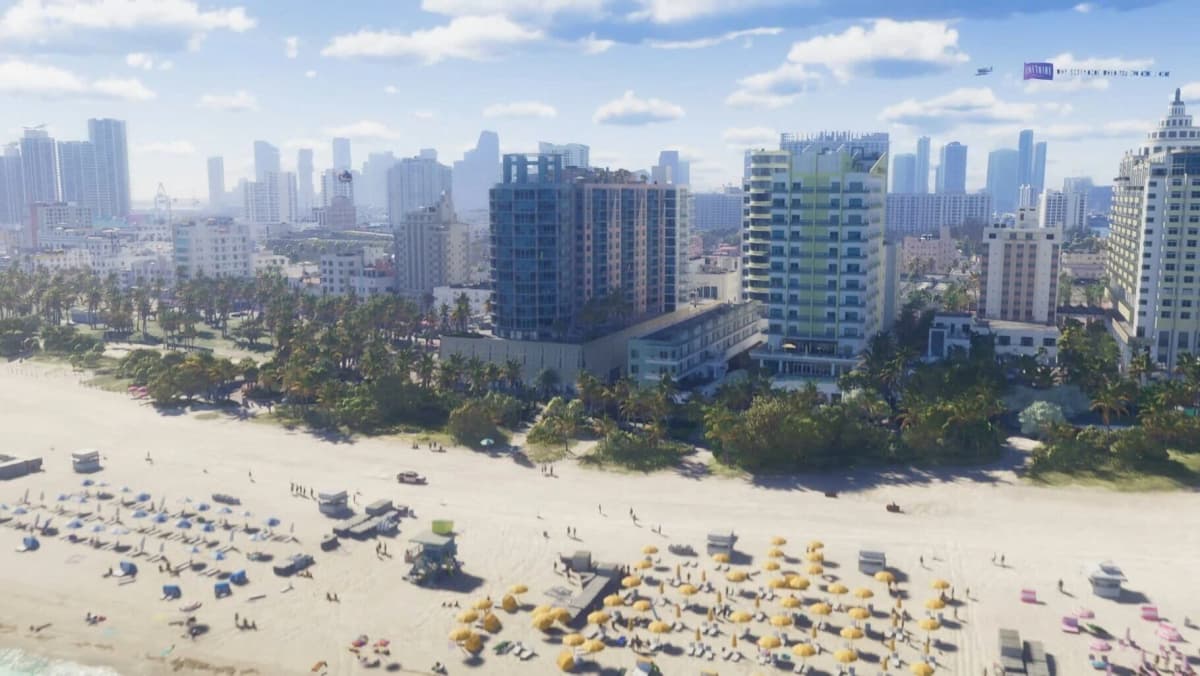
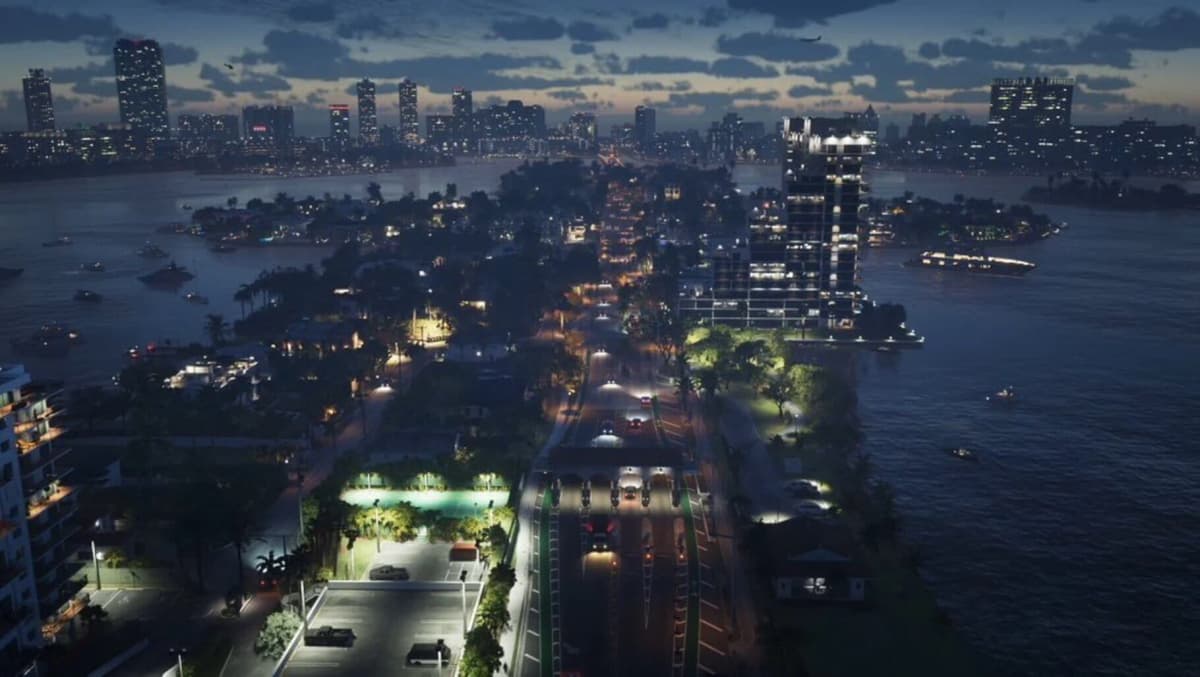
Expect GTA 6 to lean into tightly designed neighborhoods, dense NPC scripting, and handcrafted set pieces. The tradeoffs are predictable: fewer easily scaleable systems (less procedurally generated filler), but each square kilometer should offer higher narrative and interactive value. For streamers and content creators, that usually translates into more “authentic” emergent moments worth replaying and highlighting.
On the business side, Take‑Two’s message is also a reputational defense. After Project Genie rattled investors, the company needed to reassure both consumers and the market that its flagship IP wouldn’t be turned into an algorithmic commodity. That reassurance also supports pricing and long‑term engagement strategies tied to Rockstar’s curated post‑launch roadmap.
How to prepare (practical steps for enthusiasts)
- Plan storage: treat GTA 6 like a 150GB+ install — upgrade to a 1-2TB NVMe SSD if you haven’t already.
- Hardware: PS5 Slim or Xbox Series X remains the safe target for best console experience; PC buyers can wait for optimization notes but should expect a strong single‑GPU requirement for 4K fidelity.
- Watch the summer marketing window: that’s when build quality and core systems (driving, NPC behavior, mission design) will be visible — not just cinematic trailers.
Reality check and skepticism
Zelnick’s line is persuasive and consistent with Rockstar’s reputation, but statements like “zero part” are both defensive and capacious: they leave room for machine learning in tuning systems and tooling while excluding generative models for primary world‑building. The useful read is that Rockstar intends creative control to remain with human designers — but don’t be surprised if AI touches appear in side systems like QA, animation blending, or localization.
TL;DR
Take‑Two insists GTA 6’s world is handcrafted and free of generative AI; the company will still use AI for internal efficiencies. For players, that means a likely premium, detail‑driven open world rather than a sprawling, procedurally generated one. Prepare storage and hardware now, watch the summer marketing for gameplay signals, and expect Rockstar’s authorial polish to be the headline feature on Nov 19, 2026.
FinalBoss // Gear
Level up your setup
01Top-rated gaming headsetson Amazon→02High-refresh gaming monitorson Amazon→03Gaming chairson Amazon→04Discounted game keyson Kinguin→Affiliate links · As an Amazon Associate, FinalBoss earns from qualifying purchases.