
GTA 6 Frame-Rate Showdown: Cinematic 30 FPS or Silky 60 FPS?
Game intel
Grand Theft Auto 6
Grand Theft Auto VI heads to the state of Leonida, home to the neon-soaked streets of Vice City and beyond in the biggest, most immersive evolution of the Gran…
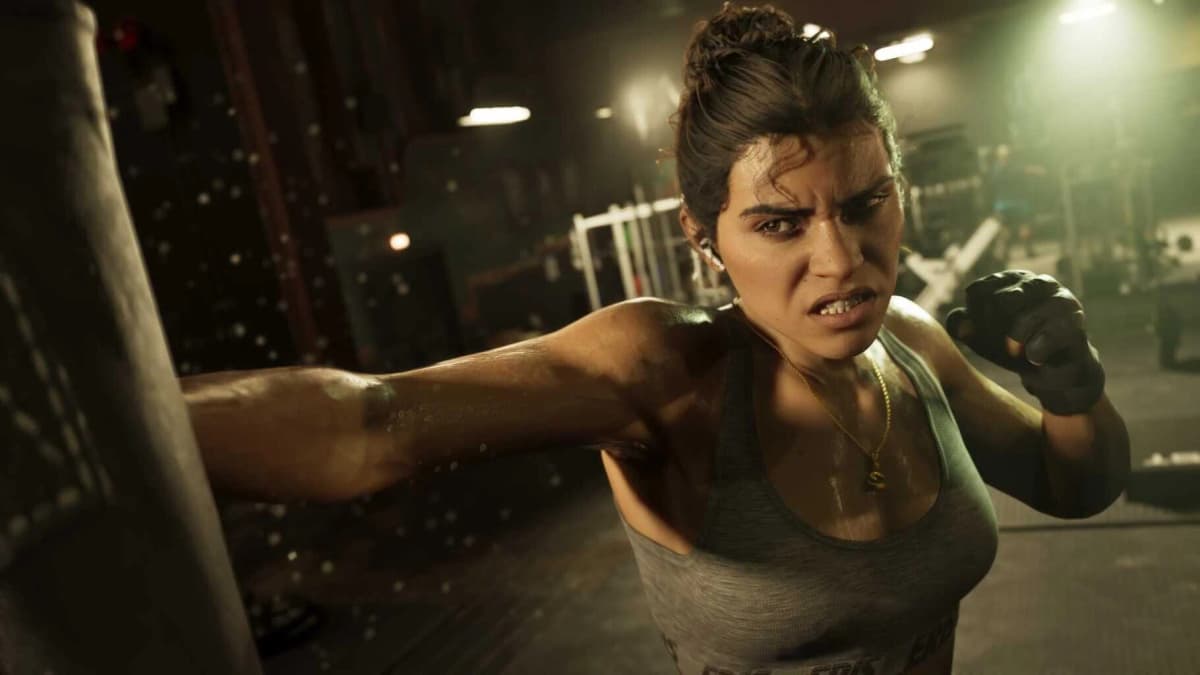
The countdown to Grand Theft Auto 6 is on, and one question has set every forum ablaze: will Rockstar lock in a cinematic 30 frames per second for that signature visual glory, or deliver a 60 FPS performance mode for buttery-smooth action? As we edge closer to release, this frame-rate debate is more than numbers on a screen—it could define how we chase down suspects, dodge bullets, and cruise Vice City’s neon-soaked boulevards.
Why Rockstar Might Opt for 30 FPS
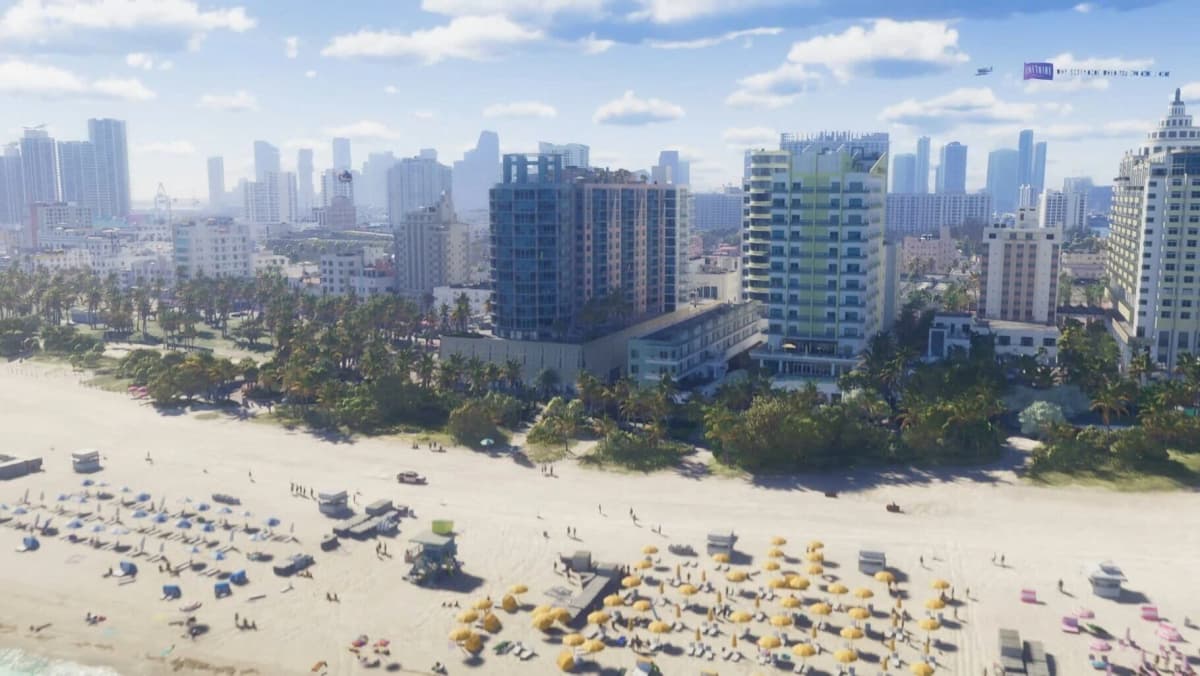
According to former Rockstar North director Obbe Vermeij, GTA 6’s next-gen visuals—complete with global illumination ray tracing, dynamic weather shifts, and bustling NPC crowds—push PS5 and Xbox Series X|S hardware to its thermal and power limits. Every reflective puddle, volumetric fog curtain, and AI-driven pedestrian interaction eats up GPU horsepower. Vermeij argues that targeting 60 FPS without dialing back polygon counts, texture resolution, or lighting fidelity could neuter the neon glow and environmental density that define Vice City’s atmosphere.
Consoles operate within strict thermal and power envelopes. Sustaining a rock-solid 60 FPS at native 4K frequently triggers louder fan noise and elevated component temperatures—and risks performance throttling mid-raid or chase. By capping at 30 FPS, Rockstar can guarantee consistent output even during torrential downpours, fireworks displays, or multi-vehicle pileups, avoiding stutters that shatter immersion.
The Appeal of a 60 FPS Performance Mode
Bumping the frame rate to 60 FPS isn’t merely a bragging right; it slashes input latency, making steering, aiming, and button presses feel instantly responsive. Camera pans look silkier, reducing motion blur during high-speed getaways or epic firefights. Titles like Marvel’s Spider-Man 2 and Forza Horizon 5 proved that swapping ultra-detailed shadows and advanced effects for a performance boost can radically reshape the gameplay experience—especially when split-second reflexes determine the difference between a perfect drift or a fiery crash.
In racing, fighting, and shooter communities, that extra frame headroom translates into smoother target tracking, tighter cornering, and snappier combat combos. A well-optimized “Performance” mode at 60 FPS could fast become a must-have for speedrunners carving record lap times and esports competitors hunting that microsecond edge in Vice City’s sprawling maps.
Console vs. PC: Hardware Tug-of-War
While consoles might settle on 30 FPS to preserve visual fidelity, high-end PC rigs with RTX 40-series or equivalent GPUs will likely push frame rates up into the 80–100 FPS range—even with ray tracing enabled. But PC players aren’t free from bottlenecks: downtown districts with dense crowds, dynamic weather, and physics-driven traffic can still strain CPUs. Proper thread distribution, memory streaming techniques, and driver optimizations will be crucial to maintain stable, high-frame gameplay without unexpected dips.
FinalBoss // Gear
Level up your setup
01Graphics cardson Amazon→02Gaming laptopson Amazon→03High-refresh gaming monitorson Amazon→04Discounted game keyson Kinguin→Affiliate links · As an Amazon Associate, FinalBoss earns from qualifying purchases.
Community Voices and Debates
Hop onto Reddit’s r/GTA6 or any major GTA Discord server and you’ll find a civil war of opinions. One camp demands a toggle that delivers both 60 FPS and maximum effects. “Give us Vice City at 60 FPS without dimming the lights!” reads a top-voted comment. Meanwhile, purists counter that Rockstar’s artistic vision relies on that cinematic sheen—slow pans, film-style motion blur, and dramatic shadows that transform every sunset into a postcard-worthy moment.
On PC, modders have begun speculating about unlocked frame caps, custom resolution options, and community patches. History suggests the modding scene will quickly supply tweaks that bypass console-style limits once the game is live, provided Rockstar’s DRM and anti-cheat measures don’t lock everything down too tightly.
Want to Level Up Your Gaming?
Get access to exclusive strategies, hidden tips, and pro-level insights that we don't share publicly.
Ultimate Gaming Strategy Guide + Weekly Pro Tips
The Likelihood of Dual Modes
Rockstar has a strong record of robust post-launch support and multiple graphical presets. Remember how Grand Theft Auto V’s PC patch unlocked frame rates and introduced advanced toggles weeks after release? Modern AAA developers frequently ship with two modes: “Quality” at 30 FPS with maxed-out effects, and “Performance” at 60 FPS with scaled-back shadows, lower-resolution reflections, or reduced volumetrics. If GTA 6 follows this blueprint—possibly via a day-one update—console owners could finally choose their poison: full cinematic immersion or high-octane fluidity.
That said, retroactive performance patches aren’t trivial. Balancing complex lighting algorithms, AI logic, and shadow cascades for a stable 60 FPS unlock requires meticulous optimization. Engineers will need to iron out frame pacing issues to prevent micro-stutters or screen tearing, especially on base-model hardware.
Tips for Optimizing Your Setup
- On console, experiment with dynamic resolution downscaling if offered—small dips in pixel count can help maintain smoother frame pacing during hectic sequences.
- PC players should keep GPU drivers up to date and consider fast NVMe SSDs for quicker streaming of textures in busy districts.
- Disable background recording or overlay apps if you chase every last frame; even minor CPU overhead can cause dips in heavy scenes.
- If you value visual fidelity over framerate, stick to “Quality” mode. Competitive gamers should benchmark both presets to find the sweet spot between responsiveness and eye candy.
Final Thoughts
Whether you’re tearing through neon-drenched alleyways or lining up a slow-motion headshot from a skyscraper rooftop, GTA 6’s frame-rate choice will fundamentally shape your experience. Will Rockstar stick to their cinematic guns at 30 FPS, or bow to the clamor for silky-smooth 60 FPS action? The smart money points to a hybrid approach—let’s just hope that day-one patch lands before our patience runs out.