
Let’s not pretend Rockstar’s eye-watering $1–2 billion GTA 6 budget is just another gaming headline. From the pixelated mugshots of the original Grand Theft Auto to the neon-drenched streets of Vice City, I’ve watched this franchise grow into an entertainment titan. But when development and marketing costs eclipse most Hollywood blockbusters, it’s time to ask: what does all that cash really mean for us players—and for the industry as a whole?
Table of Contents (12)
Budget Bonanza: The Numbers
- Industry insiders estimate GTA 6’s total spend—development plus marketing—at a staggering $1–2 billion.
- By comparison, Avengers: Endgame cost roughly $400 million, and GTA 5 topped out around $265 million.
- Even Red Dead Redemption 2, another Rockstar behemoth, is believed to have run into the high hundreds of millions.
- The first official GTA 6 trailer has already surpassed 263 million views—proof that hype now stretches far beyond dedicated gamers.
- Platforms (likely PS5, Xbox Series X|S, PC) and a release window remain under wraps—keeping mystery and anticipation sky-high.
What All That Money Buys
This isn’t just Rockstar splashing ads across Times Square. A nine-figure outlay typically translates into:
- State-of-the-art graphics and physics engines built from the ground up for next-gen consoles and high-end PCs.
- An expansive, living cityscape—complete with day/night cycles, dynamic weather, realistic AI traffic, and richly voiced NPCs.
- Extensive motion-capture shoots, A-list voice talent, and the bespoke writing team needed to satirize modern culture.
- Global studio collaboration, robust localization efforts in dozens of languages, and one of the biggest marketing pushes in gaming history.
Budget Breakdown Speculations
While Rockstar has kept exact numbers close to the vest, we can make educated guesses:
- R&D and engine development: roughly 20–25% of the total, powering next-gen visuals and AI systems.
- In-house and external studio costs: up to 40%, covering character design, world-building, animation, and QA across multiple hubs.
- Live-service infrastructure: around 15%, funding cloud servers, networking code, and the backend to support ongoing events.
- Marketing and community outreach: the remaining 20–25%, including global ad campaigns, influencer partnerships, and launch events.
Every dollar funnels into layers of development, from the lead designer sketching a new neighborhood to the network engineer stress-testing that map under thousands of concurrent users.
Behind the Scenes: Development Scale
Rockstar likely tapped multiple studios worldwide—hubs in Edinburgh, New England, Toronto, and beyond—to tackle tech prototypes, lighting passes, character animations, and server infrastructure. Rumor has it that internal test builds alone generate terabytes of data moved daily between offices. On top of that, legal and compliance teams pore over every branded detail to avoid lawsuits when lampooning real-world culture.
Plus, Rockstar’s investment in live-service architecture means a post-launch backend ready for regular content drops and community events. In short, every dollar fuels not only a sprawling open world but also the machinery needed to keep it alive and evolving for years.
Legacy and Lessons from Rockstar
Rockstar’s previous blockbusters set a high bar. GTA 5’s sprawling city of Los Santos and Red Dead Redemption 2’s cinematic frontier proved the studio could marry scale with detail. Yet both titles also sparked debates about feature reuse and traffic density on older hardware. With GTA 6’s budget dwarfing those projects, Rockstar must push boundaries without replicating past bottlenecks.

We’ve seen how scope creep can derail even the biggest teams. Take Final Fantasy XV’s protracted development and marketing overhaul—players waited years, wallets felt the pinch, and expectations turned into frustration. Rockstar can’t afford a similar backlash if it hopes this budget translates into lasting goodwill rather than fleeting awe.
Comparisons in Context
To grasp how gargantuan GTA 6’s budget is, consider that CD Projekt Red reportedly spent about $81 million on The Witcher 3—a figure that felt massive at the time. Ubisoft’s Assassin’s Creed Odyssey was estimated near $120 million, and even those games have since been dwarfed by this new benchmark. We’re witnessing a drastic escalation in AAA spending, one that now rivals Hollywood’s biggest blockbusters.
Risks and Rewards
Sky-high budgets can be a double-edged sword. Square Enix’s Final Fantasy XV is a cautionary tale: scope creep and cost overruns led to multi-year delays and fan fatigue. With a $2 billion investment, Rockstar must balance blockbuster spectacle with the edgy storytelling and spontaneous gameplay moments that made GTA famous.
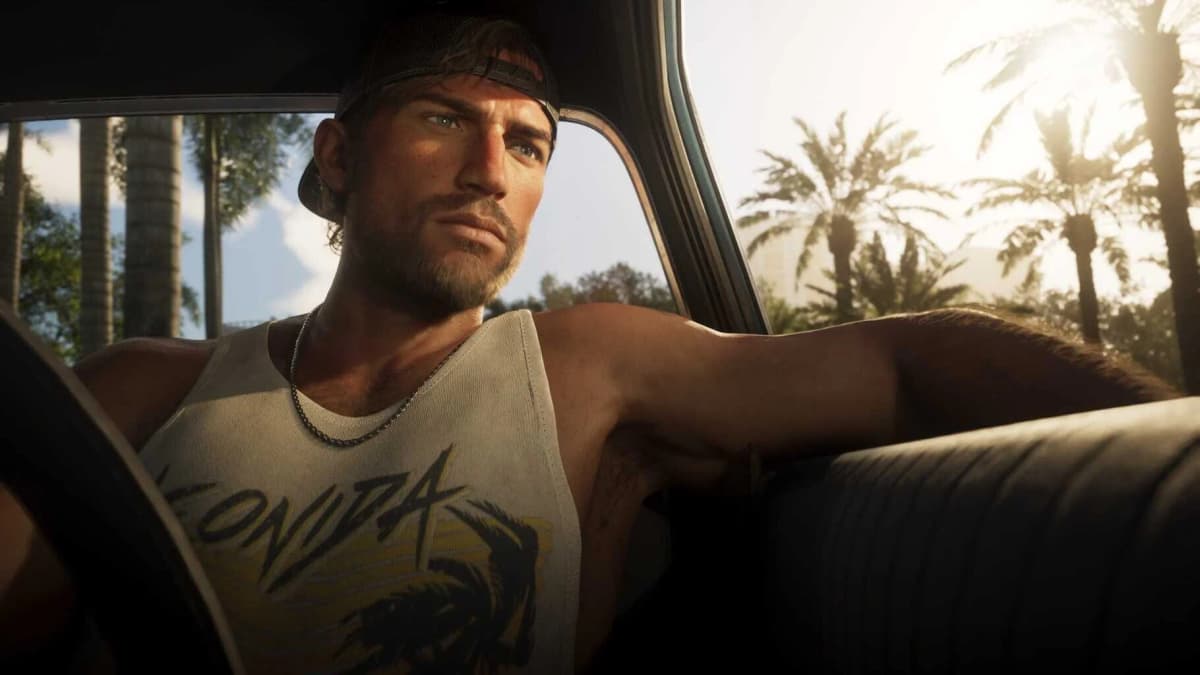
If the game leans too hard on gold-standard graphics at the expense of fresh ideas, the critical backlash could undercut that massive investment. Conversely, nailing a seamless, jaw-dropping open world could redefine interactive storytelling—and unlock revenue via expansions, cosmetic DLC, or live events for years to come.
Voices from the Field
“When budgets soar this high, the pressure to deliver flawless tech can overshadow creative risks,” warns Michael Pachter, analyst at Wedbush Securities. “Rockstar has deep pockets, but they’ll need to keep the soul of GTA intact—witty writing, emergent gameplay, memorable characters.”
On r/GTA6, one fan summed it up: “I want skyscrapers and 60 fps, but I also expect the unexpected—a random street fight turning into a story worth telling.” And on Twitter, another player joked, “I just hope they don’t remove Throwing Stars as a weapon. I need my ninja fix.” These community sentiments underline the tightrope Rockstar must walk between spectacle and spontaneity.
Impact on Players
For single-player enthusiasts, expectations are through the roof: deeper narratives, more emergent side activities, and multiplayer modes that feel integrated, not tacked on. But when a title costs over a billion dollars, shareholders expect returns. That often translates into live-service hooks, frequent cosmetic DLC drops, or even season-pass models.
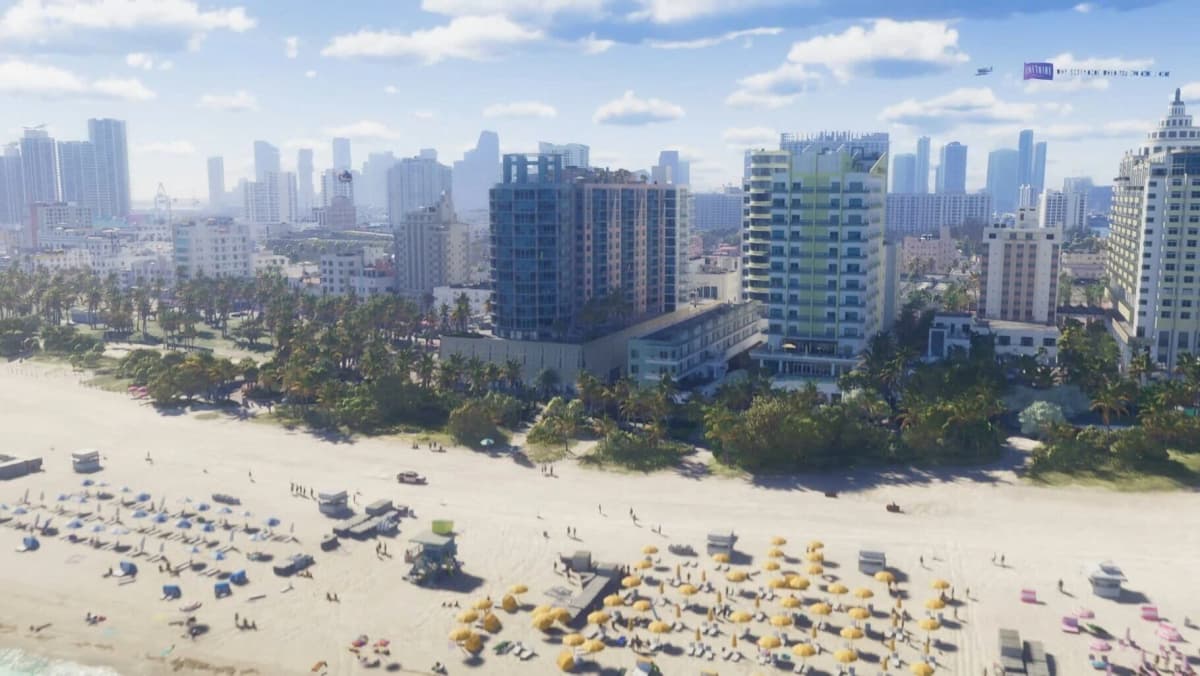
Players should keep an eye on how Rockstar balances these elements. Will microtransactions feel fair or intrusive? Can DLC genuinely expand the world without feeling like nickel-and-diming? A franchise this huge will test the fine line between delivering real value and squeezing every possible dollar from fans.
Industry Implications
Other AAA studios are watching GTA 6 like hawks. If Rockstar demonstrates that mega-budgets and live services can coexist without alienating players, the next wave of blockbusters may ramp up budgets even further—potentially sidelining mid-sized developers.
On the flip side, any misstep or community backlash could spark a budgetary backlash. Mid-tier and indie teams might seize the moment, offering innovative mechanics and strong narratives without the scale—or overhead—of a $2 billion production.
Key Takeaways
- Scale Redefined: GTA 6’s budget dwarfs its predecessors and most Hollywood tentpoles.
- Global Effort: From motion capture to marketing, hundreds of specialists work in tandem worldwide.
- Player Trade-Offs: Spectacular worlds vs. potential live-service and microtransaction pressures.
- Budget Benchmarks: Even nine-figure productions like The Witcher 3 and Assassin’s Creed now look modest.
- Industry Ripple Effect: GTA 6 could reset budget expectations or spark a leaner creative renaissance.
Looking Ahead
Rockstar’s rumored $1–2 billion GTA 6 budget promises unparalleled scale and polish—but it also brings enormous stakes. Will we get a revolutionary open world that justifies every dollar? Or will shareholder demands tip the balance toward microtransactions and DLC? Only time will tell if those billions fuel innovation—or simply spectacle. One thing’s certain: this is a turning point not just for Rockstar, but for the industry at large. Fasten your seatbelts, because the next era of gaming is about to accelerate into uncharted territory.
FinalBoss // Gear
Level up your setup
01Top-rated gaming headsetson Amazon→02High-refresh gaming monitorson Amazon→03Gaming chairson Amazon→04Discounted game keyson Kinguin→Affiliate links · As an Amazon Associate, FinalBoss earns from qualifying purchases.
Want to Level Up Your Gaming?
Get access to exclusive strategies, hidden tips, and pro-level insights that we don't share publicly.
Ultimate Gaming Strategy Guide + Weekly Pro Tips