

GTA 6 is bringing back six wanted stars, but the number is the least interesting part. Police can track your face, clothes, CCTV footage, vehicle and — under some circumstances — whether Jason and Lucia are together. Losing line-of-sight will no longer erase a crime spree if every part of your escape is still broadcasting who you are.
Table of Contents (8)
The stars measure danger; the heat explains why cops still know it was you
GTA V capped its wanted level at five stars. GTA 6 restores the classic six-star ceiling, last strongly associated with the older Grand Theft Auto era, but Rockstar North’s more consequential change sits beneath the stars on the HUD.
Red icons show the information police have collected during a crime. A silhouette means they have a physical description. A clothes-hanger means they know what the suspect is wearing. A camera means CCTV has caught them. A vehicle icon means the car is part of the search. The system turns a wanted level into a checklist of mistakes.
- Wear a mask before entering a camera-covered robbery or restricted area.
- Remove the mask and change clothes once clear of the immediate scene.
- Abandon any vehicle flagged by police rather than treating it as a permanent getaway car.
- Get out of the active search district before trying to disappear.
That is a far better fit for a modern open-world crime game than the old routine of driving three blocks, ducking behind a building, and waiting for the universe to forget your name. Red Dead Redemption 2 already pushed Rockstar toward regional law enforcement pressure. GTA 6 applies that logic to a denser, faster city where cameras, witnesses and traffic can all ruin a clean exit.
Witnesses and alarms matter before the chase even begins
A crime becomes a police event when somebody sees it, an alarm goes off, CCTV captures it, or a civilian calls 911. If police are responding but have no suspect identity, GTA 6 can display a hollow wanted star. That is the useful state: the authorities know something happened, but they do not yet have a clean trail to Jason or Lucia.
The practical implication is simple. Stealth has a job now. Keeping civilians out of sight, avoiding alarms and respecting cameras can preserve the gap between “crime reported” and “suspect identified.” Players used to treating every petty crime as an automatic chase sequence will have an actual reason to plan the first 30 seconds.
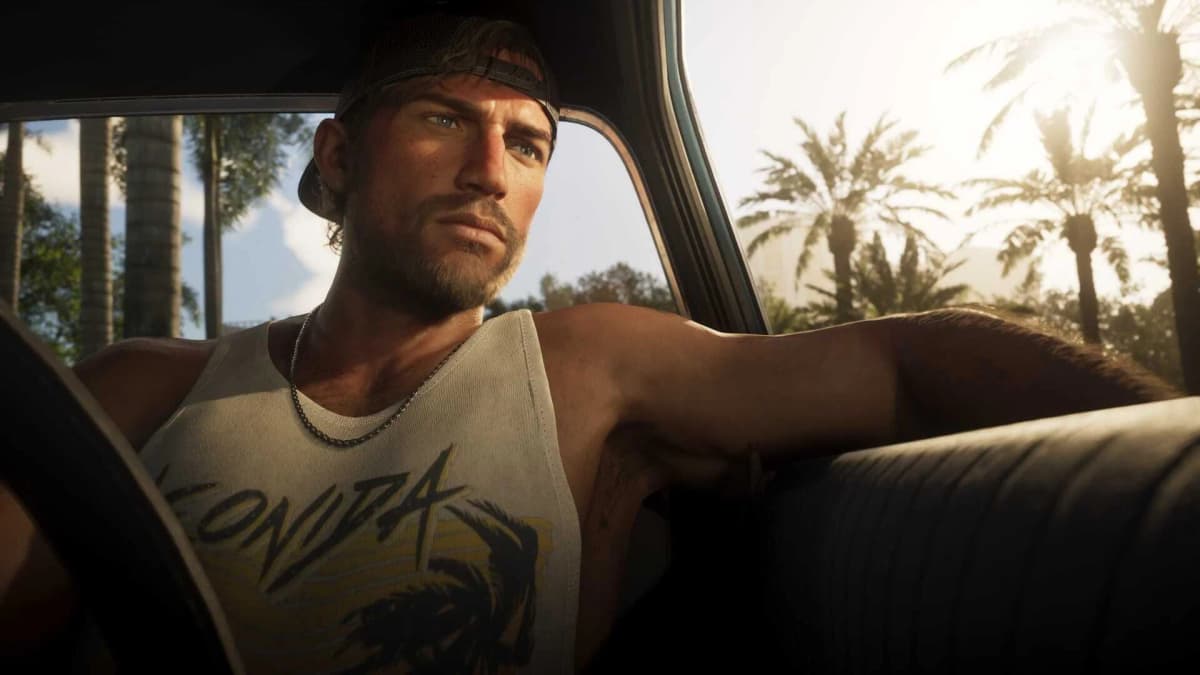
The more punishing wrinkle is the hot-zone system. Police retain pressure around the area where the crime happened, and returning too quickly can draw a larger response. A successful escape so has two stages: lose the police, then stay gone from the district long enough for the heat to cool. Vice City’s narrow streets, heavy traffic and dense population make that harder than simply flooring a stolen car down an empty highway.
Masks, car swaps and tracked vehicles
Masks carry real strategic weight under this model. The Red Dead Redemption 2-style behavior system limits what victims can describe when a face is covered, and it can prevent a description reaching police even where CCTV is involved. A mask will not delete every consequence, but it denies the most valuable piece of evidence: a confident ID. Changing hair may alter appearance, but a new outfit is needed to shake clothing-based identification.
Vehicle choice finally has a purpose beyond speed and handling. Use a distinctive personal ride for a public crime and police can attach the chase to the car; swap it out and the vehicle recognition icon can disappear. Some vehicles with advanced trackers may even alert police when driven too slowly, forcing a player to either keep moving or ditch the car.
At three stars, a sports bike may beat the supercar fantasy
At three stars or higher, city driving becomes a bad gamble unless the player has a genuinely quick vehicle or a sports bike capable of slipping through traffic. Alleys and on-foot routes become credible options because a large car has fewer ways to escape a police perimeter in a packed city.
That change matters because GTA’s chase design has often rewarded raw acceleration over judgment. GTA 6’s police are built to arrive physically rather than materialize on top of the player, and they can establish a perimeter instead of blindly charging into gunfire. The escape route matters more when law enforcement is searching an area instead of spawning as a punitive magic trick.
Rockstar’s broader NPC work should help sell that pressure. Its on-the-fly animation retargeting allows characters with different body shapes and sizes to use appropriate interaction and vehicle animations. That technical detail will not make a pursuit smarter by itself, but it supports the larger ambition: people in the world reacting like bodies in a space, rather than copies of the same animation rig panicking in different shirts.
Jason and Lucia create an escape tool Rockstar can also weaponize
GTA 6’s two-protagonist setup gives police another piece of evidence to use. A reported couple icon means police have connected Jason and Lucia. Splitting them up can reduce that recognition: one can draw attention while the other escapes, then reconnect by text once the search has cooled.
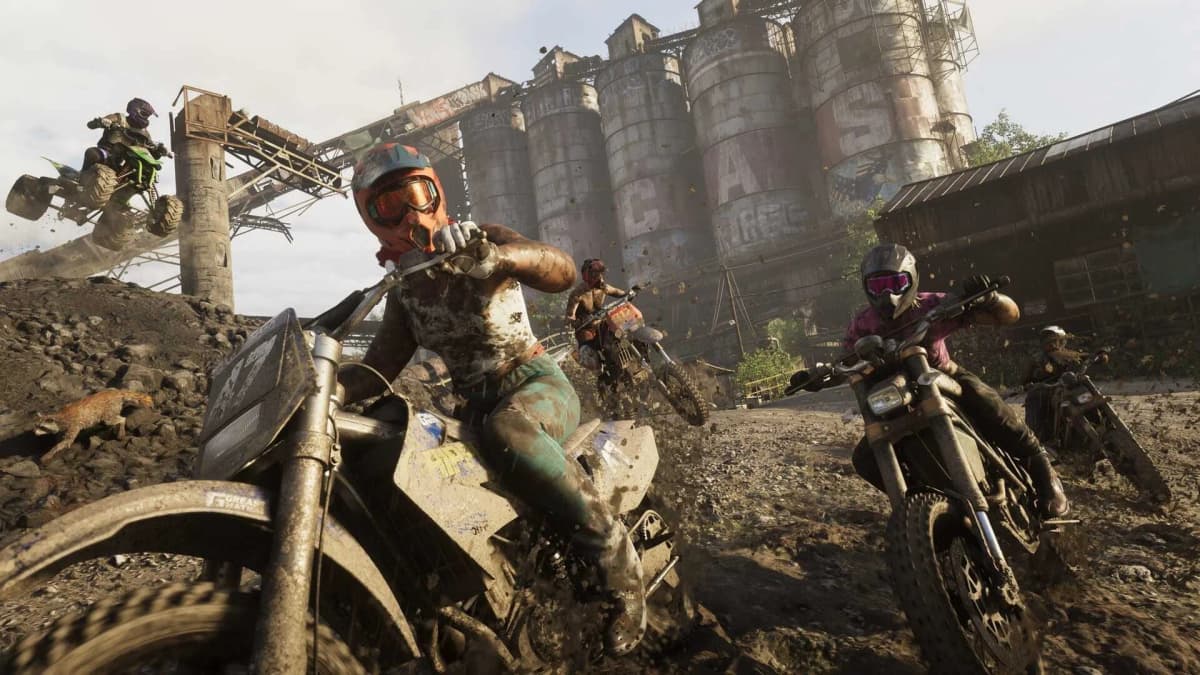
It is the kind of system that could make switching protagonists meaningful outside of mission scripting. It also raises the question Rockstar still needs to answer: how reliably can players understand which police knowledge states are active, and how much can they counter them through play rather than trial-and-error HUD archaeology?
Combat is built to create space for an escape
Combat may also be less about emptying a room. Enemies can target arms and legs to incapacitate, while suppression fire can pin players behind cover and create space for an escape. Once heat rises through all six stars, the intended pressure shifts toward a wider manhunt; military or FIB-style intervention, helicopters, roadblocks and elite responses are expected at the top end, though Rockstar has not detailed the final law-enforcement roster. There is no confirmed civilian-sparing score, but avoiding witnesses, police casualties and uncontrolled firefights can still reduce immediate heat and limit what authorities learn.
The Criminal Profile is the part that could outlast any single chase
Heat handles the immediate response. GTA 6’s Criminal Profile is built to remember the broader pattern of player behavior across crimes and side activities, affecting how characters and the world react and potentially shaping narrative progression. It resembles Red Dead Redemption 2’s Honor framework, with more contextual tracking than a clean good-or-evil meter.
That system needs to avoid becoming morality theatre with a gangster filter. The interesting version tracks methods: reckless public violence, quiet theft, betrayals, restraint, repeat offenses in the same neighborhood. If it mainly changes a few dialogue barks, it is decoration. If it changes opportunities, police suspicion and the way different parts of Vice City receive Jason and Lucia, it could finally give Grand Theft Auto’s criminal fantasy some memory.
What to watch before launch
The important remaining details are the heat-decay timer, what triggers each police-knowledge icon, how surrender works at lower wanted levels, and whether disguises remain useful after CCTV evidence exists. GTA 6 is planned for November 19 on PlayStation 5 and Xbox Series X|S; Rockstar has not announced a PC version. The next proper gameplay breakdown needs to show a full crime-to-escape loop, because the system’s promise lives or dies on whether those choices stay readable when everything goes loud.
FinalBoss // Gear
Level up your setup
01Top-rated gaming headsetson Amazon→02High-refresh gaming monitorson Amazon→03Gaming chairson Amazon→04Discounted game keyson Kinguin→Affiliate links · As an Amazon Associate, FinalBoss earns from qualifying purchases.
Want to Level Up Your Gaming?
Get access to exclusive strategies, hidden tips, and pro-level insights that we don't share publicly.
Ultimate Gaming Strategy Guide + Weekly Pro Tips