
Table of Contents (15)
Why the Game Boy Advance still has a permanent place in my bag
The Game Boy Advance turned 25 this year, and I can still feel that first time I slid fresh AA batteries into the translucent purple model and fired up a chunky little cartridge. No backlight, no sleep mode, just pure focus on the game in your hands. It was the last Nintendo handheld that still felt a bit wild and experimental, a place where big franchises tried strange ideas and weird one offs quietly became all time favourites.
There are way more than a dozen essential GBA games. Nintendo Life just did a monster 50 game rundown, and honestly they could have doubled it. But if you missed the system back in the day, or you only ever played Pokémon and the odd Mario port, this is the shortlist I would hand you on its 25th anniversary. The ones that made me drain batteries on long car rides, the ones I still boot up on a modded SP or via Nintendo Switch Online today.
Ranking these was brutal. I leaned on three things that actually matter when you sit down to play in 2026. How good they feel in the hands right now, not just through nostalgia goggles. How interesting or influential they were for the system. And how practical it is to play them today, whether that is through the Nintendo Switch Online Expansion Pack, modern collections, or a lovingly preserved original cart. With that in mind, here are 12 GBA games I still cannot let go of.
1. The Legend of Zelda: The Minish Cap
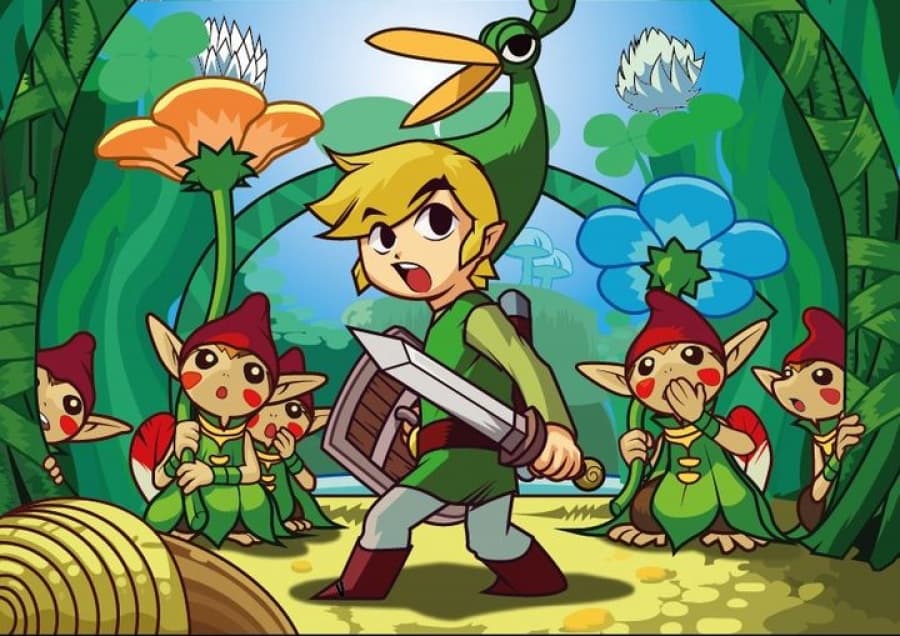
The first time I booted up The Minish Cap on my GBA SP, it felt like someone had squeezed a full SNES era Zelda into my pocket but then gone weirder and cuter with it. Capcom’s Zelda team was absolutely on fire here. The shrinking mechanic turns every screen into two overlapping puzzles, and suddenly a simple tree stump or a crack in the floor becomes an entire dungeon entrance once you pop Ezlo on your head and shrink down.
What still stands out all these years later is the density. Hyrule Town feels properly lived in, with sidequests weaving through Kinstone fusions and tiny Minish hideaways. The dungeons are tight, inventive, and never outstay their welcome. The Gust Jar and Mole Mitts are classic GBA era items, the kind of tools that feel specifically designed around that crisp sprite art and tile based layouts. The whole game sings at that 32 bit sweet spot where animation is expressive without losing the charm of 2D pixels.
On Nintendo Switch Online’s GBA app, it finally gets the screen and brightness it always deserved, along with save states for anyone who wants a softer landing. Of all the GBA titles now on the service, this is the one I recommend first. It is self contained, so you do not need any Zelda homework, and it shows exactly why the Advance era was such a golden age for top down adventures.
2. Metroid Fusion
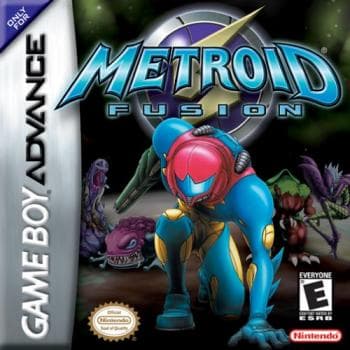
Metroid Fusion is the game that convinced me the GBA could do genuine horror with nothing but pixels and a tiny speaker. Playing it under the covers, volume just low enough not to get yelled at, that first SA X encounter hit harder than most jump scares from modern big budget games. Nintendo took the lonely exploration of Super Metroid and twisted it into a tense, scripted chase through a space station that always feels one step away from breaking apart.
Fusion catches flak for being more linear than other Metroids, and the mission briefing rooms definitely nudge you around. On a handheld, though, that structure works. Every sector feels distinct and tightly designed, and the controlled pacing lets the game build atmosphere in a way the GBA’s tiny screen usually struggled with. The moment you realise the SA X is essentially a broken version of endgame Samus hunting you down never loses its sting.
The Nintendo Switch Online GBA release gives Fusion a second life. It runs beautifully, and being able to quick suspend before a nasty boss or a stealthy SA X segment makes the difficulty feel more manageable without sanding off its teeth. With Metroid Dread continuing Samus’ story on Switch, Fusion is now a crucial chapter that is finally easy to experience again, and it might still be the purest shot of tension in the entire series.
3. Advance Wars
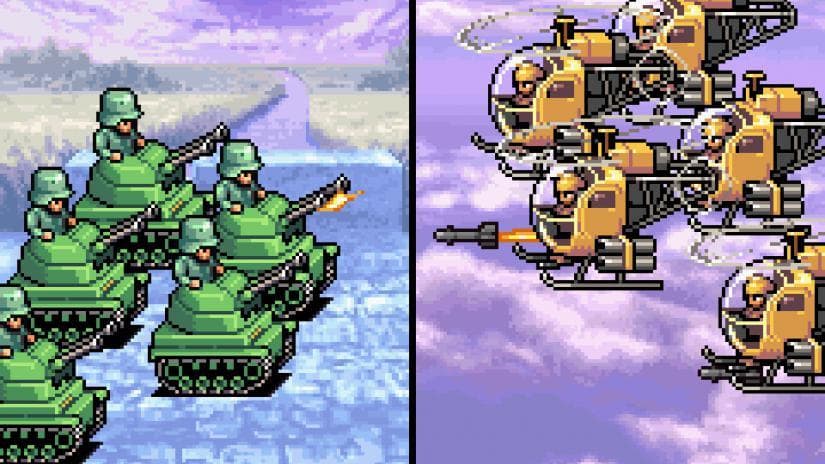
Advance Wars is the game that turned my GBA into a tactics engine. I remember passing it back and forth with a friend on school trips, agonising over where to park an artillery unit while the bus jolted over potholes. On paper it is a simple grid based war game. In practice it is one of the cleanest, most readable takes on turn based strategy ever made, with toy like tanks and bright maps that make complex decisions feel welcoming instead of intimidating.
The magic is in how much personality Intelligent Systems wrings out of such tiny sprites. Each Commanding Officer has a clear identity and a game shifting power, from Andy’s straightforward repairs to Sami’s late game capture rushes. Fog of war maps become little horror stories as you inch a recon bike forward and pray you did not just wander into rocket range. The campaign constantly introduces new mechanics but rarely overwhelms, and local multiplayer via link cable was the sort of thing you could lose an entire afternoon to.
On Switch, the Advance Wars 1+2 Re Boot Camp remake is the most convenient way to play now, and it is a faithful update with modern niceties. The original GBA cart still has an immediacy and crunch to its pixel art that I love, though. For the GBA’s 25th, this is the tactics game that best shows how the system could deliver deep thought in short bursts, whether you are grinding through a long campaign or sneaking in a single turn on a lunch break.
4. Golden Sun
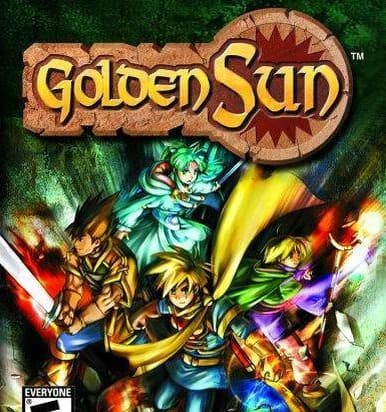
When Golden Sun came out, I remember literally handing my GBA to friends just to show off the summon animations. On that tiny screen, those swirling elemental gods looked impossibly dramatic. Underneath the flash is a rock solid handheld JRPG that leans into puzzle solving and party tinkering just enough to feel distinct from the Final Fantasy crowd.
The Psynergy system is where it really clicks. Spells are not just numbers in battle. Out in the world, pushing pillars, freezing puddles, and lighting torches with your magical toolkit makes dungeons feel like proper puzzle boxes rather than simple corridors packed with random battles. Then there are the Djinn, those collectible elemental creatures you can assign to characters, swap mid fight, or burn for huge summons. That constant micro decision making gives encounters a rhythm that still feels fresh.
On Nintendo Switch Online’s GBA catalogue, Golden Sun finally has its rightful place alongside Nintendo’s own heavy hitters. The portability suits it perfectly. You can chip away at a dungeon one puzzle at a time or sit down for a long grinding session. Its sequel, The Lost Age, deepens everything, but the original stands on its own as a complete, cosy adventure. For anyone curious about why this series has such a loud cult following, the GBA version on modern hardware is the ideal way to find out.
5. Mario & Luigi: Superstar Saga
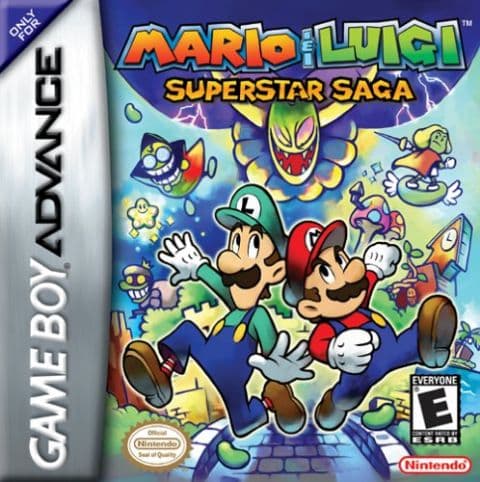
Mario & Luigi: Superstar Saga is the moment I realised a handheld RPG could be laugh out loud funny. This is not just another Mushroom Kingdom romp. It is a full blown comedy double act where every button press feeds into the joke. Controlling Mario with A and Luigi with B sounds like a party trick, but it transforms basic overworld exploration into a timing game, and battles into rhythmic little duets.
The Beanbean Kingdom is still one of Nintendo’s best settings. Its cast is packed with weirdos, from the diva swordsmiths to the unforgettable Fawful, and the script milks the brothers’ mute reactions for all they are worth. Combat never devolves into mindless menu mashing. Every attack and dodge has an input, which keeps you locked in and makes even random encounters feel engaging. On a long car journey I would slide into that battle rhythm and suddenly an hour had vanished.
The 3DS remake is decent, but the original GBA version on Nintendo Switch Online is where the game feels most at home. The pixel art is punchy, the animations read clearly on a handheld screen, and the sound design sells every bonk and whiffed hammer swing. As an RPG that respects your time and your sense of humour, Superstar Saga is still near the top of the GBA pile.
6. WarioWare, Inc.: Mega Microgame$
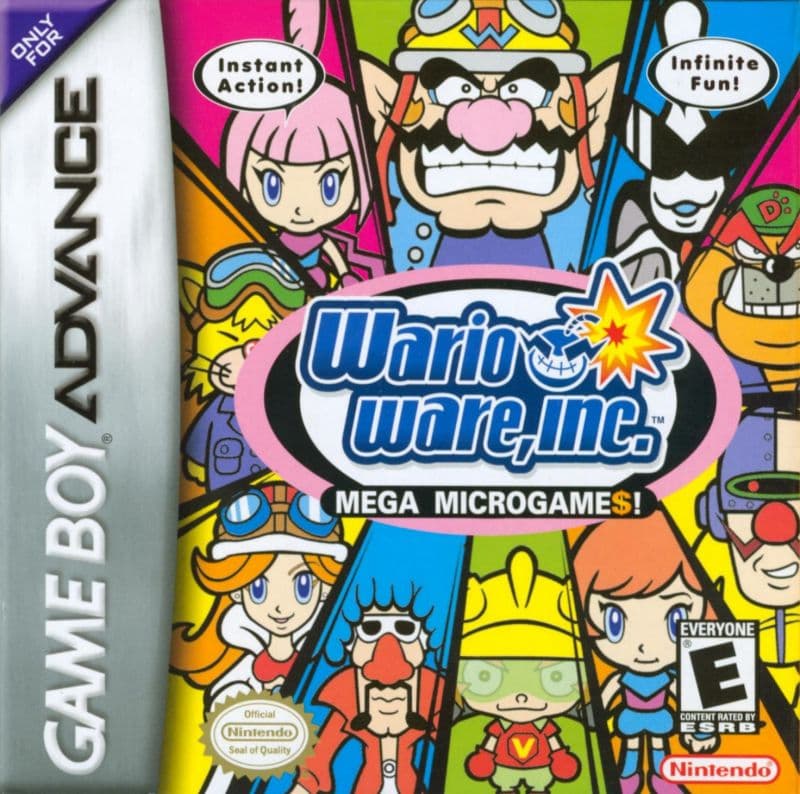
Wario’s first GBA outing is pure chaos bottled into five second slices. WarioWare, Inc. felt like it came out of nowhere. One moment you were used to long RPG sessions and 30 minute platformer levels, the next you were being told to pick a nose or dodge a falling rock with barely enough time to process the instructions. I remember passing my GBA SP around at gatherings and watching people go from confusion to cackling in a single round.
The genius of WarioWare is how simple each microgame really is. One button press here, a quick tilt of the D pad there, all stitched together at an increasingly ridiculous pace. It turns the GBA’s limitations into a strength, embracing quick fire ideas rather than sprawling levels. The theming, with Wario running a bargain bin game studio, gives everything an unpolished, home made feel that fits handheld gaming perfectly.
On the Switch Online GBA app, Mega Microgame$ becomes the ultimate pick up and play title. You can blitz through a character’s stage in a few minutes or chase high scores on Remix modes when you have more time. It is also a great little snapshot of Nintendo at its most experimental, a time when a greedy, garlic obsessed antihero quietly defined an entire new microgame subgenre on a pocket system.
On the Switch Online GBA app, Mega Microgame$ becomes the ultimate pick up and play title. You can blitz through a character’s stage in a few minutes or chase high scores on Remix modes when you have more time. It is also a great little snapshot of Nintendo at its most experimental, a time when a greedy, garlic obsessed antihero quietly defined an entire new microgame subgenre on a pocket system.
🎮 Get This Game at the Best Price
Compare prices instantly and save up to 80% on Steam keys with Kinguin — trusted by 15+ million gamers worldwide.
*Affiliate link — supports our independent coverage at no extra cost to you
7. WarioWare Twisted
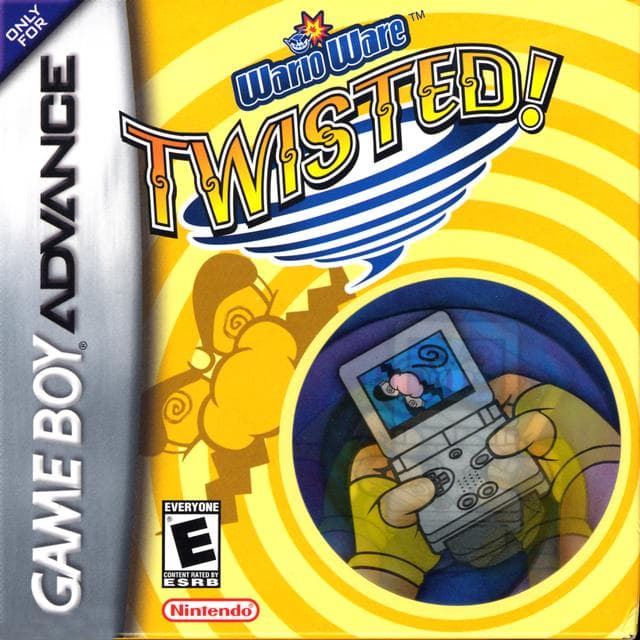
WarioWare Twisted is the one GBA cartridge that literally made my arms ache. The built in gyro sensor was a revelation back then. Instead of just tapping buttons, you physically rotated the entire handheld to spin plates, steer tiny ships, or guide loose screws into place. Sitting in the back of a car trying to keep the screen steady while twisting the system around was gaming slapstick in the best way.
What makes Twisted special is how well those motion controls are tuned. The games are still lightning fast, but the tilt feels precise and responsive, with a satisfying little click in the cart reinforcing every spin. The microgame ideas lean hard into rotation, and after a while your brain starts pre tilting between rounds to get a head start. It takes the original WarioWare formula and makes it feel physical without resorting to gimmicks for their own sake.
The downside is preservation. Twisted never released in Europe, and that custom gyro cartridge has kept it stranded on original GBA hardware ever since. There is no Switch port, no compilation, just ageing carts and a steadily rising second hand market. For GBA diehards, though, it is worth the hunt. As a snapshot of what handheld game design looked like when Nintendo let its strangest ideas ship, WarioWare Twisted is unmatched.
8. Mega Man Zero 2
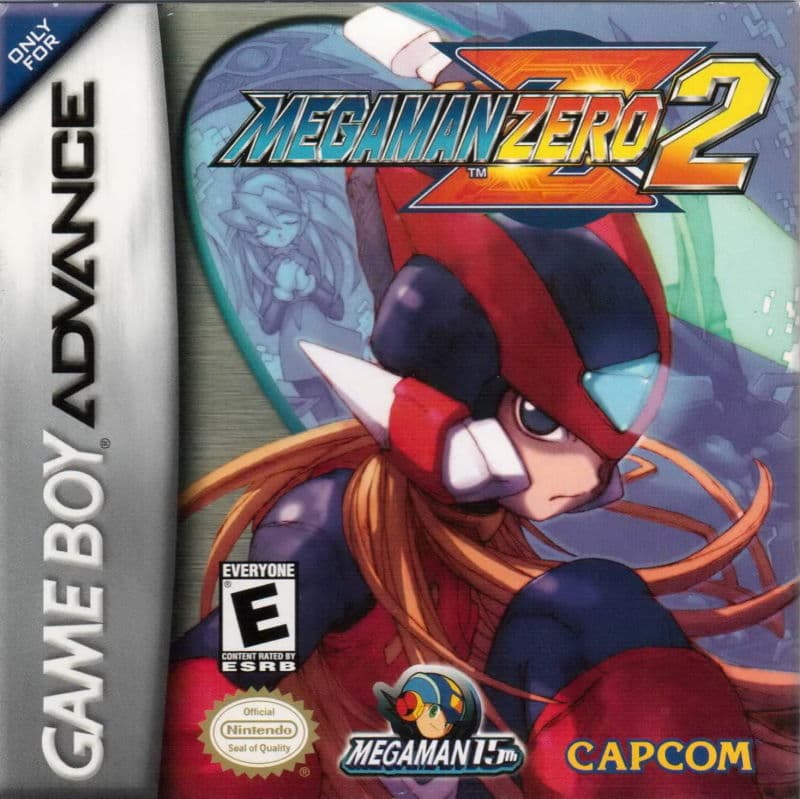
The first Mega Man Zero was already a sharp pivot for the blue bomber, turning the GBA into a home for brutally precise action platforming. Mega Man Zero 2 is where the formula really locks in. I remember bouncing off the first game’s grindy ranking system, then being pleasantly surprised at how much smoother Zero 2 felt without losing that razor edge difficulty.
Zero’s moveset is a joy. Dashing, wall jumping, swapping between saber and buster on the fly, it all clicks into a fast, aggressive rhythm that rewards clean execution. Zero 2 trims back some of the harsher penalties from the original and introduces Forms and EX Skills, rewarding specific playstyles and encouraging replays. Stages are more focused, boss patterns are tighter, and the soundtrack absolutely shreds through the GBA’s tiny speakers.
The best part today is how easy it is to play legitimately. The Mega Man Zero ZX Legacy Collection on Switch gathers all four Zero games with modern conveniences like save assist, giving newcomers a way in without endless frustration. Zero 2 remains the standout of the bunch. For anyone who wants a GBA era action game that still feels demanding and modern in its level design, this is the cartridge that earned its scars.
9. Sonic Advance 2
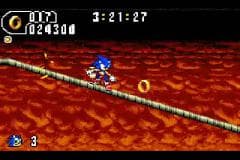
Sonic Advance proved that Sonic could work on a Nintendo handheld. Sonic Advance 2 is the game that floored me visually. The first time I hit full speed in Leaf Forest and watched the background blur, with Sonic stretched into that classic sprint pose, it felt like the Mega Drive days all over again but cranked up for the GBA’s brighter palette.
This sequel leans harder into raw speed. Levels are longer and more rollercoaster like, with huge ramps, chained springs, and routes that reward players who learn their flow. It is not afraid to be punishing either. Miss a jump and you can sail straight into a bottomless pit, something that split the fanbase back then and still does. For my taste, that risk and reward makes finally nailing a clean run through a zone incredibly satisfying.
There are quirks. Chasing all the Chaos Emeralds via the special rings can be a headache, and some late game stages push the GBA’s tiny screen real estate to its limits. Yet when it all comes together, Sonic Advance 2 delivers a sense of momentum few 2D platformers match. It is frustrating that the Advance trilogy still lacks a proper modern re release, so right now original hardware or legacy collections are your only real options. As a slice of Sonic history and a showcase for what the GBA could do visually, it absolutely earns its spot.
10. Klonoa: Empire of Dreams
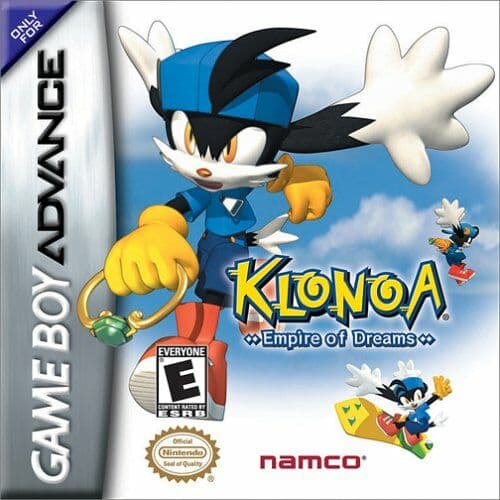
Klonoa: Empire of Dreams is the game I recommend when someone says they have played every great GBA platformer. Most people remember Klonoa from the PlayStation titles, with their beautiful parallax backgrounds and melancholic stories. The GBA entries scale that formula down into pure 2D puzzle platformers, and Empire of Dreams might be the sweetest of them all.
The core mechanic is so simple. Use Klonoa’s Wind Bullet to grab an enemy, then use that enemy as a double jump or a thrown projectile. Levels are built around squeezing every possible trick from that one idea. Grab an enemy, bounce off another, thread a narrow gap, land on a switch, pick up a key on the way down. It feels almost like a platforming take on a good Sokoban puzzle, with just enough timing to keep your thumbs engaged.
What I love most is the pacing. Stages are compact, rarely overwhelming, and the difficulty curve is gentle without feeling trivial. It is the kind of game you play late at night and tell yourself just one more level before bed. Unlike the console Klonoa games, Empire of Dreams has not been folded into any modern remaster collection yet, which is a genuine shame. If you have a working GBA or compatible hardware, tracking down a copy is worth it. It is a masterclass in how to build a handheld platformer around a single, satisfying verb.
11. Drill Dozer
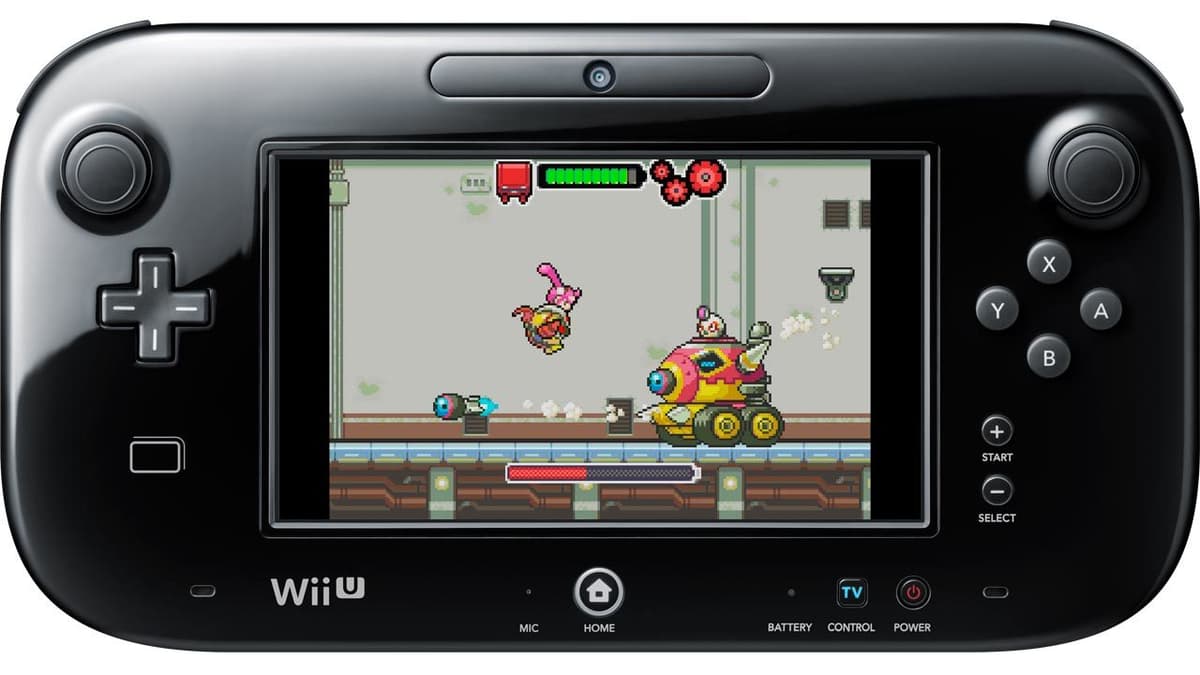
Seeing the Game Freak logo without a single Poké Ball in sight felt strange at first. Then Drill Dozer kicked in, the cartridge rumbled in my hands, and I stopped caring about catching monsters. This is a tight, inventive action platformer where your main attack, defence, and movement tool is a tiny mech with a comically oversized drill bolted to the front.
The GBA cart has built in rumble, and that physical feedback changes everything. Holding down a shoulder button to spin the drill up, feeling the buzz as you chew through walls, enemy armour, and even environmental puzzles never gets old. Stages are built around escalating uses of the drill, from simple block breaking to reversing direction mid spin to navigate screw like platforms and timed mechanisms. It is one of those games where the control scheme lodges in your muscle memory long after you put it down.
For a long time Drill Dozer was stranded on GBA carts and a now shuttered Wii U Virtual Console release. It still has not made the leap to Nintendo Switch Online’s GBA library, which feels like a missed opportunity. That scarcity also makes finally playing it feel special. As a reminder that Game Freak can absolutely nail tight level design and playful mechanics outside of Pokémon, this is essential GBA history.
12. Ninja Five-O / Ninja Cop
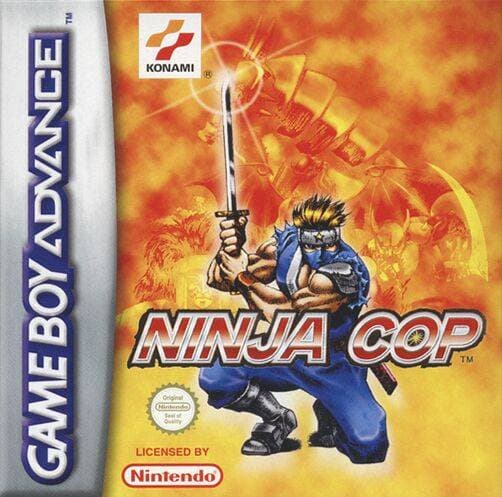
Ninja Five O (known as Ninja Cop in Europe) was one of those cartridges you heard rumours about before you ever actually saw one. A ninja who is also a cop, swinging through side scrolling stages, cutting down terrorists and rescuing hostages. It sounded like the most early 2000s pitch imaginable. Then I finally borrowed a copy and discovered that under the silly premise sits one of the best pure action games on the system.
The star here is the grappling hook. It lets you swing through levels with a pace and grace that feels closer to Bionic Commando or classic arcade platformers than most GBA titles. Mastering that swing, learning how much momentum you can squeeze from a single arc, turns each stage into a playground. Enemies hit hard, hostages punish sloppy play, and the difficulty curve is firm but fair in a way that rewards patience.
For years the tiny print run turned Ninja Five O into a collector’s nightmare, with second hand prices spiralling. The good news is that Limited Run’s modern Switch release finally pulled it out of pure rarity status and into something regular players can actually experience. As a late era GBA game from Hudson Soft that combines tight level design, satisfying rope mechanics, and a wonderfully daft premise, it is the perfect deep cut to round out any 25th anniversary celebration of the system.
Looking back at a 32 bit pocket powerhouse
Choosing only twelve GBA games feels a bit like asking someone to pick their favourite pixels. There are painful omissions. No Fire Emblem, no Castlevania in this particular cut, no mention of the endless stream of SNES ports that quietly kept the system’s library stacked. That is also the point. Twenty five years on, the Game Boy Advance still has enough depth that you can build completely different essential lists and all of them feel valid.
Between Nintendo Switch Online’s growing GBA lineup, modern collections like the Mega Man Zero ZX Legacy Collection, and surprise re releases of obscurities such as Ninja Five O, it has never been easier to sample what made this little 32 bit machine so special. At the same time, games like WarioWare Twisted still live only on their original cartridges, a reminder that handheld history needs active preservation, not just nostalgia tweets every five years.
For me, the GBA was where console sized ideas collided with handheld constraints and something uniquely playful fell out of the clash. Whether you are revisiting these cartridges on a battered SP with the shell creaking, or streaming them through a pristine OLED on your Switch, these twelve games capture that feeling better than anything else on the system.
FinalBoss // Gear
Level up your setup
01Top-rated gaming headsetson Amazon→02High-refresh gaming monitorson Amazon→03Gaming chairson Amazon→04Discounted game keyson Kinguin→Affiliate links · As an Amazon Associate, FinalBoss earns from qualifying purchases.
Want to Level Up Your Gaming?
Get access to exclusive strategies, hidden tips, and pro-level insights that we don't share publicly.
Ultimate Editor's Pick Strategy Guide + Weekly Pro Tips