
Hades II 1.0 Launch Guide: What Matters, What’s New, and How to Start Strong
Game intel
Hades II
Battle beyond the Underworld using dark sorcery to take on the Titan of Time in this bewitching sequel to the award-winning rogue-like dungeon crawler.
Why Hades II’s 1.0 Launch Actually Matters
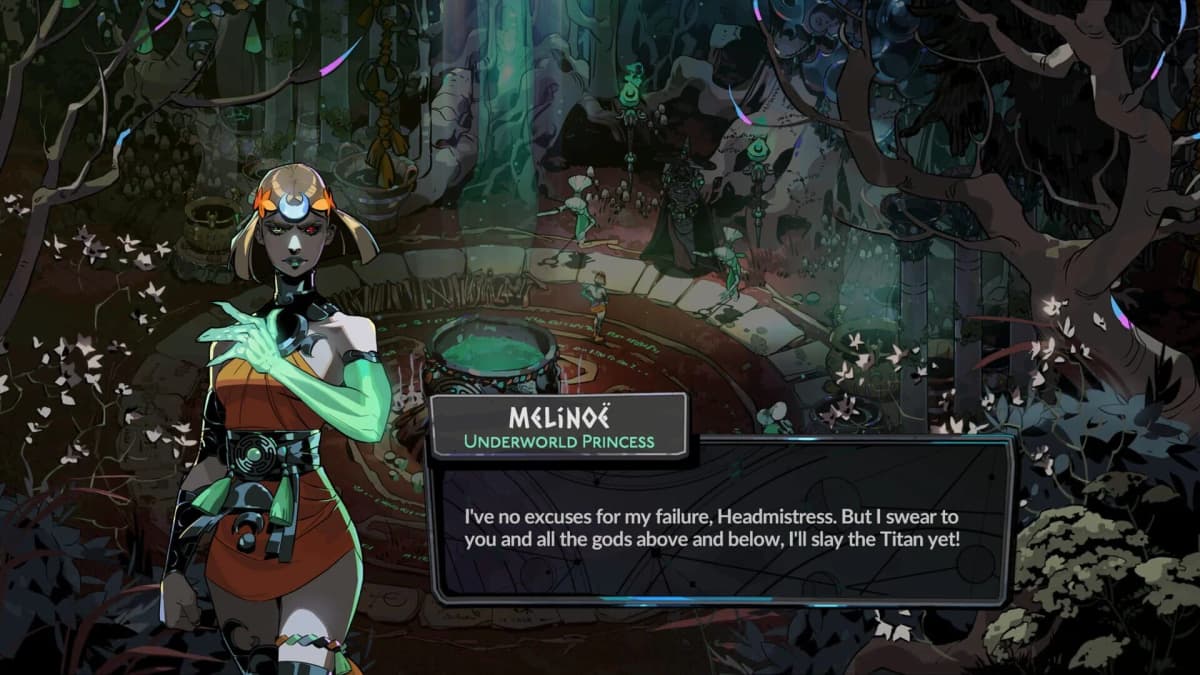
Hades II finally hits version 1.0 on September 25 after an Early Access run that already felt dangerously playable. As someone who sunk hours into the EA build, this caught my attention because Supergiant didn’t just reskin Zagreus and call it a sequel-they rebuilt the combat rhythm around Melinoë, layered in a witchy progression system, and aimed the story at Cronos, the Titan of Time. The full release means a complete narrative arc (yes, you can see the “true” ending), major balance passes, and the kind of polish Supergiant has a track record for from Bastion to the first Hades.
Key Takeaways
- Hades II 1.0 is out now on Steam, Epic, Nintendo Switch, and Switch 2; PS5 and Xbox Series versions are coming later.
- Price lands at €39.99, with cross-save support if you link accounts across PC and Switch.
- Early Access saves carry forward into 1.0-no need to restart your run.
- Text is fully localized in French (and other languages), but voiceover remains English-only.
- Solo only-no co-op, no multiplayer, just pure rogue-like action.
- A physical edition is planned on consoles, with the Switch 2 edition slated for November 20.
Breaking Down What’s New (Without Spoiling)
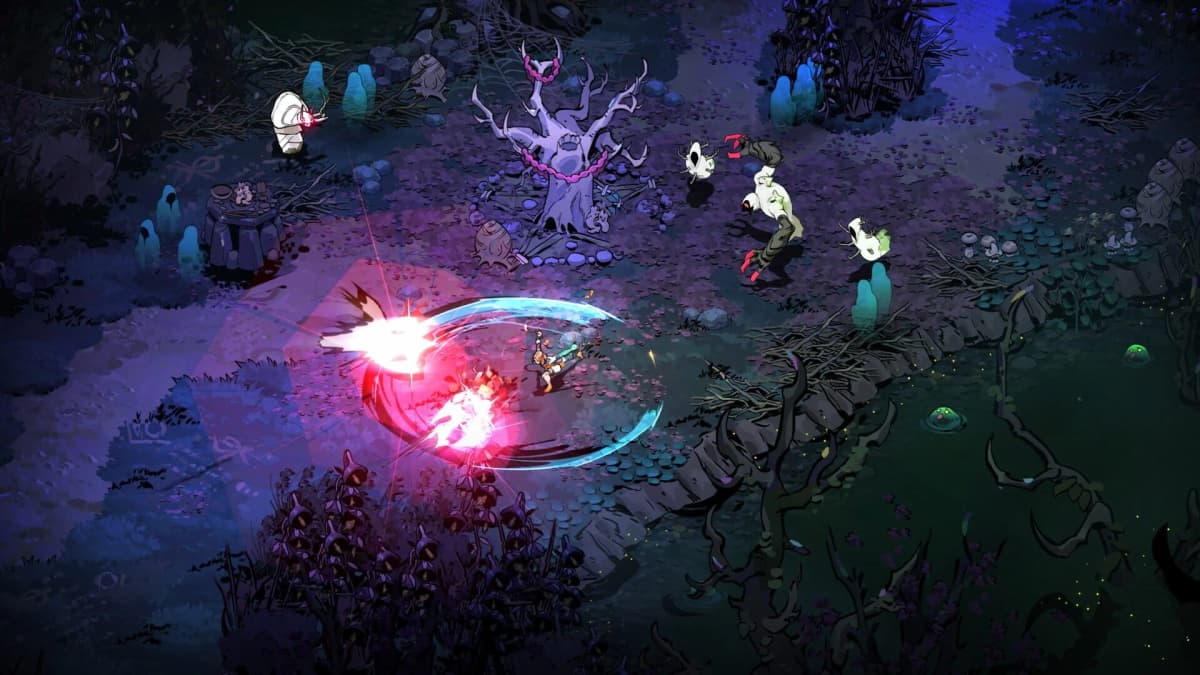
Melinoë plays differently from Zagreus in ways that matter minute-to-minute. The combat sandbox leans into Omega Attacks that charge up using a Magick resource, letting you commit to big, satisfying risk-reward bursts. That small meter changes the pace: you’re making snap decisions about when to dump Magick for a room melt versus saving it for a boss’s second phase.
The sequel’s hook is the Arcana—tarot-like boons you invest in over time. Think of it as a strategic layer sitting above god boons: persistent tweaks that shape your build identity even before you pick your first blessing. It’s not just “do I take Zeus or Athena,” it’s “did I wire my Arcana to make Omega-heavy builds pop, or am I a dash-cancel fiend who lives on crits and survivability?” After dozens of runs, that layer is where Hades II really differentiates itself from the original.
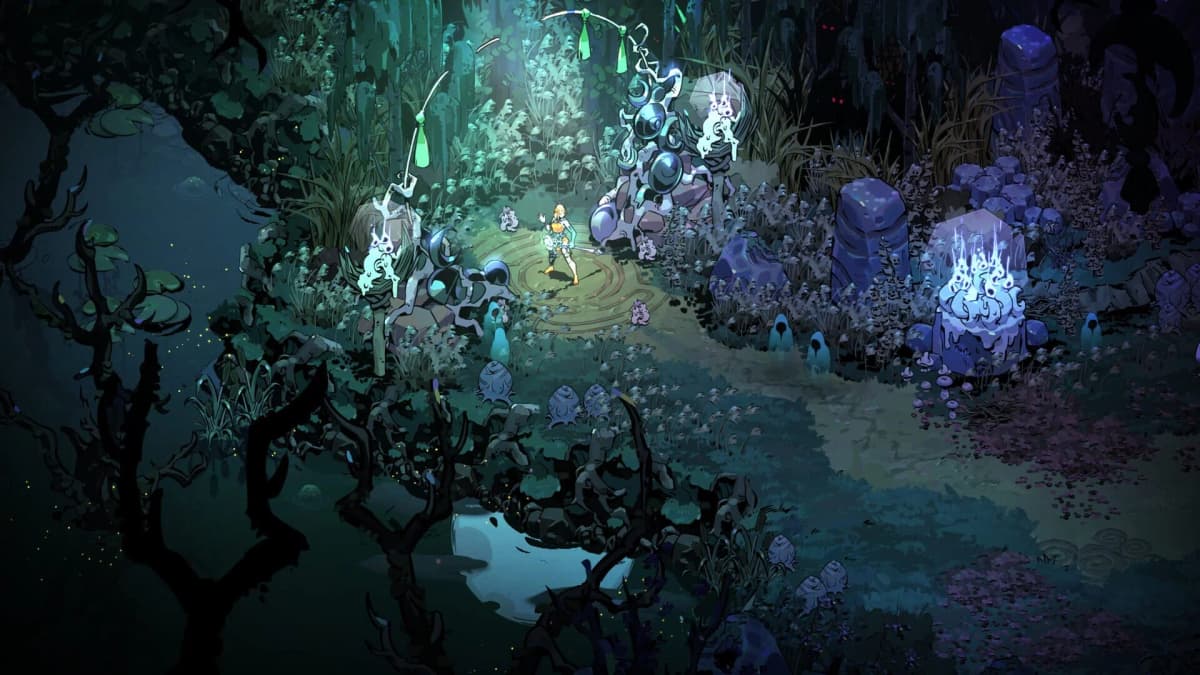
The pantheon’s back with fresh dynamics: Athena’s safety net still rules, Demeter and Poseidon can hard-carry early rooms, and Hermes is the mobility king. But the standout is how Omega-oriented boons amplify your weapon identity. A staff build that vacuum-pulls mobs into a charged slam plays nothing like a dagger setup that machine-guns Omega specials. Add in the expanded regions and new faces from Hecate to a few sharp-tongued underworld denizens, and it feels meaningfully bigger rather than just longer.
Platforms, Saves, and the Performance Reality Check
Cross-save is the star quality-of-life feature. If you bounce between PC and Switch, link your account and your progress follows—you can theorycraft a build at home and finish the run on the train. If you played in Early Access, your save should be compatible with 1.0, which is exactly how every EA exit should work.
On PC, Hades II remains friendly to modest rigs. Supergiant lists:
- Minimum: Windows 10 64-bit, Dual Core 2.4 GHz, 8 GB RAM, GTX 950 / R7 360 / Intel HD 630, 10 GB storage
- Recommended: Windows 10 64-bit, Quad Core 2.4 GHz, 16 GB RAM, RTX 2060 / RX 5600 XT / Intel Arc A580, 10 GB storage
The Switch version is the portable comfort food we expected, while Switch 2 should, in theory, bring headroom for steadier performance and crisper visuals. We’ll need to see real-world tests before calling frame rates, but Supergiant’s art direction tends to shine regardless of hardware, and the first Hades set a strong handheld standard.
Do You Need to Play Hades 1 First?
Short answer: no. Hades II stands on its own feet. You’ll miss a few character dynamics and Easter eggs if you skipped Zagreus’s saga, but the sequel does a good job onboarding new players while rewarding returning fans. If anything, the more methodical flow here—shaped by Arcana choices and Magick juggling—might be an easier entry point for folks who bounced off the first game’s speed.
Want to Level Up Your Gaming?
Get access to exclusive strategies, hidden tips, and pro-level insights that we don't share publicly.
Ultimate Gaming Strategy Guide + Weekly Pro Tips
Five Tips to Start Strong
- Lean into Omega: Practice the timing of charged attacks early. Many gods offer Omega-enhancing boons that turn safe rooms into blender rooms.
- Invest in Arcana first: Unlock a couple of early Arcana that boost survivability or Magick economy. A small, consistent edge beats a flashy boon you may not see.
- Pick a weapon and master it: Don’t rotate every run at the start. Learn one Nocturnal Arm, grab its best Daedalus-style augments, then branch out.
- Mobility saves runs: Prioritize dash upgrades (Hermes, Athena) and defensive tech over pure damage until you’re comfortable with enemy patterns.
- Don’t over-crank difficulty: The heat-style challenge system unlocks as you progress. Keep it reasonable until your meta upgrades and Arcana are online.
Value Check and Final Thoughts
At €39.99, Hades II feels like a fair ask for a sequel that meaningfully expands its combat language and wraps it in Supergiant’s usual “every death tells a story” loop. The no-multiplayer stance won’t shock anyone—this series lives and dies by tight solo design. The real selling point is how your long-term Arcana plan reshapes the feel of each run, which makes theorycrafting as addictive as the moment-to-moment action.
If you’re waiting on PS5 or Xbox Series, the good news is they’re coming; if you want a cart on your shelf, the physical release is on the way, with Switch 2’s edition dated November 20. In the meantime, cross-save means you can start now on PC and keep rolling on Switch later. That’s the kind of player-first feature we need more of.
TL;DR
Hades II’s 1.0 launch delivers a full story, deeper systems, and smart QoL like cross-save. Melinoë’s Magick and the Arcana board make builds feel fresh without losing the series’ razor-sharp flow. If you liked the first game—or bounced off and wanted more structure—this is absolutely worth your time.