
Hades II Outscores Clair Obscur — Here’s Why That Actually Matters
Game intel
Hades II
Battle beyond the Underworld using dark sorcery to take on the Titan of Time in this bewitching sequel to the award-winning rogue-like dungeon crawler.
Hades II just outpaced Clair Obscur – and yes, that’s a big deal
This caught my attention because we don’t often see a sequel refine an already-beloved formula and still feel fresh. Hades II landing a 94% on Metacritic and sneaking into 2025’s top three means Supergiant Games didn’t just repeat Hades – they sharpened it. And surpassing Clair Obscur: Expedition 33, one of the year’s critical darlings, sets up a compelling GOTY showdown that pits precision-run action against a flashy hybrid RPG.
- Iteration beats novelty: Hades II deepens combat, buildcraft, and storytelling without bloat.
- It’s the most replayable “story game” out there – the narrative respects your time and your runs.
- Clair Obscur dazzles with style and hybrid combat, but Hades II owns the long-tail engagement.
- GOTY 2025 is now Hades II’s to lose — if the 1.0 launch sticks the landing on content and consoles.
Breaking down the milestone
On paper, a 94% Metacritic reads like PR fluff. In practice, it confirms what players have felt since the first early builds: Hades II is absurdly confident design. Supergiant has always been the studio that learns out loud — Bastion to Transistor to Pyre to Hades — and the sequel doubles down on that craft. The run-based loop remains razor-sharp, but there’s more to tinker with between attempts, more to aspire to within a run, and more reasons to launch “just one more” at 1 a.m.
Clair Obscur still deserves its flowers — its Belle Époque mood and tension-filled timing windows are gorgeous. But when you line up what keeps people playing months later, Hades II’s systems give it the edge. Where Clair Obscur’s combat is a deliberate dance with strict inputs, Hades II invites messy creativity: experimental builds, boon synergies that flip a run on its head, and encounters that reward aggression, adaptability, and knowledge of its enemies.
What Hades II actually improves
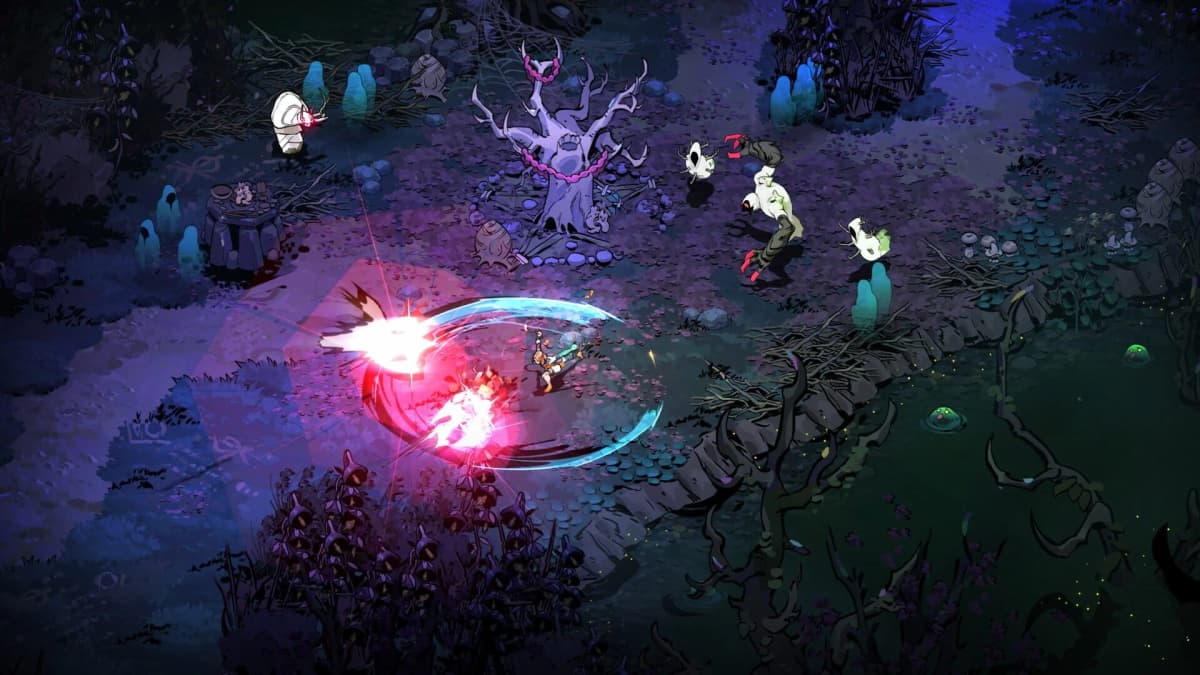
The sequel keeps the heartbeat of the original — fast, readable action with run-defining choices — and quietly rebuilds the skeleton around it. The arsenal offers genuinely distinct identities rather than mere stat swaps, pushing you to relearn fundamentals depending on your pick. Boons layer in new offensive and defensive angles without collapsing into chaos, and the meta-progression gives you more agency in shaping your next attempt rather than praying to RNG.
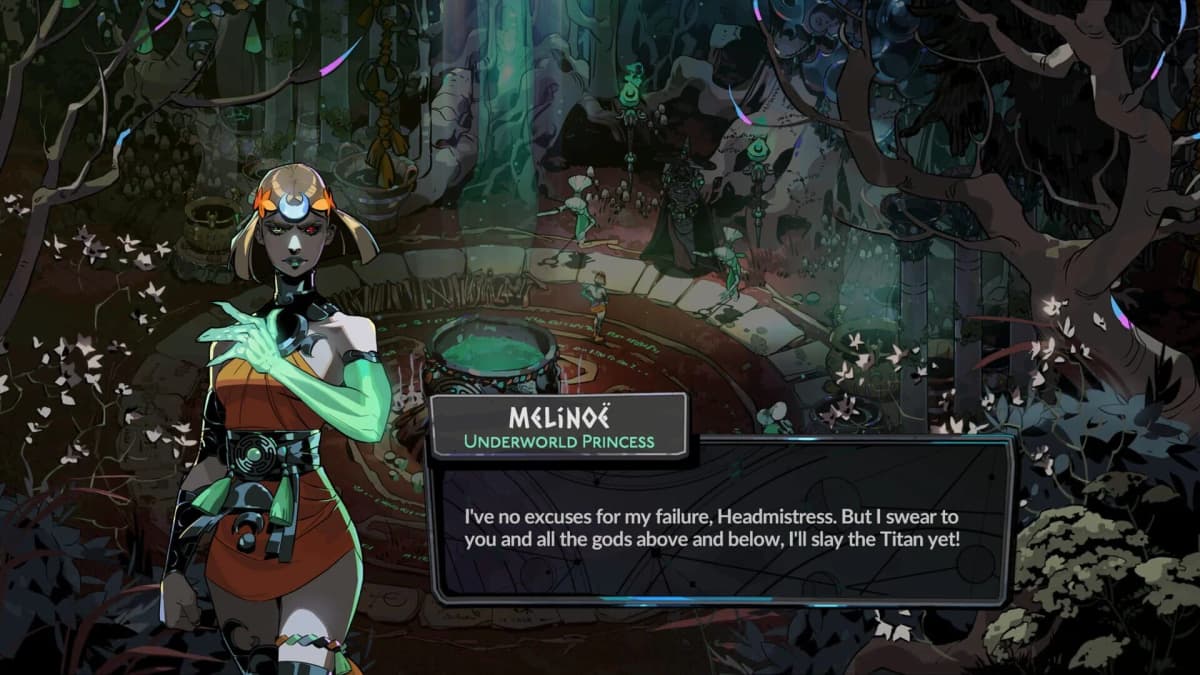
Two design choices stand out. First, the narrative cadence. Supergiant’s secret sauce has always been making failure feel like forward motion. Here, the conversations, hub upgrades, and character threads spool out at a rhythm that respects the roguelike loop — you don’t have to grind to see story; you just have to play. Second, the buildcraft scaffolding. Without getting lost in the weeds, the sequel’s “board” of long-term upgrades and the crafting/ritual layer around it let you set long-term goals that meaningfully alter your next run. It’s goal-setting that feels like play, not chores.
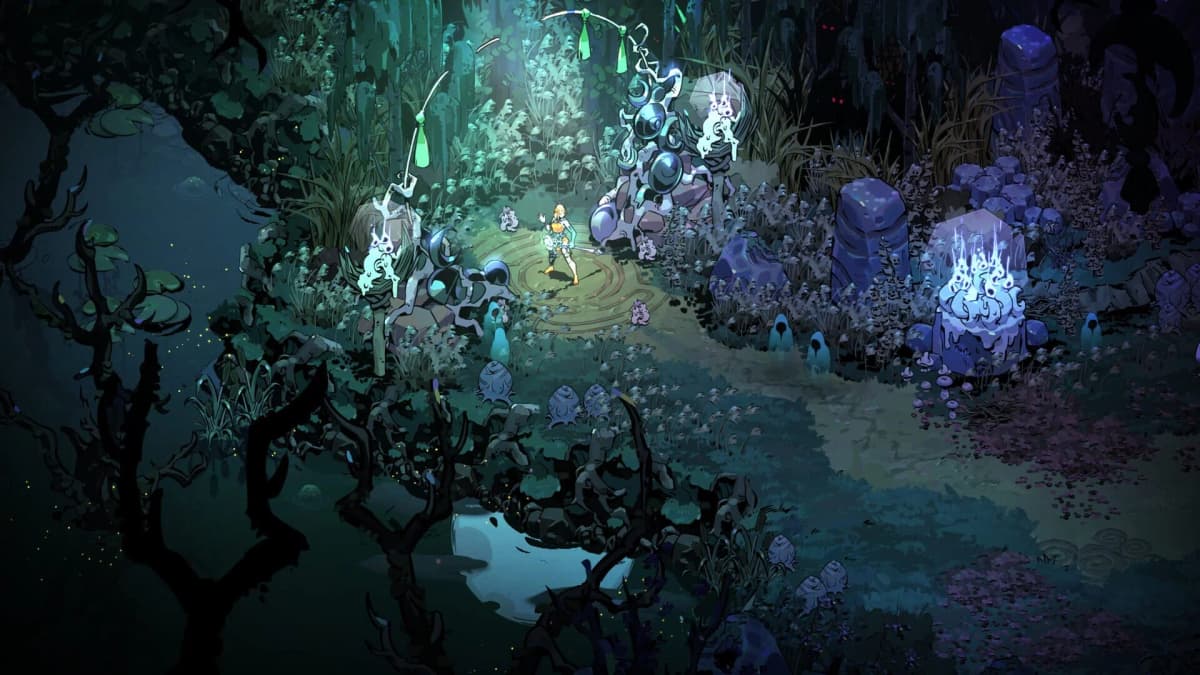
And yes, it still sounds and looks top-tier. Darren Korb’s score slaps harder the deeper you go, and the art direction makes even familiar arenas feel sharp on the hundredth run. Small detail, big impact: hit-stop and audio cues are tuned so well that your hands learn the game before your brain catches up — the hallmark of great action design.
How it edges past Clair Obscur
Clair Obscur’s hook is its fusion of turn-based planning with real-time timing windows, and it nails the theatrical presentation: painterly world, precise animations, and high-stakes boss choreography. But its progression lanes get narrower the more you master it. Hades II runs the opposite way. Every attempt can become a weird science experiment — that one boon that turns a defensive dash into an offensive engine, or a special that suddenly becomes your primary damage source because of a chance combo you leaned into. That improvisational loop is what keeps the community buzzing, sharing seeded runs, and chasing faster clears.
There’s also a cultural factor. Supergiant has built a reputation for finishing games, not monetizing them. No microtransaction creep, no cynical grind. When a new patch lands, it’s about smarter balance and richer options. In a year when several big releases shipped sprawling but shallow, Hades II’s density-per-minute ratio is refreshing.
Want to Level Up Your Gaming?
Get access to exclusive strategies, hidden tips, and pro-level insights that we don't share publicly.
Ultimate Gaming Strategy Guide + Weekly Pro Tips
What gamers need to know right now
- It respects your time. A 20-30 minute run feels complete, whether you win or die spectacularly at the finish line.
- Accessibility is better than most action games. Like the first game’s God Mode, difficulty aids let you tune challenge without removing tension.
- Content cadence matters. If you’re waiting for 1.0 or console versions, keep an eye on how Supergiant scopes late-game variety and new bosses. The score says “nearly there”; the true test is the landing.
- Different strokes: If you live for deliberate, cinematic RPGs, Clair Obscur still hits. If you want a combat sandbox you can live in for months, Hades II is the safer bet.
One fair skepticism: the GOTY conversation often rewards novelty. Hades II is iterative by design. But iteration at this level is its own kind of innovation. It’s a masterclass in how to expand a system without overcomplicating it — something a lot of studios talk about and very few pull off.
TL;DR
Hades II’s 94% isn’t just a number flex; it reflects a sequel that deepens everything that made the original special and keeps you coming back. Clair Obscur remains a standout, but Supergiant’s run-based symphony has the stronger long-term pull. If the 1.0 rollout nails scope and console parity, pencil Hades II in as the GOTY frontrunner.