
Table of Contents (283)
TL;DR
Super Battle Golf turned a simple, chaotic hook into half a million sales and a 20k+ CCU peak in a month. It’s a creator-friendly, high-replay party loop built fast and embraced by streamers — but the next six weeks will reveal whether Brimstone can convert virality into a stable, sustainable live product.
- Content Update #1 rollout: note the release date and whether it arrives with Workshop support and server fixes.
- Console port timeline: if a release window appears within 2-3 months, the team likely has a realistic port plan; a vague “we’re working on it” is less encouraging.
- Review trend past 10k+ ratings: a steady climb back toward 96-97% means healthy updates; a slide below 90% would be worrying.
- Monetization moves: paid DLC, battle passes or cosmetic sales will reveal whether Brimstone keeps the community engaged or fractures it.
TL;DR
Super Battle Golf turned a simple, chaotic hook into half a million sales and a 20k+ CCU peak in a month. It’s a creator-friendly, high-replay party loop built fast and embraced by streamers — but the next six weeks will reveal whether Brimstone can convert virality into a stable, sustainable live product.
- Content Update #1 rollout: note the release date and whether it arrives with Workshop support and server fixes.
- Console port timeline: if a release window appears within 2-3 months, the team likely has a realistic port plan; a vague “we’re working on it” is less encouraging.
- Review trend past 10k+ ratings: a steady climb back toward 96-97% means healthy updates; a slide below 90% would be worrying.
- Monetization moves: paid DLC, battle passes or cosmetic sales will reveal whether Brimstone keeps the community engaged or fractures it.
TL;DR
Super Battle Golf turned a simple, chaotic hook into half a million sales and a 20k+ CCU peak in a month. It’s a creator-friendly, high-replay party loop built fast and embraced by streamers — but the next six weeks will reveal whether Brimstone can convert virality into a stable, sustainable live product.
Why half a million sales is not just hype
Hit 500,000 copies on Steam within a month and you stop being a quirky indie and start being a market signal. Super Battle Golf’s mash-up of explosive items, vehicles and physics-driven mayhem has done something simple and brutal: it turned the “party golf” template into a viral social game. That matters because this isn’t a slow-burn indie cult hit – it’s a breakout with metrics publishers and platforms pay attention to.
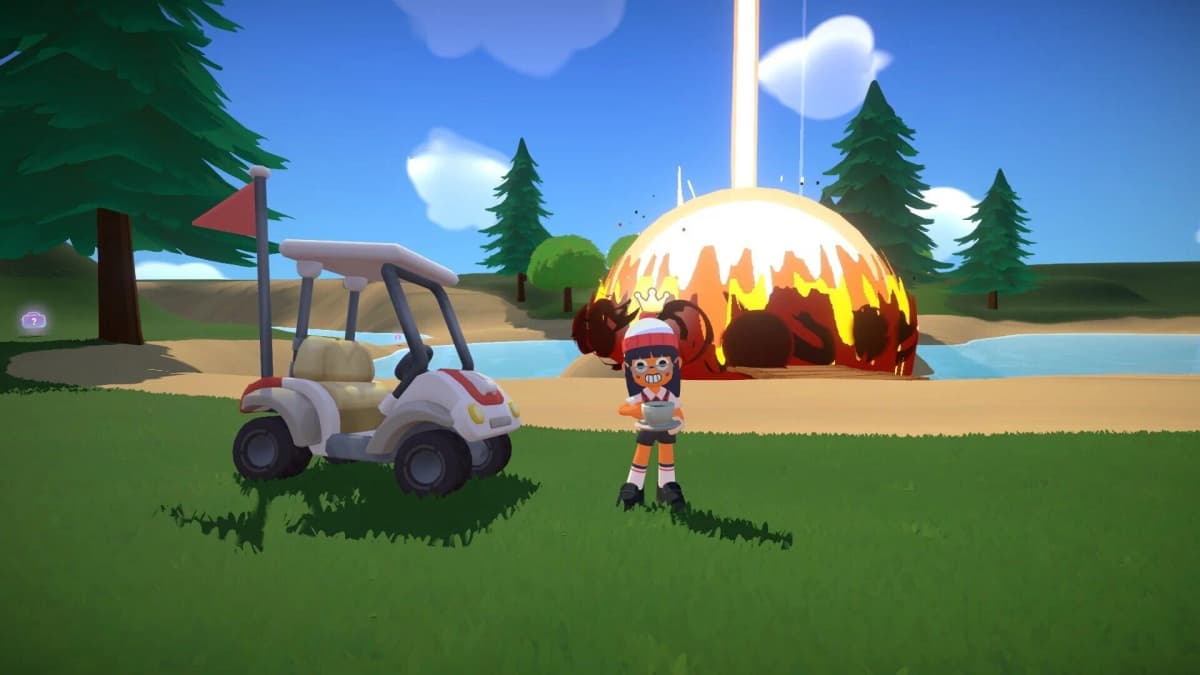
- 500k copies sold on Steam in ~one month, publisher Oro Interactive reported via GamesRadar; CCU peak hit 20,421.
- Steam approval remains very high at ~95% despite rapid growth; ratings briefly topped 97% at launch, sliding as the player base expanded.
- Built in roughly 4.5 months by Brimstone; the team is already working on a console port and Content Update #1 (new biome, wind, Workshop support).
Key takeaways – the things patch notes won’t tell you
- This is a creator-driven breakout. Early streams and parties amplified the game’s social chaos faster than traditional marketing could.
- Fast development doesn’t equal hollow product: the core loop-golf-plus-sabotage—lands hard and sustains repeat sessions.
- The small drop from 97→96→95% is normal for big spikes, but it’s the first sign to watch for churn or balance complaints once novelty fades.
Why this actually matters
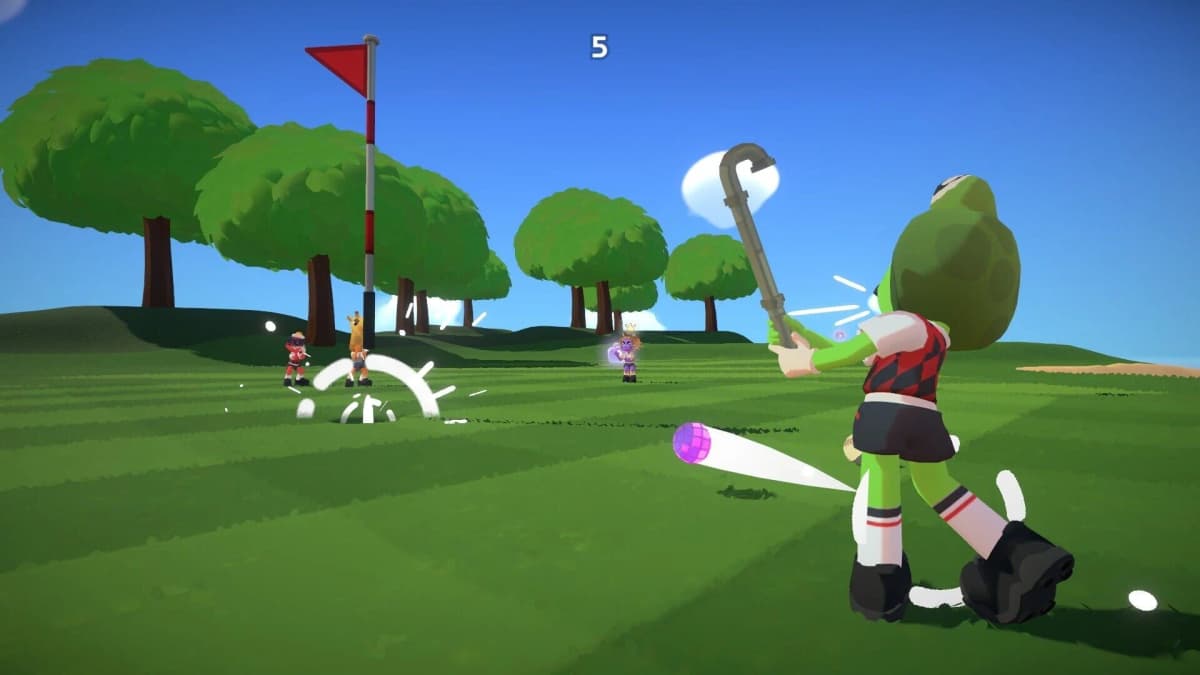
There are lots of indie party games that get a week in the sun. What sets Super Battle Golf apart is how it packages social chaos into a concise, repeatable match structure: eight-player rounds that only take a few minutes, plus ridiculous items (rockets, landmines, carts) that create highlightable moments. That format is gold for creators and for quick matchmaking — the two ingredients you need for sustained virality.
Metrics bear it out. The game hit ~100k copies in its first 48 hours, then 400k in the first week, and now 500k at month’s end. Concurrent players have climbed from a ~19.7k peak to a 20.4k peak as the audience widened. Those numbers show it’s not just a spike from a single streamer: the player base kept coming back.
The uncomfortable observation the PR deck hopes you miss
Brimstone built this in 4.5 months. That’s a selling point for the “we shipped quickly” narrative, but it’s also a red flag for long-term scaling and polish. Rapid builds can hide technical debt: networking edge cases, matchmaking strain, and balance systems that haven’t been stress-tested at sustained scale. The dev has pledged updates and a console port, but the real question is whether they can iterate fast enough while supporting a much larger audience.
Another thing: art and low-res charm are part of the pitch, but they can limit perceived value when you ask players to pay again for DLC or cosmetic economies on console. Monetization choices and update cadence will tell the real story.
How it plays and why creators keep picking it up
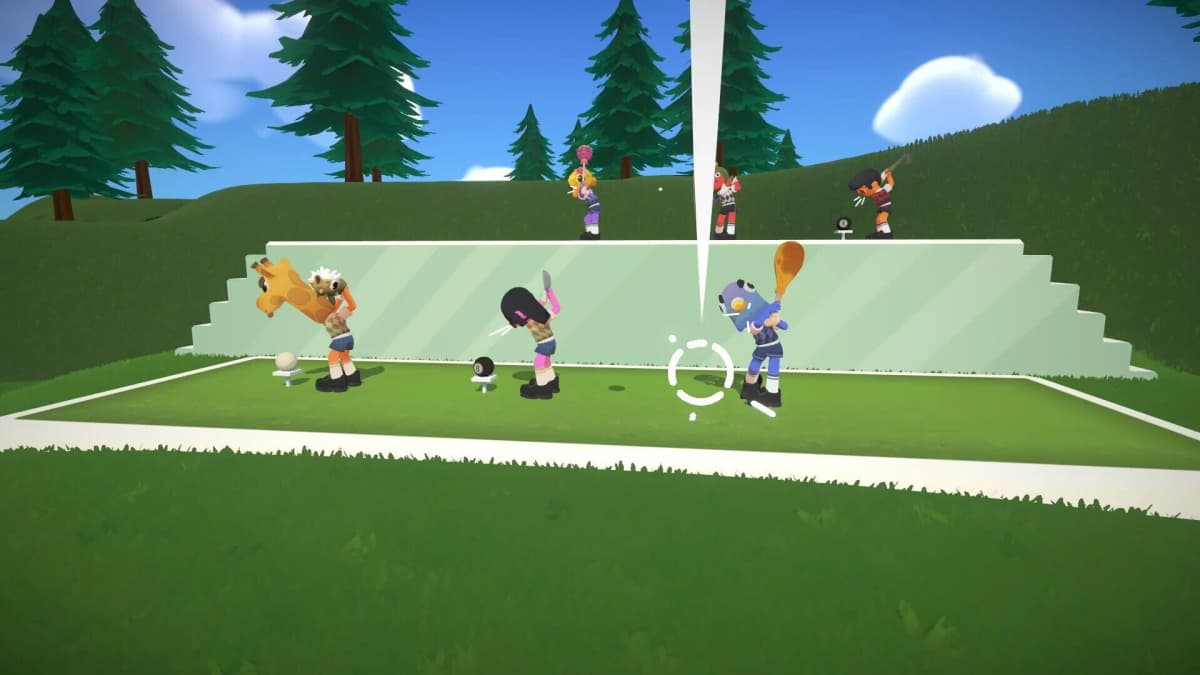
Streams show the appeal: short matches, physical comedy, and easy-to-understand sabotage options. Creators can tweak item probabilities and host chaotic free-for-alls that make for shareable moments. That “friendship-ruiner” reputation—earned in early Kinda Funny and other streams—works in the game’s favor: people want to try it with friends to see how ugly and funny it gets.
The question I’d ask Brimstone (and Oro) if I had two minutes
“You shipped fast and the game caught fire — what’s your exact cadence for paid and free content, and how will you prioritize backend stability versus adding flashy new biomes and cosmetics?” The answer will show whether this is a one-hit viral product or the start of a live service with real staying power.
What to watch next — specific signals, not vague promises
- Content Update #1 rollout: note the release date and whether it arrives with Workshop support and server fixes.
- Console port timeline: if a release window appears within 2-3 months, the team likely has a realistic port plan; a vague “we’re working on it” is less encouraging.
- Review trend past 10k+ ratings: a steady climb back toward 96-97% means healthy updates; a slide below 90% would be worrying.
- Monetization moves: paid DLC, battle passes or cosmetic sales will reveal whether Brimstone keeps the community engaged or fractures it.
TL;DR
Super Battle Golf turned a simple, chaotic hook into half a million sales and a 20k+ CCU peak in a month. It’s a creator-friendly, high-replay party loop built fast and embraced by streamers — but the next six weeks will reveal whether Brimstone can convert virality into a stable, sustainable live product.
- Content Update #1 rollout: note the release date and whether it arrives with Workshop support and server fixes.
- Console port timeline: if a release window appears within 2-3 months, the team likely has a realistic port plan; a vague “we’re working on it” is less encouraging.
- Review trend past 10k+ ratings: a steady climb back toward 96-97% means healthy updates; a slide below 90% would be worrying.
- Monetization moves: paid DLC, battle passes or cosmetic sales will reveal whether Brimstone keeps the community engaged or fractures it.
TL;DR
Super Battle Golf turned a simple, chaotic hook into half a million sales and a 20k+ CCU peak in a month. It’s a creator-friendly, high-replay party loop built fast and embraced by streamers — but the next six weeks will reveal whether Brimstone can convert virality into a stable, sustainable live product.
Why half a million sales is not just hype
Hit 500,000 copies on Steam within a month and you stop being a quirky indie and start being a market signal. Super Battle Golf’s mash-up of explosive items, vehicles and physics-driven mayhem has done something simple and brutal: it turned the “party golf” template into a viral social game. That matters because this isn’t a slow-burn indie cult hit – it’s a breakout with metrics publishers and platforms pay attention to.
- 500k copies sold on Steam in ~one month, publisher Oro Interactive reported via GamesRadar; CCU peak hit 20,421.
- Steam approval remains very high at ~95% despite rapid growth; ratings briefly topped 97% at launch, sliding as the player base expanded.
- Built in roughly 4.5 months by Brimstone; the team is already working on a console port and Content Update #1 (new biome, wind, Workshop support).
Key takeaways – the things patch notes won’t tell you
- This is a creator-driven breakout. Early streams and parties amplified the game’s social chaos faster than traditional marketing could.
- Fast development doesn’t equal hollow product: the core loop-golf-plus-sabotage—lands hard and sustains repeat sessions.
- The small drop from 97→96→95% is normal for big spikes, but it’s the first sign to watch for churn or balance complaints once novelty fades.
Why this actually matters
There are lots of indie party games that get a week in the sun. What sets Super Battle Golf apart is how it packages social chaos into a concise, repeatable match structure: eight-player rounds that only take a few minutes, plus ridiculous items (rockets, landmines, carts) that create highlightable moments. That format is gold for creators and for quick matchmaking — the two ingredients you need for sustained virality.
Metrics bear it out. The game hit ~100k copies in its first 48 hours, then 400k in the first week, and now 500k at month’s end. Concurrent players have climbed from a ~19.7k peak to a 20.4k peak as the audience widened. Those numbers show it’s not just a spike from a single streamer: the player base kept coming back.
The uncomfortable observation the PR deck hopes you miss
Brimstone built this in 4.5 months. That’s a selling point for the “we shipped quickly” narrative, but it’s also a red flag for long-term scaling and polish. Rapid builds can hide technical debt: networking edge cases, matchmaking strain, and balance systems that haven’t been stress-tested at sustained scale. The dev has pledged updates and a console port, but the real question is whether they can iterate fast enough while supporting a much larger audience.
Another thing: art and low-res charm are part of the pitch, but they can limit perceived value when you ask players to pay again for DLC or cosmetic economies on console. Monetization choices and update cadence will tell the real story.
How it plays and why creators keep picking it up
Streams show the appeal: short matches, physical comedy, and easy-to-understand sabotage options. Creators can tweak item probabilities and host chaotic free-for-alls that make for shareable moments. That “friendship-ruiner” reputation—earned in early Kinda Funny and other streams—works in the game’s favor: people want to try it with friends to see how ugly and funny it gets.
The question I’d ask Brimstone (and Oro) if I had two minutes
“You shipped fast and the game caught fire — what’s your exact cadence for paid and free content, and how will you prioritize backend stability versus adding flashy new biomes and cosmetics?” The answer will show whether this is a one-hit viral product or the start of a live service with real staying power.
What to watch next — specific signals, not vague promises
- Content Update #1 rollout: note the release date and whether it arrives with Workshop support and server fixes.
- Console port timeline: if a release window appears within 2-3 months, the team likely has a realistic port plan; a vague “we’re working on it” is less encouraging.
- Review trend past 10k+ ratings: a steady climb back toward 96-97% means healthy updates; a slide below 90% would be worrying.
- Monetization moves: paid DLC, battle passes or cosmetic sales will reveal whether Brimstone keeps the community engaged or fractures it.
TL;DR
Super Battle Golf turned a simple, chaotic hook into half a million sales and a 20k+ CCU peak in a month. It’s a creator-friendly, high-replay party loop built fast and embraced by streamers — but the next six weeks will reveal whether Brimstone can convert virality into a stable, sustainable live product.
- Content Update #1 rollout: note the release date and whether it arrives with Workshop support and server fixes.
- Console port timeline: if a release window appears within 2-3 months, the team likely has a realistic port plan; a vague “we’re working on it” is less encouraging.
- Review trend past 10k+ ratings: a steady climb back toward 96-97% means healthy updates; a slide below 90% would be worrying.
- Monetization moves: paid DLC, battle passes or cosmetic sales will reveal whether Brimstone keeps the community engaged or fractures it.
TL;DR
Super Battle Golf turned a simple, chaotic hook into half a million sales and a 20k+ CCU peak in a month. It’s a creator-friendly, high-replay party loop built fast and embraced by streamers — but the next six weeks will reveal whether Brimstone can convert virality into a stable, sustainable live product.
Why half a million sales is not just hype
Hit 500,000 copies on Steam within a month and you stop being a quirky indie and start being a market signal. Super Battle Golf’s mash-up of explosive items, vehicles and physics-driven mayhem has done something simple and brutal: it turned the “party golf” template into a viral social game. That matters because this isn’t a slow-burn indie cult hit – it’s a breakout with metrics publishers and platforms pay attention to.
- 500k copies sold on Steam in ~one month, publisher Oro Interactive reported via GamesRadar; CCU peak hit 20,421.
- Steam approval remains very high at ~95% despite rapid growth; ratings briefly topped 97% at launch, sliding as the player base expanded.
- Built in roughly 4.5 months by Brimstone; the team is already working on a console port and Content Update #1 (new biome, wind, Workshop support).
Key takeaways – the things patch notes won’t tell you
- This is a creator-driven breakout. Early streams and parties amplified the game’s social chaos faster than traditional marketing could.
- Fast development doesn’t equal hollow product: the core loop-golf-plus-sabotage—lands hard and sustains repeat sessions.
- The small drop from 97→96→95% is normal for big spikes, but it’s the first sign to watch for churn or balance complaints once novelty fades.
Why this actually matters
There are lots of indie party games that get a week in the sun. What sets Super Battle Golf apart is how it packages social chaos into a concise, repeatable match structure: eight-player rounds that only take a few minutes, plus ridiculous items (rockets, landmines, carts) that create highlightable moments. That format is gold for creators and for quick matchmaking — the two ingredients you need for sustained virality.
Metrics bear it out. The game hit ~100k copies in its first 48 hours, then 400k in the first week, and now 500k at month’s end. Concurrent players have climbed from a ~19.7k peak to a 20.4k peak as the audience widened. Those numbers show it’s not just a spike from a single streamer: the player base kept coming back.
The uncomfortable observation the PR deck hopes you miss
Brimstone built this in 4.5 months. That’s a selling point for the “we shipped quickly” narrative, but it’s also a red flag for long-term scaling and polish. Rapid builds can hide technical debt: networking edge cases, matchmaking strain, and balance systems that haven’t been stress-tested at sustained scale. The dev has pledged updates and a console port, but the real question is whether they can iterate fast enough while supporting a much larger audience.
Another thing: art and low-res charm are part of the pitch, but they can limit perceived value when you ask players to pay again for DLC or cosmetic economies on console. Monetization choices and update cadence will tell the real story.
How it plays and why creators keep picking it up
Streams show the appeal: short matches, physical comedy, and easy-to-understand sabotage options. Creators can tweak item probabilities and host chaotic free-for-alls that make for shareable moments. That “friendship-ruiner” reputation—earned in early Kinda Funny and other streams—works in the game’s favor: people want to try it with friends to see how ugly and funny it gets.
The question I’d ask Brimstone (and Oro) if I had two minutes
“You shipped fast and the game caught fire — what’s your exact cadence for paid and free content, and how will you prioritize backend stability versus adding flashy new biomes and cosmetics?” The answer will show whether this is a one-hit viral product or the start of a live service with real staying power.
What to watch next — specific signals, not vague promises
- Content Update #1 rollout: note the release date and whether it arrives with Workshop support and server fixes.
- Console port timeline: if a release window appears within 2-3 months, the team likely has a realistic port plan; a vague “we’re working on it” is less encouraging.
- Review trend past 10k+ ratings: a steady climb back toward 96-97% means healthy updates; a slide below 90% would be worrying.
- Monetization moves: paid DLC, battle passes or cosmetic sales will reveal whether Brimstone keeps the community engaged or fractures it.
TL;DR
Super Battle Golf turned a simple, chaotic hook into half a million sales and a 20k+ CCU peak in a month. It’s a creator-friendly, high-replay party loop built fast and embraced by streamers — but the next six weeks will reveal whether Brimstone can convert virality into a stable, sustainable live product.
- Content Update #1 rollout: note the release date and whether it arrives with Workshop support and server fixes.
- Console port timeline: if a release window appears within 2-3 months, the team likely has a realistic port plan; a vague “we’re working on it” is less encouraging.
- Review trend past 10k+ ratings: a steady climb back toward 96-97% means healthy updates; a slide below 90% would be worrying.
- Monetization moves: paid DLC, battle passes or cosmetic sales will reveal whether Brimstone keeps the community engaged or fractures it.
TL;DR
Super Battle Golf turned a simple, chaotic hook into half a million sales and a 20k+ CCU peak in a month. It’s a creator-friendly, high-replay party loop built fast and embraced by streamers — but the next six weeks will reveal whether Brimstone can convert virality into a stable, sustainable live product.
- Content Update #1 rollout: note the release date and whether it arrives with Workshop support and server fixes.
- Console port timeline: if a release window appears within 2-3 months, the team likely has a realistic port plan; a vague “we’re working on it” is less encouraging.
- Review trend past 10k+ ratings: a steady climb back toward 96-97% means healthy updates; a slide below 90% would be worrying.
- Monetization moves: paid DLC, battle passes or cosmetic sales will reveal whether Brimstone keeps the community engaged or fractures it.
TL;DR
Super Battle Golf turned a simple, chaotic hook into half a million sales and a 20k+ CCU peak in a month. It’s a creator-friendly, high-replay party loop built fast and embraced by streamers — but the next six weeks will reveal whether Brimstone can convert virality into a stable, sustainable live product.
Why half a million sales is not just hype
Hit 500,000 copies on Steam within a month and you stop being a quirky indie and start being a market signal. Super Battle Golf’s mash-up of explosive items, vehicles and physics-driven mayhem has done something simple and brutal: it turned the “party golf” template into a viral social game. That matters because this isn’t a slow-burn indie cult hit – it’s a breakout with metrics publishers and platforms pay attention to.
- 500k copies sold on Steam in ~one month, publisher Oro Interactive reported via GamesRadar; CCU peak hit 20,421.
- Steam approval remains very high at ~95% despite rapid growth; ratings briefly topped 97% at launch, sliding as the player base expanded.
- Built in roughly 4.5 months by Brimstone; the team is already working on a console port and Content Update #1 (new biome, wind, Workshop support).
Key takeaways – the things patch notes won’t tell you
- This is a creator-driven breakout. Early streams and parties amplified the game’s social chaos faster than traditional marketing could.
- Fast development doesn’t equal hollow product: the core loop-golf-plus-sabotage—lands hard and sustains repeat sessions.
- The small drop from 97→96→95% is normal for big spikes, but it’s the first sign to watch for churn or balance complaints once novelty fades.
Why this actually matters
There are lots of indie party games that get a week in the sun. What sets Super Battle Golf apart is how it packages social chaos into a concise, repeatable match structure: eight-player rounds that only take a few minutes, plus ridiculous items (rockets, landmines, carts) that create highlightable moments. That format is gold for creators and for quick matchmaking — the two ingredients you need for sustained virality.
Metrics bear it out. The game hit ~100k copies in its first 48 hours, then 400k in the first week, and now 500k at month’s end. Concurrent players have climbed from a ~19.7k peak to a 20.4k peak as the audience widened. Those numbers show it’s not just a spike from a single streamer: the player base kept coming back.
The uncomfortable observation the PR deck hopes you miss
Brimstone built this in 4.5 months. That’s a selling point for the “we shipped quickly” narrative, but it’s also a red flag for long-term scaling and polish. Rapid builds can hide technical debt: networking edge cases, matchmaking strain, and balance systems that haven’t been stress-tested at sustained scale. The dev has pledged updates and a console port, but the real question is whether they can iterate fast enough while supporting a much larger audience.
Another thing: art and low-res charm are part of the pitch, but they can limit perceived value when you ask players to pay again for DLC or cosmetic economies on console. Monetization choices and update cadence will tell the real story.
How it plays and why creators keep picking it up
Streams show the appeal: short matches, physical comedy, and easy-to-understand sabotage options. Creators can tweak item probabilities and host chaotic free-for-alls that make for shareable moments. That “friendship-ruiner” reputation—earned in early Kinda Funny and other streams—works in the game’s favor: people want to try it with friends to see how ugly and funny it gets.
The question I’d ask Brimstone (and Oro) if I had two minutes
“You shipped fast and the game caught fire — what’s your exact cadence for paid and free content, and how will you prioritize backend stability versus adding flashy new biomes and cosmetics?” The answer will show whether this is a one-hit viral product or the start of a live service with real staying power.
What to watch next — specific signals, not vague promises
- Content Update #1 rollout: note the release date and whether it arrives with Workshop support and server fixes.
- Console port timeline: if a release window appears within 2-3 months, the team likely has a realistic port plan; a vague “we’re working on it” is less encouraging.
- Review trend past 10k+ ratings: a steady climb back toward 96-97% means healthy updates; a slide below 90% would be worrying.
- Monetization moves: paid DLC, battle passes or cosmetic sales will reveal whether Brimstone keeps the community engaged or fractures it.
TL;DR
Super Battle Golf turned a simple, chaotic hook into half a million sales and a 20k+ CCU peak in a month. It’s a creator-friendly, high-replay party loop built fast and embraced by streamers — but the next six weeks will reveal whether Brimstone can convert virality into a stable, sustainable live product.
- Content Update #1 rollout: note the release date and whether it arrives with Workshop support and server fixes.
- Console port timeline: if a release window appears within 2-3 months, the team likely has a realistic port plan; a vague “we’re working on it” is less encouraging.
- Review trend past 10k+ ratings: a steady climb back toward 96-97% means healthy updates; a slide below 90% would be worrying.
- Monetization moves: paid DLC, battle passes or cosmetic sales will reveal whether Brimstone keeps the community engaged or fractures it.
TL;DR
Super Battle Golf turned a simple, chaotic hook into half a million sales and a 20k+ CCU peak in a month. It’s a creator-friendly, high-replay party loop built fast and embraced by streamers — but the next six weeks will reveal whether Brimstone can convert virality into a stable, sustainable live product.
- Content Update #1 rollout: note the release date and whether it arrives with Workshop support and server fixes.
- Console port timeline: if a release window appears within 2-3 months, the team likely has a realistic port plan; a vague “we’re working on it” is less encouraging.
- Review trend past 10k+ ratings: a steady climb back toward 96-97% means healthy updates; a slide below 90% would be worrying.
- Monetization moves: paid DLC, battle passes or cosmetic sales will reveal whether Brimstone keeps the community engaged or fractures it.
TL;DR
Super Battle Golf turned a simple, chaotic hook into half a million sales and a 20k+ CCU peak in a month. It’s a creator-friendly, high-replay party loop built fast and embraced by streamers — but the next six weeks will reveal whether Brimstone can convert virality into a stable, sustainable live product.
- Content Update #1 rollout: note the release date and whether it arrives with Workshop support and server fixes.
- Console port timeline: if a release window appears within 2-3 months, the team likely has a realistic port plan; a vague “we’re working on it” is less encouraging.
- Review trend past 10k+ ratings: a steady climb back toward 96-97% means healthy updates; a slide below 90% would be worrying.
- Monetization moves: paid DLC, battle passes or cosmetic sales will reveal whether Brimstone keeps the community engaged or fractures it.
TL;DR
Super Battle Golf turned a simple, chaotic hook into half a million sales and a 20k+ CCU peak in a month. It’s a creator-friendly, high-replay party loop built fast and embraced by streamers — but the next six weeks will reveal whether Brimstone can convert virality into a stable, sustainable live product.
Why half a million sales is not just hype
Hit 500,000 copies on Steam within a month and you stop being a quirky indie and start being a market signal. Super Battle Golf’s mash-up of explosive items, vehicles and physics-driven mayhem has done something simple and brutal: it turned the “party golf” template into a viral social game. That matters because this isn’t a slow-burn indie cult hit – it’s a breakout with metrics publishers and platforms pay attention to.
- 500k copies sold on Steam in ~one month, publisher Oro Interactive reported via GamesRadar; CCU peak hit 20,421.
- Steam approval remains very high at ~95% despite rapid growth; ratings briefly topped 97% at launch, sliding as the player base expanded.
- Built in roughly 4.5 months by Brimstone; the team is already working on a console port and Content Update #1 (new biome, wind, Workshop support).
Key takeaways – the things patch notes won’t tell you
- This is a creator-driven breakout. Early streams and parties amplified the game’s social chaos faster than traditional marketing could.
- Fast development doesn’t equal hollow product: the core loop-golf-plus-sabotage—lands hard and sustains repeat sessions.
- The small drop from 97→96→95% is normal for big spikes, but it’s the first sign to watch for churn or balance complaints once novelty fades.
Why this actually matters
There are lots of indie party games that get a week in the sun. What sets Super Battle Golf apart is how it packages social chaos into a concise, repeatable match structure: eight-player rounds that only take a few minutes, plus ridiculous items (rockets, landmines, carts) that create highlightable moments. That format is gold for creators and for quick matchmaking — the two ingredients you need for sustained virality.
Metrics bear it out. The game hit ~100k copies in its first 48 hours, then 400k in the first week, and now 500k at month’s end. Concurrent players have climbed from a ~19.7k peak to a 20.4k peak as the audience widened. Those numbers show it’s not just a spike from a single streamer: the player base kept coming back.
The uncomfortable observation the PR deck hopes you miss
Brimstone built this in 4.5 months. That’s a selling point for the “we shipped quickly” narrative, but it’s also a red flag for long-term scaling and polish. Rapid builds can hide technical debt: networking edge cases, matchmaking strain, and balance systems that haven’t been stress-tested at sustained scale. The dev has pledged updates and a console port, but the real question is whether they can iterate fast enough while supporting a much larger audience.
Another thing: art and low-res charm are part of the pitch, but they can limit perceived value when you ask players to pay again for DLC or cosmetic economies on console. Monetization choices and update cadence will tell the real story.
How it plays and why creators keep picking it up
Streams show the appeal: short matches, physical comedy, and easy-to-understand sabotage options. Creators can tweak item probabilities and host chaotic free-for-alls that make for shareable moments. That “friendship-ruiner” reputation—earned in early Kinda Funny and other streams—works in the game’s favor: people want to try it with friends to see how ugly and funny it gets.
The question I’d ask Brimstone (and Oro) if I had two minutes
“You shipped fast and the game caught fire — what’s your exact cadence for paid and free content, and how will you prioritize backend stability versus adding flashy new biomes and cosmetics?” The answer will show whether this is a one-hit viral product or the start of a live service with real staying power.
What to watch next — specific signals, not vague promises
- Content Update #1 rollout: note the release date and whether it arrives with Workshop support and server fixes.
- Console port timeline: if a release window appears within 2-3 months, the team likely has a realistic port plan; a vague “we’re working on it” is less encouraging.
- Review trend past 10k+ ratings: a steady climb back toward 96-97% means healthy updates; a slide below 90% would be worrying.
- Monetization moves: paid DLC, battle passes or cosmetic sales will reveal whether Brimstone keeps the community engaged or fractures it.
TL;DR
Super Battle Golf turned a simple, chaotic hook into half a million sales and a 20k+ CCU peak in a month. It’s a creator-friendly, high-replay party loop built fast and embraced by streamers — but the next six weeks will reveal whether Brimstone can convert virality into a stable, sustainable live product.
Why half a million sales is not just hype
Hit 500,000 copies on Steam within a month and you stop being a quirky indie and start being a market signal. Super Battle Golf’s mash-up of explosive items, vehicles and physics-driven mayhem has done something simple and brutal: it turned the “party golf” template into a viral social game. That matters because this isn’t a slow-burn indie cult hit – it’s a breakout with metrics publishers and platforms pay attention to.
- 500k copies sold on Steam in ~one month, publisher Oro Interactive reported via GamesRadar; CCU peak hit 20,421.
- Steam approval remains very high at ~95% despite rapid growth; ratings briefly topped 97% at launch, sliding as the player base expanded.
- Built in roughly 4.5 months by Brimstone; the team is already working on a console port and Content Update #1 (new biome, wind, Workshop support).
Key takeaways – the things patch notes won’t tell you
- This is a creator-driven breakout. Early streams and parties amplified the game’s social chaos faster than traditional marketing could.
- Fast development doesn’t equal hollow product: the core loop-golf-plus-sabotage—lands hard and sustains repeat sessions.
- The small drop from 97→96→95% is normal for big spikes, but it’s the first sign to watch for churn or balance complaints once novelty fades.
Why this actually matters
There are lots of indie party games that get a week in the sun. What sets Super Battle Golf apart is how it packages social chaos into a concise, repeatable match structure: eight-player rounds that only take a few minutes, plus ridiculous items (rockets, landmines, carts) that create highlightable moments. That format is gold for creators and for quick matchmaking — the two ingredients you need for sustained virality.
Metrics bear it out. The game hit ~100k copies in its first 48 hours, then 400k in the first week, and now 500k at month’s end. Concurrent players have climbed from a ~19.7k peak to a 20.4k peak as the audience widened. Those numbers show it’s not just a spike from a single streamer: the player base kept coming back.
The uncomfortable observation the PR deck hopes you miss
Brimstone built this in 4.5 months. That’s a selling point for the “we shipped quickly” narrative, but it’s also a red flag for long-term scaling and polish. Rapid builds can hide technical debt: networking edge cases, matchmaking strain, and balance systems that haven’t been stress-tested at sustained scale. The dev has pledged updates and a console port, but the real question is whether they can iterate fast enough while supporting a much larger audience.
Another thing: art and low-res charm are part of the pitch, but they can limit perceived value when you ask players to pay again for DLC or cosmetic economies on console. Monetization choices and update cadence will tell the real story.
How it plays and why creators keep picking it up
Streams show the appeal: short matches, physical comedy, and easy-to-understand sabotage options. Creators can tweak item probabilities and host chaotic free-for-alls that make for shareable moments. That “friendship-ruiner” reputation—earned in early Kinda Funny and other streams—works in the game’s favor: people want to try it with friends to see how ugly and funny it gets.
The question I’d ask Brimstone (and Oro) if I had two minutes
“You shipped fast and the game caught fire — what’s your exact cadence for paid and free content, and how will you prioritize backend stability versus adding flashy new biomes and cosmetics?” The answer will show whether this is a one-hit viral product or the start of a live service with real staying power.
What to watch next — specific signals, not vague promises
- Content Update #1 rollout: note the release date and whether it arrives with Workshop support and server fixes.
- Console port timeline: if a release window appears within 2-3 months, the team likely has a realistic port plan; a vague “we’re working on it” is less encouraging.
- Review trend past 10k+ ratings: a steady climb back toward 96-97% means healthy updates; a slide below 90% would be worrying.
- Monetization moves: paid DLC, battle passes or cosmetic sales will reveal whether Brimstone keeps the community engaged or fractures it.
TL;DR
Super Battle Golf turned a simple, chaotic hook into half a million sales and a 20k+ CCU peak in a month. It’s a creator-friendly, high-replay party loop built fast and embraced by streamers — but the next six weeks will reveal whether Brimstone can convert virality into a stable, sustainable live product.
- Content Update #1 rollout: note the release date and whether it arrives with Workshop support and server fixes.
- Console port timeline: if a release window appears within 2-3 months, the team likely has a realistic port plan; a vague “we’re working on it” is less encouraging.
- Review trend past 10k+ ratings: a steady climb back toward 96-97% means healthy updates; a slide below 90% would be worrying.
- Monetization moves: paid DLC, battle passes or cosmetic sales will reveal whether Brimstone keeps the community engaged or fractures it.
TL;DR
Super Battle Golf turned a simple, chaotic hook into half a million sales and a 20k+ CCU peak in a month. It’s a creator-friendly, high-replay party loop built fast and embraced by streamers — but the next six weeks will reveal whether Brimstone can convert virality into a stable, sustainable live product.
- Content Update #1 rollout: note the release date and whether it arrives with Workshop support and server fixes.
- Console port timeline: if a release window appears within 2-3 months, the team likely has a realistic port plan; a vague “we’re working on it” is less encouraging.
- Review trend past 10k+ ratings: a steady climb back toward 96-97% means healthy updates; a slide below 90% would be worrying.
- Monetization moves: paid DLC, battle passes or cosmetic sales will reveal whether Brimstone keeps the community engaged or fractures it.
TL;DR
Super Battle Golf turned a simple, chaotic hook into half a million sales and a 20k+ CCU peak in a month. It’s a creator-friendly, high-replay party loop built fast and embraced by streamers — but the next six weeks will reveal whether Brimstone can convert virality into a stable, sustainable live product.
Why half a million sales is not just hype
Hit 500,000 copies on Steam within a month and you stop being a quirky indie and start being a market signal. Super Battle Golf’s mash-up of explosive items, vehicles and physics-driven mayhem has done something simple and brutal: it turned the “party golf” template into a viral social game. That matters because this isn’t a slow-burn indie cult hit – it’s a breakout with metrics publishers and platforms pay attention to.
- 500k copies sold on Steam in ~one month, publisher Oro Interactive reported via GamesRadar; CCU peak hit 20,421.
- Steam approval remains very high at ~95% despite rapid growth; ratings briefly topped 97% at launch, sliding as the player base expanded.
- Built in roughly 4.5 months by Brimstone; the team is already working on a console port and Content Update #1 (new biome, wind, Workshop support).
Key takeaways – the things patch notes won’t tell you
- This is a creator-driven breakout. Early streams and parties amplified the game’s social chaos faster than traditional marketing could.
- Fast development doesn’t equal hollow product: the core loop-golf-plus-sabotage—lands hard and sustains repeat sessions.
- The small drop from 97→96→95% is normal for big spikes, but it’s the first sign to watch for churn or balance complaints once novelty fades.
Why this actually matters
There are lots of indie party games that get a week in the sun. What sets Super Battle Golf apart is how it packages social chaos into a concise, repeatable match structure: eight-player rounds that only take a few minutes, plus ridiculous items (rockets, landmines, carts) that create highlightable moments. That format is gold for creators and for quick matchmaking — the two ingredients you need for sustained virality.
Metrics bear it out. The game hit ~100k copies in its first 48 hours, then 400k in the first week, and now 500k at month’s end. Concurrent players have climbed from a ~19.7k peak to a 20.4k peak as the audience widened. Those numbers show it’s not just a spike from a single streamer: the player base kept coming back.
The uncomfortable observation the PR deck hopes you miss
Brimstone built this in 4.5 months. That’s a selling point for the “we shipped quickly” narrative, but it’s also a red flag for long-term scaling and polish. Rapid builds can hide technical debt: networking edge cases, matchmaking strain, and balance systems that haven’t been stress-tested at sustained scale. The dev has pledged updates and a console port, but the real question is whether they can iterate fast enough while supporting a much larger audience.
Another thing: art and low-res charm are part of the pitch, but they can limit perceived value when you ask players to pay again for DLC or cosmetic economies on console. Monetization choices and update cadence will tell the real story.
How it plays and why creators keep picking it up
Streams show the appeal: short matches, physical comedy, and easy-to-understand sabotage options. Creators can tweak item probabilities and host chaotic free-for-alls that make for shareable moments. That “friendship-ruiner” reputation—earned in early Kinda Funny and other streams—works in the game’s favor: people want to try it with friends to see how ugly and funny it gets.
The question I’d ask Brimstone (and Oro) if I had two minutes
“You shipped fast and the game caught fire — what’s your exact cadence for paid and free content, and how will you prioritize backend stability versus adding flashy new biomes and cosmetics?” The answer will show whether this is a one-hit viral product or the start of a live service with real staying power.
What to watch next — specific signals, not vague promises
- Content Update #1 rollout: note the release date and whether it arrives with Workshop support and server fixes.
- Console port timeline: if a release window appears within 2-3 months, the team likely has a realistic port plan; a vague “we’re working on it” is less encouraging.
- Review trend past 10k+ ratings: a steady climb back toward 96-97% means healthy updates; a slide below 90% would be worrying.
- Monetization moves: paid DLC, battle passes or cosmetic sales will reveal whether Brimstone keeps the community engaged or fractures it.
TL;DR
Super Battle Golf turned a simple, chaotic hook into half a million sales and a 20k+ CCU peak in a month. It’s a creator-friendly, high-replay party loop built fast and embraced by streamers — but the next six weeks will reveal whether Brimstone can convert virality into a stable, sustainable live product.
- Content Update #1 rollout: note the release date and whether it arrives with Workshop support and server fixes.
- Console port timeline: if a release window appears within 2-3 months, the team likely has a realistic port plan; a vague “we’re working on it” is less encouraging.
- Review trend past 10k+ ratings: a steady climb back toward 96-97% means healthy updates; a slide below 90% would be worrying.
- Monetization moves: paid DLC, battle passes or cosmetic sales will reveal whether Brimstone keeps the community engaged or fractures it.
TL;DR
Super Battle Golf turned a simple, chaotic hook into half a million sales and a 20k+ CCU peak in a month. It’s a creator-friendly, high-replay party loop built fast and embraced by streamers — but the next six weeks will reveal whether Brimstone can convert virality into a stable, sustainable live product.
Why half a million sales is not just hype
Hit 500,000 copies on Steam within a month and you stop being a quirky indie and start being a market signal. Super Battle Golf’s mash-up of explosive items, vehicles and physics-driven mayhem has done something simple and brutal: it turned the “party golf” template into a viral social game. That matters because this isn’t a slow-burn indie cult hit – it’s a breakout with metrics publishers and platforms pay attention to.
- 500k copies sold on Steam in ~one month, publisher Oro Interactive reported via GamesRadar; CCU peak hit 20,421.
- Steam approval remains very high at ~95% despite rapid growth; ratings briefly topped 97% at launch, sliding as the player base expanded.
- Built in roughly 4.5 months by Brimstone; the team is already working on a console port and Content Update #1 (new biome, wind, Workshop support).
Key takeaways – the things patch notes won’t tell you
- This is a creator-driven breakout. Early streams and parties amplified the game’s social chaos faster than traditional marketing could.
- Fast development doesn’t equal hollow product: the core loop-golf-plus-sabotage—lands hard and sustains repeat sessions.
- The small drop from 97→96→95% is normal for big spikes, but it’s the first sign to watch for churn or balance complaints once novelty fades.
Why this actually matters
There are lots of indie party games that get a week in the sun. What sets Super Battle Golf apart is how it packages social chaos into a concise, repeatable match structure: eight-player rounds that only take a few minutes, plus ridiculous items (rockets, landmines, carts) that create highlightable moments. That format is gold for creators and for quick matchmaking — the two ingredients you need for sustained virality.
Metrics bear it out. The game hit ~100k copies in its first 48 hours, then 400k in the first week, and now 500k at month’s end. Concurrent players have climbed from a ~19.7k peak to a 20.4k peak as the audience widened. Those numbers show it’s not just a spike from a single streamer: the player base kept coming back.
The uncomfortable observation the PR deck hopes you miss
Brimstone built this in 4.5 months. That’s a selling point for the “we shipped quickly” narrative, but it’s also a red flag for long-term scaling and polish. Rapid builds can hide technical debt: networking edge cases, matchmaking strain, and balance systems that haven’t been stress-tested at sustained scale. The dev has pledged updates and a console port, but the real question is whether they can iterate fast enough while supporting a much larger audience.
Another thing: art and low-res charm are part of the pitch, but they can limit perceived value when you ask players to pay again for DLC or cosmetic economies on console. Monetization choices and update cadence will tell the real story.
How it plays and why creators keep picking it up
Streams show the appeal: short matches, physical comedy, and easy-to-understand sabotage options. Creators can tweak item probabilities and host chaotic free-for-alls that make for shareable moments. That “friendship-ruiner” reputation—earned in early Kinda Funny and other streams—works in the game’s favor: people want to try it with friends to see how ugly and funny it gets.
The question I’d ask Brimstone (and Oro) if I had two minutes
“You shipped fast and the game caught fire — what’s your exact cadence for paid and free content, and how will you prioritize backend stability versus adding flashy new biomes and cosmetics?” The answer will show whether this is a one-hit viral product or the start of a live service with real staying power.
What to watch next — specific signals, not vague promises
- Content Update #1 rollout: note the release date and whether it arrives with Workshop support and server fixes.
- Console port timeline: if a release window appears within 2-3 months, the team likely has a realistic port plan; a vague “we’re working on it” is less encouraging.
- Review trend past 10k+ ratings: a steady climb back toward 96-97% means healthy updates; a slide below 90% would be worrying.
- Monetization moves: paid DLC, battle passes or cosmetic sales will reveal whether Brimstone keeps the community engaged or fractures it.
TL;DR
Super Battle Golf turned a simple, chaotic hook into half a million sales and a 20k+ CCU peak in a month. It’s a creator-friendly, high-replay party loop built fast and embraced by streamers — but the next six weeks will reveal whether Brimstone can convert virality into a stable, sustainable live product.
- Content Update #1 rollout: note the release date and whether it arrives with Workshop support and server fixes.
- Console port timeline: if a release window appears within 2-3 months, the team likely has a realistic port plan; a vague “we’re working on it” is less encouraging.
- Review trend past 10k+ ratings: a steady climb back toward 96-97% means healthy updates; a slide below 90% would be worrying.
- Monetization moves: paid DLC, battle passes or cosmetic sales will reveal whether Brimstone keeps the community engaged or fractures it.
TL;DR
Super Battle Golf turned a simple, chaotic hook into half a million sales and a 20k+ CCU peak in a month. It’s a creator-friendly, high-replay party loop built fast and embraced by streamers — but the next six weeks will reveal whether Brimstone can convert virality into a stable, sustainable live product.
- Content Update #1 rollout: note the release date and whether it arrives with Workshop support and server fixes.
- Console port timeline: if a release window appears within 2-3 months, the team likely has a realistic port plan; a vague “we’re working on it” is less encouraging.
- Review trend past 10k+ ratings: a steady climb back toward 96-97% means healthy updates; a slide below 90% would be worrying.
- Monetization moves: paid DLC, battle passes or cosmetic sales will reveal whether Brimstone keeps the community engaged or fractures it.
TL;DR
Super Battle Golf turned a simple, chaotic hook into half a million sales and a 20k+ CCU peak in a month. It’s a creator-friendly, high-replay party loop built fast and embraced by streamers — but the next six weeks will reveal whether Brimstone can convert virality into a stable, sustainable live product.
Why half a million sales is not just hype
Hit 500,000 copies on Steam within a month and you stop being a quirky indie and start being a market signal. Super Battle Golf’s mash-up of explosive items, vehicles and physics-driven mayhem has done something simple and brutal: it turned the “party golf” template into a viral social game. That matters because this isn’t a slow-burn indie cult hit – it’s a breakout with metrics publishers and platforms pay attention to.
- 500k copies sold on Steam in ~one month, publisher Oro Interactive reported via GamesRadar; CCU peak hit 20,421.
- Steam approval remains very high at ~95% despite rapid growth; ratings briefly topped 97% at launch, sliding as the player base expanded.
- Built in roughly 4.5 months by Brimstone; the team is already working on a console port and Content Update #1 (new biome, wind, Workshop support).
Key takeaways – the things patch notes won’t tell you
- This is a creator-driven breakout. Early streams and parties amplified the game’s social chaos faster than traditional marketing could.
- Fast development doesn’t equal hollow product: the core loop-golf-plus-sabotage—lands hard and sustains repeat sessions.
- The small drop from 97→96→95% is normal for big spikes, but it’s the first sign to watch for churn or balance complaints once novelty fades.
Why this actually matters
There are lots of indie party games that get a week in the sun. What sets Super Battle Golf apart is how it packages social chaos into a concise, repeatable match structure: eight-player rounds that only take a few minutes, plus ridiculous items (rockets, landmines, carts) that create highlightable moments. That format is gold for creators and for quick matchmaking — the two ingredients you need for sustained virality.
Metrics bear it out. The game hit ~100k copies in its first 48 hours, then 400k in the first week, and now 500k at month’s end. Concurrent players have climbed from a ~19.7k peak to a 20.4k peak as the audience widened. Those numbers show it’s not just a spike from a single streamer: the player base kept coming back.
The uncomfortable observation the PR deck hopes you miss
Brimstone built this in 4.5 months. That’s a selling point for the “we shipped quickly” narrative, but it’s also a red flag for long-term scaling and polish. Rapid builds can hide technical debt: networking edge cases, matchmaking strain, and balance systems that haven’t been stress-tested at sustained scale. The dev has pledged updates and a console port, but the real question is whether they can iterate fast enough while supporting a much larger audience.
Another thing: art and low-res charm are part of the pitch, but they can limit perceived value when you ask players to pay again for DLC or cosmetic economies on console. Monetization choices and update cadence will tell the real story.
How it plays and why creators keep picking it up
Streams show the appeal: short matches, physical comedy, and easy-to-understand sabotage options. Creators can tweak item probabilities and host chaotic free-for-alls that make for shareable moments. That “friendship-ruiner” reputation—earned in early Kinda Funny and other streams—works in the game’s favor: people want to try it with friends to see how ugly and funny it gets.
The question I’d ask Brimstone (and Oro) if I had two minutes
“You shipped fast and the game caught fire — what’s your exact cadence for paid and free content, and how will you prioritize backend stability versus adding flashy new biomes and cosmetics?” The answer will show whether this is a one-hit viral product or the start of a live service with real staying power.
What to watch next — specific signals, not vague promises
- Content Update #1 rollout: note the release date and whether it arrives with Workshop support and server fixes.
- Console port timeline: if a release window appears within 2-3 months, the team likely has a realistic port plan; a vague “we’re working on it” is less encouraging.
- Review trend past 10k+ ratings: a steady climb back toward 96-97% means healthy updates; a slide below 90% would be worrying.
- Monetization moves: paid DLC, battle passes or cosmetic sales will reveal whether Brimstone keeps the community engaged or fractures it.
TL;DR
Super Battle Golf turned a simple, chaotic hook into half a million sales and a 20k+ CCU peak in a month. It’s a creator-friendly, high-replay party loop built fast and embraced by streamers — but the next six weeks will reveal whether Brimstone can convert virality into a stable, sustainable live product.
- Content Update #1 rollout: note the release date and whether it arrives with Workshop support and server fixes.
- Console port timeline: if a release window appears within 2-3 months, the team likely has a realistic port plan; a vague “we’re working on it” is less encouraging.
- Review trend past 10k+ ratings: a steady climb back toward 96-97% means healthy updates; a slide below 90% would be worrying.
- Monetization moves: paid DLC, battle passes or cosmetic sales will reveal whether Brimstone keeps the community engaged or fractures it.
TL;DR
Super Battle Golf turned a simple, chaotic hook into half a million sales and a 20k+ CCU peak in a month. It’s a creator-friendly, high-replay party loop built fast and embraced by streamers — but the next six weeks will reveal whether Brimstone can convert virality into a stable, sustainable live product.
Why half a million sales is not just hype
Hit 500,000 copies on Steam within a month and you stop being a quirky indie and start being a market signal. Super Battle Golf’s mash-up of explosive items, vehicles and physics-driven mayhem has done something simple and brutal: it turned the “party golf” template into a viral social game. That matters because this isn’t a slow-burn indie cult hit – it’s a breakout with metrics publishers and platforms pay attention to.
- 500k copies sold on Steam in ~one month, publisher Oro Interactive reported via GamesRadar; CCU peak hit 20,421.
- Steam approval remains very high at ~95% despite rapid growth; ratings briefly topped 97% at launch, sliding as the player base expanded.
- Built in roughly 4.5 months by Brimstone; the team is already working on a console port and Content Update #1 (new biome, wind, Workshop support).
Key takeaways – the things patch notes won’t tell you
- This is a creator-driven breakout. Early streams and parties amplified the game’s social chaos faster than traditional marketing could.
- Fast development doesn’t equal hollow product: the core loop-golf-plus-sabotage—lands hard and sustains repeat sessions.
- The small drop from 97→96→95% is normal for big spikes, but it’s the first sign to watch for churn or balance complaints once novelty fades.
Why this actually matters
There are lots of indie party games that get a week in the sun. What sets Super Battle Golf apart is how it packages social chaos into a concise, repeatable match structure: eight-player rounds that only take a few minutes, plus ridiculous items (rockets, landmines, carts) that create highlightable moments. That format is gold for creators and for quick matchmaking — the two ingredients you need for sustained virality.
Metrics bear it out. The game hit ~100k copies in its first 48 hours, then 400k in the first week, and now 500k at month’s end. Concurrent players have climbed from a ~19.7k peak to a 20.4k peak as the audience widened. Those numbers show it’s not just a spike from a single streamer: the player base kept coming back.
The uncomfortable observation the PR deck hopes you miss
Brimstone built this in 4.5 months. That’s a selling point for the “we shipped quickly” narrative, but it’s also a red flag for long-term scaling and polish. Rapid builds can hide technical debt: networking edge cases, matchmaking strain, and balance systems that haven’t been stress-tested at sustained scale. The dev has pledged updates and a console port, but the real question is whether they can iterate fast enough while supporting a much larger audience.
Another thing: art and low-res charm are part of the pitch, but they can limit perceived value when you ask players to pay again for DLC or cosmetic economies on console. Monetization choices and update cadence will tell the real story.
How it plays and why creators keep picking it up
Streams show the appeal: short matches, physical comedy, and easy-to-understand sabotage options. Creators can tweak item probabilities and host chaotic free-for-alls that make for shareable moments. That “friendship-ruiner” reputation—earned in early Kinda Funny and other streams—works in the game’s favor: people want to try it with friends to see how ugly and funny it gets.
The question I’d ask Brimstone (and Oro) if I had two minutes
“You shipped fast and the game caught fire — what’s your exact cadence for paid and free content, and how will you prioritize backend stability versus adding flashy new biomes and cosmetics?” The answer will show whether this is a one-hit viral product or the start of a live service with real staying power.
What to watch next — specific signals, not vague promises
- Content Update #1 rollout: note the release date and whether it arrives with Workshop support and server fixes.
- Console port timeline: if a release window appears within 2-3 months, the team likely has a realistic port plan; a vague “we’re working on it” is less encouraging.
- Review trend past 10k+ ratings: a steady climb back toward 96-97% means healthy updates; a slide below 90% would be worrying.
- Monetization moves: paid DLC, battle passes or cosmetic sales will reveal whether Brimstone keeps the community engaged or fractures it.
TL;DR
Super Battle Golf turned a simple, chaotic hook into half a million sales and a 20k+ CCU peak in a month. It’s a creator-friendly, high-replay party loop built fast and embraced by streamers — but the next six weeks will reveal whether Brimstone can convert virality into a stable, sustainable live product.
- Content Update #1 rollout: note the release date and whether it arrives with Workshop support and server fixes.
- Console port timeline: if a release window appears within 2-3 months, the team likely has a realistic port plan; a vague “we’re working on it” is less encouraging.
- Review trend past 10k+ ratings: a steady climb back toward 96-97% means healthy updates; a slide below 90% would be worrying.
- Monetization moves: paid DLC, battle passes or cosmetic sales will reveal whether Brimstone keeps the community engaged or fractures it.
TL;DR
Super Battle Golf turned a simple, chaotic hook into half a million sales and a 20k+ CCU peak in a month. It’s a creator-friendly, high-replay party loop built fast and embraced by streamers — but the next six weeks will reveal whether Brimstone can convert virality into a stable, sustainable live product.
- Content Update #1 rollout: note the release date and whether it arrives with Workshop support and server fixes.
- Console port timeline: if a release window appears within 2-3 months, the team likely has a realistic port plan; a vague “we’re working on it” is less encouraging.
- Review trend past 10k+ ratings: a steady climb back toward 96-97% means healthy updates; a slide below 90% would be worrying.
- Monetization moves: paid DLC, battle passes or cosmetic sales will reveal whether Brimstone keeps the community engaged or fractures it.
TL;DR
Super Battle Golf turned a simple, chaotic hook into half a million sales and a 20k+ CCU peak in a month. It’s a creator-friendly, high-replay party loop built fast and embraced by streamers — but the next six weeks will reveal whether Brimstone can convert virality into a stable, sustainable live product.
Why half a million sales is not just hype
Hit 500,000 copies on Steam within a month and you stop being a quirky indie and start being a market signal. Super Battle Golf’s mash-up of explosive items, vehicles and physics-driven mayhem has done something simple and brutal: it turned the “party golf” template into a viral social game. That matters because this isn’t a slow-burn indie cult hit – it’s a breakout with metrics publishers and platforms pay attention to.
- 500k copies sold on Steam in ~one month, publisher Oro Interactive reported via GamesRadar; CCU peak hit 20,421.
- Steam approval remains very high at ~95% despite rapid growth; ratings briefly topped 97% at launch, sliding as the player base expanded.
- Built in roughly 4.5 months by Brimstone; the team is already working on a console port and Content Update #1 (new biome, wind, Workshop support).
Key takeaways – the things patch notes won’t tell you
- This is a creator-driven breakout. Early streams and parties amplified the game’s social chaos faster than traditional marketing could.
- Fast development doesn’t equal hollow product: the core loop-golf-plus-sabotage—lands hard and sustains repeat sessions.
- The small drop from 97→96→95% is normal for big spikes, but it’s the first sign to watch for churn or balance complaints once novelty fades.
Why this actually matters
There are lots of indie party games that get a week in the sun. What sets Super Battle Golf apart is how it packages social chaos into a concise, repeatable match structure: eight-player rounds that only take a few minutes, plus ridiculous items (rockets, landmines, carts) that create highlightable moments. That format is gold for creators and for quick matchmaking — the two ingredients you need for sustained virality.
Metrics bear it out. The game hit ~100k copies in its first 48 hours, then 400k in the first week, and now 500k at month’s end. Concurrent players have climbed from a ~19.7k peak to a 20.4k peak as the audience widened. Those numbers show it’s not just a spike from a single streamer: the player base kept coming back.
The uncomfortable observation the PR deck hopes you miss
Brimstone built this in 4.5 months. That’s a selling point for the “we shipped quickly” narrative, but it’s also a red flag for long-term scaling and polish. Rapid builds can hide technical debt: networking edge cases, matchmaking strain, and balance systems that haven’t been stress-tested at sustained scale. The dev has pledged updates and a console port, but the real question is whether they can iterate fast enough while supporting a much larger audience.
Another thing: art and low-res charm are part of the pitch, but they can limit perceived value when you ask players to pay again for DLC or cosmetic economies on console. Monetization choices and update cadence will tell the real story.
How it plays and why creators keep picking it up
Streams show the appeal: short matches, physical comedy, and easy-to-understand sabotage options. Creators can tweak item probabilities and host chaotic free-for-alls that make for shareable moments. That “friendship-ruiner” reputation—earned in early Kinda Funny and other streams—works in the game’s favor: people want to try it with friends to see how ugly and funny it gets.
The question I’d ask Brimstone (and Oro) if I had two minutes
“You shipped fast and the game caught fire — what’s your exact cadence for paid and free content, and how will you prioritize backend stability versus adding flashy new biomes and cosmetics?” The answer will show whether this is a one-hit viral product or the start of a live service with real staying power.
What to watch next — specific signals, not vague promises
- Content Update #1 rollout: note the release date and whether it arrives with Workshop support and server fixes.
- Console port timeline: if a release window appears within 2-3 months, the team likely has a realistic port plan; a vague “we’re working on it” is less encouraging.
- Review trend past 10k+ ratings: a steady climb back toward 96-97% means healthy updates; a slide below 90% would be worrying.
- Monetization moves: paid DLC, battle passes or cosmetic sales will reveal whether Brimstone keeps the community engaged or fractures it.
TL;DR
Super Battle Golf turned a simple, chaotic hook into half a million sales and a 20k+ CCU peak in a month. It’s a creator-friendly, high-replay party loop built fast and embraced by streamers — but the next six weeks will reveal whether Brimstone can convert virality into a stable, sustainable live product.
- Content Update #1 rollout: note the release date and whether it arrives with Workshop support and server fixes.
- Console port timeline: if a release window appears within 2-3 months, the team likely has a realistic port plan; a vague “we’re working on it” is less encouraging.
- Review trend past 10k+ ratings: a steady climb back toward 96-97% means healthy updates; a slide below 90% would be worrying.
- Monetization moves: paid DLC, battle passes or cosmetic sales will reveal whether Brimstone keeps the community engaged or fractures it.
TL;DR
Super Battle Golf turned a simple, chaotic hook into half a million sales and a 20k+ CCU peak in a month. It’s a creator-friendly, high-replay party loop built fast and embraced by streamers — but the next six weeks will reveal whether Brimstone can convert virality into a stable, sustainable live product.
- Content Update #1 rollout: note the release date and whether it arrives with Workshop support and server fixes.
- Console port timeline: if a release window appears within 2-3 months, the team likely has a realistic port plan; a vague “we’re working on it” is less encouraging.
- Review trend past 10k+ ratings: a steady climb back toward 96-97% means healthy updates; a slide below 90% would be worrying.
- Monetization moves: paid DLC, battle passes or cosmetic sales will reveal whether Brimstone keeps the community engaged or fractures it.
TL;DR
Super Battle Golf turned a simple, chaotic hook into half a million sales and a 20k+ CCU peak in a month. It’s a creator-friendly, high-replay party loop built fast and embraced by streamers — but the next six weeks will reveal whether Brimstone can convert virality into a stable, sustainable live product.
Why half a million sales is not just hype
Hit 500,000 copies on Steam within a month and you stop being a quirky indie and start being a market signal. Super Battle Golf’s mash-up of explosive items, vehicles and physics-driven mayhem has done something simple and brutal: it turned the “party golf” template into a viral social game. That matters because this isn’t a slow-burn indie cult hit – it’s a breakout with metrics publishers and platforms pay attention to.
- 500k copies sold on Steam in ~one month, publisher Oro Interactive reported via GamesRadar; CCU peak hit 20,421.
- Steam approval remains very high at ~95% despite rapid growth; ratings briefly topped 97% at launch, sliding as the player base expanded.
- Built in roughly 4.5 months by Brimstone; the team is already working on a console port and Content Update #1 (new biome, wind, Workshop support).
Key takeaways – the things patch notes won’t tell you
- This is a creator-driven breakout. Early streams and parties amplified the game’s social chaos faster than traditional marketing could.
- Fast development doesn’t equal hollow product: the core loop-golf-plus-sabotage—lands hard and sustains repeat sessions.
- The small drop from 97→96→95% is normal for big spikes, but it’s the first sign to watch for churn or balance complaints once novelty fades.
Why this actually matters
There are lots of indie party games that get a week in the sun. What sets Super Battle Golf apart is how it packages social chaos into a concise, repeatable match structure: eight-player rounds that only take a few minutes, plus ridiculous items (rockets, landmines, carts) that create highlightable moments. That format is gold for creators and for quick matchmaking — the two ingredients you need for sustained virality.
Metrics bear it out. The game hit ~100k copies in its first 48 hours, then 400k in the first week, and now 500k at month’s end. Concurrent players have climbed from a ~19.7k peak to a 20.4k peak as the audience widened. Those numbers show it’s not just a spike from a single streamer: the player base kept coming back.
The uncomfortable observation the PR deck hopes you miss
Brimstone built this in 4.5 months. That’s a selling point for the “we shipped quickly” narrative, but it’s also a red flag for long-term scaling and polish. Rapid builds can hide technical debt: networking edge cases, matchmaking strain, and balance systems that haven’t been stress-tested at sustained scale. The dev has pledged updates and a console port, but the real question is whether they can iterate fast enough while supporting a much larger audience.
Another thing: art and low-res charm are part of the pitch, but they can limit perceived value when you ask players to pay again for DLC or cosmetic economies on console. Monetization choices and update cadence will tell the real story.
How it plays and why creators keep picking it up
Streams show the appeal: short matches, physical comedy, and easy-to-understand sabotage options. Creators can tweak item probabilities and host chaotic free-for-alls that make for shareable moments. That “friendship-ruiner” reputation—earned in early Kinda Funny and other streams—works in the game’s favor: people want to try it with friends to see how ugly and funny it gets.
The question I’d ask Brimstone (and Oro) if I had two minutes
“You shipped fast and the game caught fire — what’s your exact cadence for paid and free content, and how will you prioritize backend stability versus adding flashy new biomes and cosmetics?” The answer will show whether this is a one-hit viral product or the start of a live service with real staying power.
What to watch next — specific signals, not vague promises
- Content Update #1 rollout: note the release date and whether it arrives with Workshop support and server fixes.
- Console port timeline: if a release window appears within 2-3 months, the team likely has a realistic port plan; a vague “we’re working on it” is less encouraging.
- Review trend past 10k+ ratings: a steady climb back toward 96-97% means healthy updates; a slide below 90% would be worrying.
- Monetization moves: paid DLC, battle passes or cosmetic sales will reveal whether Brimstone keeps the community engaged or fractures it.
TL;DR
Super Battle Golf turned a simple, chaotic hook into half a million sales and a 20k+ CCU peak in a month. It’s a creator-friendly, high-replay party loop built fast and embraced by streamers — but the next six weeks will reveal whether Brimstone can convert virality into a stable, sustainable live product.
- Content Update #1 rollout: note the release date and whether it arrives with Workshop support and server fixes.
- Console port timeline: if a release window appears within 2-3 months, the team likely has a realistic port plan; a vague “we’re working on it” is less encouraging.
- Review trend past 10k+ ratings: a steady climb back toward 96-97% means healthy updates; a slide below 90% would be worrying.
- Monetization moves: paid DLC, battle passes or cosmetic sales will reveal whether Brimstone keeps the community engaged or fractures it.
TL;DR
Super Battle Golf turned a simple, chaotic hook into half a million sales and a 20k+ CCU peak in a month. It’s a creator-friendly, high-replay party loop built fast and embraced by streamers — but the next six weeks will reveal whether Brimstone can convert virality into a stable, sustainable live product.
- Content Update #1 rollout: note the release date and whether it arrives with Workshop support and server fixes.
- Console port timeline: if a release window appears within 2-3 months, the team likely has a realistic port plan; a vague “we’re working on it” is less encouraging.
- Review trend past 10k+ ratings: a steady climb back toward 96-97% means healthy updates; a slide below 90% would be worrying.
- Monetization moves: paid DLC, battle passes or cosmetic sales will reveal whether Brimstone keeps the community engaged or fractures it.
TL;DR
Super Battle Golf turned a simple, chaotic hook into half a million sales and a 20k+ CCU peak in a month. It’s a creator-friendly, high-replay party loop built fast and embraced by streamers — but the next six weeks will reveal whether Brimstone can convert virality into a stable, sustainable live product.
Why half a million sales is not just hype
Hit 500,000 copies on Steam within a month and you stop being a quirky indie and start being a market signal. Super Battle Golf’s mash-up of explosive items, vehicles and physics-driven mayhem has done something simple and brutal: it turned the “party golf” template into a viral social game. That matters because this isn’t a slow-burn indie cult hit – it’s a breakout with metrics publishers and platforms pay attention to.
- 500k copies sold on Steam in ~one month, publisher Oro Interactive reported via GamesRadar; CCU peak hit 20,421.
- Steam approval remains very high at ~95% despite rapid growth; ratings briefly topped 97% at launch, sliding as the player base expanded.
- Built in roughly 4.5 months by Brimstone; the team is already working on a console port and Content Update #1 (new biome, wind, Workshop support).
Key takeaways – the things patch notes won’t tell you
- This is a creator-driven breakout. Early streams and parties amplified the game’s social chaos faster than traditional marketing could.
- Fast development doesn’t equal hollow product: the core loop-golf-plus-sabotage—lands hard and sustains repeat sessions.
- The small drop from 97→96→95% is normal for big spikes, but it’s the first sign to watch for churn or balance complaints once novelty fades.
Why this actually matters
There are lots of indie party games that get a week in the sun. What sets Super Battle Golf apart is how it packages social chaos into a concise, repeatable match structure: eight-player rounds that only take a few minutes, plus ridiculous items (rockets, landmines, carts) that create highlightable moments. That format is gold for creators and for quick matchmaking — the two ingredients you need for sustained virality.
Metrics bear it out. The game hit ~100k copies in its first 48 hours, then 400k in the first week, and now 500k at month’s end. Concurrent players have climbed from a ~19.7k peak to a 20.4k peak as the audience widened. Those numbers show it’s not just a spike from a single streamer: the player base kept coming back.
The uncomfortable observation the PR deck hopes you miss
Brimstone built this in 4.5 months. That’s a selling point for the “we shipped quickly” narrative, but it’s also a red flag for long-term scaling and polish. Rapid builds can hide technical debt: networking edge cases, matchmaking strain, and balance systems that haven’t been stress-tested at sustained scale. The dev has pledged updates and a console port, but the real question is whether they can iterate fast enough while supporting a much larger audience.
Another thing: art and low-res charm are part of the pitch, but they can limit perceived value when you ask players to pay again for DLC or cosmetic economies on console. Monetization choices and update cadence will tell the real story.
How it plays and why creators keep picking it up
Streams show the appeal: short matches, physical comedy, and easy-to-understand sabotage options. Creators can tweak item probabilities and host chaotic free-for-alls that make for shareable moments. That “friendship-ruiner” reputation—earned in early Kinda Funny and other streams—works in the game’s favor: people want to try it with friends to see how ugly and funny it gets.
The question I’d ask Brimstone (and Oro) if I had two minutes
“You shipped fast and the game caught fire — what’s your exact cadence for paid and free content, and how will you prioritize backend stability versus adding flashy new biomes and cosmetics?” The answer will show whether this is a one-hit viral product or the start of a live service with real staying power.
What to watch next — specific signals, not vague promises
- Content Update #1 rollout: note the release date and whether it arrives with Workshop support and server fixes.
- Console port timeline: if a release window appears within 2-3 months, the team likely has a realistic port plan; a vague “we’re working on it” is less encouraging.
- Review trend past 10k+ ratings: a steady climb back toward 96-97% means healthy updates; a slide below 90% would be worrying.
- Monetization moves: paid DLC, battle passes or cosmetic sales will reveal whether Brimstone keeps the community engaged or fractures it.
TL;DR
Super Battle Golf turned a simple, chaotic hook into half a million sales and a 20k+ CCU peak in a month. It’s a creator-friendly, high-replay party loop built fast and embraced by streamers — but the next six weeks will reveal whether Brimstone can convert virality into a stable, sustainable live product.
Why half a million sales is not just hype
Hit 500,000 copies on Steam within a month and you stop being a quirky indie and start being a market signal. Super Battle Golf’s mash-up of explosive items, vehicles and physics-driven mayhem has done something simple and brutal: it turned the “party golf” template into a viral social game. That matters because this isn’t a slow-burn indie cult hit – it’s a breakout with metrics publishers and platforms pay attention to.
- 500k copies sold on Steam in ~one month, publisher Oro Interactive reported via GamesRadar; CCU peak hit 20,421.
- Steam approval remains very high at ~95% despite rapid growth; ratings briefly topped 97% at launch, sliding as the player base expanded.
- Built in roughly 4.5 months by Brimstone; the team is already working on a console port and Content Update #1 (new biome, wind, Workshop support).
Key takeaways – the things patch notes won’t tell you
- This is a creator-driven breakout. Early streams and parties amplified the game’s social chaos faster than traditional marketing could.
- Fast development doesn’t equal hollow product: the core loop-golf-plus-sabotage—lands hard and sustains repeat sessions.
- The small drop from 97→96→95% is normal for big spikes, but it’s the first sign to watch for churn or balance complaints once novelty fades.
Why this actually matters
There are lots of indie party games that get a week in the sun. What sets Super Battle Golf apart is how it packages social chaos into a concise, repeatable match structure: eight-player rounds that only take a few minutes, plus ridiculous items (rockets, landmines, carts) that create highlightable moments. That format is gold for creators and for quick matchmaking — the two ingredients you need for sustained virality.
Metrics bear it out. The game hit ~100k copies in its first 48 hours, then 400k in the first week, and now 500k at month’s end. Concurrent players have climbed from a ~19.7k peak to a 20.4k peak as the audience widened. Those numbers show it’s not just a spike from a single streamer: the player base kept coming back.
The uncomfortable observation the PR deck hopes you miss
Brimstone built this in 4.5 months. That’s a selling point for the “we shipped quickly” narrative, but it’s also a red flag for long-term scaling and polish. Rapid builds can hide technical debt: networking edge cases, matchmaking strain, and balance systems that haven’t been stress-tested at sustained scale. The dev has pledged updates and a console port, but the real question is whether they can iterate fast enough while supporting a much larger audience.
Another thing: art and low-res charm are part of the pitch, but they can limit perceived value when you ask players to pay again for DLC or cosmetic economies on console. Monetization choices and update cadence will tell the real story.
How it plays and why creators keep picking it up
Streams show the appeal: short matches, physical comedy, and easy-to-understand sabotage options. Creators can tweak item probabilities and host chaotic free-for-alls that make for shareable moments. That “friendship-ruiner” reputation—earned in early Kinda Funny and other streams—works in the game’s favor: people want to try it with friends to see how ugly and funny it gets.
The question I’d ask Brimstone (and Oro) if I had two minutes
“You shipped fast and the game caught fire — what’s your exact cadence for paid and free content, and how will you prioritize backend stability versus adding flashy new biomes and cosmetics?” The answer will show whether this is a one-hit viral product or the start of a live service with real staying power.
What to watch next — specific signals, not vague promises
- Content Update #1 rollout: note the release date and whether it arrives with Workshop support and server fixes.
- Console port timeline: if a release window appears within 2-3 months, the team likely has a realistic port plan; a vague “we’re working on it” is less encouraging.
- Review trend past 10k+ ratings: a steady climb back toward 96-97% means healthy updates; a slide below 90% would be worrying.
- Monetization moves: paid DLC, battle passes or cosmetic sales will reveal whether Brimstone keeps the community engaged or fractures it.
TL;DR
Super Battle Golf turned a simple, chaotic hook into half a million sales and a 20k+ CCU peak in a month. It’s a creator-friendly, high-replay party loop built fast and embraced by streamers — but the next six weeks will reveal whether Brimstone can convert virality into a stable, sustainable live product.
- Content Update #1 rollout: note the release date and whether it arrives with Workshop support and server fixes.
- Console port timeline: if a release window appears within 2-3 months, the team likely has a realistic port plan; a vague “we’re working on it” is less encouraging.
- Review trend past 10k+ ratings: a steady climb back toward 96-97% means healthy updates; a slide below 90% would be worrying.
- Monetization moves: paid DLC, battle passes or cosmetic sales will reveal whether Brimstone keeps the community engaged or fractures it.
TL;DR
Super Battle Golf turned a simple, chaotic hook into half a million sales and a 20k+ CCU peak in a month. It’s a creator-friendly, high-replay party loop built fast and embraced by streamers — but the next six weeks will reveal whether Brimstone can convert virality into a stable, sustainable live product.
Why half a million sales is not just hype
Hit 500,000 copies on Steam within a month and you stop being a quirky indie and start being a market signal. Super Battle Golf’s mash-up of explosive items, vehicles and physics-driven mayhem has done something simple and brutal: it turned the “party golf” template into a viral social game. That matters because this isn’t a slow-burn indie cult hit – it’s a breakout with metrics publishers and platforms pay attention to.
- 500k copies sold on Steam in ~one month, publisher Oro Interactive reported via GamesRadar; CCU peak hit 20,421.
- Steam approval remains very high at ~95% despite rapid growth; ratings briefly topped 97% at launch, sliding as the player base expanded.
- Built in roughly 4.5 months by Brimstone; the team is already working on a console port and Content Update #1 (new biome, wind, Workshop support).
Key takeaways – the things patch notes won’t tell you
- This is a creator-driven breakout. Early streams and parties amplified the game’s social chaos faster than traditional marketing could.
- Fast development doesn’t equal hollow product: the core loop-golf-plus-sabotage—lands hard and sustains repeat sessions.
- The small drop from 97→96→95% is normal for big spikes, but it’s the first sign to watch for churn or balance complaints once novelty fades.
Why this actually matters
There are lots of indie party games that get a week in the sun. What sets Super Battle Golf apart is how it packages social chaos into a concise, repeatable match structure: eight-player rounds that only take a few minutes, plus ridiculous items (rockets, landmines, carts) that create highlightable moments. That format is gold for creators and for quick matchmaking — the two ingredients you need for sustained virality.
Metrics bear it out. The game hit ~100k copies in its first 48 hours, then 400k in the first week, and now 500k at month’s end. Concurrent players have climbed from a ~19.7k peak to a 20.4k peak as the audience widened. Those numbers show it’s not just a spike from a single streamer: the player base kept coming back.
The uncomfortable observation the PR deck hopes you miss
Brimstone built this in 4.5 months. That’s a selling point for the “we shipped quickly” narrative, but it’s also a red flag for long-term scaling and polish. Rapid builds can hide technical debt: networking edge cases, matchmaking strain, and balance systems that haven’t been stress-tested at sustained scale. The dev has pledged updates and a console port, but the real question is whether they can iterate fast enough while supporting a much larger audience.
Another thing: art and low-res charm are part of the pitch, but they can limit perceived value when you ask players to pay again for DLC or cosmetic economies on console. Monetization choices and update cadence will tell the real story.
How it plays and why creators keep picking it up
Streams show the appeal: short matches, physical comedy, and easy-to-understand sabotage options. Creators can tweak item probabilities and host chaotic free-for-alls that make for shareable moments. That “friendship-ruiner” reputation—earned in early Kinda Funny and other streams—works in the game’s favor: people want to try it with friends to see how ugly and funny it gets.
The question I’d ask Brimstone (and Oro) if I had two minutes
“You shipped fast and the game caught fire — what’s your exact cadence for paid and free content, and how will you prioritize backend stability versus adding flashy new biomes and cosmetics?” The answer will show whether this is a one-hit viral product or the start of a live service with real staying power.
What to watch next — specific signals, not vague promises
- Content Update #1 rollout: note the release date and whether it arrives with Workshop support and server fixes.
- Console port timeline: if a release window appears within 2-3 months, the team likely has a realistic port plan; a vague “we’re working on it” is less encouraging.
- Review trend past 10k+ ratings: a steady climb back toward 96-97% means healthy updates; a slide below 90% would be worrying.
- Monetization moves: paid DLC, battle passes or cosmetic sales will reveal whether Brimstone keeps the community engaged or fractures it.
TL;DR
Super Battle Golf turned a simple, chaotic hook into half a million sales and a 20k+ CCU peak in a month. It’s a creator-friendly, high-replay party loop built fast and embraced by streamers — but the next six weeks will reveal whether Brimstone can convert virality into a stable, sustainable live product.
- Content Update #1 rollout: note the release date and whether it arrives with Workshop support and server fixes.
- Console port timeline: if a release window appears within 2-3 months, the team likely has a realistic port plan; a vague “we’re working on it” is less encouraging.
- Review trend past 10k+ ratings: a steady climb back toward 96-97% means healthy updates; a slide below 90% would be worrying.
- Monetization moves: paid DLC, battle passes or cosmetic sales will reveal whether Brimstone keeps the community engaged or fractures it.
TL;DR
Super Battle Golf turned a simple, chaotic hook into half a million sales and a 20k+ CCU peak in a month. It’s a creator-friendly, high-replay party loop built fast and embraced by streamers — but the next six weeks will reveal whether Brimstone can convert virality into a stable, sustainable live product.
- Content Update #1 rollout: note the release date and whether it arrives with Workshop support and server fixes.
- Console port timeline: if a release window appears within 2-3 months, the team likely has a realistic port plan; a vague “we’re working on it” is less encouraging.
- Review trend past 10k+ ratings: a steady climb back toward 96-97% means healthy updates; a slide below 90% would be worrying.
- Monetization moves: paid DLC, battle passes or cosmetic sales will reveal whether Brimstone keeps the community engaged or fractures it.
TL;DR
Super Battle Golf turned a simple, chaotic hook into half a million sales and a 20k+ CCU peak in a month. It’s a creator-friendly, high-replay party loop built fast and embraced by streamers — but the next six weeks will reveal whether Brimstone can convert virality into a stable, sustainable live product.
Why half a million sales is not just hype
Hit 500,000 copies on Steam within a month and you stop being a quirky indie and start being a market signal. Super Battle Golf’s mash-up of explosive items, vehicles and physics-driven mayhem has done something simple and brutal: it turned the “party golf” template into a viral social game. That matters because this isn’t a slow-burn indie cult hit – it’s a breakout with metrics publishers and platforms pay attention to.
- 500k copies sold on Steam in ~one month, publisher Oro Interactive reported via GamesRadar; CCU peak hit 20,421.
- Steam approval remains very high at ~95% despite rapid growth; ratings briefly topped 97% at launch, sliding as the player base expanded.
- Built in roughly 4.5 months by Brimstone; the team is already working on a console port and Content Update #1 (new biome, wind, Workshop support).
Key takeaways – the things patch notes won’t tell you
- This is a creator-driven breakout. Early streams and parties amplified the game’s social chaos faster than traditional marketing could.
- Fast development doesn’t equal hollow product: the core loop-golf-plus-sabotage—lands hard and sustains repeat sessions.
- The small drop from 97→96→95% is normal for big spikes, but it’s the first sign to watch for churn or balance complaints once novelty fades.
Why this actually matters
There are lots of indie party games that get a week in the sun. What sets Super Battle Golf apart is how it packages social chaos into a concise, repeatable match structure: eight-player rounds that only take a few minutes, plus ridiculous items (rockets, landmines, carts) that create highlightable moments. That format is gold for creators and for quick matchmaking — the two ingredients you need for sustained virality.
Metrics bear it out. The game hit ~100k copies in its first 48 hours, then 400k in the first week, and now 500k at month’s end. Concurrent players have climbed from a ~19.7k peak to a 20.4k peak as the audience widened. Those numbers show it’s not just a spike from a single streamer: the player base kept coming back.
The uncomfortable observation the PR deck hopes you miss
Brimstone built this in 4.5 months. That’s a selling point for the “we shipped quickly” narrative, but it’s also a red flag for long-term scaling and polish. Rapid builds can hide technical debt: networking edge cases, matchmaking strain, and balance systems that haven’t been stress-tested at sustained scale. The dev has pledged updates and a console port, but the real question is whether they can iterate fast enough while supporting a much larger audience.
Another thing: art and low-res charm are part of the pitch, but they can limit perceived value when you ask players to pay again for DLC or cosmetic economies on console. Monetization choices and update cadence will tell the real story.
How it plays and why creators keep picking it up
Streams show the appeal: short matches, physical comedy, and easy-to-understand sabotage options. Creators can tweak item probabilities and host chaotic free-for-alls that make for shareable moments. That “friendship-ruiner” reputation—earned in early Kinda Funny and other streams—works in the game’s favor: people want to try it with friends to see how ugly and funny it gets.
The question I’d ask Brimstone (and Oro) if I had two minutes
“You shipped fast and the game caught fire — what’s your exact cadence for paid and free content, and how will you prioritize backend stability versus adding flashy new biomes and cosmetics?” The answer will show whether this is a one-hit viral product or the start of a live service with real staying power.
What to watch next — specific signals, not vague promises
- Content Update #1 rollout: note the release date and whether it arrives with Workshop support and server fixes.
- Console port timeline: if a release window appears within 2-3 months, the team likely has a realistic port plan; a vague “we’re working on it” is less encouraging.
- Review trend past 10k+ ratings: a steady climb back toward 96-97% means healthy updates; a slide below 90% would be worrying.
- Monetization moves: paid DLC, battle passes or cosmetic sales will reveal whether Brimstone keeps the community engaged or fractures it.
TL;DR
Super Battle Golf turned a simple, chaotic hook into half a million sales and a 20k+ CCU peak in a month. It’s a creator-friendly, high-replay party loop built fast and embraced by streamers — but the next six weeks will reveal whether Brimstone can convert virality into a stable, sustainable live product.
- Content Update #1 rollout: note the release date and whether it arrives with Workshop support and server fixes.
- Console port timeline: if a release window appears within 2-3 months, the team likely has a realistic port plan; a vague “we’re working on it” is less encouraging.
- Review trend past 10k+ ratings: a steady climb back toward 96-97% means healthy updates; a slide below 90% would be worrying.
- Monetization moves: paid DLC, battle passes or cosmetic sales will reveal whether Brimstone keeps the community engaged or fractures it.
TL;DR
Super Battle Golf turned a simple, chaotic hook into half a million sales and a 20k+ CCU peak in a month. It’s a creator-friendly, high-replay party loop built fast and embraced by streamers — but the next six weeks will reveal whether Brimstone can convert virality into a stable, sustainable live product.
Why half a million sales is not just hype
Hit 500,000 copies on Steam within a month and you stop being a quirky indie and start being a market signal. Super Battle Golf’s mash-up of explosive items, vehicles and physics-driven mayhem has done something simple and brutal: it turned the “party golf” template into a viral social game. That matters because this isn’t a slow-burn indie cult hit – it’s a breakout with metrics publishers and platforms pay attention to.
- 500k copies sold on Steam in ~one month, publisher Oro Interactive reported via GamesRadar; CCU peak hit 20,421.
- Steam approval remains very high at ~95% despite rapid growth; ratings briefly topped 97% at launch, sliding as the player base expanded.
- Built in roughly 4.5 months by Brimstone; the team is already working on a console port and Content Update #1 (new biome, wind, Workshop support).
Key takeaways – the things patch notes won’t tell you
- This is a creator-driven breakout. Early streams and parties amplified the game’s social chaos faster than traditional marketing could.
- Fast development doesn’t equal hollow product: the core loop-golf-plus-sabotage—lands hard and sustains repeat sessions.
- The small drop from 97→96→95% is normal for big spikes, but it’s the first sign to watch for churn or balance complaints once novelty fades.
Why this actually matters
There are lots of indie party games that get a week in the sun. What sets Super Battle Golf apart is how it packages social chaos into a concise, repeatable match structure: eight-player rounds that only take a few minutes, plus ridiculous items (rockets, landmines, carts) that create highlightable moments. That format is gold for creators and for quick matchmaking — the two ingredients you need for sustained virality.
Metrics bear it out. The game hit ~100k copies in its first 48 hours, then 400k in the first week, and now 500k at month’s end. Concurrent players have climbed from a ~19.7k peak to a 20.4k peak as the audience widened. Those numbers show it’s not just a spike from a single streamer: the player base kept coming back.
The uncomfortable observation the PR deck hopes you miss
Brimstone built this in 4.5 months. That’s a selling point for the “we shipped quickly” narrative, but it’s also a red flag for long-term scaling and polish. Rapid builds can hide technical debt: networking edge cases, matchmaking strain, and balance systems that haven’t been stress-tested at sustained scale. The dev has pledged updates and a console port, but the real question is whether they can iterate fast enough while supporting a much larger audience.
Another thing: art and low-res charm are part of the pitch, but they can limit perceived value when you ask players to pay again for DLC or cosmetic economies on console. Monetization choices and update cadence will tell the real story.
How it plays and why creators keep picking it up
Streams show the appeal: short matches, physical comedy, and easy-to-understand sabotage options. Creators can tweak item probabilities and host chaotic free-for-alls that make for shareable moments. That “friendship-ruiner” reputation—earned in early Kinda Funny and other streams—works in the game’s favor: people want to try it with friends to see how ugly and funny it gets.
The question I’d ask Brimstone (and Oro) if I had two minutes
“You shipped fast and the game caught fire — what’s your exact cadence for paid and free content, and how will you prioritize backend stability versus adding flashy new biomes and cosmetics?” The answer will show whether this is a one-hit viral product or the start of a live service with real staying power.
What to watch next — specific signals, not vague promises
- Content Update #1 rollout: note the release date and whether it arrives with Workshop support and server fixes.
- Console port timeline: if a release window appears within 2-3 months, the team likely has a realistic port plan; a vague “we’re working on it” is less encouraging.
- Review trend past 10k+ ratings: a steady climb back toward 96-97% means healthy updates; a slide below 90% would be worrying.
- Monetization moves: paid DLC, battle passes or cosmetic sales will reveal whether Brimstone keeps the community engaged or fractures it.
TL;DR
Super Battle Golf turned a simple, chaotic hook into half a million sales and a 20k+ CCU peak in a month. It’s a creator-friendly, high-replay party loop built fast and embraced by streamers — but the next six weeks will reveal whether Brimstone can convert virality into a stable, sustainable live product.
- Content Update #1 rollout: note the release date and whether it arrives with Workshop support and server fixes.
- Console port timeline: if a release window appears within 2-3 months, the team likely has a realistic port plan; a vague “we’re working on it” is less encouraging.
- Review trend past 10k+ ratings: a steady climb back toward 96-97% means healthy updates; a slide below 90% would be worrying.
- Monetization moves: paid DLC, battle passes or cosmetic sales will reveal whether Brimstone keeps the community engaged or fractures it.
TL;DR
Super Battle Golf turned a simple, chaotic hook into half a million sales and a 20k+ CCU peak in a month. It’s a creator-friendly, high-replay party loop built fast and embraced by streamers — but the next six weeks will reveal whether Brimstone can convert virality into a stable, sustainable live product.
Why half a million sales is not just hype
Hit 500,000 copies on Steam within a month and you stop being a quirky indie and start being a market signal. Super Battle Golf’s mash-up of explosive items, vehicles and physics-driven mayhem has done something simple and brutal: it turned the “party golf” template into a viral social game. That matters because this isn’t a slow-burn indie cult hit – it’s a breakout with metrics publishers and platforms pay attention to.
- 500k copies sold on Steam in ~one month, publisher Oro Interactive reported via GamesRadar; CCU peak hit 20,421.
- Steam approval remains very high at ~95% despite rapid growth; ratings briefly topped 97% at launch, sliding as the player base expanded.
- Built in roughly 4.5 months by Brimstone; the team is already working on a console port and Content Update #1 (new biome, wind, Workshop support).
Key takeaways – the things patch notes won’t tell you
- This is a creator-driven breakout. Early streams and parties amplified the game’s social chaos faster than traditional marketing could.
- Fast development doesn’t equal hollow product: the core loop-golf-plus-sabotage—lands hard and sustains repeat sessions.
- The small drop from 97→96→95% is normal for big spikes, but it’s the first sign to watch for churn or balance complaints once novelty fades.
Why this actually matters
There are lots of indie party games that get a week in the sun. What sets Super Battle Golf apart is how it packages social chaos into a concise, repeatable match structure: eight-player rounds that only take a few minutes, plus ridiculous items (rockets, landmines, carts) that create highlightable moments. That format is gold for creators and for quick matchmaking — the two ingredients you need for sustained virality.
Metrics bear it out. The game hit ~100k copies in its first 48 hours, then 400k in the first week, and now 500k at month’s end. Concurrent players have climbed from a ~19.7k peak to a 20.4k peak as the audience widened. Those numbers show it’s not just a spike from a single streamer: the player base kept coming back.
The uncomfortable observation the PR deck hopes you miss
Brimstone built this in 4.5 months. That’s a selling point for the “we shipped quickly” narrative, but it’s also a red flag for long-term scaling and polish. Rapid builds can hide technical debt: networking edge cases, matchmaking strain, and balance systems that haven’t been stress-tested at sustained scale. The dev has pledged updates and a console port, but the real question is whether they can iterate fast enough while supporting a much larger audience.
Another thing: art and low-res charm are part of the pitch, but they can limit perceived value when you ask players to pay again for DLC or cosmetic economies on console. Monetization choices and update cadence will tell the real story.
How it plays and why creators keep picking it up
Streams show the appeal: short matches, physical comedy, and easy-to-understand sabotage options. Creators can tweak item probabilities and host chaotic free-for-alls that make for shareable moments. That “friendship-ruiner” reputation—earned in early Kinda Funny and other streams—works in the game’s favor: people want to try it with friends to see how ugly and funny it gets.
The question I’d ask Brimstone (and Oro) if I had two minutes
“You shipped fast and the game caught fire — what’s your exact cadence for paid and free content, and how will you prioritize backend stability versus adding flashy new biomes and cosmetics?” The answer will show whether this is a one-hit viral product or the start of a live service with real staying power.
What to watch next — specific signals, not vague promises
- Content Update #1 rollout: note the release date and whether it arrives with Workshop support and server fixes.
- Console port timeline: if a release window appears within 2-3 months, the team likely has a realistic port plan; a vague “we’re working on it” is less encouraging.
- Review trend past 10k+ ratings: a steady climb back toward 96-97% means healthy updates; a slide below 90% would be worrying.
- Monetization moves: paid DLC, battle passes or cosmetic sales will reveal whether Brimstone keeps the community engaged or fractures it.
TL;DR
Super Battle Golf turned a simple, chaotic hook into half a million sales and a 20k+ CCU peak in a month. It’s a creator-friendly, high-replay party loop built fast and embraced by streamers — but the next six weeks will reveal whether Brimstone can convert virality into a stable, sustainable live product.
- Content Update #1 rollout: note the release date and whether it arrives with Workshop support and server fixes.
- Console port timeline: if a release window appears within 2-3 months, the team likely has a realistic port plan; a vague “we’re working on it” is less encouraging.
- Review trend past 10k+ ratings: a steady climb back toward 96-97% means healthy updates; a slide below 90% would be worrying.
- Monetization moves: paid DLC, battle passes or cosmetic sales will reveal whether Brimstone keeps the community engaged or fractures it.
TL;DR
Super Battle Golf turned a simple, chaotic hook into half a million sales and a 20k+ CCU peak in a month. It’s a creator-friendly, high-replay party loop built fast and embraced by streamers — but the next six weeks will reveal whether Brimstone can convert virality into a stable, sustainable live product.
- Content Update #1 rollout: note the release date and whether it arrives with Workshop support and server fixes.
- Console port timeline: if a release window appears within 2-3 months, the team likely has a realistic port plan; a vague “we’re working on it” is less encouraging.
- Review trend past 10k+ ratings: a steady climb back toward 96-97% means healthy updates; a slide below 90% would be worrying.
- Monetization moves: paid DLC, battle passes or cosmetic sales will reveal whether Brimstone keeps the community engaged or fractures it.
TL;DR
Super Battle Golf turned a simple, chaotic hook into half a million sales and a 20k+ CCU peak in a month. It’s a creator-friendly, high-replay party loop built fast and embraced by streamers — but the next six weeks will reveal whether Brimstone can convert virality into a stable, sustainable live product.
Why half a million sales is not just hype
Hit 500,000 copies on Steam within a month and you stop being a quirky indie and start being a market signal. Super Battle Golf’s mash-up of explosive items, vehicles and physics-driven mayhem has done something simple and brutal: it turned the “party golf” template into a viral social game. That matters because this isn’t a slow-burn indie cult hit – it’s a breakout with metrics publishers and platforms pay attention to.
- 500k copies sold on Steam in ~one month, publisher Oro Interactive reported via GamesRadar; CCU peak hit 20,421.
- Steam approval remains very high at ~95% despite rapid growth; ratings briefly topped 97% at launch, sliding as the player base expanded.
- Built in roughly 4.5 months by Brimstone; the team is already working on a console port and Content Update #1 (new biome, wind, Workshop support).
Key takeaways – the things patch notes won’t tell you
- This is a creator-driven breakout. Early streams and parties amplified the game’s social chaos faster than traditional marketing could.
- Fast development doesn’t equal hollow product: the core loop-golf-plus-sabotage—lands hard and sustains repeat sessions.
- The small drop from 97→96→95% is normal for big spikes, but it’s the first sign to watch for churn or balance complaints once novelty fades.
Why this actually matters
There are lots of indie party games that get a week in the sun. What sets Super Battle Golf apart is how it packages social chaos into a concise, repeatable match structure: eight-player rounds that only take a few minutes, plus ridiculous items (rockets, landmines, carts) that create highlightable moments. That format is gold for creators and for quick matchmaking — the two ingredients you need for sustained virality.
Metrics bear it out. The game hit ~100k copies in its first 48 hours, then 400k in the first week, and now 500k at month’s end. Concurrent players have climbed from a ~19.7k peak to a 20.4k peak as the audience widened. Those numbers show it’s not just a spike from a single streamer: the player base kept coming back.
The uncomfortable observation the PR deck hopes you miss
Brimstone built this in 4.5 months. That’s a selling point for the “we shipped quickly” narrative, but it’s also a red flag for long-term scaling and polish. Rapid builds can hide technical debt: networking edge cases, matchmaking strain, and balance systems that haven’t been stress-tested at sustained scale. The dev has pledged updates and a console port, but the real question is whether they can iterate fast enough while supporting a much larger audience.
Another thing: art and low-res charm are part of the pitch, but they can limit perceived value when you ask players to pay again for DLC or cosmetic economies on console. Monetization choices and update cadence will tell the real story.
How it plays and why creators keep picking it up
Streams show the appeal: short matches, physical comedy, and easy-to-understand sabotage options. Creators can tweak item probabilities and host chaotic free-for-alls that make for shareable moments. That “friendship-ruiner” reputation—earned in early Kinda Funny and other streams—works in the game’s favor: people want to try it with friends to see how ugly and funny it gets.
The question I’d ask Brimstone (and Oro) if I had two minutes
“You shipped fast and the game caught fire — what’s your exact cadence for paid and free content, and how will you prioritize backend stability versus adding flashy new biomes and cosmetics?” The answer will show whether this is a one-hit viral product or the start of a live service with real staying power.
What to watch next — specific signals, not vague promises
- Content Update #1 rollout: note the release date and whether it arrives with Workshop support and server fixes.
- Console port timeline: if a release window appears within 2-3 months, the team likely has a realistic port plan; a vague “we’re working on it” is less encouraging.
- Review trend past 10k+ ratings: a steady climb back toward 96-97% means healthy updates; a slide below 90% would be worrying.
- Monetization moves: paid DLC, battle passes or cosmetic sales will reveal whether Brimstone keeps the community engaged or fractures it.
TL;DR
Super Battle Golf turned a simple, chaotic hook into half a million sales and a 20k+ CCU peak in a month. It’s a creator-friendly, high-replay party loop built fast and embraced by streamers — but the next six weeks will reveal whether Brimstone can convert virality into a stable, sustainable live product.
- Content Update #1 rollout: note the release date and whether it arrives with Workshop support and server fixes.
- Console port timeline: if a release window appears within 2-3 months, the team likely has a realistic port plan; a vague “we’re working on it” is less encouraging.
- Review trend past 10k+ ratings: a steady climb back toward 96-97% means healthy updates; a slide below 90% would be worrying.
- Monetization moves: paid DLC, battle passes or cosmetic sales will reveal whether Brimstone keeps the community engaged or fractures it.
TL;DR
Super Battle Golf turned a simple, chaotic hook into half a million sales and a 20k+ CCU peak in a month. It’s a creator-friendly, high-replay party loop built fast and embraced by streamers — but the next six weeks will reveal whether Brimstone can convert virality into a stable, sustainable live product.
- Content Update #1 rollout: note the release date and whether it arrives with Workshop support and server fixes.
- Console port timeline: if a release window appears within 2-3 months, the team likely has a realistic port plan; a vague “we’re working on it” is less encouraging.
- Review trend past 10k+ ratings: a steady climb back toward 96-97% means healthy updates; a slide below 90% would be worrying.
- Monetization moves: paid DLC, battle passes or cosmetic sales will reveal whether Brimstone keeps the community engaged or fractures it.
TL;DR
Super Battle Golf turned a simple, chaotic hook into half a million sales and a 20k+ CCU peak in a month. It’s a creator-friendly, high-replay party loop built fast and embraced by streamers — but the next six weeks will reveal whether Brimstone can convert virality into a stable, sustainable live product.
Why half a million sales is not just hype
Hit 500,000 copies on Steam within a month and you stop being a quirky indie and start being a market signal. Super Battle Golf’s mash-up of explosive items, vehicles and physics-driven mayhem has done something simple and brutal: it turned the “party golf” template into a viral social game. That matters because this isn’t a slow-burn indie cult hit – it’s a breakout with metrics publishers and platforms pay attention to.
- 500k copies sold on Steam in ~one month, publisher Oro Interactive reported via GamesRadar; CCU peak hit 20,421.
- Steam approval remains very high at ~95% despite rapid growth; ratings briefly topped 97% at launch, sliding as the player base expanded.
- Built in roughly 4.5 months by Brimstone; the team is already working on a console port and Content Update #1 (new biome, wind, Workshop support).
Key takeaways – the things patch notes won’t tell you
- This is a creator-driven breakout. Early streams and parties amplified the game’s social chaos faster than traditional marketing could.
- Fast development doesn’t equal hollow product: the core loop-golf-plus-sabotage—lands hard and sustains repeat sessions.
- The small drop from 97→96→95% is normal for big spikes, but it’s the first sign to watch for churn or balance complaints once novelty fades.
Why this actually matters
There are lots of indie party games that get a week in the sun. What sets Super Battle Golf apart is how it packages social chaos into a concise, repeatable match structure: eight-player rounds that only take a few minutes, plus ridiculous items (rockets, landmines, carts) that create highlightable moments. That format is gold for creators and for quick matchmaking — the two ingredients you need for sustained virality.
Metrics bear it out. The game hit ~100k copies in its first 48 hours, then 400k in the first week, and now 500k at month’s end. Concurrent players have climbed from a ~19.7k peak to a 20.4k peak as the audience widened. Those numbers show it’s not just a spike from a single streamer: the player base kept coming back.
The uncomfortable observation the PR deck hopes you miss
Brimstone built this in 4.5 months. That’s a selling point for the “we shipped quickly” narrative, but it’s also a red flag for long-term scaling and polish. Rapid builds can hide technical debt: networking edge cases, matchmaking strain, and balance systems that haven’t been stress-tested at sustained scale. The dev has pledged updates and a console port, but the real question is whether they can iterate fast enough while supporting a much larger audience.
Another thing: art and low-res charm are part of the pitch, but they can limit perceived value when you ask players to pay again for DLC or cosmetic economies on console. Monetization choices and update cadence will tell the real story.
How it plays and why creators keep picking it up
Streams show the appeal: short matches, physical comedy, and easy-to-understand sabotage options. Creators can tweak item probabilities and host chaotic free-for-alls that make for shareable moments. That “friendship-ruiner” reputation—earned in early Kinda Funny and other streams—works in the game’s favor: people want to try it with friends to see how ugly and funny it gets.
The question I’d ask Brimstone (and Oro) if I had two minutes
“You shipped fast and the game caught fire — what’s your exact cadence for paid and free content, and how will you prioritize backend stability versus adding flashy new biomes and cosmetics?” The answer will show whether this is a one-hit viral product or the start of a live service with real staying power.
What to watch next — specific signals, not vague promises
- Content Update #1 rollout: note the release date and whether it arrives with Workshop support and server fixes.
- Console port timeline: if a release window appears within 2-3 months, the team likely has a realistic port plan; a vague “we’re working on it” is less encouraging.
- Review trend past 10k+ ratings: a steady climb back toward 96-97% means healthy updates; a slide below 90% would be worrying.
- Monetization moves: paid DLC, battle passes or cosmetic sales will reveal whether Brimstone keeps the community engaged or fractures it.
TL;DR
Super Battle Golf turned a simple, chaotic hook into half a million sales and a 20k+ CCU peak in a month. It’s a creator-friendly, high-replay party loop built fast and embraced by streamers — but the next six weeks will reveal whether Brimstone can convert virality into a stable, sustainable live product.
- Content Update #1 rollout: note the release date and whether it arrives with Workshop support and server fixes.
- Console port timeline: if a release window appears within 2-3 months, the team likely has a realistic port plan; a vague “we’re working on it” is less encouraging.
- Review trend past 10k+ ratings: a steady climb back toward 96-97% means healthy updates; a slide below 90% would be worrying.
- Monetization moves: paid DLC, battle passes or cosmetic sales will reveal whether Brimstone keeps the community engaged or fractures it.
TL;DR
Super Battle Golf turned a simple, chaotic hook into half a million sales and a 20k+ CCU peak in a month. It’s a creator-friendly, high-replay party loop built fast and embraced by streamers — but the next six weeks will reveal whether Brimstone can convert virality into a stable, sustainable live product.
Why half a million sales is not just hype
Hit 500,000 copies on Steam within a month and you stop being a quirky indie and start being a market signal. Super Battle Golf’s mash-up of explosive items, vehicles and physics-driven mayhem has done something simple and brutal: it turned the “party golf” template into a viral social game. That matters because this isn’t a slow-burn indie cult hit – it’s a breakout with metrics publishers and platforms pay attention to.
- 500k copies sold on Steam in ~one month, publisher Oro Interactive reported via GamesRadar; CCU peak hit 20,421.
- Steam approval remains very high at ~95% despite rapid growth; ratings briefly topped 97% at launch, sliding as the player base expanded.
- Built in roughly 4.5 months by Brimstone; the team is already working on a console port and Content Update #1 (new biome, wind, Workshop support).
Key takeaways – the things patch notes won’t tell you
- This is a creator-driven breakout. Early streams and parties amplified the game’s social chaos faster than traditional marketing could.
- Fast development doesn’t equal hollow product: the core loop-golf-plus-sabotage—lands hard and sustains repeat sessions.
- The small drop from 97→96→95% is normal for big spikes, but it’s the first sign to watch for churn or balance complaints once novelty fades.
Why this actually matters
There are lots of indie party games that get a week in the sun. What sets Super Battle Golf apart is how it packages social chaos into a concise, repeatable match structure: eight-player rounds that only take a few minutes, plus ridiculous items (rockets, landmines, carts) that create highlightable moments. That format is gold for creators and for quick matchmaking — the two ingredients you need for sustained virality.
Metrics bear it out. The game hit ~100k copies in its first 48 hours, then 400k in the first week, and now 500k at month’s end. Concurrent players have climbed from a ~19.7k peak to a 20.4k peak as the audience widened. Those numbers show it’s not just a spike from a single streamer: the player base kept coming back.
The uncomfortable observation the PR deck hopes you miss
Brimstone built this in 4.5 months. That’s a selling point for the “we shipped quickly” narrative, but it’s also a red flag for long-term scaling and polish. Rapid builds can hide technical debt: networking edge cases, matchmaking strain, and balance systems that haven’t been stress-tested at sustained scale. The dev has pledged updates and a console port, but the real question is whether they can iterate fast enough while supporting a much larger audience.
Another thing: art and low-res charm are part of the pitch, but they can limit perceived value when you ask players to pay again for DLC or cosmetic economies on console. Monetization choices and update cadence will tell the real story.
How it plays and why creators keep picking it up
Streams show the appeal: short matches, physical comedy, and easy-to-understand sabotage options. Creators can tweak item probabilities and host chaotic free-for-alls that make for shareable moments. That “friendship-ruiner” reputation—earned in early Kinda Funny and other streams—works in the game’s favor: people want to try it with friends to see how ugly and funny it gets.
The question I’d ask Brimstone (and Oro) if I had two minutes
“You shipped fast and the game caught fire — what’s your exact cadence for paid and free content, and how will you prioritize backend stability versus adding flashy new biomes and cosmetics?” The answer will show whether this is a one-hit viral product or the start of a live service with real staying power.
What to watch next — specific signals, not vague promises
- Content Update #1 rollout: note the release date and whether it arrives with Workshop support and server fixes.
- Console port timeline: if a release window appears within 2-3 months, the team likely has a realistic port plan; a vague “we’re working on it” is less encouraging.
- Review trend past 10k+ ratings: a steady climb back toward 96-97% means healthy updates; a slide below 90% would be worrying.
- Monetization moves: paid DLC, battle passes or cosmetic sales will reveal whether Brimstone keeps the community engaged or fractures it.
TL;DR
Super Battle Golf turned a simple, chaotic hook into half a million sales and a 20k+ CCU peak in a month. It’s a creator-friendly, high-replay party loop built fast and embraced by streamers — but the next six weeks will reveal whether Brimstone can convert virality into a stable, sustainable live product.
- Content Update #1 rollout: note the release date and whether it arrives with Workshop support and server fixes.
- Console port timeline: if a release window appears within 2-3 months, the team likely has a realistic port plan; a vague “we’re working on it” is less encouraging.
- Review trend past 10k+ ratings: a steady climb back toward 96-97% means healthy updates; a slide below 90% would be worrying.
- Monetization moves: paid DLC, battle passes or cosmetic sales will reveal whether Brimstone keeps the community engaged or fractures it.
TL;DR
Super Battle Golf turned a simple, chaotic hook into half a million sales and a 20k+ CCU peak in a month. It’s a creator-friendly, high-replay party loop built fast and embraced by streamers — but the next six weeks will reveal whether Brimstone can convert virality into a stable, sustainable live product.
- Content Update #1 rollout: note the release date and whether it arrives with Workshop support and server fixes.
- Console port timeline: if a release window appears within 2-3 months, the team likely has a realistic port plan; a vague “we’re working on it” is less encouraging.
- Review trend past 10k+ ratings: a steady climb back toward 96-97% means healthy updates; a slide below 90% would be worrying.
- Monetization moves: paid DLC, battle passes or cosmetic sales will reveal whether Brimstone keeps the community engaged or fractures it.
TL;DR
Super Battle Golf turned a simple, chaotic hook into half a million sales and a 20k+ CCU peak in a month. It’s a creator-friendly, high-replay party loop built fast and embraced by streamers — but the next six weeks will reveal whether Brimstone can convert virality into a stable, sustainable live product.
Why half a million sales is not just hype
Hit 500,000 copies on Steam within a month and you stop being a quirky indie and start being a market signal. Super Battle Golf’s mash-up of explosive items, vehicles and physics-driven mayhem has done something simple and brutal: it turned the “party golf” template into a viral social game. That matters because this isn’t a slow-burn indie cult hit – it’s a breakout with metrics publishers and platforms pay attention to.
- 500k copies sold on Steam in ~one month, publisher Oro Interactive reported via GamesRadar; CCU peak hit 20,421.
- Steam approval remains very high at ~95% despite rapid growth; ratings briefly topped 97% at launch, sliding as the player base expanded.
- Built in roughly 4.5 months by Brimstone; the team is already working on a console port and Content Update #1 (new biome, wind, Workshop support).
Key takeaways – the things patch notes won’t tell you
- This is a creator-driven breakout. Early streams and parties amplified the game’s social chaos faster than traditional marketing could.
- Fast development doesn’t equal hollow product: the core loop-golf-plus-sabotage—lands hard and sustains repeat sessions.
- The small drop from 97→96→95% is normal for big spikes, but it’s the first sign to watch for churn or balance complaints once novelty fades.
Why this actually matters
There are lots of indie party games that get a week in the sun. What sets Super Battle Golf apart is how it packages social chaos into a concise, repeatable match structure: eight-player rounds that only take a few minutes, plus ridiculous items (rockets, landmines, carts) that create highlightable moments. That format is gold for creators and for quick matchmaking — the two ingredients you need for sustained virality.
Metrics bear it out. The game hit ~100k copies in its first 48 hours, then 400k in the first week, and now 500k at month’s end. Concurrent players have climbed from a ~19.7k peak to a 20.4k peak as the audience widened. Those numbers show it’s not just a spike from a single streamer: the player base kept coming back.
The uncomfortable observation the PR deck hopes you miss
Brimstone built this in 4.5 months. That’s a selling point for the “we shipped quickly” narrative, but it’s also a red flag for long-term scaling and polish. Rapid builds can hide technical debt: networking edge cases, matchmaking strain, and balance systems that haven’t been stress-tested at sustained scale. The dev has pledged updates and a console port, but the real question is whether they can iterate fast enough while supporting a much larger audience.
Another thing: art and low-res charm are part of the pitch, but they can limit perceived value when you ask players to pay again for DLC or cosmetic economies on console. Monetization choices and update cadence will tell the real story.
How it plays and why creators keep picking it up
Streams show the appeal: short matches, physical comedy, and easy-to-understand sabotage options. Creators can tweak item probabilities and host chaotic free-for-alls that make for shareable moments. That “friendship-ruiner” reputation—earned in early Kinda Funny and other streams—works in the game’s favor: people want to try it with friends to see how ugly and funny it gets.
The question I’d ask Brimstone (and Oro) if I had two minutes
“You shipped fast and the game caught fire — what’s your exact cadence for paid and free content, and how will you prioritize backend stability versus adding flashy new biomes and cosmetics?” The answer will show whether this is a one-hit viral product or the start of a live service with real staying power.
What to watch next — specific signals, not vague promises
- Content Update #1 rollout: note the release date and whether it arrives with Workshop support and server fixes.
- Console port timeline: if a release window appears within 2-3 months, the team likely has a realistic port plan; a vague “we’re working on it” is less encouraging.
- Review trend past 10k+ ratings: a steady climb back toward 96-97% means healthy updates; a slide below 90% would be worrying.
- Monetization moves: paid DLC, battle passes or cosmetic sales will reveal whether Brimstone keeps the community engaged or fractures it.
TL;DR
Super Battle Golf turned a simple, chaotic hook into half a million sales and a 20k+ CCU peak in a month. It’s a creator-friendly, high-replay party loop built fast and embraced by streamers — but the next six weeks will reveal whether Brimstone can convert virality into a stable, sustainable live product.
Why half a million sales is not just hype
Hit 500,000 copies on Steam within a month and you stop being a quirky indie and start being a market signal. Super Battle Golf’s mash-up of explosive items, vehicles and physics-driven mayhem has done something simple and brutal: it turned the “party golf” template into a viral social game. That matters because this isn’t a slow-burn indie cult hit – it’s a breakout with metrics publishers and platforms pay attention to.
- 500k copies sold on Steam in ~one month, publisher Oro Interactive reported via GamesRadar; CCU peak hit 20,421.
- Steam approval remains very high at ~95% despite rapid growth; ratings briefly topped 97% at launch, sliding as the player base expanded.
- Built in roughly 4.5 months by Brimstone; the team is already working on a console port and Content Update #1 (new biome, wind, Workshop support).
Key takeaways – the things patch notes won’t tell you
- This is a creator-driven breakout. Early streams and parties amplified the game’s social chaos faster than traditional marketing could.
- Fast development doesn’t equal hollow product: the core loop-golf-plus-sabotage—lands hard and sustains repeat sessions.
- The small drop from 97→96→95% is normal for big spikes, but it’s the first sign to watch for churn or balance complaints once novelty fades.
Why this actually matters
There are lots of indie party games that get a week in the sun. What sets Super Battle Golf apart is how it packages social chaos into a concise, repeatable match structure: eight-player rounds that only take a few minutes, plus ridiculous items (rockets, landmines, carts) that create highlightable moments. That format is gold for creators and for quick matchmaking — the two ingredients you need for sustained virality.
Metrics bear it out. The game hit ~100k copies in its first 48 hours, then 400k in the first week, and now 500k at month’s end. Concurrent players have climbed from a ~19.7k peak to a 20.4k peak as the audience widened. Those numbers show it’s not just a spike from a single streamer: the player base kept coming back.
The uncomfortable observation the PR deck hopes you miss
Brimstone built this in 4.5 months. That’s a selling point for the “we shipped quickly” narrative, but it’s also a red flag for long-term scaling and polish. Rapid builds can hide technical debt: networking edge cases, matchmaking strain, and balance systems that haven’t been stress-tested at sustained scale. The dev has pledged updates and a console port, but the real question is whether they can iterate fast enough while supporting a much larger audience.
Another thing: art and low-res charm are part of the pitch, but they can limit perceived value when you ask players to pay again for DLC or cosmetic economies on console. Monetization choices and update cadence will tell the real story.
How it plays and why creators keep picking it up
Streams show the appeal: short matches, physical comedy, and easy-to-understand sabotage options. Creators can tweak item probabilities and host chaotic free-for-alls that make for shareable moments. That “friendship-ruiner” reputation—earned in early Kinda Funny and other streams—works in the game’s favor: people want to try it with friends to see how ugly and funny it gets.
The question I’d ask Brimstone (and Oro) if I had two minutes
“You shipped fast and the game caught fire — what’s your exact cadence for paid and free content, and how will you prioritize backend stability versus adding flashy new biomes and cosmetics?” The answer will show whether this is a one-hit viral product or the start of a live service with real staying power.
What to watch next — specific signals, not vague promises
- Content Update #1 rollout: note the release date and whether it arrives with Workshop support and server fixes.
- Console port timeline: if a release window appears within 2-3 months, the team likely has a realistic port plan; a vague “we’re working on it” is less encouraging.
- Review trend past 10k+ ratings: a steady climb back toward 96-97% means healthy updates; a slide below 90% would be worrying.
- Monetization moves: paid DLC, battle passes or cosmetic sales will reveal whether Brimstone keeps the community engaged or fractures it.
TL;DR
Super Battle Golf turned a simple, chaotic hook into half a million sales and a 20k+ CCU peak in a month. It’s a creator-friendly, high-replay party loop built fast and embraced by streamers — but the next six weeks will reveal whether Brimstone can convert virality into a stable, sustainable live product.
- Content Update #1 rollout: note the release date and whether it arrives with Workshop support and server fixes.
- Console port timeline: if a release window appears within 2-3 months, the team likely has a realistic port plan; a vague “we’re working on it” is less encouraging.
- Review trend past 10k+ ratings: a steady climb back toward 96-97% means healthy updates; a slide below 90% would be worrying.
- Monetization moves: paid DLC, battle passes or cosmetic sales will reveal whether Brimstone keeps the community engaged or fractures it.
TL;DR
Super Battle Golf turned a simple, chaotic hook into half a million sales and a 20k+ CCU peak in a month. It’s a creator-friendly, high-replay party loop built fast and embraced by streamers — but the next six weeks will reveal whether Brimstone can convert virality into a stable, sustainable live product.
Why half a million sales is not just hype
Hit 500,000 copies on Steam within a month and you stop being a quirky indie and start being a market signal. Super Battle Golf’s mash-up of explosive items, vehicles and physics-driven mayhem has done something simple and brutal: it turned the “party golf” template into a viral social game. That matters because this isn’t a slow-burn indie cult hit – it’s a breakout with metrics publishers and platforms pay attention to.
- 500k copies sold on Steam in ~one month, publisher Oro Interactive reported via GamesRadar; CCU peak hit 20,421.
- Steam approval remains very high at ~95% despite rapid growth; ratings briefly topped 97% at launch, sliding as the player base expanded.
- Built in roughly 4.5 months by Brimstone; the team is already working on a console port and Content Update #1 (new biome, wind, Workshop support).
Key takeaways – the things patch notes won’t tell you
- This is a creator-driven breakout. Early streams and parties amplified the game’s social chaos faster than traditional marketing could.
- Fast development doesn’t equal hollow product: the core loop-golf-plus-sabotage—lands hard and sustains repeat sessions.
- The small drop from 97→96→95% is normal for big spikes, but it’s the first sign to watch for churn or balance complaints once novelty fades.
Why this actually matters
There are lots of indie party games that get a week in the sun. What sets Super Battle Golf apart is how it packages social chaos into a concise, repeatable match structure: eight-player rounds that only take a few minutes, plus ridiculous items (rockets, landmines, carts) that create highlightable moments. That format is gold for creators and for quick matchmaking — the two ingredients you need for sustained virality.
Metrics bear it out. The game hit ~100k copies in its first 48 hours, then 400k in the first week, and now 500k at month’s end. Concurrent players have climbed from a ~19.7k peak to a 20.4k peak as the audience widened. Those numbers show it’s not just a spike from a single streamer: the player base kept coming back.
The uncomfortable observation the PR deck hopes you miss
Brimstone built this in 4.5 months. That’s a selling point for the “we shipped quickly” narrative, but it’s also a red flag for long-term scaling and polish. Rapid builds can hide technical debt: networking edge cases, matchmaking strain, and balance systems that haven’t been stress-tested at sustained scale. The dev has pledged updates and a console port, but the real question is whether they can iterate fast enough while supporting a much larger audience.
Another thing: art and low-res charm are part of the pitch, but they can limit perceived value when you ask players to pay again for DLC or cosmetic economies on console. Monetization choices and update cadence will tell the real story.
How it plays and why creators keep picking it up
Streams show the appeal: short matches, physical comedy, and easy-to-understand sabotage options. Creators can tweak item probabilities and host chaotic free-for-alls that make for shareable moments. That “friendship-ruiner” reputation—earned in early Kinda Funny and other streams—works in the game’s favor: people want to try it with friends to see how ugly and funny it gets.
The question I’d ask Brimstone (and Oro) if I had two minutes
“You shipped fast and the game caught fire — what’s your exact cadence for paid and free content, and how will you prioritize backend stability versus adding flashy new biomes and cosmetics?” The answer will show whether this is a one-hit viral product or the start of a live service with real staying power.
What to watch next — specific signals, not vague promises
- Content Update #1 rollout: note the release date and whether it arrives with Workshop support and server fixes.
- Console port timeline: if a release window appears within 2-3 months, the team likely has a realistic port plan; a vague “we’re working on it” is less encouraging.
- Review trend past 10k+ ratings: a steady climb back toward 96-97% means healthy updates; a slide below 90% would be worrying.
- Monetization moves: paid DLC, battle passes or cosmetic sales will reveal whether Brimstone keeps the community engaged or fractures it.
TL;DR
Super Battle Golf turned a simple, chaotic hook into half a million sales and a 20k+ CCU peak in a month. It’s a creator-friendly, high-replay party loop built fast and embraced by streamers — but the next six weeks will reveal whether Brimstone can convert virality into a stable, sustainable live product.
- Content Update #1 rollout: note the release date and whether it arrives with Workshop support and server fixes.
- Console port timeline: if a release window appears within 2-3 months, the team likely has a realistic port plan; a vague “we’re working on it” is less encouraging.
- Review trend past 10k+ ratings: a steady climb back toward 96-97% means healthy updates; a slide below 90% would be worrying.
- Monetization moves: paid DLC, battle passes or cosmetic sales will reveal whether Brimstone keeps the community engaged or fractures it.
TL;DR
Super Battle Golf turned a simple, chaotic hook into half a million sales and a 20k+ CCU peak in a month. It’s a creator-friendly, high-replay party loop built fast and embraced by streamers — but the next six weeks will reveal whether Brimstone can convert virality into a stable, sustainable live product.
Why half a million sales is not just hype
Hit 500,000 copies on Steam within a month and you stop being a quirky indie and start being a market signal. Super Battle Golf’s mash-up of explosive items, vehicles and physics-driven mayhem has done something simple and brutal: it turned the “party golf” template into a viral social game. That matters because this isn’t a slow-burn indie cult hit – it’s a breakout with metrics publishers and platforms pay attention to.
- 500k copies sold on Steam in ~one month, publisher Oro Interactive reported via GamesRadar; CCU peak hit 20,421.
- Steam approval remains very high at ~95% despite rapid growth; ratings briefly topped 97% at launch, sliding as the player base expanded.
- Built in roughly 4.5 months by Brimstone; the team is already working on a console port and Content Update #1 (new biome, wind, Workshop support).
Key takeaways – the things patch notes won’t tell you
- This is a creator-driven breakout. Early streams and parties amplified the game’s social chaos faster than traditional marketing could.
- Fast development doesn’t equal hollow product: the core loop-golf-plus-sabotage—lands hard and sustains repeat sessions.
- The small drop from 97→96→95% is normal for big spikes, but it’s the first sign to watch for churn or balance complaints once novelty fades.
Why this actually matters
There are lots of indie party games that get a week in the sun. What sets Super Battle Golf apart is how it packages social chaos into a concise, repeatable match structure: eight-player rounds that only take a few minutes, plus ridiculous items (rockets, landmines, carts) that create highlightable moments. That format is gold for creators and for quick matchmaking — the two ingredients you need for sustained virality.
Metrics bear it out. The game hit ~100k copies in its first 48 hours, then 400k in the first week, and now 500k at month’s end. Concurrent players have climbed from a ~19.7k peak to a 20.4k peak as the audience widened. Those numbers show it’s not just a spike from a single streamer: the player base kept coming back.
The uncomfortable observation the PR deck hopes you miss
Brimstone built this in 4.5 months. That’s a selling point for the “we shipped quickly” narrative, but it’s also a red flag for long-term scaling and polish. Rapid builds can hide technical debt: networking edge cases, matchmaking strain, and balance systems that haven’t been stress-tested at sustained scale. The dev has pledged updates and a console port, but the real question is whether they can iterate fast enough while supporting a much larger audience.
Another thing: art and low-res charm are part of the pitch, but they can limit perceived value when you ask players to pay again for DLC or cosmetic economies on console. Monetization choices and update cadence will tell the real story.
How it plays and why creators keep picking it up
Streams show the appeal: short matches, physical comedy, and easy-to-understand sabotage options. Creators can tweak item probabilities and host chaotic free-for-alls that make for shareable moments. That “friendship-ruiner” reputation—earned in early Kinda Funny and other streams—works in the game’s favor: people want to try it with friends to see how ugly and funny it gets.
The question I’d ask Brimstone (and Oro) if I had two minutes
“You shipped fast and the game caught fire — what’s your exact cadence for paid and free content, and how will you prioritize backend stability versus adding flashy new biomes and cosmetics?” The answer will show whether this is a one-hit viral product or the start of a live service with real staying power.
What to watch next — specific signals, not vague promises
- Content Update #1 rollout: note the release date and whether it arrives with Workshop support and server fixes.
- Console port timeline: if a release window appears within 2-3 months, the team likely has a realistic port plan; a vague “we’re working on it” is less encouraging.
- Review trend past 10k+ ratings: a steady climb back toward 96-97% means healthy updates; a slide below 90% would be worrying.
- Monetization moves: paid DLC, battle passes or cosmetic sales will reveal whether Brimstone keeps the community engaged or fractures it.
TL;DR
Super Battle Golf turned a simple, chaotic hook into half a million sales and a 20k+ CCU peak in a month. It’s a creator-friendly, high-replay party loop built fast and embraced by streamers — but the next six weeks will reveal whether Brimstone can convert virality into a stable, sustainable live product.
- Content Update #1 rollout: note the release date and whether it arrives with Workshop support and server fixes.
- Console port timeline: if a release window appears within 2-3 months, the team likely has a realistic port plan; a vague “we’re working on it” is less encouraging.
- Review trend past 10k+ ratings: a steady climb back toward 96-97% means healthy updates; a slide below 90% would be worrying.
- Monetization moves: paid DLC, battle passes or cosmetic sales will reveal whether Brimstone keeps the community engaged or fractures it.
TL;DR
Super Battle Golf turned a simple, chaotic hook into half a million sales and a 20k+ CCU peak in a month. It’s a creator-friendly, high-replay party loop built fast and embraced by streamers — but the next six weeks will reveal whether Brimstone can convert virality into a stable, sustainable live product.
- Content Update #1 rollout: note the release date and whether it arrives with Workshop support and server fixes.
- Console port timeline: if a release window appears within 2-3 months, the team likely has a realistic port plan; a vague “we’re working on it” is less encouraging.
- Review trend past 10k+ ratings: a steady climb back toward 96-97% means healthy updates; a slide below 90% would be worrying.
- Monetization moves: paid DLC, battle passes or cosmetic sales will reveal whether Brimstone keeps the community engaged or fractures it.
TL;DR
Super Battle Golf turned a simple, chaotic hook into half a million sales and a 20k+ CCU peak in a month. It’s a creator-friendly, high-replay party loop built fast and embraced by streamers — but the next six weeks will reveal whether Brimstone can convert virality into a stable, sustainable live product.
Why half a million sales is not just hype
Hit 500,000 copies on Steam within a month and you stop being a quirky indie and start being a market signal. Super Battle Golf’s mash-up of explosive items, vehicles and physics-driven mayhem has done something simple and brutal: it turned the “party golf” template into a viral social game. That matters because this isn’t a slow-burn indie cult hit – it’s a breakout with metrics publishers and platforms pay attention to.
- 500k copies sold on Steam in ~one month, publisher Oro Interactive reported via GamesRadar; CCU peak hit 20,421.
- Steam approval remains very high at ~95% despite rapid growth; ratings briefly topped 97% at launch, sliding as the player base expanded.
- Built in roughly 4.5 months by Brimstone; the team is already working on a console port and Content Update #1 (new biome, wind, Workshop support).
Key takeaways – the things patch notes won’t tell you
- This is a creator-driven breakout. Early streams and parties amplified the game’s social chaos faster than traditional marketing could.
- Fast development doesn’t equal hollow product: the core loop-golf-plus-sabotage—lands hard and sustains repeat sessions.
- The small drop from 97→96→95% is normal for big spikes, but it’s the first sign to watch for churn or balance complaints once novelty fades.
Why this actually matters
There are lots of indie party games that get a week in the sun. What sets Super Battle Golf apart is how it packages social chaos into a concise, repeatable match structure: eight-player rounds that only take a few minutes, plus ridiculous items (rockets, landmines, carts) that create highlightable moments. That format is gold for creators and for quick matchmaking — the two ingredients you need for sustained virality.
Metrics bear it out. The game hit ~100k copies in its first 48 hours, then 400k in the first week, and now 500k at month’s end. Concurrent players have climbed from a ~19.7k peak to a 20.4k peak as the audience widened. Those numbers show it’s not just a spike from a single streamer: the player base kept coming back.
The uncomfortable observation the PR deck hopes you miss
Brimstone built this in 4.5 months. That’s a selling point for the “we shipped quickly” narrative, but it’s also a red flag for long-term scaling and polish. Rapid builds can hide technical debt: networking edge cases, matchmaking strain, and balance systems that haven’t been stress-tested at sustained scale. The dev has pledged updates and a console port, but the real question is whether they can iterate fast enough while supporting a much larger audience.
Another thing: art and low-res charm are part of the pitch, but they can limit perceived value when you ask players to pay again for DLC or cosmetic economies on console. Monetization choices and update cadence will tell the real story.
How it plays and why creators keep picking it up
Streams show the appeal: short matches, physical comedy, and easy-to-understand sabotage options. Creators can tweak item probabilities and host chaotic free-for-alls that make for shareable moments. That “friendship-ruiner” reputation—earned in early Kinda Funny and other streams—works in the game’s favor: people want to try it with friends to see how ugly and funny it gets.
The question I’d ask Brimstone (and Oro) if I had two minutes
“You shipped fast and the game caught fire — what’s your exact cadence for paid and free content, and how will you prioritize backend stability versus adding flashy new biomes and cosmetics?” The answer will show whether this is a one-hit viral product or the start of a live service with real staying power.
What to watch next — specific signals, not vague promises
- Content Update #1 rollout: note the release date and whether it arrives with Workshop support and server fixes.
- Console port timeline: if a release window appears within 2-3 months, the team likely has a realistic port plan; a vague “we’re working on it” is less encouraging.
- Review trend past 10k+ ratings: a steady climb back toward 96-97% means healthy updates; a slide below 90% would be worrying.
- Monetization moves: paid DLC, battle passes or cosmetic sales will reveal whether Brimstone keeps the community engaged or fractures it.
TL;DR
Super Battle Golf turned a simple, chaotic hook into half a million sales and a 20k+ CCU peak in a month. It’s a creator-friendly, high-replay party loop built fast and embraced by streamers — but the next six weeks will reveal whether Brimstone can convert virality into a stable, sustainable live product.
- Content Update #1 rollout: note the release date and whether it arrives with Workshop support and server fixes.
- Console port timeline: if a release window appears within 2-3 months, the team likely has a realistic port plan; a vague “we’re working on it” is less encouraging.
- Review trend past 10k+ ratings: a steady climb back toward 96-97% means healthy updates; a slide below 90% would be worrying.
- Monetization moves: paid DLC, battle passes or cosmetic sales will reveal whether Brimstone keeps the community engaged or fractures it.
TL;DR
Super Battle Golf turned a simple, chaotic hook into half a million sales and a 20k+ CCU peak in a month. It’s a creator-friendly, high-replay party loop built fast and embraced by streamers — but the next six weeks will reveal whether Brimstone can convert virality into a stable, sustainable live product.
Why half a million sales is not just hype
Hit 500,000 copies on Steam within a month and you stop being a quirky indie and start being a market signal. Super Battle Golf’s mash-up of explosive items, vehicles and physics-driven mayhem has done something simple and brutal: it turned the “party golf” template into a viral social game. That matters because this isn’t a slow-burn indie cult hit – it’s a breakout with metrics publishers and platforms pay attention to.
- 500k copies sold on Steam in ~one month, publisher Oro Interactive reported via GamesRadar; CCU peak hit 20,421.
- Steam approval remains very high at ~95% despite rapid growth; ratings briefly topped 97% at launch, sliding as the player base expanded.
- Built in roughly 4.5 months by Brimstone; the team is already working on a console port and Content Update #1 (new biome, wind, Workshop support).
Key takeaways – the things patch notes won’t tell you
- This is a creator-driven breakout. Early streams and parties amplified the game’s social chaos faster than traditional marketing could.
- Fast development doesn’t equal hollow product: the core loop-golf-plus-sabotage—lands hard and sustains repeat sessions.
- The small drop from 97→96→95% is normal for big spikes, but it’s the first sign to watch for churn or balance complaints once novelty fades.
Why this actually matters
There are lots of indie party games that get a week in the sun. What sets Super Battle Golf apart is how it packages social chaos into a concise, repeatable match structure: eight-player rounds that only take a few minutes, plus ridiculous items (rockets, landmines, carts) that create highlightable moments. That format is gold for creators and for quick matchmaking — the two ingredients you need for sustained virality.
Metrics bear it out. The game hit ~100k copies in its first 48 hours, then 400k in the first week, and now 500k at month’s end. Concurrent players have climbed from a ~19.7k peak to a 20.4k peak as the audience widened. Those numbers show it’s not just a spike from a single streamer: the player base kept coming back.
The uncomfortable observation the PR deck hopes you miss
Brimstone built this in 4.5 months. That’s a selling point for the “we shipped quickly” narrative, but it’s also a red flag for long-term scaling and polish. Rapid builds can hide technical debt: networking edge cases, matchmaking strain, and balance systems that haven’t been stress-tested at sustained scale. The dev has pledged updates and a console port, but the real question is whether they can iterate fast enough while supporting a much larger audience.
Another thing: art and low-res charm are part of the pitch, but they can limit perceived value when you ask players to pay again for DLC or cosmetic economies on console. Monetization choices and update cadence will tell the real story.
How it plays and why creators keep picking it up
Streams show the appeal: short matches, physical comedy, and easy-to-understand sabotage options. Creators can tweak item probabilities and host chaotic free-for-alls that make for shareable moments. That “friendship-ruiner” reputation—earned in early Kinda Funny and other streams—works in the game’s favor: people want to try it with friends to see how ugly and funny it gets.
The question I’d ask Brimstone (and Oro) if I had two minutes
“You shipped fast and the game caught fire — what’s your exact cadence for paid and free content, and how will you prioritize backend stability versus adding flashy new biomes and cosmetics?” The answer will show whether this is a one-hit viral product or the start of a live service with real staying power.
What to watch next — specific signals, not vague promises
- Content Update #1 rollout: note the release date and whether it arrives with Workshop support and server fixes.
- Console port timeline: if a release window appears within 2-3 months, the team likely has a realistic port plan; a vague “we’re working on it” is less encouraging.
- Review trend past 10k+ ratings: a steady climb back toward 96-97% means healthy updates; a slide below 90% would be worrying.
- Monetization moves: paid DLC, battle passes or cosmetic sales will reveal whether Brimstone keeps the community engaged or fractures it.
TL;DR
Super Battle Golf turned a simple, chaotic hook into half a million sales and a 20k+ CCU peak in a month. It’s a creator-friendly, high-replay party loop built fast and embraced by streamers — but the next six weeks will reveal whether Brimstone can convert virality into a stable, sustainable live product.
- Content Update #1 rollout: note the release date and whether it arrives with Workshop support and server fixes.
- Console port timeline: if a release window appears within 2-3 months, the team likely has a realistic port plan; a vague “we’re working on it” is less encouraging.
- Review trend past 10k+ ratings: a steady climb back toward 96-97% means healthy updates; a slide below 90% would be worrying.
- Monetization moves: paid DLC, battle passes or cosmetic sales will reveal whether Brimstone keeps the community engaged or fractures it.
TL;DR
Super Battle Golf turned a simple, chaotic hook into half a million sales and a 20k+ CCU peak in a month. It’s a creator-friendly, high-replay party loop built fast and embraced by streamers — but the next six weeks will reveal whether Brimstone can convert virality into a stable, sustainable live product.
Why half a million sales is not just hype
Hit 500,000 copies on Steam within a month and you stop being a quirky indie and start being a market signal. Super Battle Golf’s mash-up of explosive items, vehicles and physics-driven mayhem has done something simple and brutal: it turned the “party golf” template into a viral social game. That matters because this isn’t a slow-burn indie cult hit – it’s a breakout with metrics publishers and platforms pay attention to.
- 500k copies sold on Steam in ~one month, publisher Oro Interactive reported via GamesRadar; CCU peak hit 20,421.
- Steam approval remains very high at ~95% despite rapid growth; ratings briefly topped 97% at launch, sliding as the player base expanded.
- Built in roughly 4.5 months by Brimstone; the team is already working on a console port and Content Update #1 (new biome, wind, Workshop support).
Key takeaways – the things patch notes won’t tell you
- This is a creator-driven breakout. Early streams and parties amplified the game’s social chaos faster than traditional marketing could.
- Fast development doesn’t equal hollow product: the core loop-golf-plus-sabotage—lands hard and sustains repeat sessions.
- The small drop from 97→96→95% is normal for big spikes, but it’s the first sign to watch for churn or balance complaints once novelty fades.
Why this actually matters
There are lots of indie party games that get a week in the sun. What sets Super Battle Golf apart is how it packages social chaos into a concise, repeatable match structure: eight-player rounds that only take a few minutes, plus ridiculous items (rockets, landmines, carts) that create highlightable moments. That format is gold for creators and for quick matchmaking — the two ingredients you need for sustained virality.
Metrics bear it out. The game hit ~100k copies in its first 48 hours, then 400k in the first week, and now 500k at month’s end. Concurrent players have climbed from a ~19.7k peak to a 20.4k peak as the audience widened. Those numbers show it’s not just a spike from a single streamer: the player base kept coming back.
The uncomfortable observation the PR deck hopes you miss
Brimstone built this in 4.5 months. That’s a selling point for the “we shipped quickly” narrative, but it’s also a red flag for long-term scaling and polish. Rapid builds can hide technical debt: networking edge cases, matchmaking strain, and balance systems that haven’t been stress-tested at sustained scale. The dev has pledged updates and a console port, but the real question is whether they can iterate fast enough while supporting a much larger audience.
Another thing: art and low-res charm are part of the pitch, but they can limit perceived value when you ask players to pay again for DLC or cosmetic economies on console. Monetization choices and update cadence will tell the real story.
How it plays and why creators keep picking it up
Streams show the appeal: short matches, physical comedy, and easy-to-understand sabotage options. Creators can tweak item probabilities and host chaotic free-for-alls that make for shareable moments. That “friendship-ruiner” reputation—earned in early Kinda Funny and other streams—works in the game’s favor: people want to try it with friends to see how ugly and funny it gets.
The question I’d ask Brimstone (and Oro) if I had two minutes
“You shipped fast and the game caught fire — what’s your exact cadence for paid and free content, and how will you prioritize backend stability versus adding flashy new biomes and cosmetics?” The answer will show whether this is a one-hit viral product or the start of a live service with real staying power.
What to watch next — specific signals, not vague promises
- Content Update #1 rollout: note the release date and whether it arrives with Workshop support and server fixes.
- Console port timeline: if a release window appears within 2-3 months, the team likely has a realistic port plan; a vague “we’re working on it” is less encouraging.
- Review trend past 10k+ ratings: a steady climb back toward 96-97% means healthy updates; a slide below 90% would be worrying.
- Monetization moves: paid DLC, battle passes or cosmetic sales will reveal whether Brimstone keeps the community engaged or fractures it.
TL;DR
Super Battle Golf turned a simple, chaotic hook into half a million sales and a 20k+ CCU peak in a month. It’s a creator-friendly, high-replay party loop built fast and embraced by streamers — but the next six weeks will reveal whether Brimstone can convert virality into a stable, sustainable live product.
- Content Update #1 rollout: note the release date and whether it arrives with Workshop support and server fixes.
- Console port timeline: if a release window appears within 2-3 months, the team likely has a realistic port plan; a vague “we’re working on it” is less encouraging.
- Review trend past 10k+ ratings: a steady climb back toward 96-97% means healthy updates; a slide below 90% would be worrying.
- Monetization moves: paid DLC, battle passes or cosmetic sales will reveal whether Brimstone keeps the community engaged or fractures it.
TL;DR
Super Battle Golf turned a simple, chaotic hook into half a million sales and a 20k+ CCU peak in a month. It’s a creator-friendly, high-replay party loop built fast and embraced by streamers — but the next six weeks will reveal whether Brimstone can convert virality into a stable, sustainable live product.
Why half a million sales is not just hype
Hit 500,000 copies on Steam within a month and you stop being a quirky indie and start being a market signal. Super Battle Golf’s mash-up of explosive items, vehicles and physics-driven mayhem has done something simple and brutal: it turned the “party golf” template into a viral social game. That matters because this isn’t a slow-burn indie cult hit – it’s a breakout with metrics publishers and platforms pay attention to.
- 500k copies sold on Steam in ~one month, publisher Oro Interactive reported via GamesRadar; CCU peak hit 20,421.
- Steam approval remains very high at ~95% despite rapid growth; ratings briefly topped 97% at launch, sliding as the player base expanded.
- Built in roughly 4.5 months by Brimstone; the team is already working on a console port and Content Update #1 (new biome, wind, Workshop support).
Key takeaways – the things patch notes won’t tell you
- This is a creator-driven breakout. Early streams and parties amplified the game’s social chaos faster than traditional marketing could.
- Fast development doesn’t equal hollow product: the core loop-golf-plus-sabotage—lands hard and sustains repeat sessions.
- The small drop from 97→96→95% is normal for big spikes, but it’s the first sign to watch for churn or balance complaints once novelty fades.
Why this actually matters
There are lots of indie party games that get a week in the sun. What sets Super Battle Golf apart is how it packages social chaos into a concise, repeatable match structure: eight-player rounds that only take a few minutes, plus ridiculous items (rockets, landmines, carts) that create highlightable moments. That format is gold for creators and for quick matchmaking — the two ingredients you need for sustained virality.
Metrics bear it out. The game hit ~100k copies in its first 48 hours, then 400k in the first week, and now 500k at month’s end. Concurrent players have climbed from a ~19.7k peak to a 20.4k peak as the audience widened. Those numbers show it’s not just a spike from a single streamer: the player base kept coming back.
The uncomfortable observation the PR deck hopes you miss
Brimstone built this in 4.5 months. That’s a selling point for the “we shipped quickly” narrative, but it’s also a red flag for long-term scaling and polish. Rapid builds can hide technical debt: networking edge cases, matchmaking strain, and balance systems that haven’t been stress-tested at sustained scale. The dev has pledged updates and a console port, but the real question is whether they can iterate fast enough while supporting a much larger audience.
Another thing: art and low-res charm are part of the pitch, but they can limit perceived value when you ask players to pay again for DLC or cosmetic economies on console. Monetization choices and update cadence will tell the real story.
How it plays and why creators keep picking it up
Streams show the appeal: short matches, physical comedy, and easy-to-understand sabotage options. Creators can tweak item probabilities and host chaotic free-for-alls that make for shareable moments. That “friendship-ruiner” reputation—earned in early Kinda Funny and other streams—works in the game’s favor: people want to try it with friends to see how ugly and funny it gets.
The question I’d ask Brimstone (and Oro) if I had two minutes
“You shipped fast and the game caught fire — what’s your exact cadence for paid and free content, and how will you prioritize backend stability versus adding flashy new biomes and cosmetics?” The answer will show whether this is a one-hit viral product or the start of a live service with real staying power.
What to watch next — specific signals, not vague promises
- Content Update #1 rollout: note the release date and whether it arrives with Workshop support and server fixes.
- Console port timeline: if a release window appears within 2-3 months, the team likely has a realistic port plan; a vague “we’re working on it” is less encouraging.
- Review trend past 10k+ ratings: a steady climb back toward 96-97% means healthy updates; a slide below 90% would be worrying.
- Monetization moves: paid DLC, battle passes or cosmetic sales will reveal whether Brimstone keeps the community engaged or fractures it.
TL;DR
Super Battle Golf turned a simple, chaotic hook into half a million sales and a 20k+ CCU peak in a month. It’s a creator-friendly, high-replay party loop built fast and embraced by streamers — but the next six weeks will reveal whether Brimstone can convert virality into a stable, sustainable live product.
- Content Update #1 rollout: note the release date and whether it arrives with Workshop support and server fixes.
- Console port timeline: if a release window appears within 2-3 months, the team likely has a realistic port plan; a vague “we’re working on it” is less encouraging.
- Review trend past 10k+ ratings: a steady climb back toward 96-97% means healthy updates; a slide below 90% would be worrying.
- Monetization moves: paid DLC, battle passes or cosmetic sales will reveal whether Brimstone keeps the community engaged or fractures it.
TL;DR
Super Battle Golf turned a simple, chaotic hook into half a million sales and a 20k+ CCU peak in a month. It’s a creator-friendly, high-replay party loop built fast and embraced by streamers — but the next six weeks will reveal whether Brimstone can convert virality into a stable, sustainable live product.
- Content Update #1 rollout: note the release date and whether it arrives with Workshop support and server fixes.
- Console port timeline: if a release window appears within 2-3 months, the team likely has a realistic port plan; a vague “we’re working on it” is less encouraging.
- Review trend past 10k+ ratings: a steady climb back toward 96-97% means healthy updates; a slide below 90% would be worrying.
- Monetization moves: paid DLC, battle passes or cosmetic sales will reveal whether Brimstone keeps the community engaged or fractures it.
TL;DR
Super Battle Golf turned a simple, chaotic hook into half a million sales and a 20k+ CCU peak in a month. It’s a creator-friendly, high-replay party loop built fast and embraced by streamers — but the next six weeks will reveal whether Brimstone can convert virality into a stable, sustainable live product.
Why half a million sales is not just hype
Hit 500,000 copies on Steam within a month and you stop being a quirky indie and start being a market signal. Super Battle Golf’s mash-up of explosive items, vehicles and physics-driven mayhem has done something simple and brutal: it turned the “party golf” template into a viral social game. That matters because this isn’t a slow-burn indie cult hit – it’s a breakout with metrics publishers and platforms pay attention to.
- 500k copies sold on Steam in ~one month, publisher Oro Interactive reported via GamesRadar; CCU peak hit 20,421.
- Steam approval remains very high at ~95% despite rapid growth; ratings briefly topped 97% at launch, sliding as the player base expanded.
- Built in roughly 4.5 months by Brimstone; the team is already working on a console port and Content Update #1 (new biome, wind, Workshop support).
Key takeaways – the things patch notes won’t tell you
- This is a creator-driven breakout. Early streams and parties amplified the game’s social chaos faster than traditional marketing could.
- Fast development doesn’t equal hollow product: the core loop-golf-plus-sabotage—lands hard and sustains repeat sessions.
- The small drop from 97→96→95% is normal for big spikes, but it’s the first sign to watch for churn or balance complaints once novelty fades.
Why this actually matters
There are lots of indie party games that get a week in the sun. What sets Super Battle Golf apart is how it packages social chaos into a concise, repeatable match structure: eight-player rounds that only take a few minutes, plus ridiculous items (rockets, landmines, carts) that create highlightable moments. That format is gold for creators and for quick matchmaking — the two ingredients you need for sustained virality.
Metrics bear it out. The game hit ~100k copies in its first 48 hours, then 400k in the first week, and now 500k at month’s end. Concurrent players have climbed from a ~19.7k peak to a 20.4k peak as the audience widened. Those numbers show it’s not just a spike from a single streamer: the player base kept coming back.
The uncomfortable observation the PR deck hopes you miss
Brimstone built this in 4.5 months. That’s a selling point for the “we shipped quickly” narrative, but it’s also a red flag for long-term scaling and polish. Rapid builds can hide technical debt: networking edge cases, matchmaking strain, and balance systems that haven’t been stress-tested at sustained scale. The dev has pledged updates and a console port, but the real question is whether they can iterate fast enough while supporting a much larger audience.
Another thing: art and low-res charm are part of the pitch, but they can limit perceived value when you ask players to pay again for DLC or cosmetic economies on console. Monetization choices and update cadence will tell the real story.
How it plays and why creators keep picking it up
Streams show the appeal: short matches, physical comedy, and easy-to-understand sabotage options. Creators can tweak item probabilities and host chaotic free-for-alls that make for shareable moments. That “friendship-ruiner” reputation—earned in early Kinda Funny and other streams—works in the game’s favor: people want to try it with friends to see how ugly and funny it gets.
The question I’d ask Brimstone (and Oro) if I had two minutes
“You shipped fast and the game caught fire — what’s your exact cadence for paid and free content, and how will you prioritize backend stability versus adding flashy new biomes and cosmetics?” The answer will show whether this is a one-hit viral product or the start of a live service with real staying power.
What to watch next — specific signals, not vague promises
- Content Update #1 rollout: note the release date and whether it arrives with Workshop support and server fixes.
- Console port timeline: if a release window appears within 2-3 months, the team likely has a realistic port plan; a vague “we’re working on it” is less encouraging.
- Review trend past 10k+ ratings: a steady climb back toward 96-97% means healthy updates; a slide below 90% would be worrying.
- Monetization moves: paid DLC, battle passes or cosmetic sales will reveal whether Brimstone keeps the community engaged or fractures it.
TL;DR
Super Battle Golf turned a simple, chaotic hook into half a million sales and a 20k+ CCU peak in a month. It’s a creator-friendly, high-replay party loop built fast and embraced by streamers — but the next six weeks will reveal whether Brimstone can convert virality into a stable, sustainable live product.
FinalBoss // Gear
Level up your setup
01Top-rated gaming headsetson Amazon→02High-refresh gaming monitorson Amazon→03Gaming chairson Amazon→04Discounted game keyson Kinguin→Affiliate links · As an Amazon Associate, FinalBoss earns from qualifying purchases.
Want to Level Up Your Gaming?
Get access to exclusive strategies, hidden tips, and pro-level insights that we don't share publicly.
Ultimate Gaming Strategy Guide + Weekly Pro Tips