
Halo: Campaign Evolved Is a Bold UE5 Remake — Here’s What Actually Matters
Game intel
Halo: Campaign Evolved
Experience Where the Legend Begins Halo: Campaign Evolved is a faithful yet modernized remake of Halo: Combat Evolved’s campaign. Experience the original stor…
Halo’s Back-But Not As You Remember It
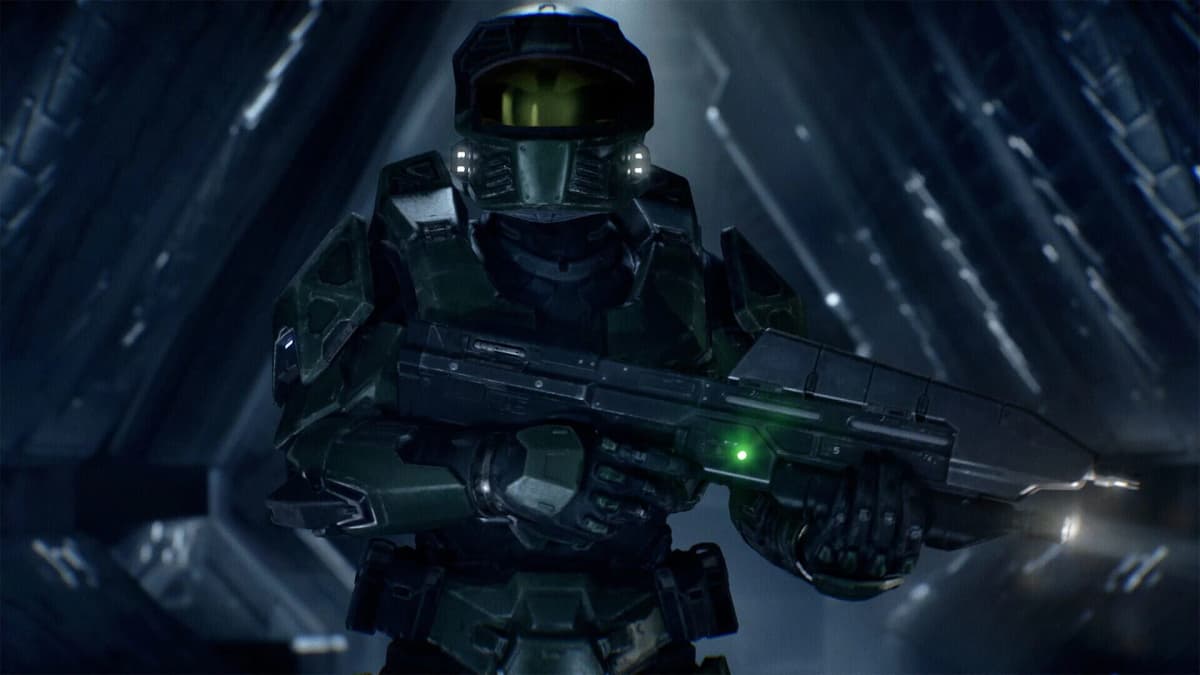
After years of rumors, it’s official: Halo: Campaign Evolved is a full Unreal Engine 5 remake of the original Halo campaign, built by Halo Studios (formerly 343 Industries) and landing in 2026 on Steam, the Xbox app, and-yes-PlayStation. That last bit is still wild to write, but it tracks with Microsoft’s “play anywhere” push. What matters more is how this remake plans to thread the needle between nostalgia and modernization. Sprint, four-player co-op, vehicle hijacking, and reworked levels (including the infamous Library) signal a remake that isn’t afraid to touch sacred cows.
Key Takeaways
- This isn’t a remaster—expect redesigned encounters, new wayfinding, and three prequel missions.
- Sandbox shifts: sprint, hijacking, and player-accessible weapons like the Energy Sword and Battle Rifle will fundamentally change Halo 1’s flow.
- UE5 visuals on top of legacy gameplay code could preserve “the Halo feel,” but performance will be under the microscope.
- Four-player co-op means larger, denser encounters—but also huge balance questions.
Breaking Down the Announcement
Halo Studios says it has “carefully rebuilt almost every level and every encounter with more fidelity.” That includes bumping co-op from two to four players and adding sprint (toggleable), which never existed in the original trilogy. You’ll be able to pick up weapons previously reserved for later games—Energy Sword, Battle Rifle, Needle Rifle—and even yank enemies out of vehicles. Yes, you can pilot the Wraith.
The team is also adding three new prequel missions that slot in before the classic campaign kicks off. If you’re a challenge gremlin, they’re promising the most Skulls ever in a Halo campaign, so expect both masochistic modifiers and the silly staples like Grunt Birthday Party.
On the tech side, game director Greg Hermann says the remake layers UE5 content atop “code and systems carried directly over from the original games.” In plain English: they want Unreal’s shiny rendering while keeping the physics, AI behavior, and combat timings that make Halo feel like Halo. That’s ambitious—and risky. UE5 can look phenomenal, but it’s also been a mixed bag performance-wise across recent releases. If Halo is going cross-platform, it needs to run as well as it plays.
Launch timing is 2026, with day-one availability on PC Game Pass and Game Pass Ultimate. And with a PlayStation version in the mix, Halo really is stepping into a new era: “This is Halo for everyone,” executive producer Damon Conn says. That line isn’t just marketing—it’s a strategy pivot.
The Library Gets a Do-Over (And That’s a Big Deal)
Veterans still shudder at the mention of The Library—endless Flood swarms, samey corridors, and the “am I lost again?” vibe. Creative director Max Szlagor says the team has re-evaluated pacing, improved wayfinding, and layered in new lines for 343 Guilty Spark to better guide players, plus extra narrative context. Environmental storytelling in Halo 1 was minimal; if they can add clarity without sanding off the dread, that’s a win.
My worry: over-guidance can kill tension. Part of The Library’s horror was the oppressive repetition and uncertainty. If the new direction turns it into a guided museum tour, that’s a miss. But if better breadcrumbs let co-op groups stay oriented while the Flood pressure escalates, the level could finally fulfill its potential instead of being the “just get through it” chapter.
Four-player co-op forces wider arenas, more spawn vectors, and sturdier enemies. That’s exciting—Halo’s combat sandbox sings when you’re improvising with friends—but it also means melee monsters like pure Flood forms and sword access could demolish encounter balance if not tuned carefully. The ability to hijack vehicles in Halo 1’s open spaces (think Halo and The Silent Cartographer) will also reshape how you approach skirmishes.

FinalBoss // Gear
Level up your setup
01Best-selling Xbox Series X|S gameson Amazon→02Xbox controllerson Amazon→03Top-rated gaming headsetson Amazon→04Discounted game keyson Kinguin→Affiliate links · As an Amazon Associate, FinalBoss earns from qualifying purchases.
Does UE5 Keep the “Halo Feel” Intact?
Halo: Combat Evolved Anniversary kept the original gameplay running under a new visual layer, and this remake is chasing a similar philosophy—just with modern tech and far bolder changes. If the legacy code truly governs AI, physics, and aiming, movement should still have that weighty, readable cadence. That matters, because Halo’s magic isn’t ray-traced reflections; it’s the predictability of the sandbox and how it rewards smart weapon swaps, grenade setups, and vehicle chaos.
The catch is performance. UE5’s lumen and nanite are powerful, but not free. If Halo ships with inconsistent frame pacing, pop-in, or long shader comp stutters, the conversation shifts from “they nailed it” to “why didn’t they stick to Slipspace?” The promise is huge; the margin for error is small.
Want to Level Up Your Gaming?
Get access to exclusive strategies, hidden tips, and pro-level insights that we don't share publicly.
Ultimate Gaming Strategy Guide + Weekly Pro Tips
AI Tools, Trust, and the Cross-Platform Moment
On generative AI, Hermann calls it “a tool in a toolbox,” with Xbox clarifying there’s “no mandate to use generative AI.” That’s not a full-throated denial, and frankly, the boundary lines are fuzzy in modern pipelines. What will matter to players is whether performances, writing, and art direction feel authentically Halo. If the result is soulless or uncanny, the community will sniff it out in a heartbeat.

The PlayStation release is more than a footnote—it’s a cultural shift. Halo used to be the emerald-lit face of Xbox exclusivity. Now it’s also an ambassador. If Halo Studios sticks the landing, the franchise could earn new fans without losing its identity. If not, it risks alienating the faithful while failing to convert newcomers. No pressure.
What Gamers Should Watch Next
– How intrusive is the new wayfinding? Can we toggle guidance down for a classic feel?
– Do sprint and the Energy Sword trivialize early encounters, or are AI behaviors and layouts adjusted to compensate?
– How do the new prequel missions set up the Pillar of Autumn without retcon whiplash?
– PC features and stability: FOV options, ultrawide support, frame pacing, and shader stutter will make or break day-one impressions.
TL;DR
Halo: Campaign Evolved is a true remake that dares to modernize Halo 1 with sprint, four-player co-op, new missions, and a smarter Library. UE5 visuals plus legacy gameplay code could be the best of both worlds—if performance holds and the redesigns respect the soul of Combat Evolved.