

Halo: Campaign Evolved asks you to keep the measured combat rhythm of Halo Combat Evolved while using a more modern set of movement and combat options. The most important adjustment is sprint: use it to reach cover, escape a broken-shield angle, or take a newly open route through an encounter. Do not treat it as permission to run straight through Covenant fire.
Halo Studios has refreshed the campaign in Unreal Engine with smoother traversal, modern aiming support, expanded combat tools, vehicle boarding, and quality-of-life features across PC, Xbox, and PlayStation 5. The original campaign structure and Master Chief’s core shield-management loop still matter. Peeking well, choosing a safe firing lane, and resetting after a bad trade remain more valuable than constant forward movement.
Table of Contents (11)
Do These Before the First Mission
- Use sprint between firefights, to cross into cover, or immediately after your shields break.
- Settle on a comfortable aiming sensitivity before judging the new combat pacing. Modernized aiming is useful, but it cannot fix a sensitivity that makes target tracking uncomfortable.
- Build every fight around cover and shield recovery. Sprint should help you reach the next safe position, not replace that position.
- Practice quick weapon swaps early. The refreshed weapon handling makes changing tools during an encounter far more practical than stubbornly forcing one weapon through every range.
- Be conservative around automatic checkpoints. They can be finicky, so finish an encounter with a useful weapon, shields intact when possible, and enough space to react if the next section starts hot.
Sprint Is a Repositioning Tool
Sprint is the biggest feel change for players coming directly from the original Halo CE. It smooths out traversal and gives Master Chief more options in wide arenas, but the combat still punishes careless exposure. If enemies have a clean sightline on you, sprinting through the center of the arena only extends the time you are exposed.
Use sprint when there is a clear destination: a rock, doorway, vehicle, raised platform, or the far side of a piece of cover. The best sprint decisions happen after shields break, when a flank has opened, or when you need to close the distance to a safer firing angle. In open spaces, move from cover to cover rather than trying to outrun every shot.
Good Sprint Windows
- Your shields have dropped and the current angle is no longer recoverable.
- Enemy fire has shifted toward another lane, leaving a brief route to cover.
- You need to close the final distance to a vehicle or protected position.
- The fight is over and you are moving through the level rather than engaging enemies.
For a more old-school Halo pace, keep sprint out of your combat routine until you understand the opening encounters. The original stop, peek, shoot, reset rhythm still works because enemy fire, arena geometry, and shield pressure continue to reward disciplined positioning.
Play the Health and Shield Loop More Carefully
The refreshed movement makes it easier to disengage, but the important decision still comes before you run: identify the next hard cover. When your shields are damaged, stop trying to win the current trade. Break line of sight, sprint only as far as needed, and let the recovery window reset the fight on better terms.
This matters most when several enemy groups can see the same lane. A modernized control scheme can make Master Chief feel faster, yet a bad position remains a bad position. If a corridor, ridge, or vehicle approach exposes you to multiple firing angles, back out first. Re-engage once you can isolate part of the encounter instead of feeding shields into the entire group.

Shield Management Rules That Still Apply
- Do not re-peek the same angle immediately after your shields recover; enemies may still be holding it.
- Use sprint to change the angle of the next engagement, not to return to the one that just broke your shields.
- In large spaces, choose cover that has an exit route. A single rock is less valuable when it leaves you trapped.
- Finish small groups before moving into the firing lane of a larger group whenever the arena allows it.
Use ADS for Precision, Then Return to the Arena
Modernized aiming and aim-down-sights support make longer-range shots more comfortable, especially when an encounter gives you room to control distance. Use ADS to clean up exposed targets, establish pressure across open ground, and make deliberate shots from cover.
Do not stay locked into a narrowed view while moving through a crowded fight. Halo’s encounters often change quickly as enemies push, vehicles enter the space, or a previously safe lane becomes exposed. Drop out of ADS when you need wider awareness, then use the smoother movement to reset behind cover or shift to a stronger position.
On PS5, the DualSense haptics are a lighter part of the experience than the broader control and presentation update. Base your aim setup on target tracking, camera comfort, and how quickly you can switch from precision fire to movement rather than expecting haptic feedback to carry the combat read for you.
Take Advantage of Faster Weapon Decisions
The refreshed combat sandbox adds weapons and abilities while keeping the accessible weapon-swapping flow that makes Halo firefights readable. The practical change is that you have more reasons to switch tools as the range and pressure of the fight change. Keep a weapon that works from your current cover position, then swap when the encounter forces you closer, farther away, or into a more aggressive route.
Do not spend the first pass through an encounter treating every new tool as a reason to abandon your best option. Learn what each addition solves: range pressure, close-quarters defense, pushing a fortified position, or creating room to retreat. A clean swap during a bad engagement is more valuable than holding a weapon that no longer fits the situation.
How the Expanded Sandbox Changes Your Priorities
- Carry weapons that cover the space you are about to enter, rather than only the space you have already cleared.
- Use new abilities to create a safe advantage: a better route, a stronger position, or a way to survive a collapsing angle.
- Swap before you are cornered. Waiting until an enemy is already on top of you turns a useful weapon change into a panic action.
- Keep movement and weapon choices connected. Sprinting to a new position only helps if your equipped tools work from that position.
Board Vehicles Only After You Control the Approach
Vehicle boarding gives Master Chief a new answer to enemy vehicles, but it is strongest when you have already created a safe path to the target. Use cover, enemy distraction, and a gap in the firing line to get close. Sprint is useful for the final reposition, especially when the vehicle is the safest available source of protection or mobility.
Do not turn every vehicle encounter into a direct charge. Supporting enemies can punish a rush long before you reach the vehicle. Reduce the threats that own the approach, use the arena’s geometry to hide your advance, and board when the vehicle is no longer protected by a full firing squad.
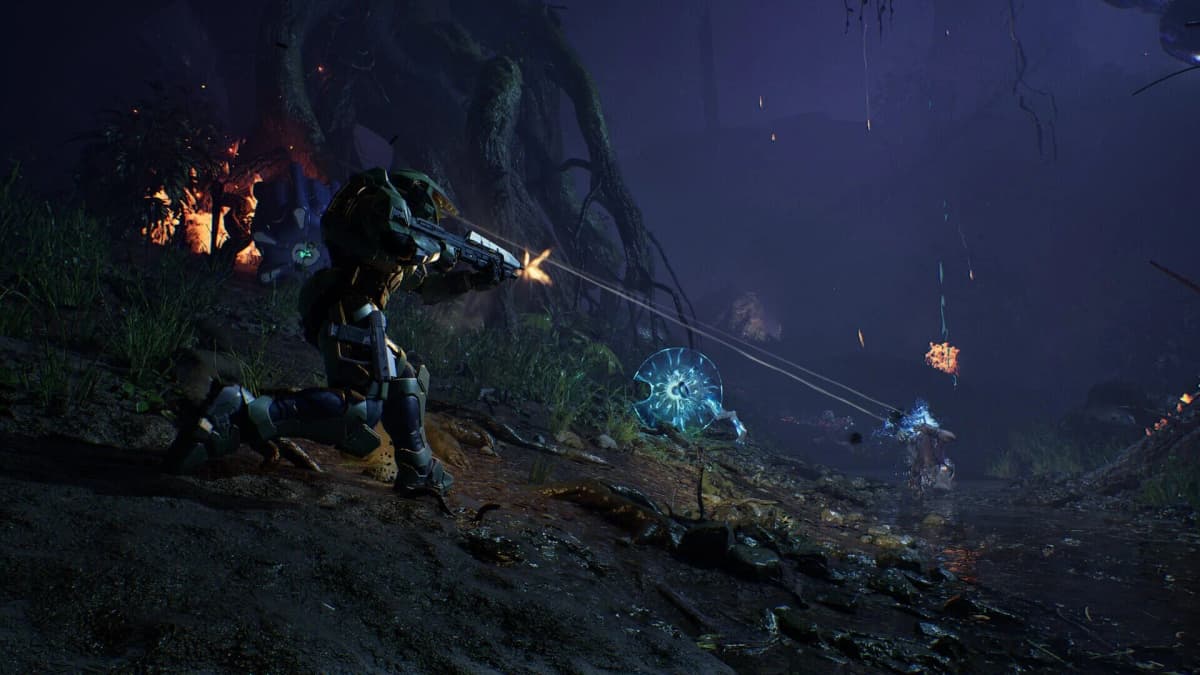
The broader vehicle and traversal changes make these sequences smoother, but the basic Halo rule holds: the vehicle is a tactical advantage only when you survive long enough to use it. A controlled approach is safer than an exciting one.
Expect Familiar Encounters With a Faster Feel
Halo: Campaign Evolved preserves the structure and pacing that made the original campaign work, while its updated presentation, movement, and encounter touch-ups give familiar spaces a different combat feel. Covenant fights remain the clearest place to learn the system because responsive weapon handling and capable enemy behavior make every exposed route matter.
Play the early missions as positioning lessons. Identify which cover pieces connect to each other, which routes are safe only while enemies are distracted, and where sprint can convert a dangerous retreat into a clean reset. Once those habits are in place, the modernized controls stop feeling like a replacement for Halo’s original rhythm and start functioning as extra options inside it.
Use Terminals, Prequel Missions, and Skulls at the Right Time
The campaign includes terminals that add context around the wider Halo story and connect more directly to later lore. Treat them as a worthwhile pause when you want extra narrative background, rather than something that has to interrupt a first clear of an intense combat section.
Three standalone prequel missions expand the conflict around Master Chief’s campaign. They add more material to the package, even if their tone can sit differently beside the original story. The core campaign remains the best place to learn the revised movement and combat cadence before diving into the added missions.
Skulls and replay modifiers are where the new combat tools become most useful after a standard run. Once the basic cover, sprint, aiming, vehicle, and weapon habits are automatic, modifiers give you a reason to revisit encounters with a different plan. Local and online co-op for up to four players also makes those remixed runs easier to coordinate around roles: one player can hold a lane while another uses the new movement options to take ground or reach a vehicle.
FinalBoss // Gear
Level up your setup
01Best-selling Xbox Series X|S gameson Amazon→02Xbox controllerson Amazon→03Top-rated gaming headsetson Amazon→04Discounted game keyson Kinguin→
Affiliate links · As an Amazon Associate, FinalBoss earns from qualifying purchases.
Want to Level Up Your Gaming?
Get access to exclusive strategies, hidden tips, and pro-level insights that we don't share publicly.
Ultimate Guide Strategy Guide + Weekly Pro Tips