
ASUS ROG Ally (2023) vs MSI Claw A1M
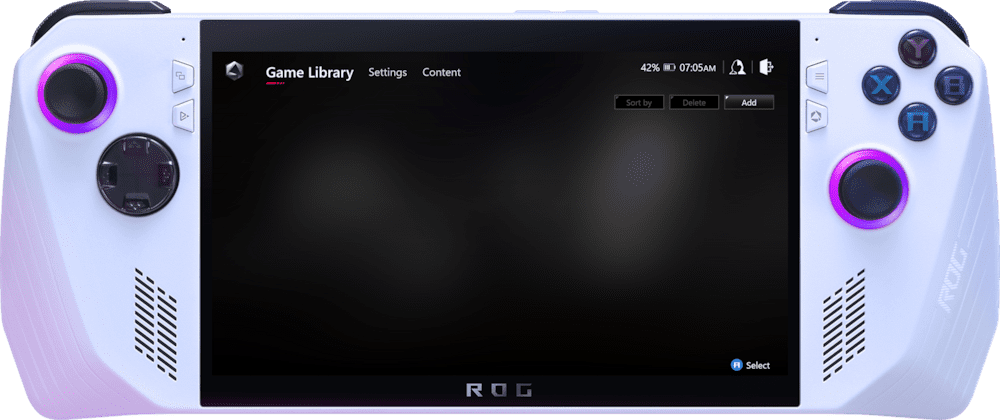
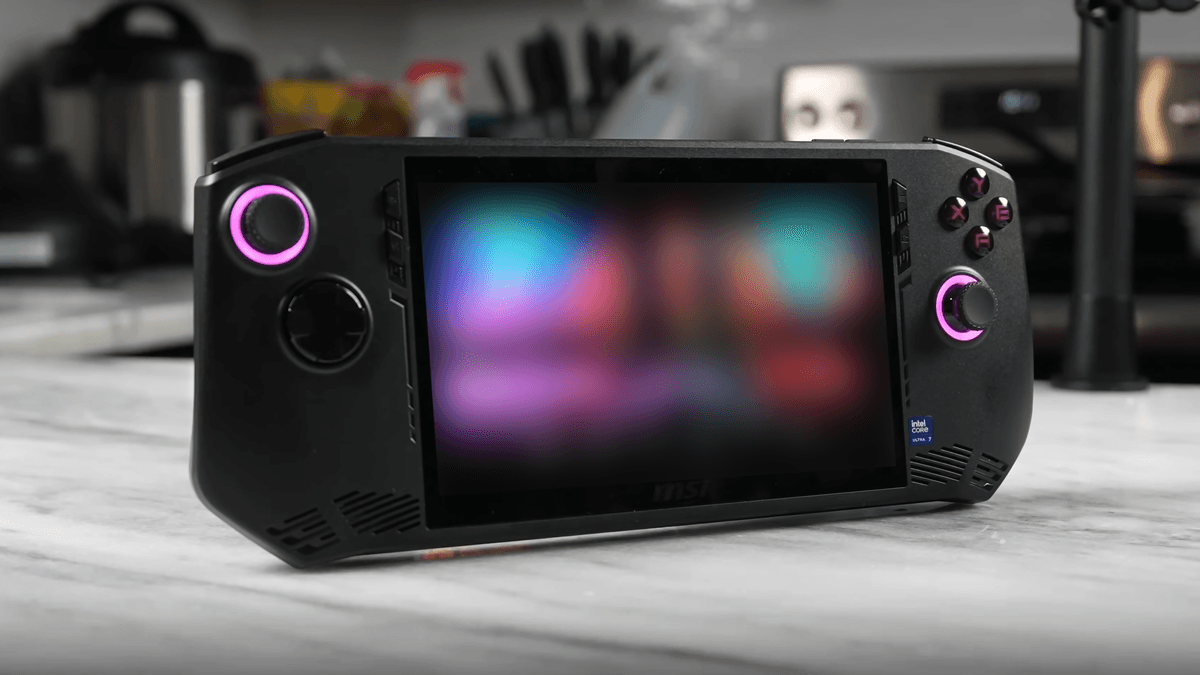
Both are discontinued first-generation handhelds with well-documented reliability problems: the original Ally suffered a heat-damaged SD-card reader and drift-prone potentiometer sticks, while the Claw A1M's Intel Meteor Lake chip ran hot, its 53 Wh battery gave only around two hours of gaming, and its launch firmware was rocky. The Claw A1M does ship with genuine Hall-effect sticks and Thunderbolt 4/Wi-Fi 7, which the original Ally lacks.
Spec comparison
| Spec | ASUS ROG Ally (2023) | MSI Claw A1M |
|---|---|---|
| Starting price | $600 | $700 |
| OS | Windows 11 | Windows 11 |
| Screen size | 7" | 7" |
| Panel | IPS | IPS |
| Refresh rate | 120 Hz | 120 Hz |
| Resolution | 1920 × 1080 (16:9) | 1920 × 1080 |
| Weight | 608 g | 675 g |
| Battery | 40 Wh | 53 Wh |
| APU | Ryzen Z1 | Core Ultra 5 135H |
| Max TDP | 30 W | 35 W |
| Hall-effect sticks | No | Yes |
| Gyro | Yes | — |
Handheld prices are unusually volatile in 2026 due to a global memory-chip shortage — we show the best figure at our last check, but always confirm the live price at the retailer.
ASUS ROG Ally (2023)
Pros
- Sharp 1080p 120 Hz FreeSync Premium display
- Z1 Extreme (RDNA 3, 12 CUs) is genuinely fast at 30 W
- Hall Effect triggers; ROG XG Mobile eGPU option
Cons
- SD card reader failures — a widely reported, high-severity defect
- Potentiometer sticks drift; poor repairability
- Small 40 Wh battery; Windows suspend/Armoury Crate issues
MSI Claw A1M
Pros
- Hall-effect sticks and triggers from launch
- Thunderbolt 4 / USB4 and Wi-Fi 7
- Now very cheap on clearance
Cons
- Meteor Lake thermal/power issues widely reported
- Poor ~2 hr battery from the 53 Wh cell
- Glitchy driver/firmware situation at launch
Who should buy which
Buy the original Ally, used and discounted, if you want AMD RDNA 3 performance and don't mind sourcing a Hall-effect stick upgrade to fix the drift-prone sticks.
Buy the Claw A1M, used and discounted, if you want factory Hall-effect sticks and Thunderbolt 4/Wi-Fi 7, and can tolerate its worse thermal throttling and shorter battery life.