
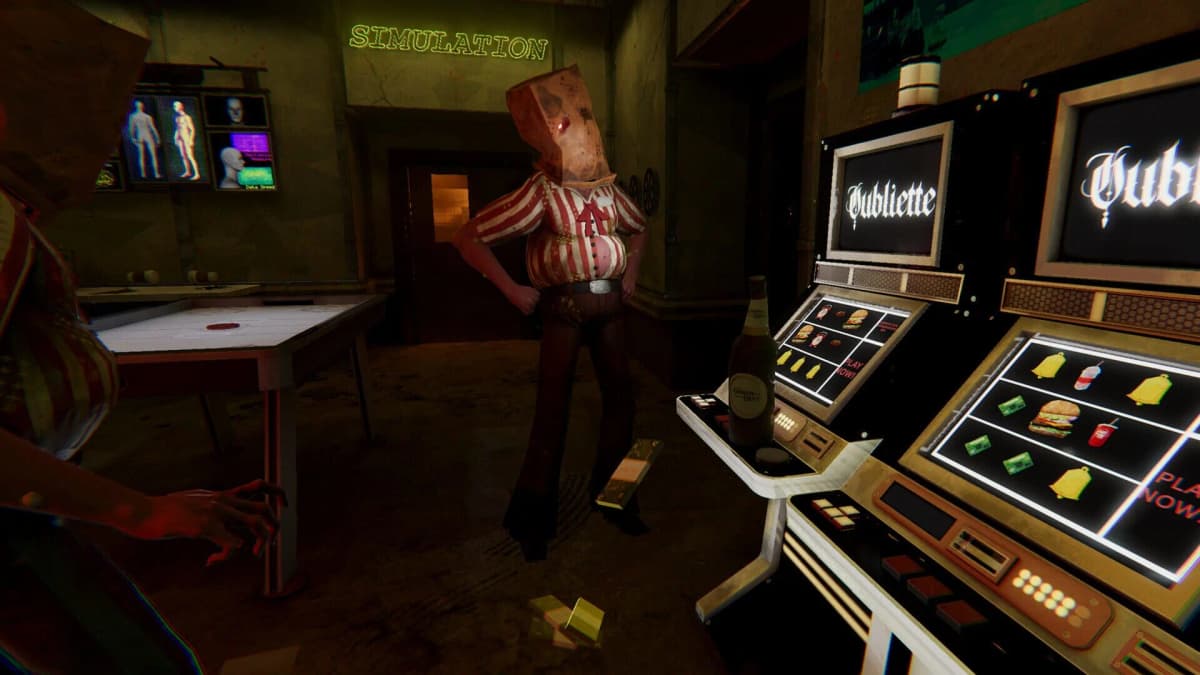
Happy’s Humble Burger Cult starts with the familiar rhythm of a fast-food shift-take orders, cook food, assemble meals, and serve customers-but the routine at Happy’s Humble Burger Farm is built to collapse into horror. Your safest early co-op plan is simple: assign fixed kitchen duties before the first order, choose contracts that keep disruptions manageable, keep every appliance and walkway under control, and treat the quota as the line between food-service pressure and Asset Joy’s hunt.
The PC release on Steam supports online co-op for one to four players, and extra players help only when the team avoids overlapping jobs. Four cooks all reaching for the same counter creates the same bottleneck as playing short-handed. Early shifts are won by keeping the kitchen readable: everyone should know which station they own, which task is next, and who leaves their post when a fire, wet floor, or restock problem appears.
Table of Contents (11)
Set Up the Kitchen Before the First Order Arrives
The first useful seconds of a shift are for preparation, not rushing the counter. Turn on every station your team may need before tickets start stacking up: grills, fryers, ovens, and drink machines. A machine that is still inactive when an order needs it forces the whole team to wait, and that delay usually spreads into missed handoffs and cluttered workspaces.
Then arrange the kitchen around movement rather than convenience. Ingredients should be reachable from the cooking and assembly areas without forcing two people through the same narrow lane. Keep the routes from appliances to the assembly point clear. If one player is carrying food while another is restocking through that same path, the team loses time even when everyone is technically doing the correct job.
- Activate grills, fryers, ovens, and drink machines before the rush.
- Place frequently used ingredients where the cook and assembler can reach them without crossing paths.
- Keep a clear route between cooking stations, the assembly area, and serving.
- Decide who handles a hazard before one appears.
- Agree on short, task-specific communication so spoken instructions stay useful.
Early-shift warning: do not treat the opening setup as optional downtime. A clean kitchen prevents more mistakes than an extra pair of hands scrambling to recover a queue later.
Use Fixed Co-Op Roles Instead of Everyone Doing Everything
Happy’s Humble Burger Cult gives a co-op group plenty to do, but the kitchen loop becomes unreliable when each player keeps switching jobs. The practical answer is a division of labor that protects the main production line: orders move from ticket to cooking, cooking to assembly, and assembly to serving with as few unnecessary handoffs as possible.
A Strong Four-Player Duty Split
- Order and serving player: tracks incoming orders, keeps the serving side moving, and calls out what the kitchen needs next.
- Grill player: owns the burger-cooking station and watches its output rather than drifting into unrelated chores.
- Sides and drinks player: runs fryers, ovens, and drink machines, preventing those stations from becoming an unattended second queue.
- Assembly and utility player: combines finished components, restocks nearby supplies, keeps movement lanes clear, and becomes the first responder for hazards.
This layout works because it separates the high-attention jobs. Cooking stations need monitoring, assembly needs accuracy, and serving needs awareness of the order flow. The utility role is especially important early on because it prevents every small interruption from pulling the grill or fryer player away at the worst moment.
How to Adapt the Plan for Two or Three Players
With fewer players, preserve station ownership rather than trying to imitate a four-person crew. In a two-player shift, one player should primarily control hot food production while the other handles orders, assembly, serving, and short restocks. In a three-player shift, give one player the grill, one player the fryers, ovens, and drinks, and one player the front-of-house and assembly work.
The role that gets combined should be the flexible one, usually serving and assembly or assembly and utility. Avoid combining multiple heat-producing stations with customer-facing work if possible. Those are the jobs most likely to punish a player for looking away at the wrong time.
Roles can change after a rush, but make the change explicit. A player who quietly leaves the fryer to restock can leave the team assuming that station is still covered. Quick handoffs protect the kitchen from the most common co-op failure: several players responding to the same urgent task while another task is abandoned.
Choose Early Contracts for Stability, Not Maximum Chaos
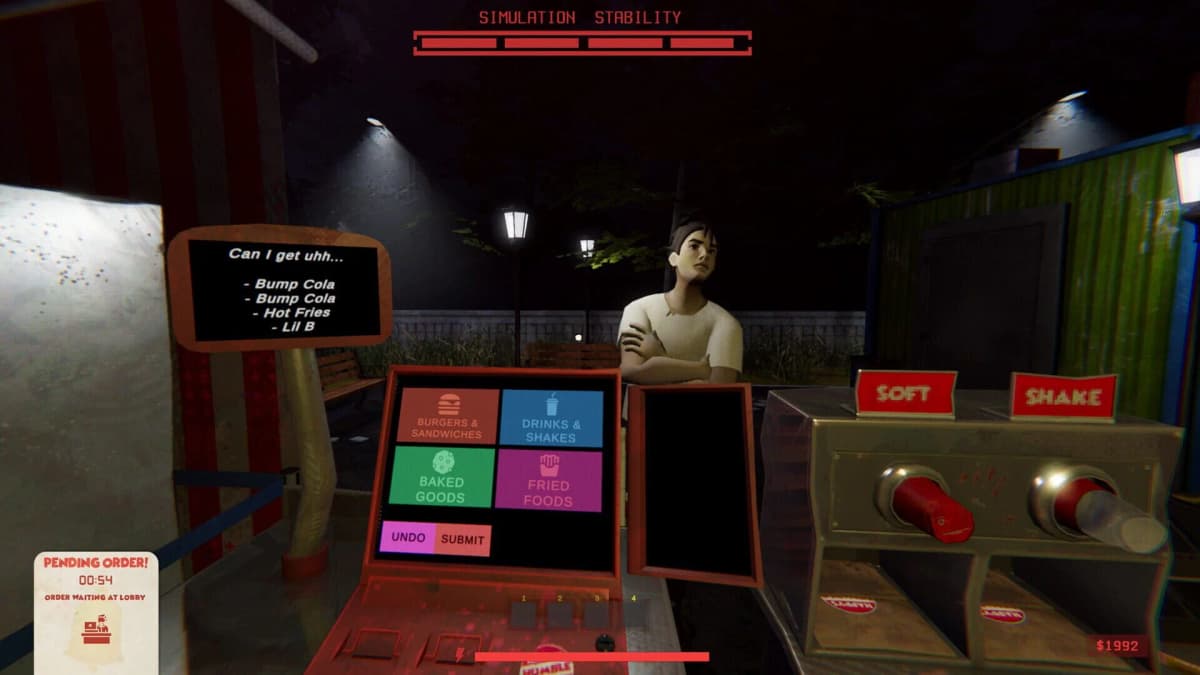
Contracts and shift modifiers shape how manageable a run becomes. With more than 35 modifiers per shift in the game, the early goal is to learn a reliable kitchen routine before choosing conditions that create extra disruption. Favor contracts that let your team keep its normal station plan and avoid ones built around disruptive random events.
That approach matters because modifiers do more than make a single action harder. They can force a player away from a station, disrupt a prepared route through the kitchen, or turn a simple communication problem into a full queue collapse. A team that has not yet built rhythm loses much more from interruption than an organized group with clear contingency roles.
A Quick Contract Check Before You Commit
- Will this contract interrupt the same station repeatedly?
- Will it force players to abandon their assigned jobs often?
- Does it add random events that make a clean kitchen harder to maintain?
- Can the team still use its usual cooking, assembly, and serving flow?
- Will the added pressure make spoken coordination harder once the horror section begins?
Early on, consistency has more value than novelty. A stable contract gives the group time to learn where ingredients belong, how long each station holds attention, and which paths get blocked when the kitchen gets busy. Save the more disruptive conditions for teams that already have dependable handoffs and a hazard routine.
Keep Burger Production Moving in a Repeatable Order
The best burger flow comes from using one agreed ingredient order every time. The exact menu work can vary by ticket, but the team should still follow the same pattern: read the full order, start the required cooking tasks, stage the ingredients needed for assembly, finish the meal in the agreed sequence, then send it out and replace consumed supplies when the lane is clear.
A fixed order helps in two ways. First, it stops the assembly player from guessing whether an item is complete. Second, it makes mistakes visible immediately. If every burger is built in the same sequence, a missing component stands out before the order is served instead of becoming a late correction that ties up the counter.
Keep the cook focused on producing finished hot components at a pace the assembly player can actually handle. The serving player should avoid pulling the cook into front-of-house work unless the queue is already under control. When the kitchen is busy, the person nearest the ticket flow should be the one deciding what is needed next, while the cooking players maintain their stations.
The Early Shift Flow to Practice
- Check the order before starting preparation.
- Send required food to the correct active appliance.
- Stage the necessary ingredients without blocking another player’s route.
- Move completed food to assembly using the team’s established order.
- Serve the completed order promptly.
- Restock only when it will not interrupt an active cooking or serving responsibility.
This routine is deliberately plain, which is why it survives pressure. The goal is to remove decisions that the team would otherwise have to make while several orders, machines, and hazards are competing for attention.
Prevent Fires and Wet Floors From Breaking the Entire Shift
Fires and wet-floor hazards are costly because they attack both halves of the kitchen problem: they demand immediate attention and make movement less reliable. The best response is a repeatable safety rule rather than everyone reacting at once.
Give each active cooking station an owner. That player is responsible for checking the station before moving on, while the utility player handles the urgent response when a fire or wet floor appears. If the utility player is unavailable, call out the handoff clearly so only one additional person leaves their role. The rest of the team should keep the active order chain alive wherever it is safe to do so.
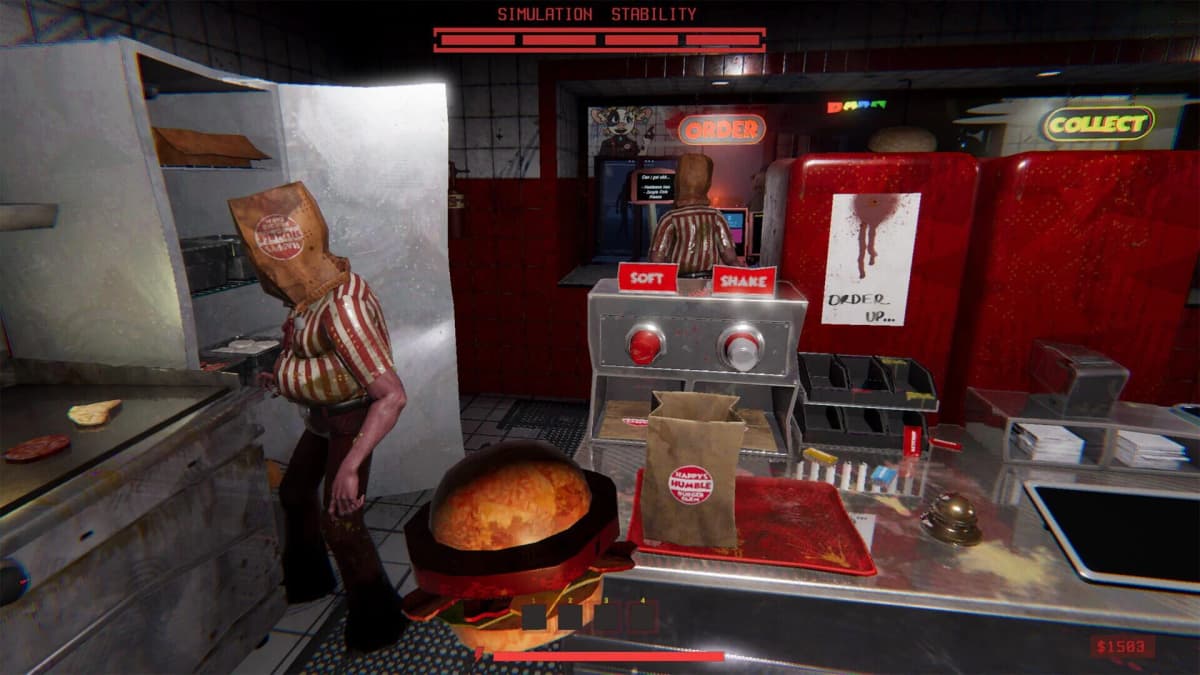
- For fires: assign one responder, deal with the immediate problem using the relevant in-game response, then check whether the cooking station can safely return to normal work.
- For wet floors: clear the hazard promptly and keep the surrounding lane free until movement is reliable again.
- For blocked routes: stop restocking through the contested lane and redirect players around the kitchen until the area is clear.
- After any disruption: confirm which order is currently being cooked, assembled, or served before the team resumes full speed.
Do not let two players solve one hazard while a grill, fryer, or drink station sits unattended. That is the chain reaction that turns a small safety issue into a failed shift: the hazard is cleared, but multiple orders have stalled and the team has lost track of what is already cooking.
Hit the Quota Before Asset Joy Turns the Shift Into a Hunt
The food-service simulation has a hard strategic purpose: hit the required quota before the shift turns into the survival-horror phase. Once the simulation collapses, Asset Joy becomes the threat the team has to survive around. That makes every early kitchen decision part of a larger clock, including restocking and cleaning up the route to the next task.
When the quota is still distant, prioritize stable order production and keep enough space for routine restocks. When the team is close, finish active orders cleanly instead of creating extra work with unnecessary role swaps or poorly timed side tasks. The shift should reach its target with the kitchen still understandable, not with every player separated, every path blocked, and nobody certain which station is safe to leave.
Restocking remains important once the regular shift rhythm gives way to horror pressure, so do not leave every supply problem until the last possible moment. Build short restock checks into quieter windows rather than turning the whole team into runners after the kitchen has already emptied out.
Use Microphone Communication Carefully
Happy’s Humble Burger Cult uses microphone-based voice recognition, and speaking can affect what happens in the game. The wrong words can draw Asset Joy’s attention or otherwise create danger, so voice chat needs more discipline here than it does in a typical co-op cooking game.
Set your communication rules before the shift begins. Keep calls brief and tied to immediate work: a station needs attention, an order is ready to assemble, a route is blocked, or a player is taking over a task. Fixed roles reduce the need for constant spoken updates, which helps the team stay coordinated without filling every tense moment with unnecessary chatter.
During the horror portion, the value of preparation becomes even clearer. A group that already knows who usually cooks, serves, assembles, restocks, and responds to hazards can communicate less while still making sensible decisions. The kitchen plan does not remove Asset Joy’s pressure, but it keeps the team from creating avoidable danger for itself.
FinalBoss // Gear
Level up your setup
01Top-rated gaming headsetson Amazon→02High-refresh gaming monitorson Amazon→03Gaming chairson Amazon→04Discounted game keyson Kinguin→Affiliate links · As an Amazon Associate, FinalBoss earns from qualifying purchases.
Want to Level Up Your Gaming?
Get access to exclusive strategies, hidden tips, and pro-level insights that we don't share publicly.
Ultimate Guide Strategy Guide + Weekly Pro Tips